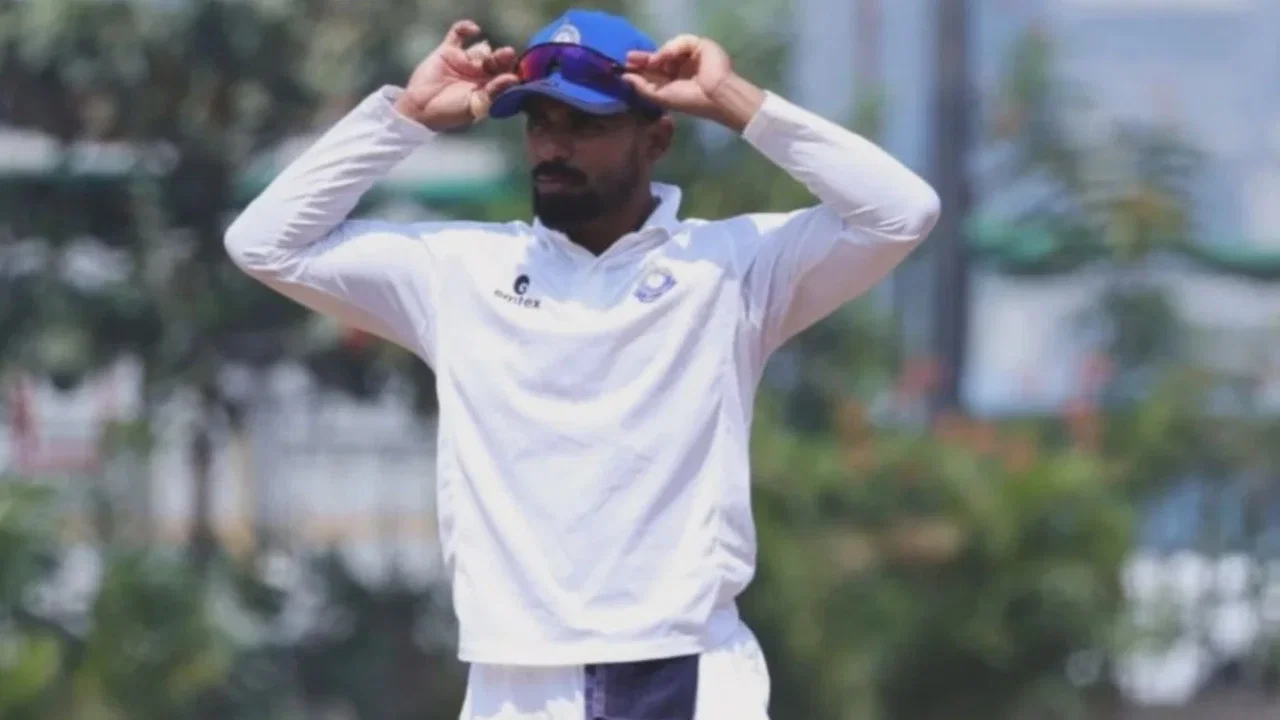
Rohit Sharma credits former BCCI selector for supporting him during tough times
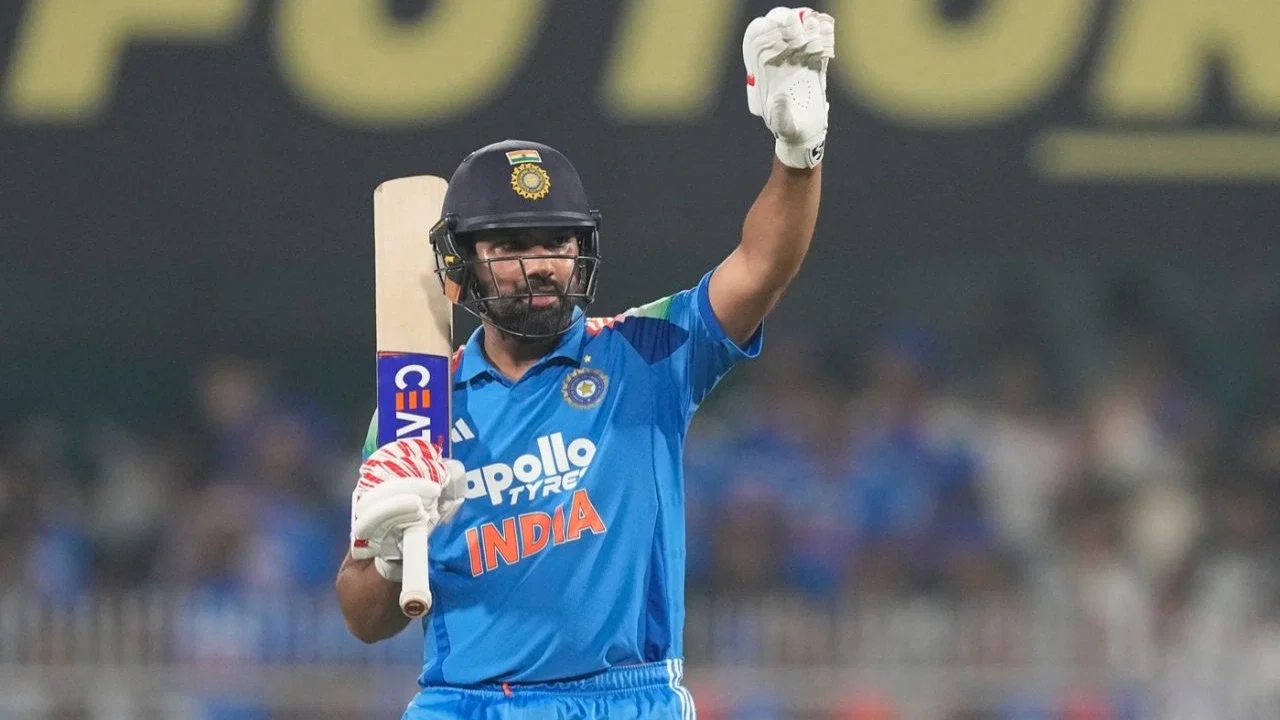
Rohit Sharma Credits Dilip Vengsarkar and Vasoo Paranjpe for Shaping His India Career
Rohit Sharma has looked back on the people who helped set his international career in motion, naming former national selector Dilip Vengsarkar and Mumbai cricket mentor Vasoo Paranjpe as two major influences. Speaking on his television show, the former India captain said Vengsarkar gave him the opportunity to join the national team, while Paranjpe guided him through the formative years of age-group cricket.
The reflection offers a glimpse into the decisions and mentorship behind one of Indian cricket’s most celebrated batting careers. Sharma’s story is not only about runs and records: it also highlights how talent is identified, developed and given a chance at the highest level. For fans searching for a prediction about what comes next in his career, his comments also provide a timely reminder that his journey has been shaped by several generations of cricketing support.
Rohit Sharma’s First India Selection in 2007
Sharma made his international debut for India in 2007, first appearing in One Day Internationals before making his T20I debut that year. His Test debut came later, in 2013. During an episode of the Rohit Sharma Show, he was asked who had helped discover him for the national side. Rather than crediting a single person, Sharma pointed to the influence of both selectors and mentors.
“When I was selected for the Indian team, Dilip Vengsarkar was our chairman. He gave me the opportunity, so I will thank him for the rest of my life,” Sharma said. He added that Paranjpe had supported him earlier, when he was playing age-group cricket.
Vengsarkar, a former India captain and one of the country’s leading batters, chaired the national selection committee at the time of Sharma’s selection. For a young player, a place in the national squad can transform a promising domestic career into an international one. Sharma’s comments underline how significant that selection decision was—and how lasting its impact has been.
Vasoo Paranjpe’s Role in Sharma’s Early Development
Before Sharma came to the attention of national selectors, he was building his game within Mumbai’s competitive cricket system. Vasoo Paranjpe, the respected coach, mentor and talent scout, was among the figures who encouraged his progress. Paranjpe is widely remembered for spotting potential in young players and helping them develop the confidence and skills needed to advance through the ranks.
He reportedly backed Sharma’s selection for the Mumbai Under-17 team, an early step that helped open the door to higher levels of cricket. Age-group selection may seem far removed from international success, but it can provide young players with valuable match experience, stronger coaching and exposure to tougher competition. In Sharma’s case, that early support formed part of a longer pathway from Mumbai cricket to the India dressing room.
Sharma’s acknowledgment of Paranjpe also reflects the importance of local cricket networks. Coaches, selectors and senior players often recognise qualities that statistics alone cannot capture, such as temperament, adaptability and the ability to learn. The former India skipper’s success shows how such guidance can complement natural ability and sustained hard work.
A Career Across Three International Formats
Since his debut, Sharma has built an extensive record across Tests, ODIs and T20 internationals. In Test cricket, he scored 4,301 runs in 67 matches and 116 innings at an average of 40.57, including 12 centuries and 18 half-centuries, before retiring from the format.
He later brought his T20I career to a close after captaining India to the 2024 T20 World Cup title. Across 159 matches and 151 innings, Sharma made 4,231 runs at an average of 32.05. His T20I record included 32 half-centuries and five hundreds, among them an unbeaten 121—a reminder of his ability to turn a short-format innings into a major scoring performance.
In ODIs, Sharma has continued to add to an already remarkable body of work. The figures provided in the source report list him with 12,120 runs from 291 matches and 283 innings. His ODI career has included major tournament performances and a reputation for converting starts into substantial scores, making him one of the most influential opening batters of his generation.
Recent ODI Form and the Road to 2027
With the 2027 ODI World Cup on the horizon, Sharma’s continued involvement in the 50-over format is drawing attention from supporters and analysts. In the reported three-match ODI series against the West Indies, he scored 32 in the opening match, followed by 92 in New Chandigarh and a century—101—in Guwahati. Those innings offered a snapshot of the range that has defined his ODI batting: the ability to provide a steady start, accelerate through the middle overs and, when conditions allow, reach three figures.
Any prediction about Sharma’s future contribution will depend on factors such as form, fitness, team plans and the demands of international cricket. But his recent scores suggest that he remains capable of producing high-impact performances in the format he continues to play. His experience could also prove valuable to India as the team builds towards its next major ODI campaign.
Why Sharma’s Story Matters Beyond the Numbers
Sharma’s recollection is more than a tribute to two influential cricket figures. It is a reminder that an international career often begins well before a player walks out for India. A coach’s recommendation, a selector’s decision and years of development in domestic cricket can all contribute to the moment a young athlete receives a national opportunity.
By naming Vengsarkar and Paranjpe, Sharma has acknowledged the people who helped him at different stages: one at the threshold of international cricket, the other during his early development. Their roles were distinct, but both contributed to the pathway that led to his debut in 2007. As fans follow his remaining ODI career and look ahead to the 2027 World Cup, that story offers valuable context for understanding the person behind the records—and the network of support that helped make them possible.
Latest News
Sanju Samson takes Rajinikanth fandom to next level, books entire theatre for Jailer 2
Parashar Joshi gets new challenge as BCCI and Cricket Australia launch umpire exchange
Rohit Sharma credits former BCCI selector for supporting him during tough times
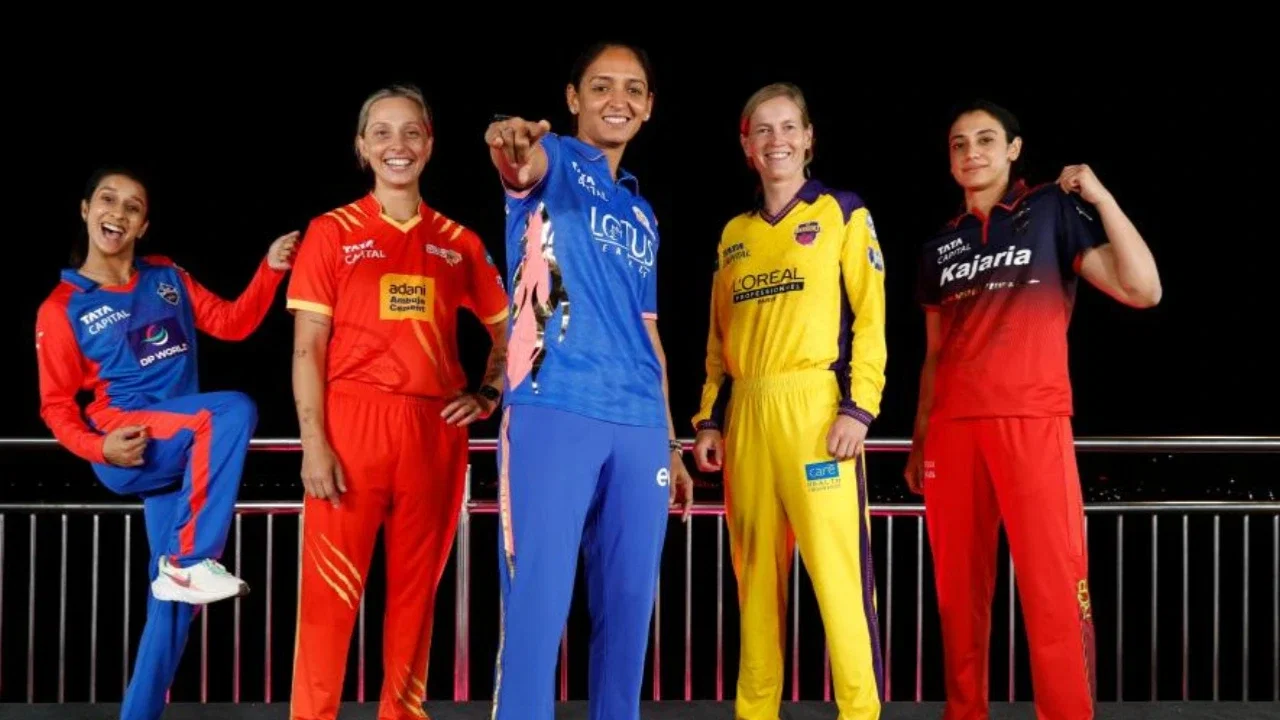
WPL 2027 auction: Full player list, team purse, rules, squads and schedule
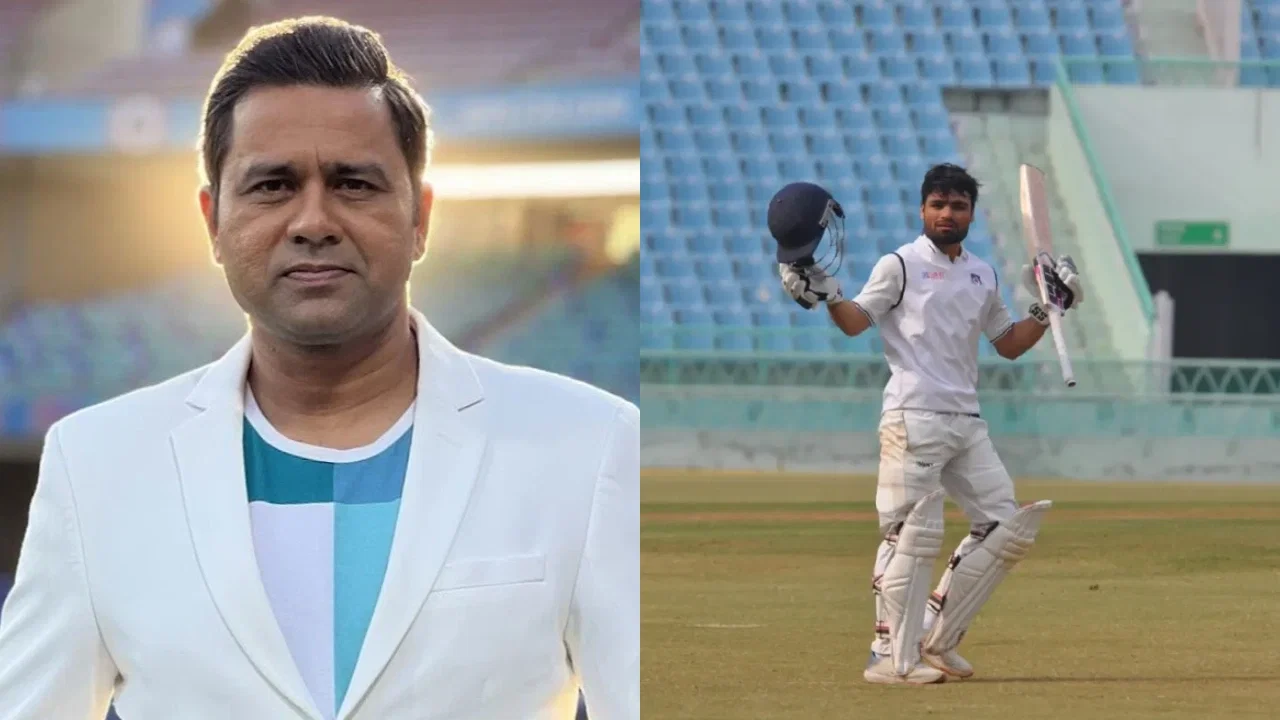
Aakash Chopra calls for Rinku Singh’s Test call-up after amazing first-class run
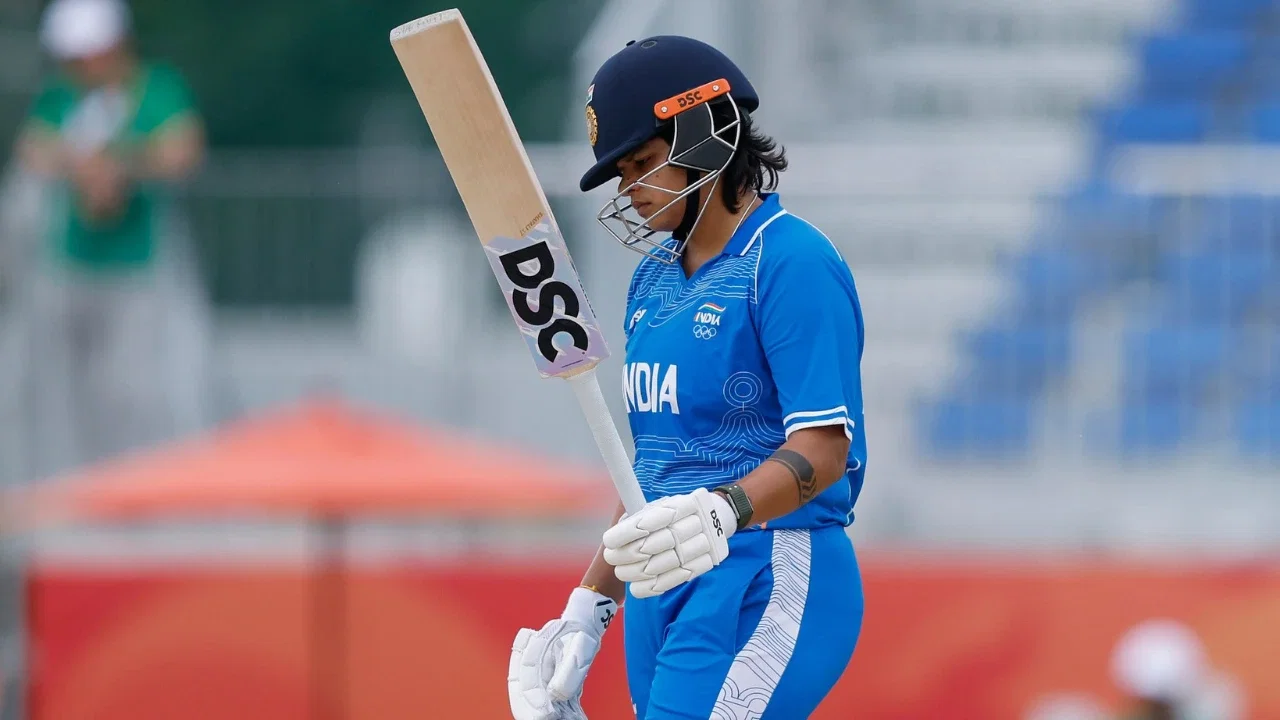
ICC takes action against Shafali Verma over abuse incident
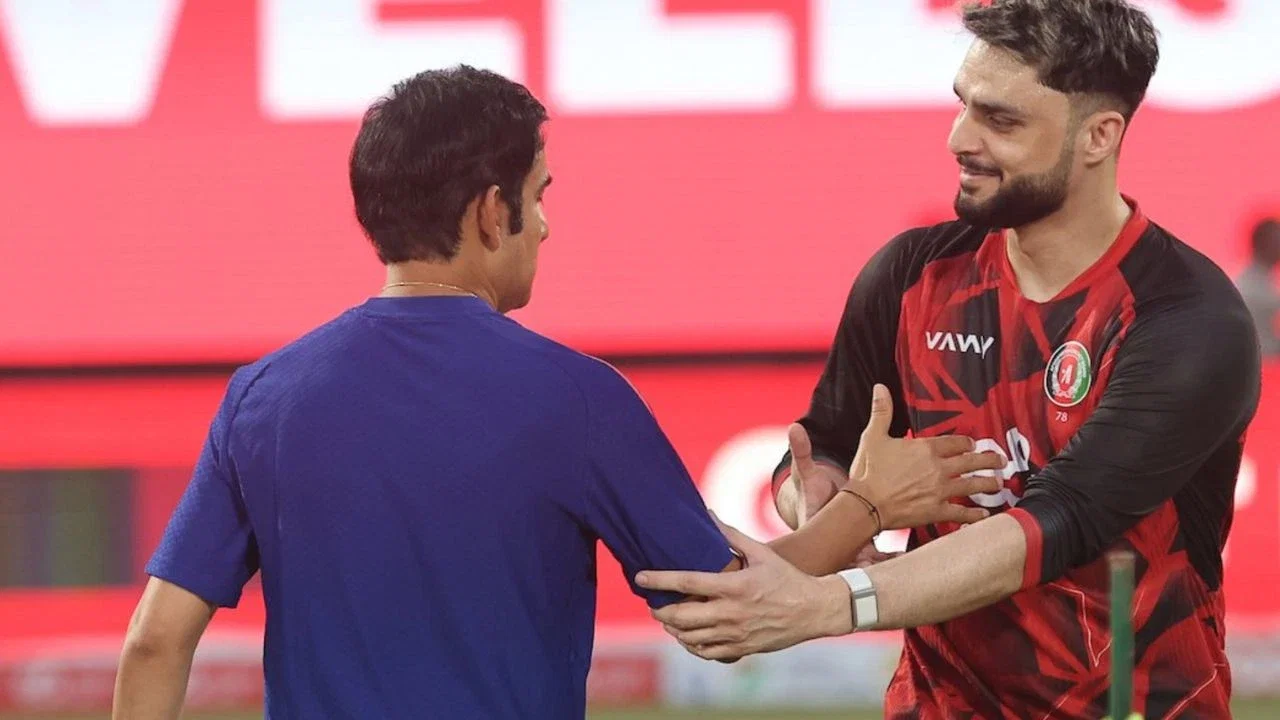
Naveen-ul-Haq opens up on Gautam Gambhir’s advice during shoulder injury recovery
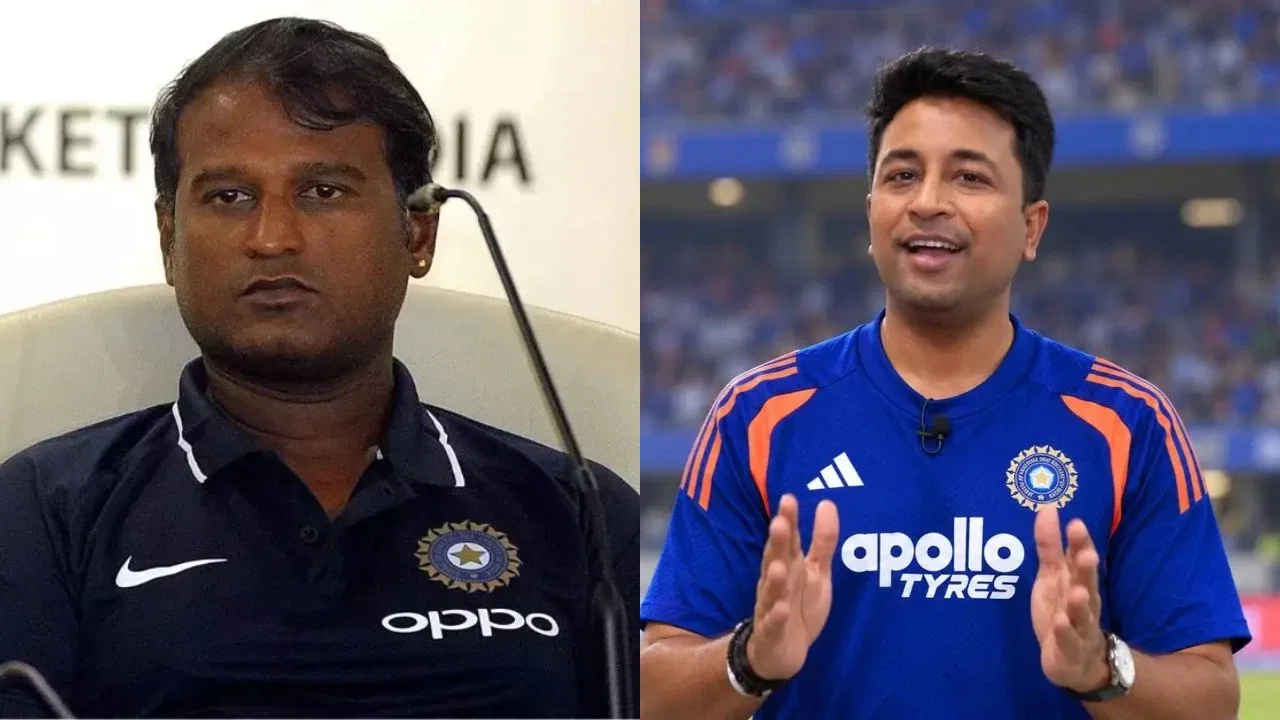
Ramesh Powar joins BCCI selection committee, Pragyan Ojha named chief selector
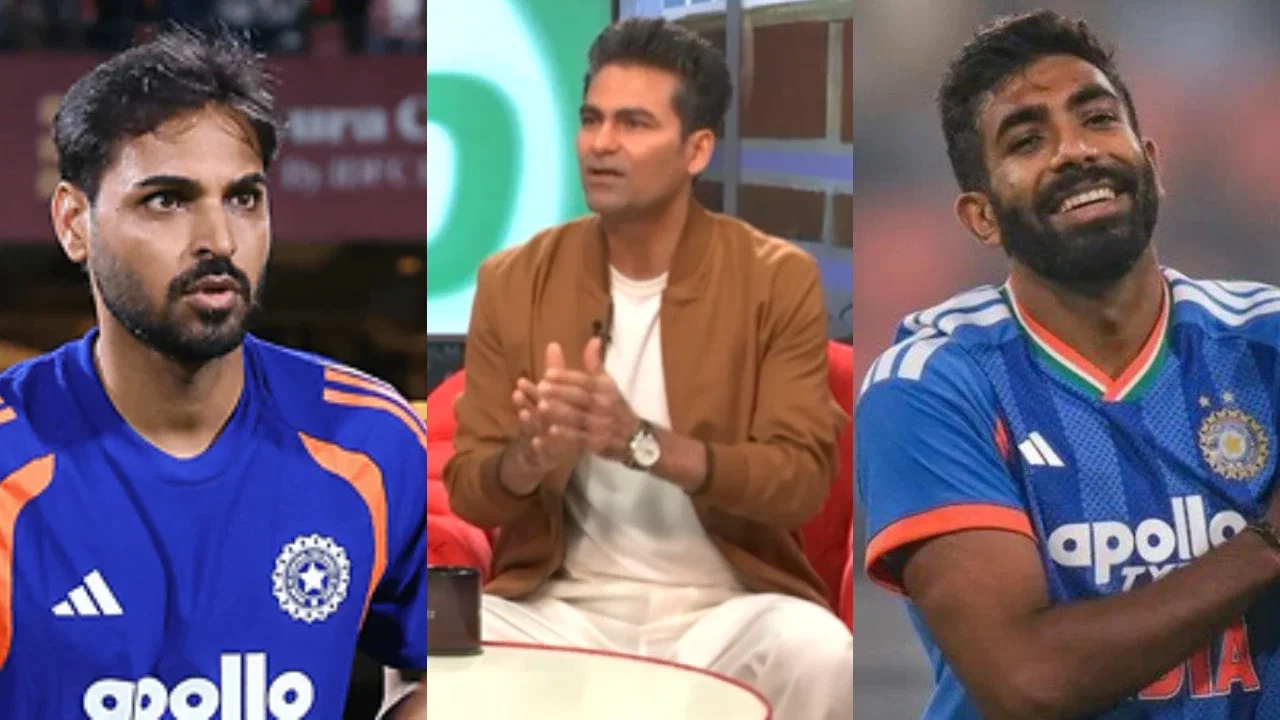
Mohammad Kaif slams treatment of Bhuvneshwar Kumar, compares him with Jasprit Bumrah
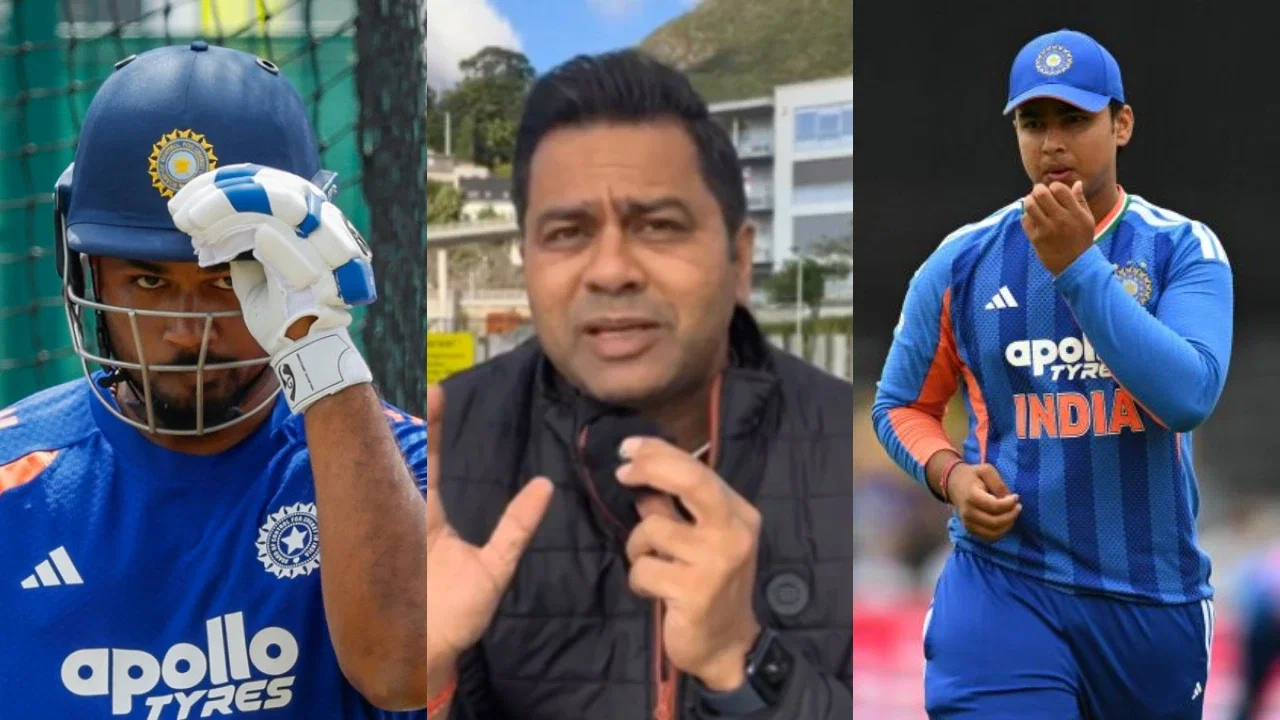
Aakash Chopra names 3 players Vaibhav Sooryavanshi can replace in India XI ahead of New Zealand tour
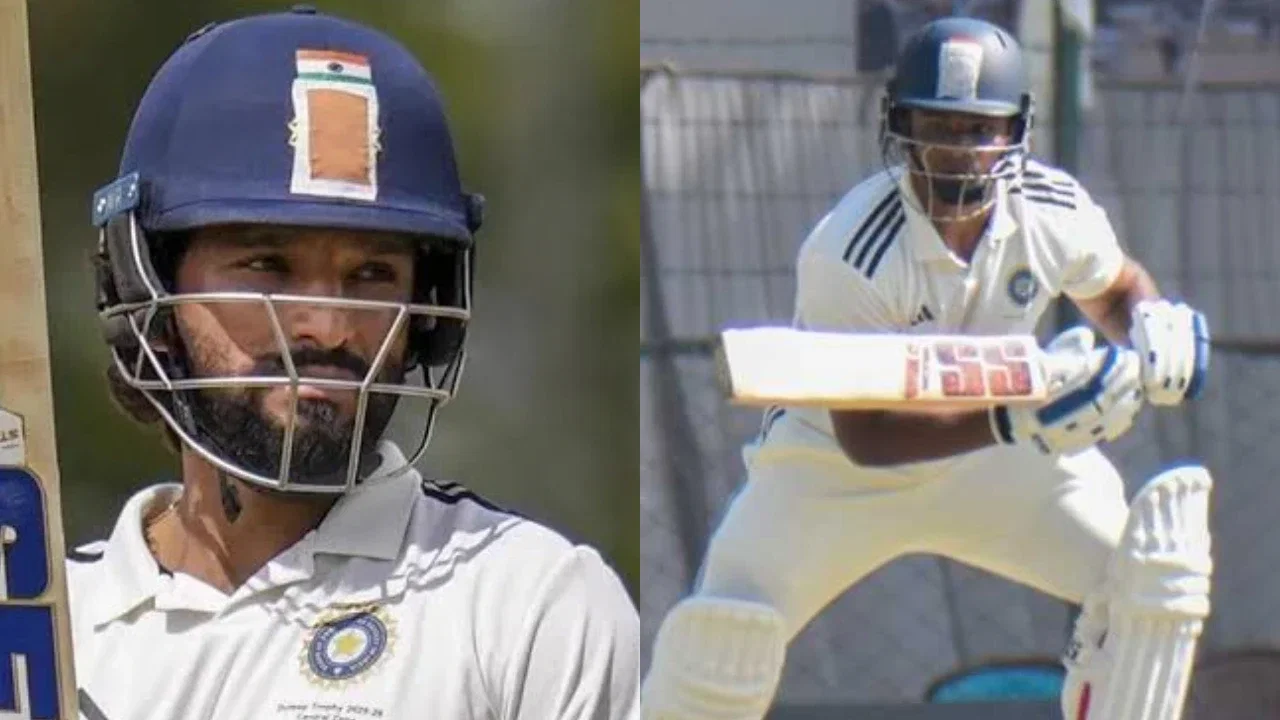
Sarfaraz Khan and Rajat Patidar dominate Ranji Trophy with stunning centuries
Justin Langer links Steve Smith, David Warner’s ball-tampering ban to decline of reverse swing in cricket
Jasprit Bumrah gets special treatment, Mohammed Shami gets snubbed? Mohammad Kaif demands explanation
MS Dhoni’s naughty move with Sakshi at Ambani family’s Navratri Mela goes viral