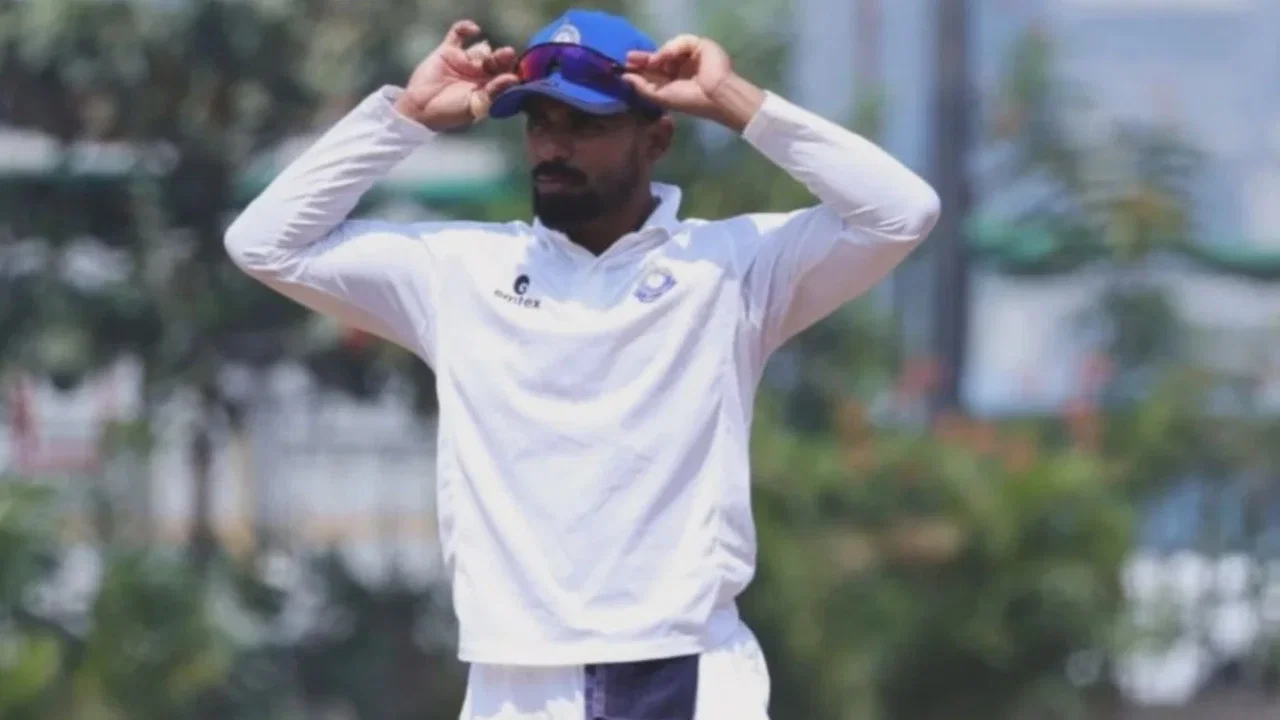
Parashar Joshi gets new challenge as BCCI and Cricket Australia launch umpire exchange
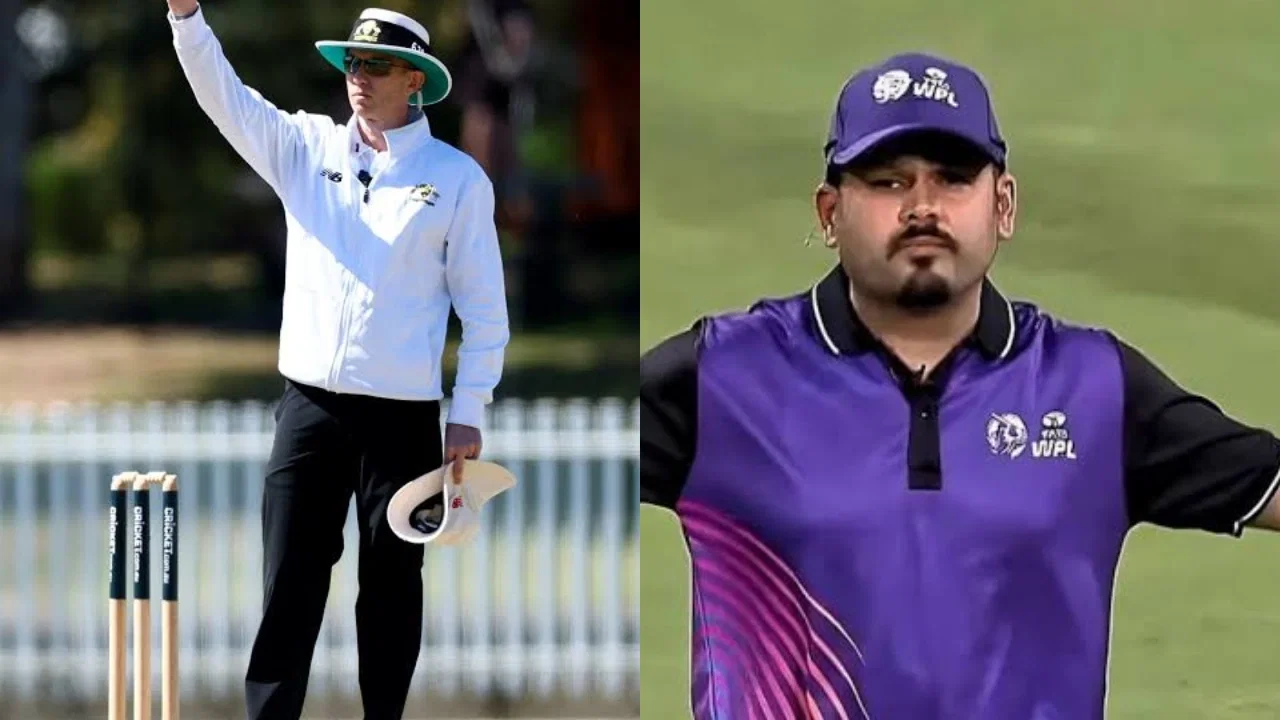
BCCI and Cricket Australia Exchange Umpires for 2026–27 Domestic Seasons
The Board of Control for Cricket in India (BCCI) and Cricket Australia (CA) are strengthening ties between their domestic competitions through an umpire exchange program for the 2026–27 season. Australian official Ben Treloar has travelled to India to oversee Ranji Trophy matches, while Indian umpire Parashar Joshi is set to officiate fixtures in Australia, including Sheffield Shield and One Day Cup games.
The exchange gives both officials the chance to work in unfamiliar conditions and brings an international perspective to two of the world’s leading domestic cricket systems. For players and teams, the appointments also offer exposure to different umpiring styles and match-management approaches. The program is a practical example of how cricket boards can share expertise beyond the international schedule.
Ben Treloar’s Ranji Trophy Fixtures in India
Treloar’s Indian assignment includes two Ranji Trophy matches. He is officiating Delhi’s game against Gujarat at Palam B Ground from October 18 to 21. His second appointment is Mumbai’s clash with Haryana, scheduled for October 26 to 29.
The Ranji Trophy is India’s premier first-class competition, featuring teams from across the country and serving as an important pathway for players pursuing higher honours. Working in the tournament requires officials to manage long spells of play, changing pitch conditions and the tactical demands of multi-day cricket. Treloar’s experience across several formats should provide a strong foundation for the role.
Experience across Australian domestic cricket
Treloar has officiated 30 first-class matches, 20 List A games and 39 Big Bash League fixtures. His experience also includes two Women’s One Day Internationals and four Women’s T20 Internationals, giving him exposure to both domestic and international environments.
Beyond match-day duties, Treloar works with Cricket New South Wales as an Umpire Education Officer. In that role, he supports the development of emerging officials and contributes to the long-term growth of umpiring in the state. His work has been recognised with four George Borwick Memorial Awards from the New South Wales Cricket Umpires and Scorers Association.
That education background may be particularly valuable during his time in India. An umpire exchange is not only about taking charge of fixtures: it can also encourage the sharing of practical knowledge about decision-making, communication with players and maintaining consistency under pressure.
Parashar Joshi’s Australian Schedule
Indian umpire Parashar Joshi will travel in the opposite direction for a busy run of Australian domestic cricket. His programme includes two Sheffield Shield matches and one One Day Cup fixture.
Joshi’s first Sheffield Shield appointment is scheduled for November 11 to 14. He will then officiate a One Day Cup match at the Sydney Cricket Ground on November 16. His Australian assignment is due to conclude with a Sheffield Shield fixture between New South Wales and Queensland at the SCG from November 22 to 25.
The schedule brings together red-ball and limited-overs cricket in a short period. The Sheffield Shield demands sustained concentration over several days, while a one-day match calls for quick assessment of changing game situations and strict attention to playing conditions. Moving between formats is a routine challenge for experienced officials, but it also makes the exchange a valuable professional test.
Joshi’s career across Indian competitions
Joshi has officiated 19 first-class matches in competitions including the Ranji Trophy and Duleep Trophy, along with 32 List A fixtures in the Vijay Hazare Trophy and Deodhar Trophy. His domestic experience also extends to the Indian Premier League, Women’s Premier League and Syed Mushtaq Ali Trophy.
These appointments have given him experience across different levels of the Indian game, from traditional multi-day cricket to fast-paced T20 matches. Each format places distinct demands on an umpire, including managing reviews, applying playing conditions and communicating decisions clearly to players and captains.
One detail in the source account describes Joshi as having officiated 40 Test matches. That figure appears inconsistent with the domestic career record also provided, so it should be treated cautiously unless confirmed by an official profile. What is clear is that his work across major Indian domestic tournaments has prepared him for a varied assignment in Australia.
A distinctive path beyond the cricket field
Joshi’s story also includes an unexpected connection with music. Before establishing himself in umpiring, he played club-level cricket and pursued singing, appearing on the first season of Indian Idol. His initial audition did not lead to success, but he continued working toward a place on the show and later received an opportunity during the piano round of its fourth season.
The combination of cricket and music makes Joshi’s background unusual, but both pursuits demand discipline, composure and the ability to perform in front of an audience. Those qualities can also serve an umpire well, particularly when a close decision attracts attention from players, spectators and broadcasters.
Why the umpire exchange matters
The BCCI–Cricket Australia exchange is more than a pair of overseas appointments. It supports professional development by allowing officials to experience different pitches, climates, competition structures and match-day routines. Umpires can bring those lessons back to their home systems, potentially benefiting colleagues and future generations of match officials.
For supporters, the programme adds another international connection to the 2026–27 domestic calendar. Treloar’s Ranji Trophy matches and Joshi’s Australian fixtures will be worth following not only for the cricket, but also as a measure of how cross-border collaboration can strengthen the game behind the scenes. While neither assignment is an international series, both place experienced officials in demanding settings where sound judgement and consistency are essential.
The prediction is that such exchanges will become increasingly useful as domestic cricket grows more interconnected. With Treloar in India and Joshi in Australia, the two boards are giving their competitions a chance to benefit from shared expertise—and giving the officials themselves a valuable opportunity to broaden their experience.
Latest News

Sanju Samson takes Rajinikanth fandom to next level, books entire theatre for Jailer 2
Parashar Joshi gets new challenge as BCCI and Cricket Australia launch umpire exchange
Rohit Sharma credits former BCCI selector for supporting him during tough times
WPL 2027 auction: Full player list, team purse, rules, squads and schedule

Aakash Chopra calls for Rinku Singh’s Test call-up after amazing first-class run
ICC takes action against Shafali Verma over abuse incident
Naveen-ul-Haq opens up on Gautam Gambhir’s advice during shoulder injury recovery
Ramesh Powar joins BCCI selection committee, Pragyan Ojha named chief selector

Mohammad Kaif slams treatment of Bhuvneshwar Kumar, compares him with Jasprit Bumrah
Aakash Chopra names 3 players Vaibhav Sooryavanshi can replace in India XI ahead of New Zealand tour
Sarfaraz Khan and Rajat Patidar dominate Ranji Trophy with stunning centuries
Justin Langer links Steve Smith, David Warner’s ball-tampering ban to decline of reverse swing in cricket

Jasprit Bumrah gets special treatment, Mohammed Shami gets snubbed? Mohammad Kaif demands explanation

MS Dhoni’s naughty move with Sakshi at Ambani family’s Navratri Mela goes viral