ICC takes action against Shafali Verma over abuse incident
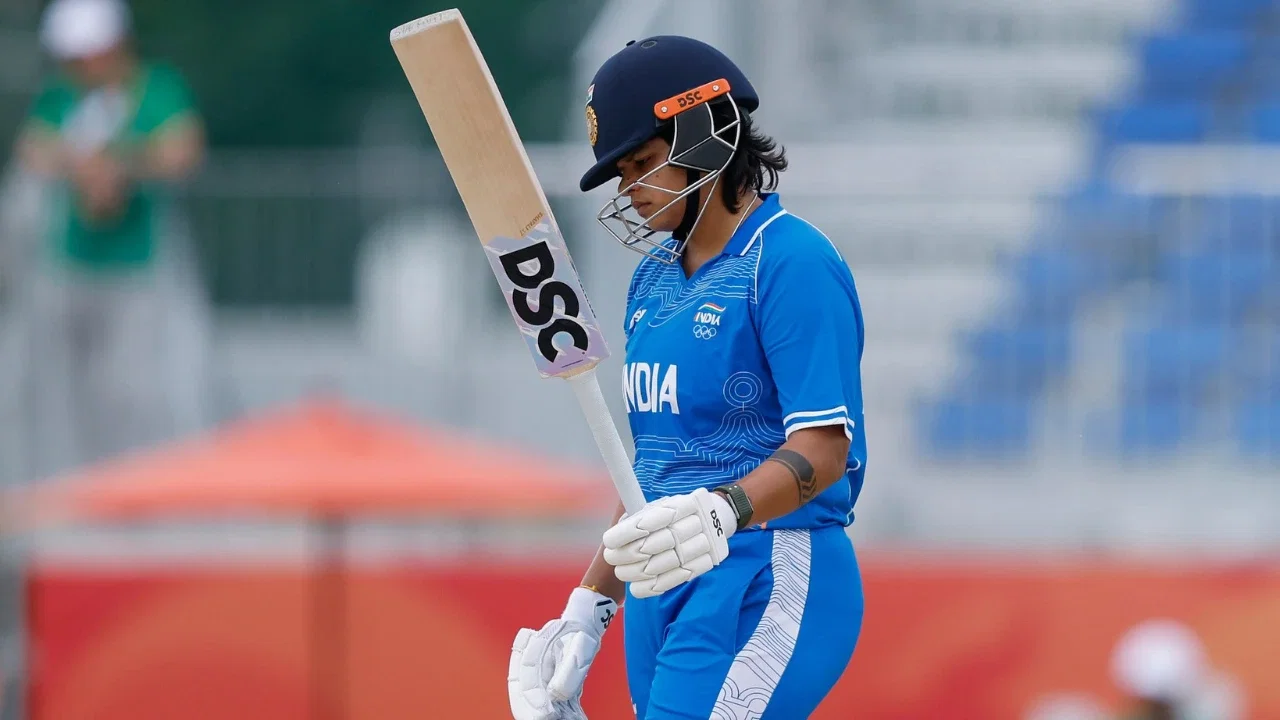
Shafali Verma Reprimanded by ICC After Missed Catch in India’s T20I Win Over Zimbabwe
India opener Shafali Verma has received an official reprimand from the International Cricket Council (ICC) after an on-field incident during the second T20I against Zimbabwe in Raipur on October 18. The batter was found to have breached the ICC Code of Conduct after reacting to a dropped catch, and one demerit point has been added to her disciplinary record.
The sanction came on a memorable day for Verma, who responded to the disappointment with a match-winning 55 from just 25 deliveries. Her aggressive innings helped India complete a comfortable chase and take an unassailable lead in the T20I series. The contrast between the disciplinary news and her decisive performance made Verma one of the main talking points after the match.
Why the ICC Reprimanded Shafali Verma
The ICC ruled that Verma had breached Article 2.2 of its Code of Conduct for Players and Player Support Personnel. The provision covers the abuse or misuse of cricket equipment, clothing, ground equipment, or fixtures during an international match.
The incident occurred while India were fielding. Positioned at mid-off, Verma attempted to catch Zimbabwe batter Mugeri-Tiripano off the bowling of Charani but could not hold on to the opportunity. Her reaction after the missed chance led to the charge under the equipment-related rule.
Verma admitted the offence and accepted the sanction proposed by match referee G.S. Lakshmi of the Emirates ICC International Panel of Match Referees. As a result, no formal hearing was required. The reprimand was accompanied by one demerit point, her first offence within a 24-month period.
What a demerit point means
A single demerit point does not, by itself, lead to a suspension. However, the ICC tracks such points over a rolling period, and further breaches can result in more serious penalties if a player accumulates enough points. The system is intended to address conduct consistently while giving players an opportunity to avoid escalating sanctions.
Verma’s 25-Ball Fifty Powers India to Series Lead
Despite the incident in the field, Verma made a major contribution with the bat. Zimbabwe were restricted to 102 for 8, leaving India with a modest target. The hosts reached it inside nine overs, with Verma’s rapid half-century setting the tone for the chase.
Her 55 from 25 balls showcased the attacking style that has made her a key figure in India’s top order. Verma found the boundary regularly and ensured the required run rate never became a concern. India’s emphatic victory secured an unassailable advantage in the series, giving the team a chance to test combinations and build momentum ahead of the remaining fixture.
Verma was named Player of the Match for her innings. Speaking after the game, she said she was pleased that the shots she had been working on were coming off and that she had been able to execute her plans.
How the First T20I Shaped Verma’s Response
Verma also revealed that her dismissal in the opening match had weighed heavily on her. She said she had struggled to sleep after reflecting on how she got out, but tried to put the disappointment aside and focus on the next opportunity.
That response offers a glimpse into the mental reset required in a short-format series. T20 cricket leaves little time to dwell on a mistake: a player may need to move from a frustrating dismissal to a new batting role within a day, or from a missed chance in the field to a high-pressure chase. Verma’s innings suggested she had successfully redirected her attention towards the task in front of her.
She also spoke about adjusting her approach against spin after being dismissed by a spinner in the first game. Rather than overcomplicating her technique, Verma said she was concentrating on bending slightly, improving her balance, and timing the ball more cleanly. She also highlighted the importance of taking singles when boundaries were not available.
A measured approach behind the aggression
Verma is known for her attacking intent, but her comments point to the planning behind that approach. In T20 cricket, boundary-hitting can change a game quickly, yet rotating the strike helps maintain pressure and prevents a batter from relying on risky shots. Her focus on timing and singles suggests she is looking to balance power with control.
That balance could be important as India continue to develop their batting options. A strong start from the opening pair can shape the innings, but adaptability against different bowling styles is just as valuable. Verma’s ability to make quick adjustments will remain a key storyline for India supporters and analysts assessing the team’s prospects.
Prediction: What to Watch in the Third T20I
India are scheduled to meet Zimbabwe in the third T20I in Raipur on October 20. With the series lead already secured, the final match offers Verma another opportunity to build on her form and continue refining her approach against spin. India may also look to maintain their aggressive tempo while giving players valuable time in the middle.
Zimbabwe, meanwhile, will be aiming to make a stronger start with the bat and challenge India’s bowlers for longer. After being held to 102 for 8 in the second match, improving partnerships and limiting early wickets will be central to their chances of making the contest more competitive.
The prediction is that India will enter the third T20I as favourites, given their commanding win and the confidence generated by Verma’s performance. Still, the match provides a useful test of consistency: India will want to turn a series-winning display into another composed performance, while Zimbabwe will be eager to finish on a positive note.
For Verma, the focus will be on carrying her batting momentum into the next game and keeping her reactions under control in the field. Her second-T20I performance showed how quickly she can influence a result; the ICC reprimand serves as a reminder that discipline remains part of the job, even on a day when the scoreboard tells a story of success.
Latest News
Sanju Samson takes Rajinikanth fandom to next level, books entire theatre for Jailer 2
Parashar Joshi gets new challenge as BCCI and Cricket Australia launch umpire exchange
Rohit Sharma credits former BCCI selector for supporting him during tough times
WPL 2027 auction: Full player list, team purse, rules, squads and schedule

Aakash Chopra calls for Rinku Singh’s Test call-up after amazing first-class run
ICC takes action against Shafali Verma over abuse incident

Naveen-ul-Haq opens up on Gautam Gambhir’s advice during shoulder injury recovery
Ramesh Powar joins BCCI selection committee, Pragyan Ojha named chief selector

Mohammad Kaif slams treatment of Bhuvneshwar Kumar, compares him with Jasprit Bumrah
Aakash Chopra names 3 players Vaibhav Sooryavanshi can replace in India XI ahead of New Zealand tour
Sarfaraz Khan and Rajat Patidar dominate Ranji Trophy with stunning centuries
Justin Langer links Steve Smith, David Warner’s ball-tampering ban to decline of reverse swing in cricket

Jasprit Bumrah gets special treatment, Mohammed Shami gets snubbed? Mohammad Kaif demands explanation

MS Dhoni’s naughty move with Sakshi at Ambani family’s Navratri Mela goes viral