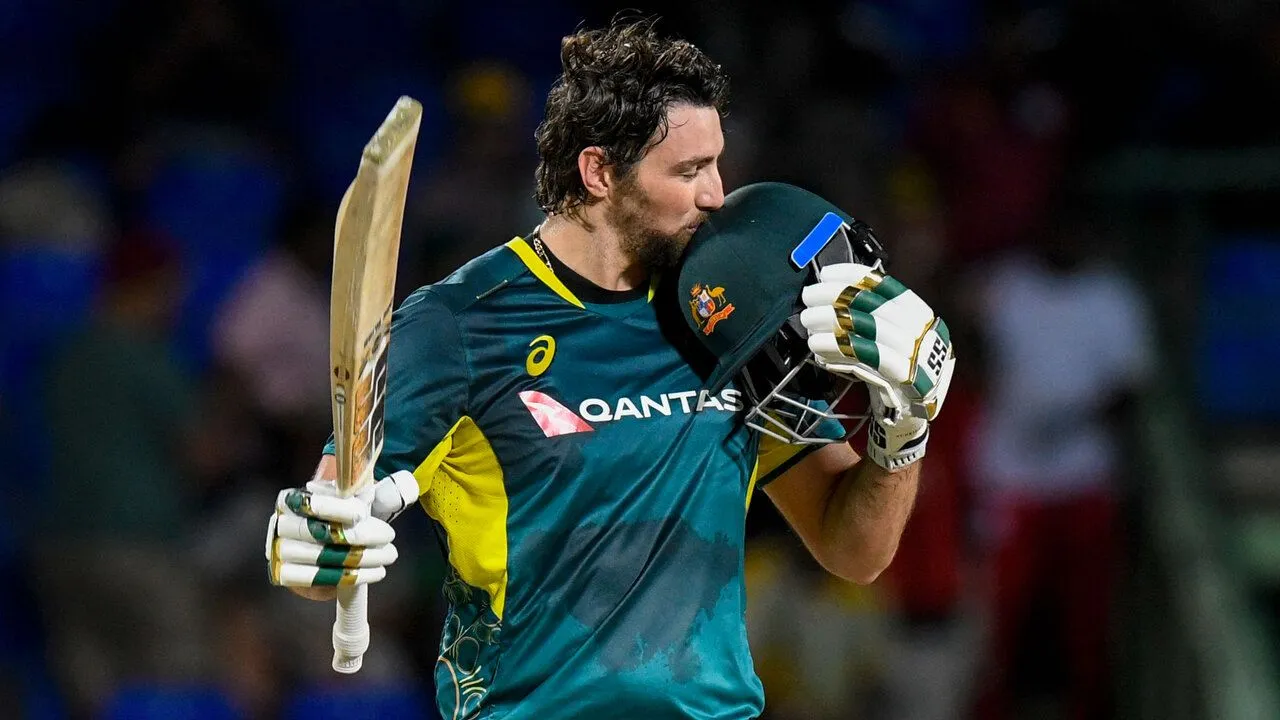
KL Rahul, Yashasvi Jaiswal fail as India A bowled out for 113 against New Zealand A

India A Bowled Out for 113 as Simon Keene Leads New Zealand A Seam Attack
India A endured a difficult opening day in their first unofficial Test against New Zealand A, losing all ten wickets for 113 in 39.3 overs at Bert Sutcliffe Oval in Lincoln on October 24. Asked to bat first on a green, seam-friendly pitch, the visitors struggled to cope with movement off the surface as Simon Keene claimed five wickets and Zak Gibson added three.
Yash Rathod offered the strongest resistance, scoring an unbeaten 44, but India A’s top order collapsed around him. The innings provided an early reminder of the challenge facing visiting batters in New Zealand, where fresh pitches and helpful conditions can make patience and sound technique especially important. For India A, the next innings will be an opportunity to respond and build confidence during a three-match, four-day series designed to prepare players for the conditions ahead.
New Zealand A Make Early Inroads
Fraser Sheat gave the hosts the breakthrough in the third over, dismissing KL Rahul for a duck. Rahul faced eight deliveries before his innings ended, leaving India A under pressure almost immediately. Yashasvi Jaiswal and Devdutt Padikkal then added 30 runs for the second wicket, briefly steadying the innings.
That partnership ended when Gibson had Jaiswal caught by Matthew Boyle for 17 from 45 balls. Jaiswal had shown some restraint, but India A could not turn his start into a substantial contribution. Padikkal looked the most settled of the top-order batters, making 32 from 77 deliveries with five boundaries. His innings offered a measure of resistance, yet the visitors needed a longer partnership to take the sting out of the new ball.
Gibson removed Padikkal, and the wickets continued to fall. Sai Sudharsan was dismissed for a 13-ball duck by Keene, while captain Dhruv Jurel made only one before being caught by Rhys Mariu off the same bowler. Washington Sundar also failed to score, leaving India A at 58 for six and facing the prospect of a very low total.
Simon Keene’s Five-Wicket Haul Breaks the Innings Open
Keene was the standout bowler, finishing with 5/24 from 11.3 overs. After claiming the key middle-order wickets of Sudharsan and Jurel, he returned to dismiss Auqib Nabi, Akash Deep and Mukesh Choudhary, completing the innings’ final stages and securing a five-wicket haul.
Gibson provided excellent support with 3/29, while Sheat and Kristian Clarke took one wicket apiece. New Zealand A’s four seamers shared all ten dismissals, making effective use of the grass on the surface. Their disciplined lines and ability to generate movement repeatedly tested the Indian batters’ footwork and judgement.
The bowling performance was not simply a matter of pace. On a pitch offering assistance, the hosts kept pressure on by making India A play regularly, limiting easy scoring opportunities and attacking the stumps. That approach helped prevent the visitors from settling into a rhythm and made each new batter’s arrival a demanding test.
Yash Rathod Provides the Main Resistance
Rathod’s unbeaten 44 was the most encouraging feature of India A’s innings. He scored from 49 balls, striking three fours and three sixes as he looked to counter the pressure rather than allow the bowlers to dictate every passage of play. His innings helped India A pass 100 and gave the lower order a target to build around.
Rathod briefly found support from Anshul Kamboj, who contributed 10 before Clarke ended their partnership. With wickets continuing to fall, Rathod then worked with the tail and remained unbeaten at the close of the innings. His ability to score boundaries amid the collapse offered a useful example of how positive batting can still be possible on a challenging surface, provided it is balanced with careful shot selection.
However, Rathod’s effort could not make up for the lack of partnerships elsewhere. Five India A batters failed to score, and the side was unable to establish a stand that lasted long enough to shift momentum. The contrast between Rathod’s attacking approach and the team’s overall total underlined the importance of support at the other end.
What the Result Means for India A’s Preparation
The unofficial Test series gives emerging and fringe players valuable time in New Zealand conditions before the senior team’s two-match Test series. While India’s senior side is also competing against the Black Caps in a T20I series, the four-day fixtures serve a different purpose: they test patience, technique and stamina across longer periods.
India A’s first-innings total is a setback, but one difficult innings on a green pitch should not be treated as a complete measure of the group’s batting ability. The more significant test will be how the players adjust. Batters may need to leave more deliveries outside off stump, make decisive movements at the crease and avoid chasing balls that move away after pitching. Building partnerships, rather than searching for quick runs, will be central to any recovery.
For New Zealand A, the performance offers a strong start to the series and a clear demonstration of the value of disciplined seam bowling at home. Keene’s five-wicket haul will attract attention, while Gibson’s three wickets ensured the pressure was maintained from both ends. The hosts will look to carry that consistency into the remaining matches.
Series Schedule and the Road Ahead
India A will have the chance to respond as the four-day series continues. The second unofficial Test is scheduled to begin at Hagley Oval in Christchurch on October 31, followed by the third and final match in Lincoln from November 7.
The early prediction for the next fixture is that the contest will again depend heavily on how India A’s batters handle the new ball and whether their bowlers can create comparable pressure. Conditions can vary from ground to ground, but the lessons from the opening day are clear: patience, partnerships and disciplined decision-making will be essential. Rathod’s resistance gives India A something to build on, while New Zealand A’s seamers have set a demanding standard for the rest of the series.
Latest News
India join Pakistan in exclusive 2-team list with 300th T20I vs New Zealand
KL Rahul, Yashasvi Jaiswal fail as India A bowled out for 113 against New Zealand A

Shreyas Iyer set to surpass Rohit Sharma’s record against New Zealand in 2nd T20I
Hanuma Vihari points out area of concern in Sanju Samson’s batting

Ishan Kishan ruled out of 2nd T20I vs New Zealand GT batter named as replacement

“Daws was probably our best bowler”: Harry Brook explains why Adil Rashid was dropped

Women’s T20 World Cup 2028: Pakistan set to host ICC Tournament, final on October 1

Nasser Hussain defends James Anderson after Lancashire contract uncertainty
S Meghana retires from all forms of cricket, thanks RCB

Not Nitish Kumar Reddy! This Mumbai Indians sensation tipped as the next Hardik Pandya

Ravichandran Ashwin explains why Bhuvneshwar Kumar struggled in 1st T20I vs New Zealand

Irfan Pathan takes aim at Gautam Gambhir’s haters over Ishan Kishan-Tilak Varma controversy

PCB to introduce PSL Sixes to compete with Hong Kong Sixes

IND vs NZ Playing 11 Today, Live Streaming, Pitch & Weather: New Zealand vs India 2nd T20I, 2026