India join Pakistan in exclusive 2-team list with 300th T20I vs New Zealand
India Reach 300 Men’s T20I Matches as Christchurch Clash Carries Historic Stakes
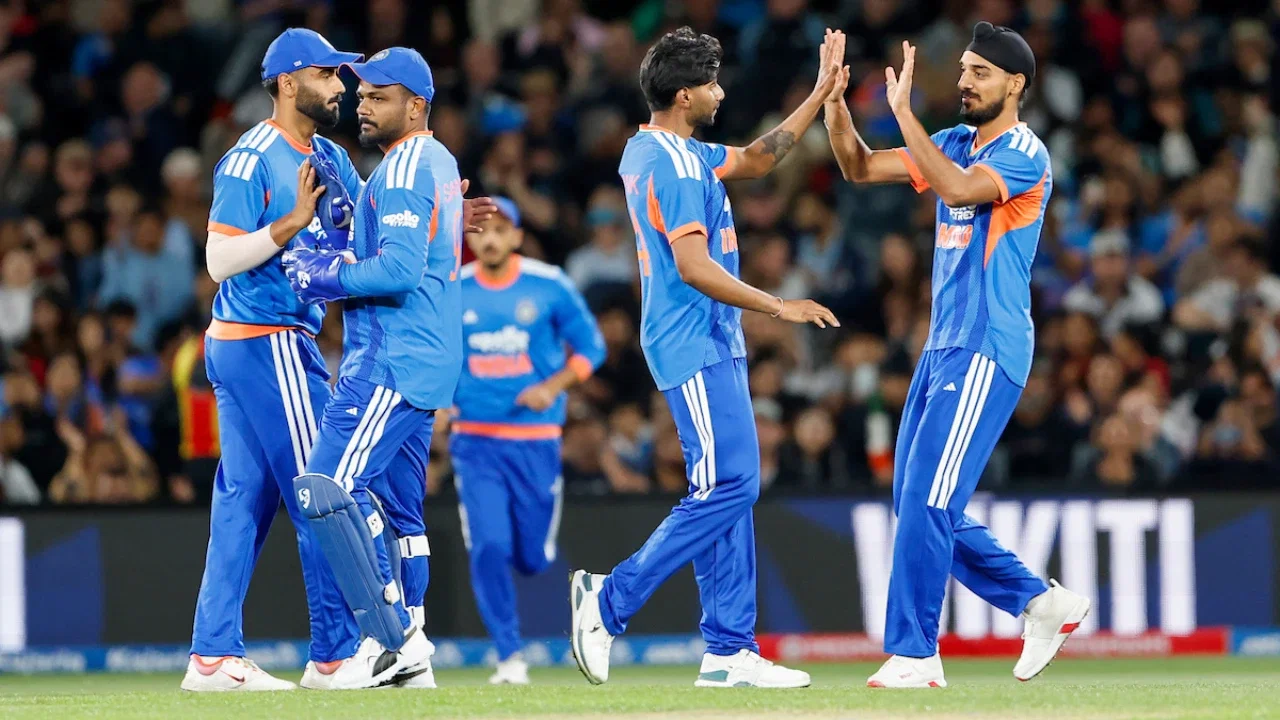
India reached a landmark in men’s international cricket during the second T20I against New Zealand at Hagley Oval, becoming only the second team to play 300 matches in the format. Pakistan remain the only side with more appearances, having featured in 304 men’s T20Is.
The milestone added significance to a contest that already carried plenty of intrigue. India arrived in Christchurch with a 1-0 lead in the five-match series after an extraordinary four-wicket victory in the opening game, where they chased down New Zealand’s imposing total of 225. A win in the second match would not only strengthen India’s series position but also make them the first team to record 200 outright victories in men’s T20Is, excluding games decided by Super Overs.
India’s T20I Record and the 200-Win Prediction
Before the Christchurch fixture, India had played 299 men’s T20Is, recording 199 outright wins, 83 defeats, seven ties and 10 no-results. That record placed them on the verge of another historic achievement: becoming the first side to reach 200 outright wins in the format.
Pakistan lead the all-time appearances list with 304 matches, while India moved into second place at 300. New Zealand sit third with 269 T20Is, followed by the West Indies with 260 and Sri Lanka with 243. South Africa have played 235 matches, England 233, Australia 229, Bangladesh 222 and Zimbabwe 203.
The figures reflect how quickly T20I cricket has grown since the format’s early years. What began as a relatively occasional international contest has become a central part of the cricket calendar, with bilateral series, global tournaments and regular experimentation shaping teams’ strategies. India’s landmark appearance highlights the country’s sustained presence at the top level of the shortest international format.
Toss Decision and Two Changes to India’s Playing XI
India captain Shreyas Iyer won the toss and chose to bowl first at Hagley Oval on Saturday, October 24. Evening dew was a factor in the decision, with a damp outfield potentially making it more difficult for the team bowling later in the match to grip and control the ball. Chasing sides can also benefit when conditions become easier for batting under lights.
India made two changes to their lineup. Vaibhav Sooryavanshi came in for Ishan Kishan, who was unavailable after sustaining a low-grade strain to his right adductor muscle, commonly referred to as a groin injury, during the series opener. Prince Yadav replaced Mayank Yadav in a tactical adjustment.
Iyer said the team had been able to recover after the first match and wanted to carry its positive approach into the next contest. He also stressed the importance of sharp fielding, particularly in the closing stages, when a misplaced field or an extra fielder inside the circle can have a significant effect on a T20 innings.
“We’re going to bowl first. Yes, absolutely. That’s one of the reasons,” Iyer said when asked about the dew. He added that the squad had time to rest and that the players were in decent shape. The captain’s message was clear: India wanted to maintain their aggression while improving the small details that can decide tight matches.
Opening T20I Sets Up Another High-Scoring Contest
The first match offered a dramatic preview of the batting firepower on both sides. New Zealand made 225 for four after being sent in, powered by Glenn Phillips, who struck an unbeaten 82 from 40 deliveries. Finn Allen provided an explosive start with 45 off 24 balls, helping the hosts build a total that would normally put a chasing team under considerable pressure.
India responded with an equally ambitious approach. Sanju Samson scored 67 from 33 balls, while Iyer contributed 42 off 28. Their partnership kept the required rate within reach, but the decisive acceleration came from Naman Dhir. His unbeaten 42 from just 15 deliveries helped India complete the chase with four wickets to spare.
The result demonstrated the value of maintaining scoring options throughout a T20 innings. India absorbed pressure without allowing the asking rate to become unmanageable, then found another gear at the finish. For New Zealand, the defeat offered a reminder that even a total above 220 may not be safe against a batting lineup capable of sustaining an aggressive tempo.
Series Implications and What to Watch
India’s second-match challenge was twofold: extend their advantage in the series and turn their 300th T20I appearance into another milestone victory. The prediction ahead of the contest was shaped by the first game’s high scores, the possibility of dew and the confidence India gained from completing a demanding chase. However, New Zealand’s home conditions and powerful top order meant the hosts remained a serious threat.
For India, the key questions included how the revised lineup would respond to the absence of Kishan and whether the bowling attack could restrict New Zealand before the dew became influential. Fielding discipline was another important factor, especially in the final overs, when boundaries and missed opportunities can quickly alter a match.
New Zealand, meanwhile, had an opportunity to level the five-match series by making better use of their strong start. Their first-innings total showed they could put India under pressure, but the hosts needed to find ways to disrupt the visitors’ chase, whether through early wickets, changes of pace or tighter control in the middle overs.
India’s 300th men’s T20I was therefore more than a statistical landmark. It arrived during a competitive series, with a potential 200th outright win within reach and both teams carrying clear lessons from a remarkable opening encounter. The result would shape the series momentum—and add another chapter to India’s growing history in T20 international cricket.
Latest News

Kieron Pollard named Mumbai Indians head coach after Mahela Jayawardene’s exit
Shan Masood worried about his place in Pakistan’s squad for Sri Lanka Tests
Bhuvneshwar Kumar shares advice with Mohammed Shami on India comeback
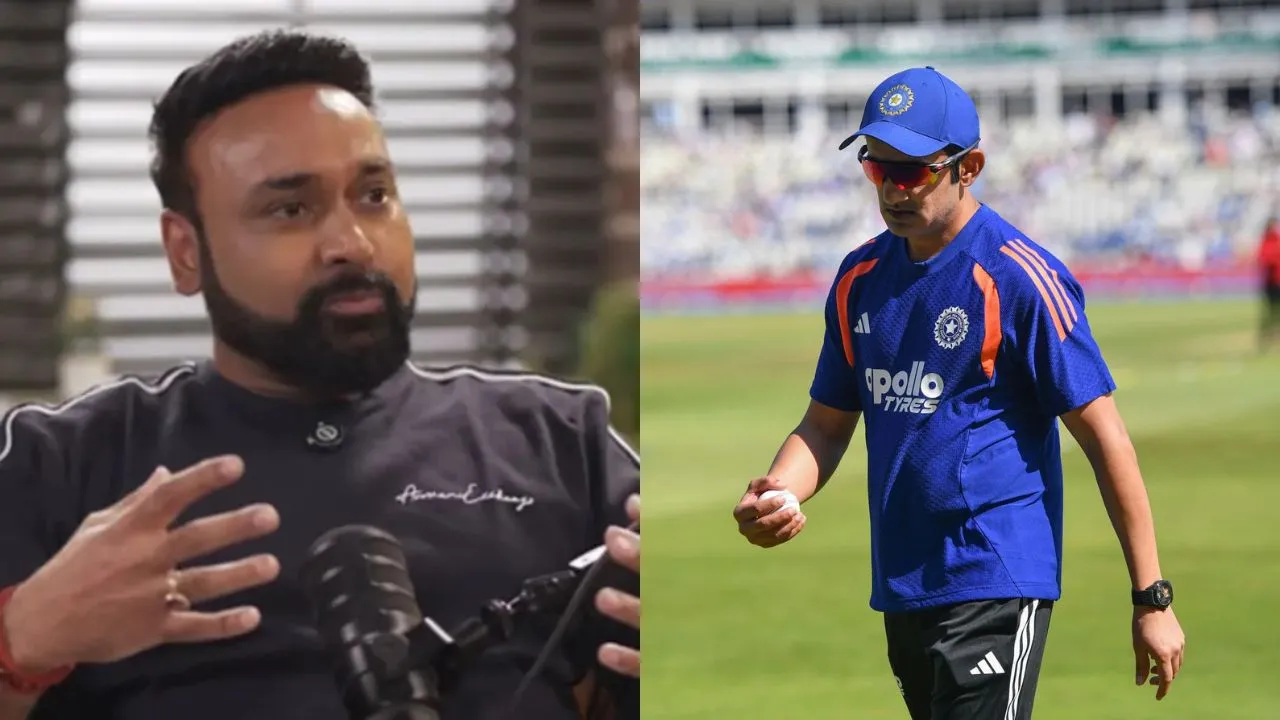
“He told me to shut up”: Amit Mishra reveals on-field fight with Gautam Gambhir during Delhi vs Haryana match
Senior India players refused rest for West Indies T20Is despite BCCI’s request
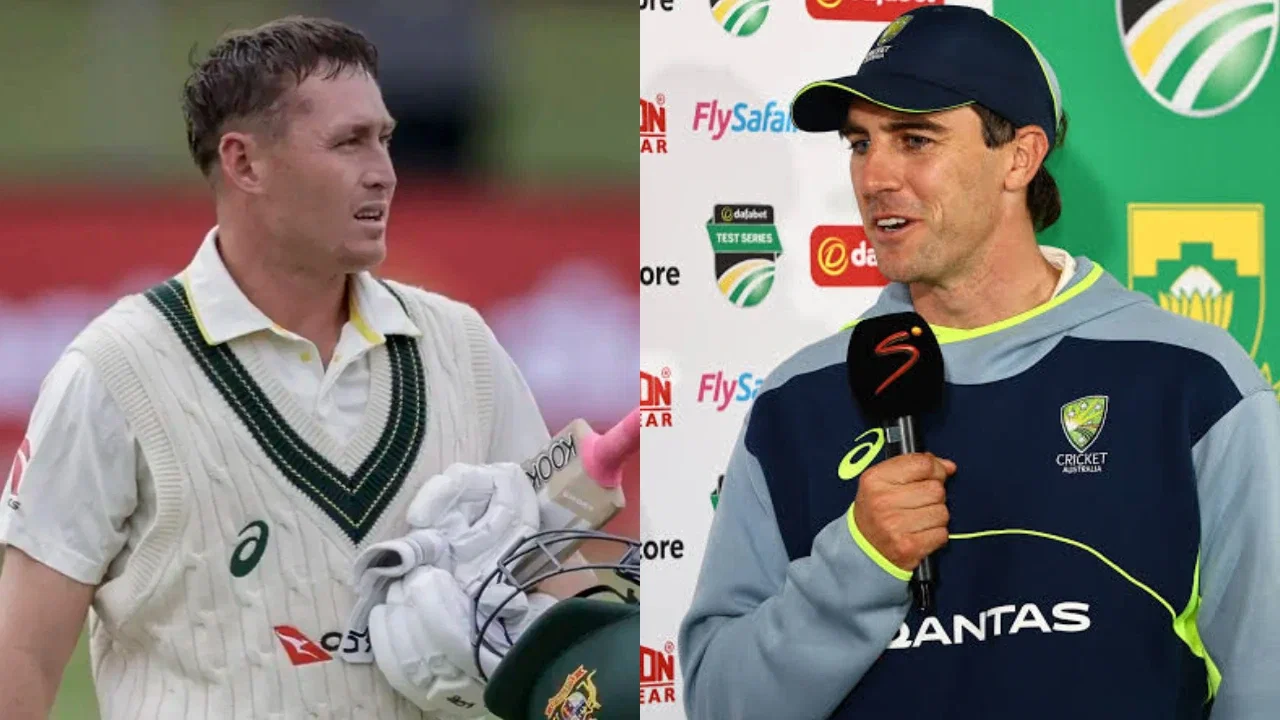
Marnus Labuschagne set to be retained in Australia XI for 3rd South Africa Test
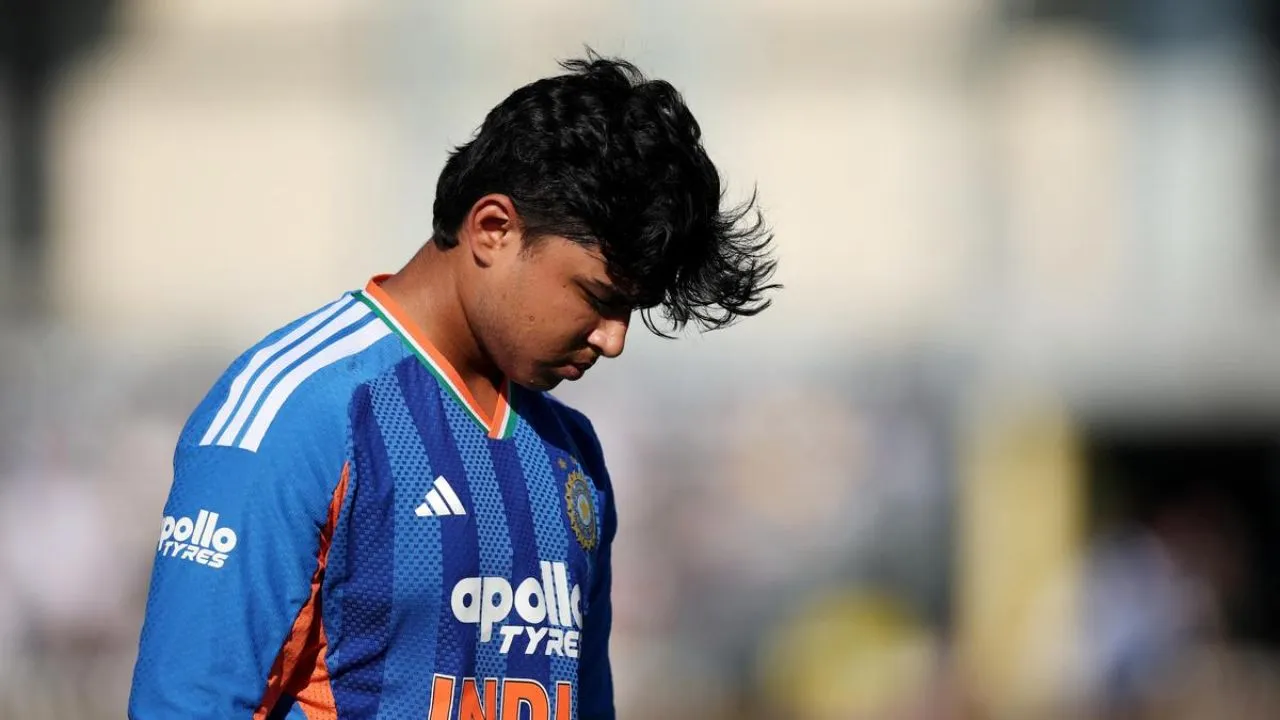
Vaibhav Sooryavanshi denied opening spot on return to India XI vs New Zealand
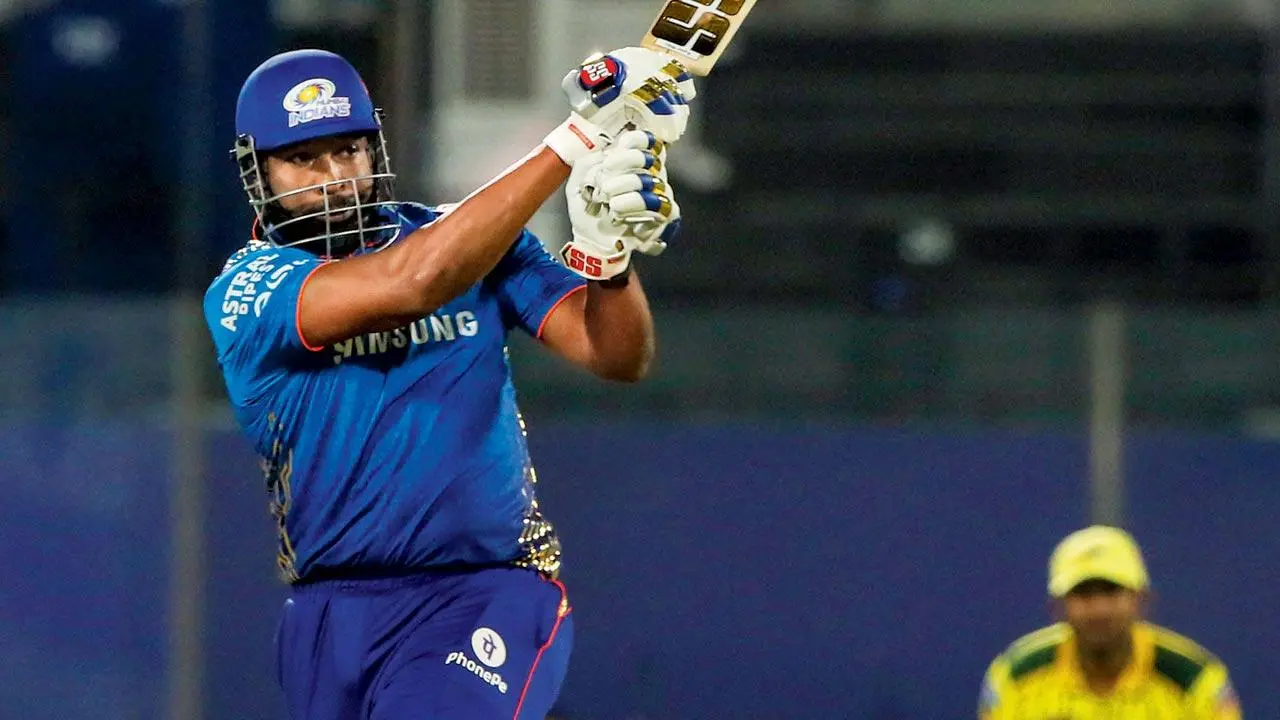
Mumbai Indians coaches list: From Lalchand Rajput to Kieron Pollard (2008 to 2027)
India join Pakistan in exclusive 2-team list with 300th T20I vs New Zealand
KL Rahul, Yashasvi Jaiswal fail as India A bowled out for 113 against New Zealand A
Shreyas Iyer set to surpass Rohit Sharma’s record against New Zealand in 2nd T20I
Hanuma Vihari points out area of concern in Sanju Samson’s batting
Ishan Kishan ruled out of 2nd T20I vs New Zealand GT batter named as replacement
“Daws was probably our best bowler”: Harry Brook explains why Adil Rashid was dropped