Tim Southee says New Zealand are not scared of Jasprit Bumrah

Tim Southee’s Jasprit Bumrah prediction adds intrigue to India–New Zealand Test series
Former New Zealand fast bowler Tim Southee has offered a striking prediction ahead of the upcoming two-Test series between India and New Zealand: he believes the Black Caps have handled Jasprit Bumrah particularly well in Test cricket. His comments place added focus on one of the contest’s most compelling matchups, as India’s premier fast bowler returns to the red-ball squad for a crucial World Test Championship (WTC) campaign.
Bumrah was rested for India’s recent home ODI series against the West Indies but is expected to play a central role in the Tests. His unusual action, sharp pace and ability to create movement make him a threat in any conditions. Yet Southee pointed to a surprising historical detail: India have not beaten New Zealand in a Test match in which Bumrah has played.
Southee highlights New Zealand’s record against Bumrah
Speaking during a virtual interaction with Sony Sports Network, Southee said New Zealand’s batters have performed well against Bumrah in the longest format. The former seamer noted that India have lost all five Tests in which Bumrah has featured against the Black Caps. Bumrah has taken nine wickets across those matches.
“I think New Zealand has played Bumrah incredibly well in Test cricket,” Southee said. “I don’t think Bumrah has played in an Indian team that has beaten New Zealand. So, I think New Zealand plays him exceptionally well in Tests.”
The record is an intriguing talking point, but it does not diminish Bumrah’s standing as one of the world’s leading fast bowlers. Five matches represent a relatively small sample, and a team result depends on far more than the performance of one player. Still, Southee’s observation gives New Zealand a potential source of confidence—and gives India extra motivation to change the pattern.
Why Bumrah remains central to India’s plans
Bumrah’s value lies not only in his wicket-taking ability but also in the pressure he creates. He can attack the stumps, find movement off the pitch and vary his pace without making his intentions easy to read. In a Test match, those qualities can help India break partnerships, control scoring and give the rest of the bowling attack opportunities at the other end.
New Zealand’s recent results against India underline the scale of the challenge. The Black Caps have won six of their last eight Test meetings with India, a run that gives the upcoming series wider significance than a simple two-match contest. For India, the Tests are also important in the pursuit of a place in the 2027 WTC final. Every result could matter as the championship cycle develops.
India, led by Shubman Gill, will therefore be looking to combine Bumrah’s impact with disciplined support from the rest of the attack. If the hosts can take early wickets and keep New Zealand’s top order under pressure, they may have a chance to turn the historical trend around.
Southee backs Mohammed Siraj to thrive in New Zealand
Southee also singled out Mohammed Siraj as a bowler who could make a significant contribution. He praised the Indian quick’s energy, aggression and willingness to keep running in throughout a long day of Test cricket. In Southee’s view, Siraj’s success in New Zealand may depend on consistently finding the right line and length.
“I’m a big fan of Mohammed Siraj and the way he bowls,” Southee said. “If he can get his length right in New Zealand, he could be a handful. The energy he brings, the way he runs all day, and the type of bowler he is—there’s no reason why he can’t have a lot of success in New Zealand conditions.”
That assessment points to a key tactical question for India. Siraj’s natural intensity can be a major asset, but conditions abroad often reward patience as much as aggression. Bowling a probing length for extended spells can bring movement into play and force batters to make decisions outside their comfort zone. If Siraj can marry his attacking instincts with that control, he could complement Bumrah effectively.
Siraj’s role may become even more important if India’s fast-bowling resources are affected by injury or workload management. Mohammed Shami, meanwhile, has been the subject of renewed discussion about a possible India return, but an injury has kept him out of a Ranji Trophy match. His availability and fitness will remain points of interest as India assess their options.
A demanding schedule before the Test series
The two-Test series is part of a busy India–New Zealand schedule. Before the red-ball matches, the teams are set to contest a five-match T20I series beginning on October 22, followed by a five-match ODI series starting on November 4. The Tests are scheduled to begin on November 19.
The packed calendar means both teams will need to manage player workloads carefully. For India, keeping key fast bowlers fresh will be especially important, given the demands placed on them across formats. The T20Is and ODIs may offer different tactical challenges, but the Test series will test patience, fitness and adaptability over several days.
What to watch when the Tests begin
The contest between Bumrah and New Zealand’s batters is likely to attract the most attention, particularly after Southee’s comments. India will want Bumrah to challenge the Black Caps with pace and precision, while New Zealand will look to draw on its past success and avoid allowing him to dictate the tempo.
Siraj’s ability to maintain a disciplined length will be another important factor. If he can sustain pressure from the other end, India may be better placed to turn Bumrah’s spells into match-changing opportunities. The performances of India’s supporting bowlers, the teams’ handling of workloads and the batters’ responses to movement could all shape the outcome.
Southee’s prediction is therefore less a dismissal of Bumrah than a reminder that New Zealand have previously found ways to compete against him in Tests. India will have the chance to rewrite that record, strengthen their WTC Final ambitions and demonstrate that past results do not have to dictate future ones.
Latest News
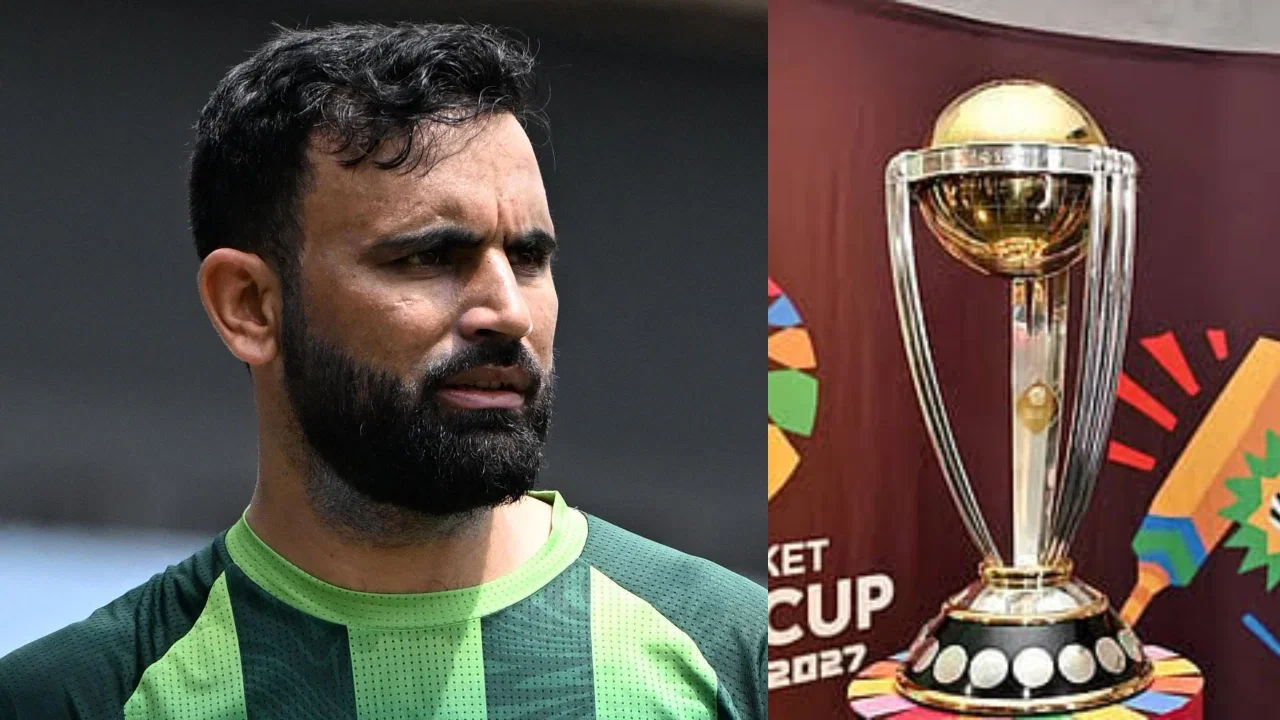
Fakhar Zaman admits extreme pressure on Pakistan to end ICC trophy drought
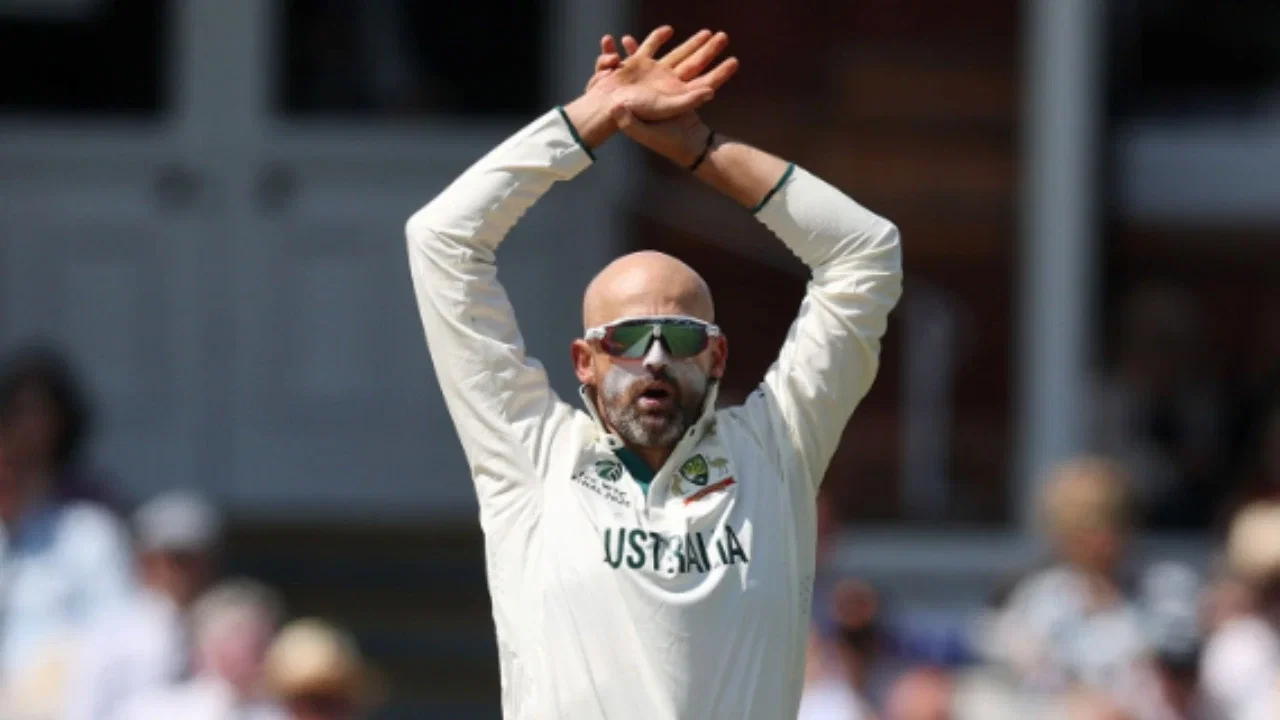
Australia drop Nathan Lyon vs South Africa, marking third omission in 14 months
Tim Southee says New Zealand are not scared of Jasprit Bumrah

Ravichandran Ashwin fears the worst for Kuldeep Yadav under Gautam Gambhir

Abhishek Sharma snubbed as Abhinav Mukund names India’s top 3 all-time T20I batters

Sunil Gavaskar says Hardik Pandya is irreplaceable, urges India to build different combination
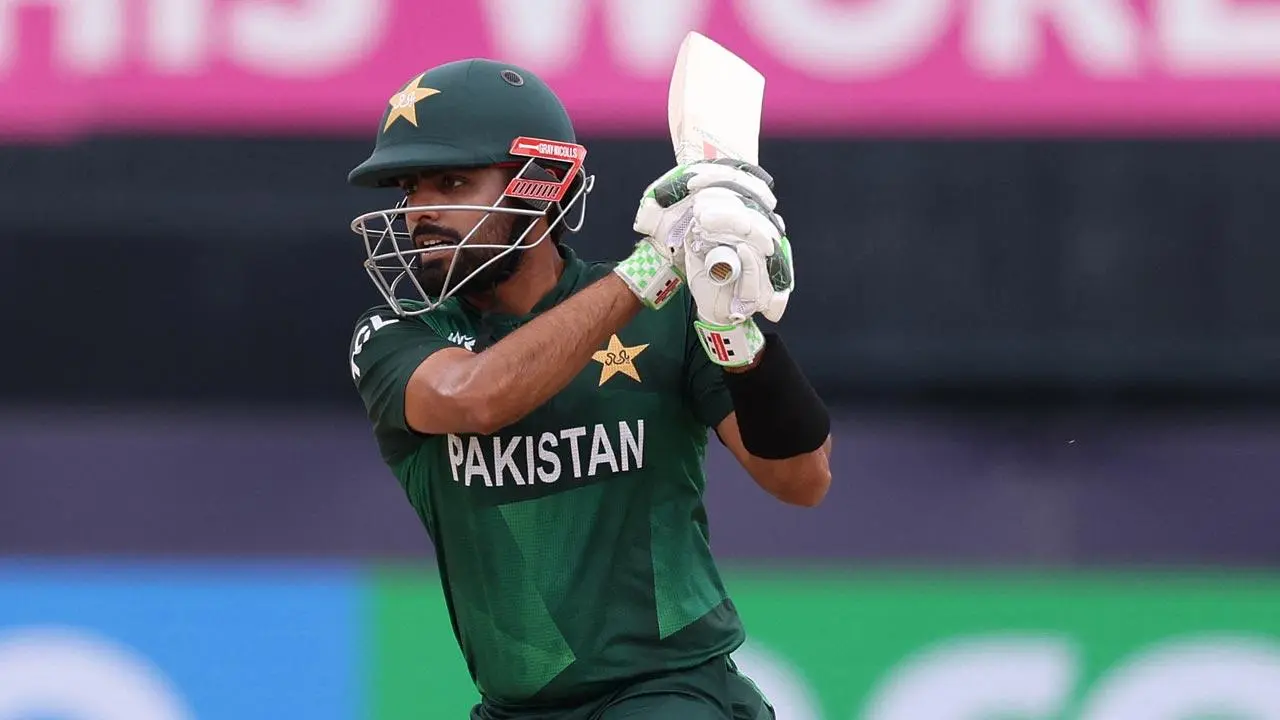
Babar Azam reaches 16,000 international runs during Pakistan vs Sri Lanka 1st ODI

South Africa vs Australia 2nd Test creates 100-year record with 19 players aged 30 or above
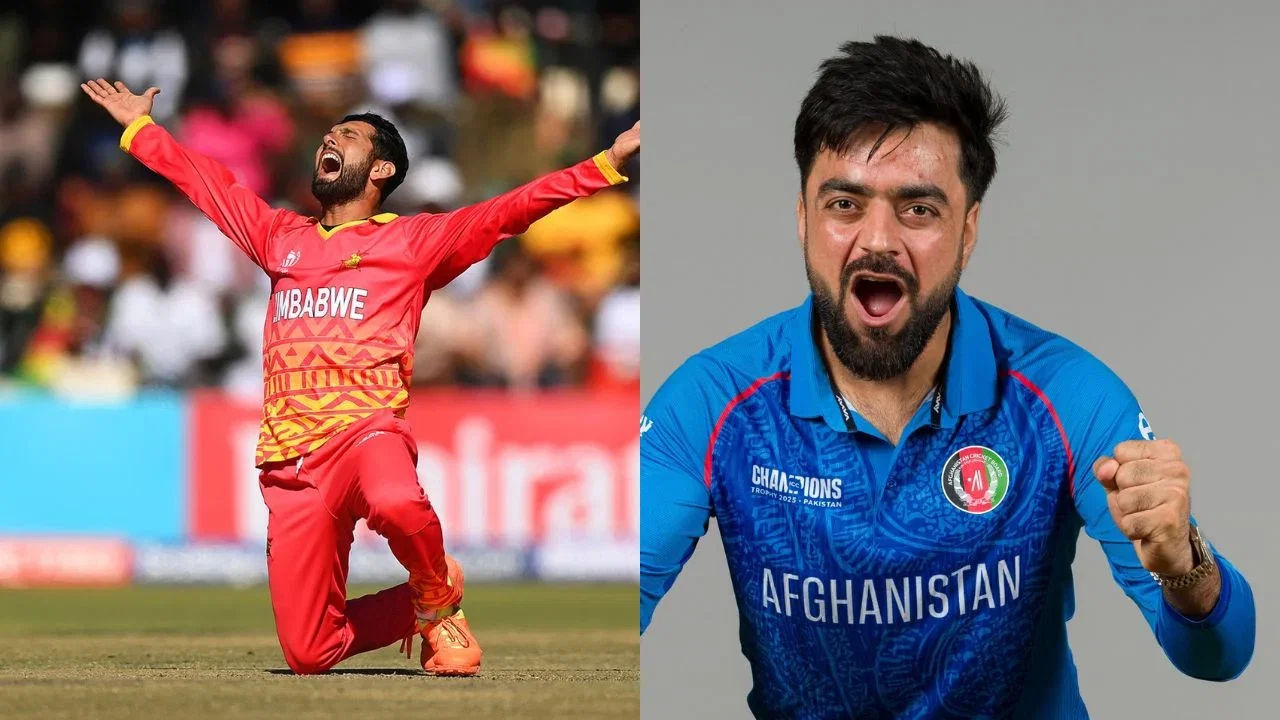
AFG vs ZIM Playing 11 Today, Live Streaming, Pitch & Weather: Afghanistan vs Zimbabwe 2nd ODI, Tri-Series 2026
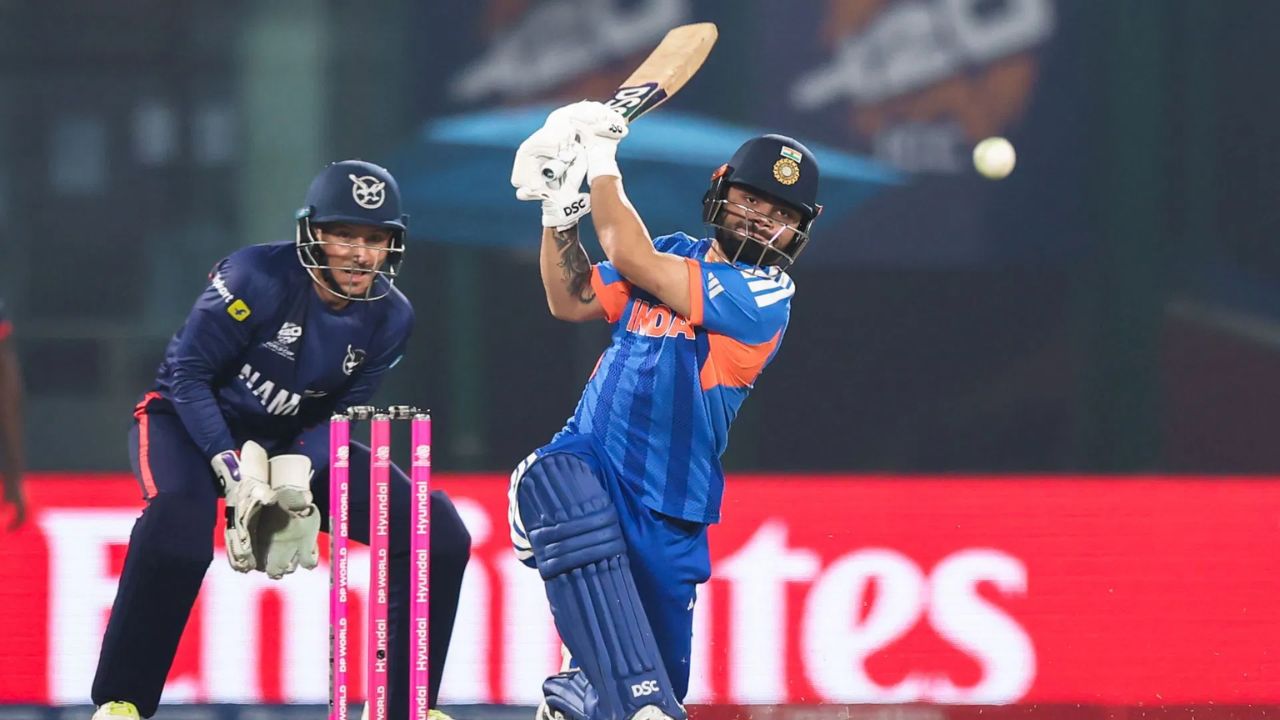
Rinku Singh makes strong case for India comeback with back-to-back Ranji Trophy centuries
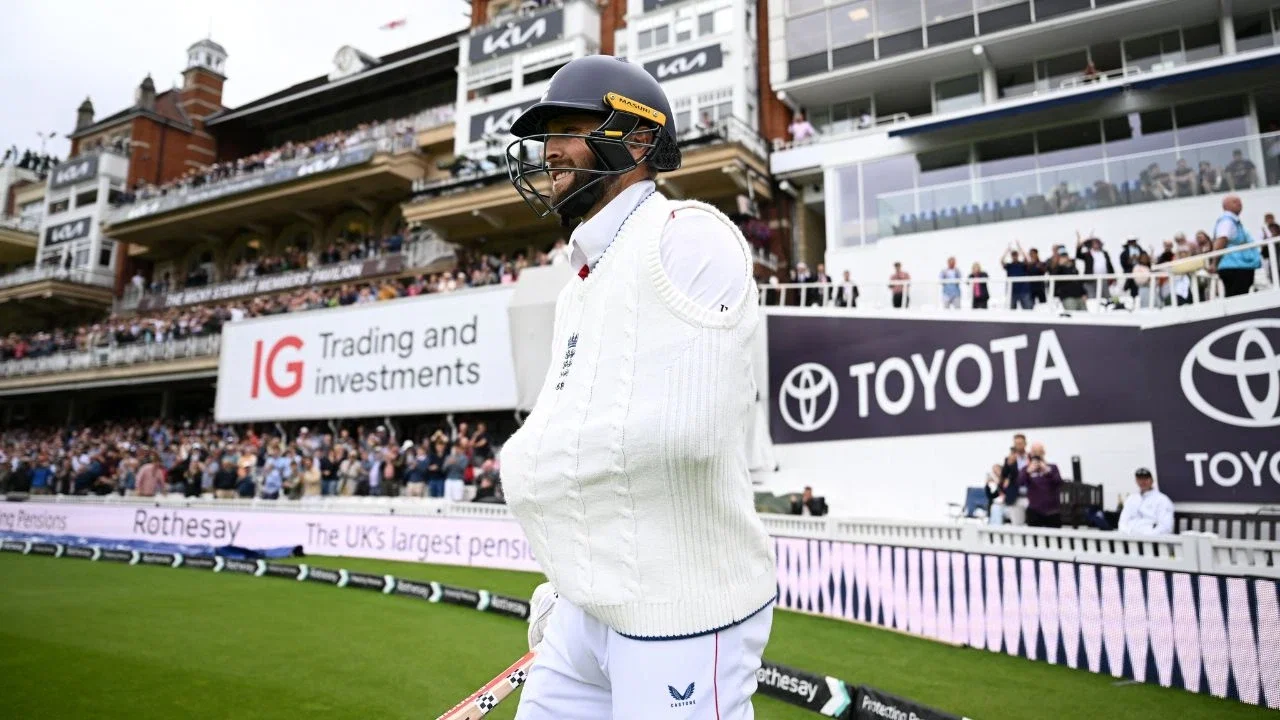
Chris Woakes reveals how Rob Key hurt him before retirement
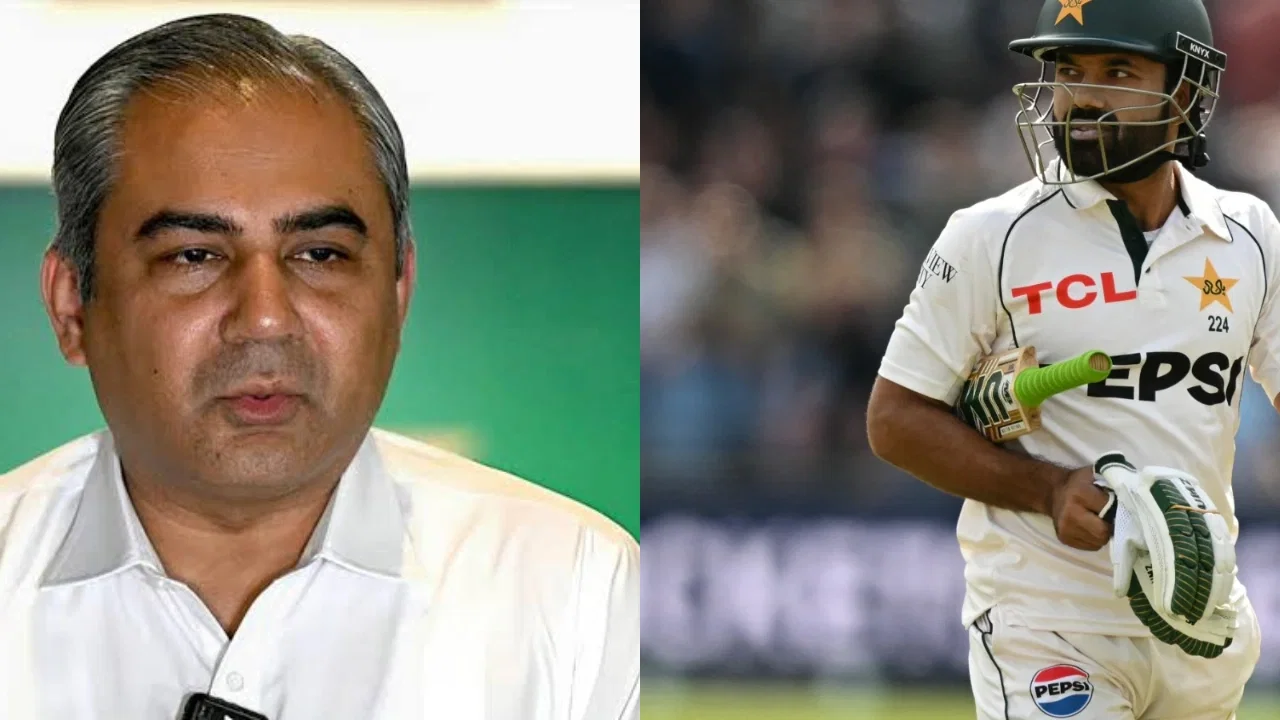
Mohammad Rizwan gets PCB clearance to return to domestic cricket amid betting probe
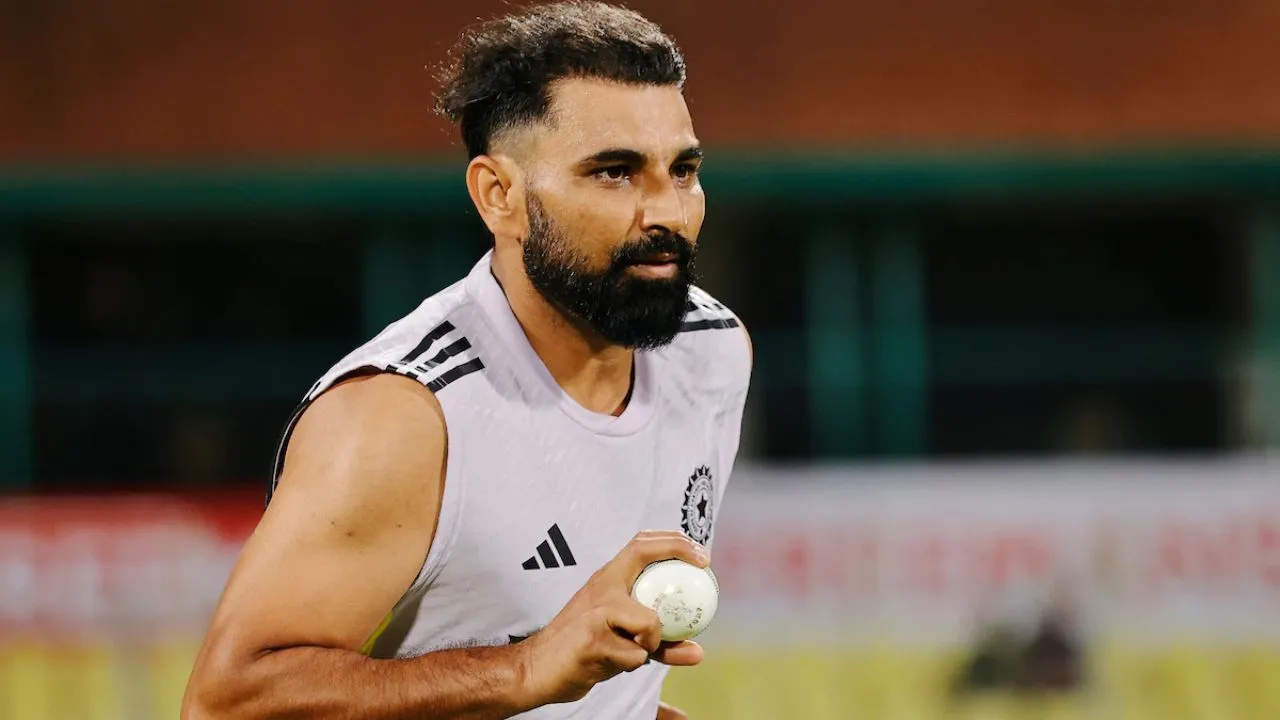
Mohammed Shami suffers injury amid India comeback talks, misses Ranji match
Shoaib Akhtar warns Babar Azam could be dropped from Pakistan’s ODI team