Fakhar Zaman admits extreme pressure on Pakistan to end ICC trophy drought
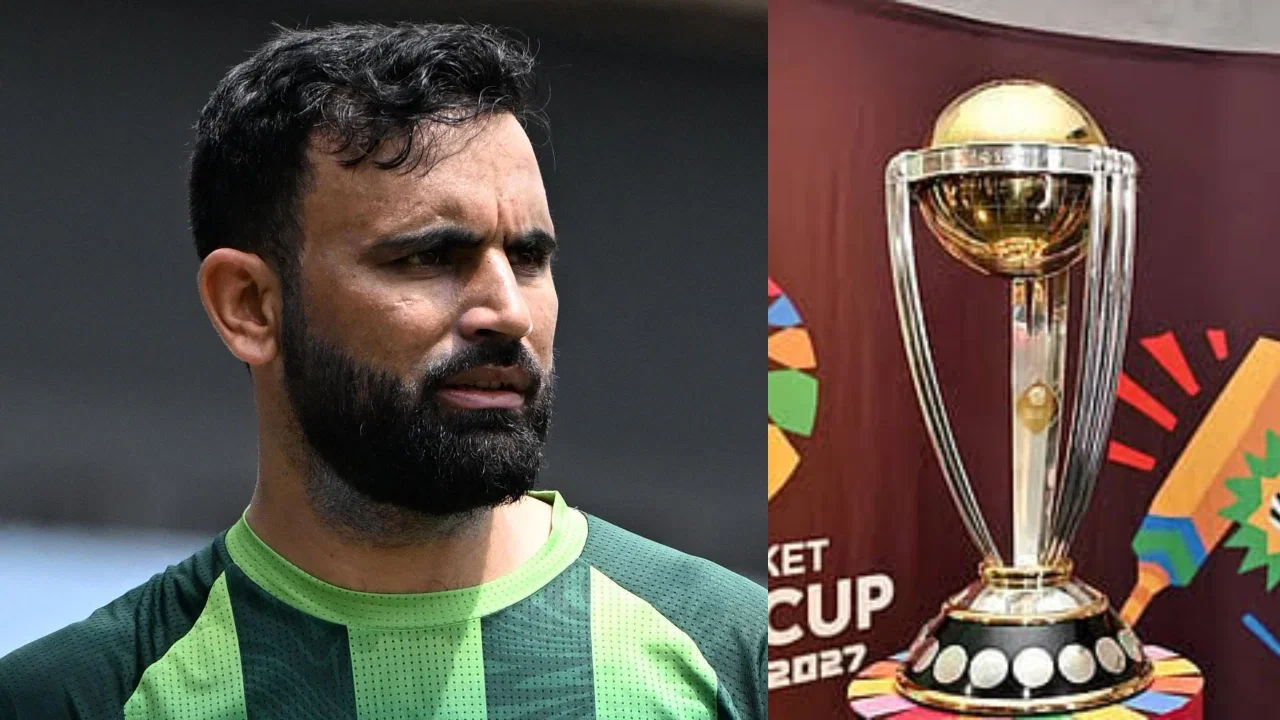
Fakhar Zaman Says Pakistan Must Build for 2027 ODI World Cup as Pressure Mounts
Pakistan’s road to the 2027 ODI World Cup is beginning with plenty to prove. As the team prepares to meet Sri Lanka in the opening match of a tri-nation one-day international series in Rawalpindi, batter Fakhar Zaman has acknowledged the pressure on the squad to deliver a major ICC trophy—and stressed that preparation must start well before the tournament itself.
The series, featuring Pakistan, Sri Lanka and England, offers each side a valuable opportunity to assess players, combinations and match strategies in competitive conditions. For Pakistan, it also arrives after a difficult period in international cricket, including a Test series whitewash in England. Zaman believes the setbacks do not define the team’s prospects, but says consistent performances will be essential if Pakistan are to rebuild confidence and become genuine contenders.
Fakhar Zaman acknowledges pressure to end Pakistan’s trophy drought
Pakistan have not won an ICC tournament since the 2017 Champions Trophy, and Zaman said the players understand the expectations that come with representing a cricket-mad nation. He noted that the squad has discussed the challenge of ending the country’s long wait for another major international title.
“There is pressure on us as a team to deliver an ICC trophy, and we have had extensive discussions about ending the country’s wait for a major international trophy,” Zaman said, according to PTI.
The batter also recognised the disappointment many supporters feel when the team falls short. In Pakistan, public backing can be intense, and results often shape the mood around the side. Zaman said that support tends to grow when players perform well, while poor results naturally bring frustration.
His comments reflect a broader challenge for Pakistan: turning the expectations surrounding the team into a source of motivation rather than a burden. A strong run of results in the tri-series could provide an early confidence boost, but the team will need to show that it can sustain its standards across different opponents and match situations.
Pakistan’s 2027 World Cup prediction depends on finding the right combination
Asked about Pakistan’s prospects at the 2027 ODI World Cup, Zaman said the team is taking the tournament seriously and wants to begin building towards it now. His central message was that Pakistan need to identify a balanced, settled combination well in advance rather than rely on last-minute changes.
“We are taking it very seriously. We will do our best to bring the World Cup trophy back to Pakistan,” he said. “The idea is to start building a perfect combination for the World Cup from now.”
That approach is particularly important in ODI cricket, where teams must balance their batting depth, bowling options and fielding strengths over 50 overs. A reliable core can help players understand their roles, while giving selectors time to evaluate alternatives and address weaknesses. For Pakistan, the tri-series can serve as an early testing ground for those decisions—not as a final verdict on the team’s World Cup chances.
Any prediction about Pakistan’s 2027 campaign remains premature. The tournament is still some distance away, and form, fitness, selection and conditions will all influence the eventual picture. However, Zaman’s emphasis on planning suggests that the team is aware that a successful World Cup campaign is built through preparation, not simply expectation.
Why domestic cricket could help Pakistan’s ODI preparation
Zaman also pointed to the value of domestic cricket, saying that many players are entering the tri-series after playing in the domestic season. He believes that experience in longer formats can make the transition to 50-over cricket more natural than moving directly from T20 cricket into ODIs.
“When you play 50-over cricket after First-Class, it is much easier to adapt, but going from T20 to ODIs is never easy,” he said, adding that the players are in good touch after their recent domestic commitments.
The distinction matters because ODI cricket demands a particular rhythm. Batters may need to manage the innings through changing phases, while bowlers must combine control with the ability to take wickets. First-Class cricket can help develop patience, decision-making and the ability to build an innings—skills that can prove useful in the longer format, even though ODI cricket has its own tactical demands.
Domestic competitions also give selectors a chance to assess players in sustained match conditions. That can help identify who is ready for international responsibilities and which combinations are most effective. For Pakistan, translating that domestic form into consistent ODI performances will be a key measure of progress.
Tri-nation series offers an early test for all three teams
The Rawalpindi opener against Sri Lanka begins a series that carries value beyond the immediate results. Pakistan, Sri Lanka and England can use the fixtures to test their squads, give players opportunities and refine plans ahead of future international commitments. For the hosts, the matches offer a chance to respond to recent criticism with disciplined cricket and clearer roles.
Pakistan’s challenge will be to combine individual talent with dependable team performances. A promising start could strengthen belief, but the side will also need to handle pressure when matches become tight. That includes making smart decisions with the bat, maintaining control during the middle overs and executing plans at the end of an innings.
Zaman’s remarks underline the scale of the task facing Pakistan, while also pointing to a practical route forward: use domestic cricket as preparation, develop a settled combination and build momentum through regular performances. The tri-series will not decide Pakistan’s 2027 World Cup fate, but it can offer an early indication of whether the team is moving in the right direction.
For supporters, the prediction is still uncertain. Pakistan have the talent and history to compete at the highest level, but a return to the top will depend on consistency over time. If the players can turn their discussions into results, the 2027 ODI World Cup may feel less like a distant ambition and more like a realistic target.
Latest News
Fakhar Zaman admits extreme pressure on Pakistan to end ICC trophy drought
Australia drop Nathan Lyon vs South Africa, marking third omission in 14 months
Tim Southee says New Zealand are not scared of Jasprit Bumrah
Ravichandran Ashwin fears the worst for Kuldeep Yadav under Gautam Gambhir
Abhishek Sharma snubbed as Abhinav Mukund names India’s top 3 all-time T20I batters
Sunil Gavaskar says Hardik Pandya is irreplaceable, urges India to build different combination
Babar Azam reaches 16,000 international runs during Pakistan vs Sri Lanka 1st ODI

South Africa vs Australia 2nd Test creates 100-year record with 19 players aged 30 or above
AFG vs ZIM Playing 11 Today, Live Streaming, Pitch & Weather: Afghanistan vs Zimbabwe 2nd ODI, Tri-Series 2026
Rinku Singh makes strong case for India comeback with back-to-back Ranji Trophy centuries
Chris Woakes reveals how Rob Key hurt him before retirement
Mohammad Rizwan gets PCB clearance to return to domestic cricket amid betting probe
Mohammed Shami suffers injury amid India comeback talks, misses Ranji match
Shoaib Akhtar warns Babar Azam could be dropped from Pakistan’s ODI team