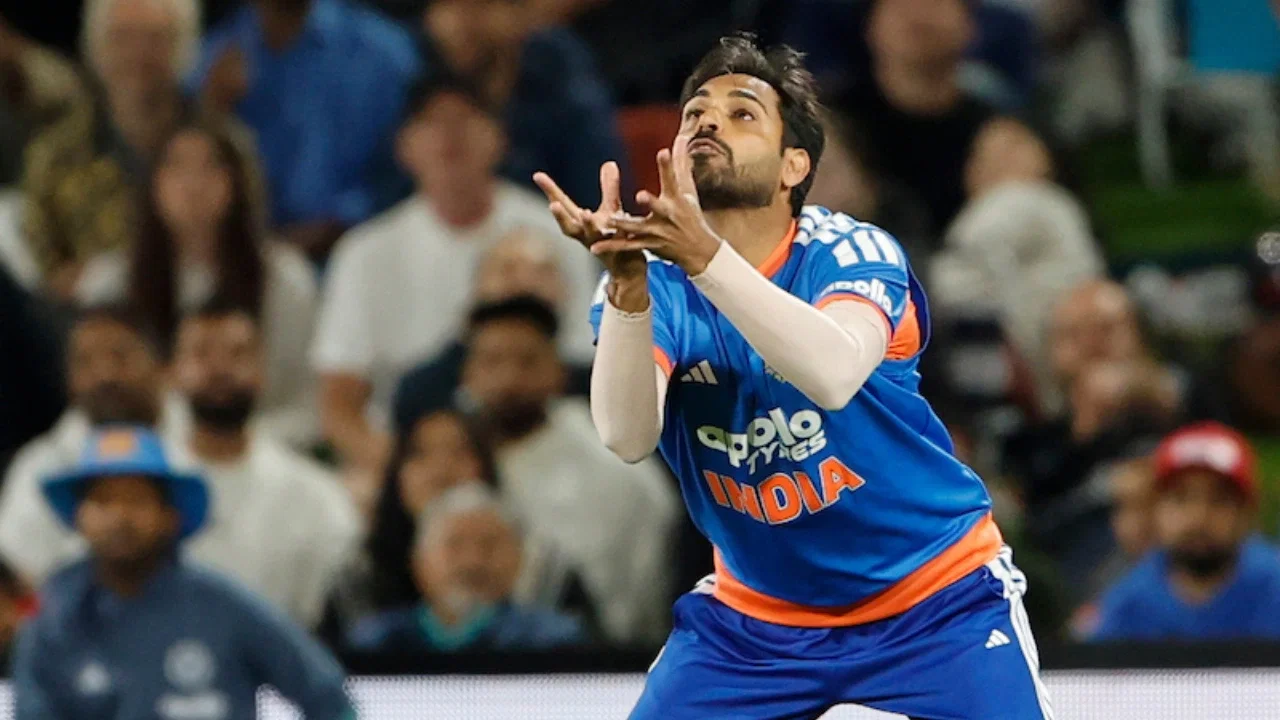
Watch: Nitish Kumar Reddy suffers brain-fade, embarrasses himself with catch celebration off free-hit vs NZ
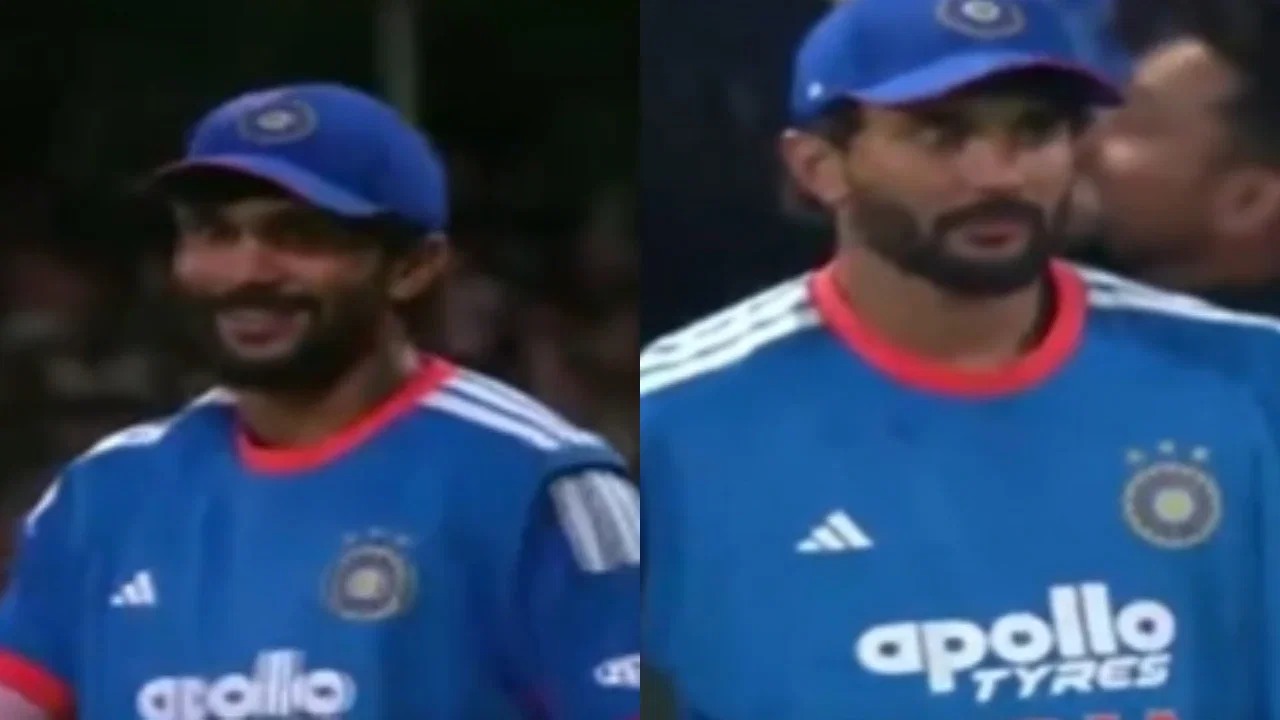
Nitish Kumar Reddy’s Free-Hit Catch Celebration Turns Into Viral Moment in India vs New Zealand T20I
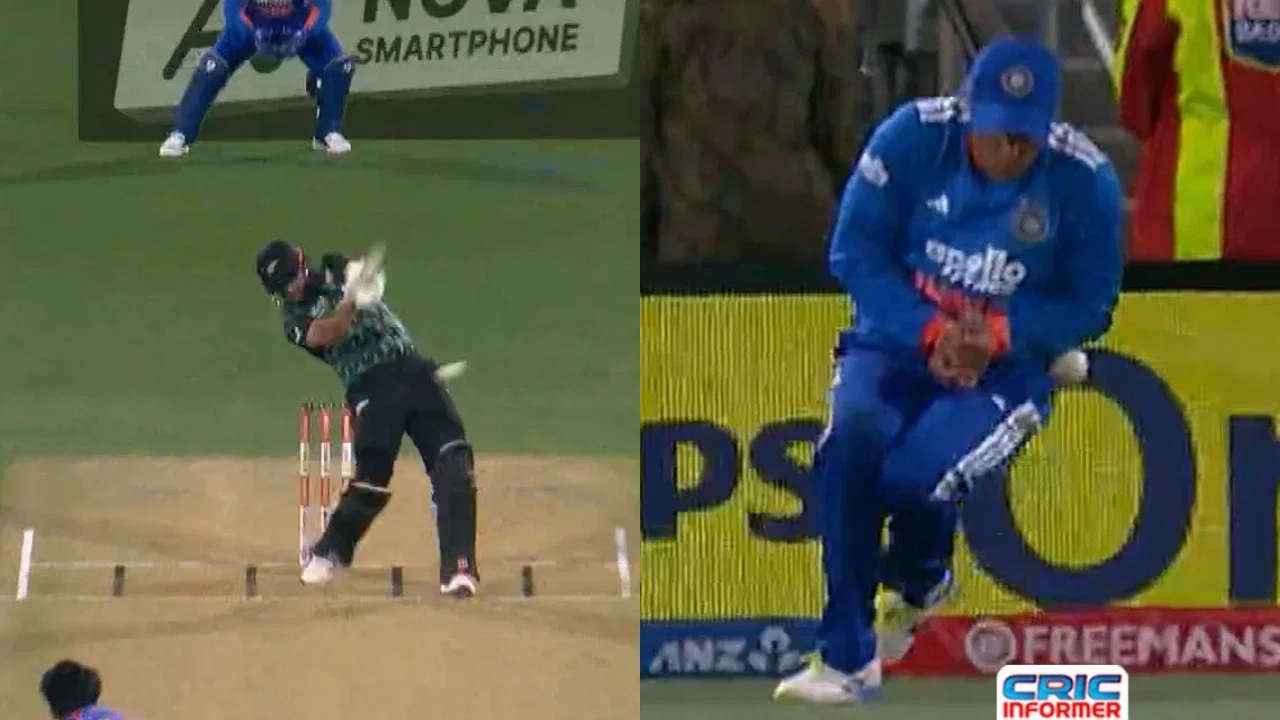
India all-rounder Nitish Kumar Reddy had an awkward moment in the opening T20I against New Zealand after celebrating a catch that could not result in a dismissal. The incident came during the hosts’ explosive innings at Hagley Oval in Christchurch on October 22, when Reddy briefly appeared to have removed Bevon Jacobs—only to realize the batter was protected by a free hit.
The mix-up quickly caught the attention of viewers, with clips of Reddy’s reaction circulating online. While the moment added an unexpected comic twist to a demanding evening for India, it also highlighted how quickly the rules of T20 cricket can change the meaning of a seemingly decisive play.
Why Nitish Kumar Reddy’s Catch Did Not Count
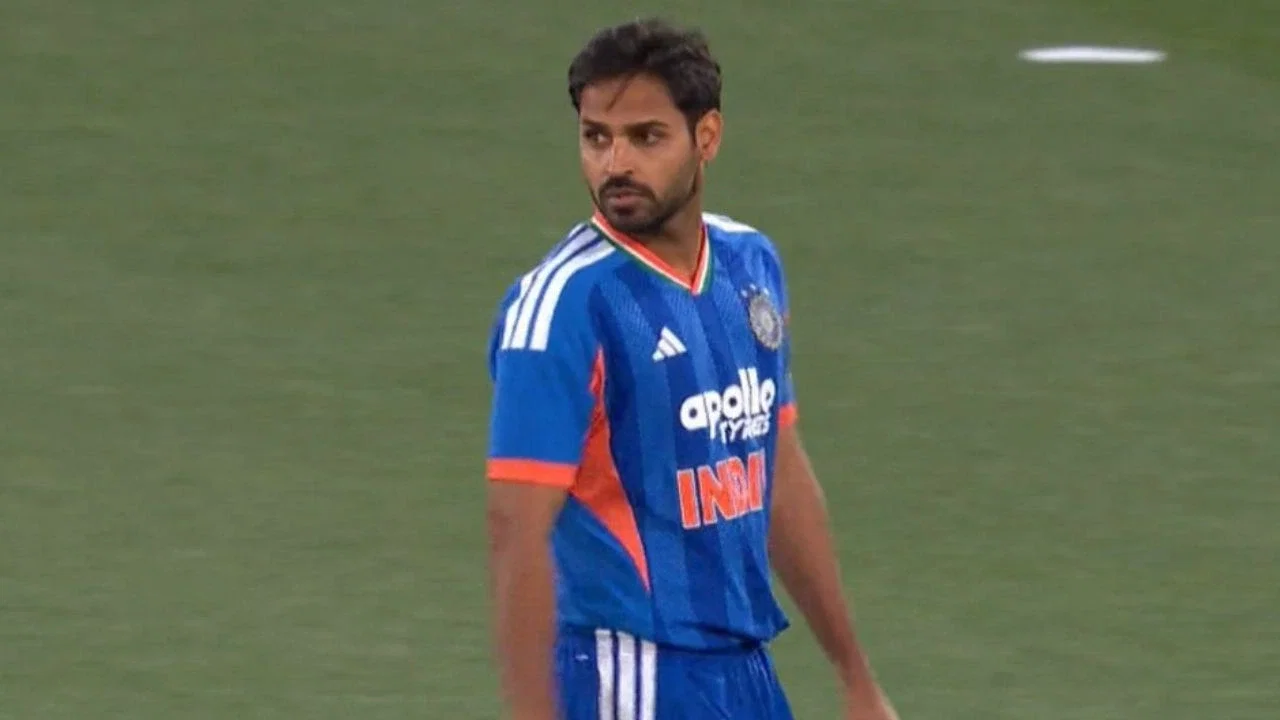
The incident unfolded in the 16th over, bowled by Bhuvneshwar Kumar. After delivering a second short ball in the over, Bhuvneshwar was called for a no-ball. Under the playing conditions, that call meant the next delivery was a free hit, giving Jacobs protection from most forms of dismissal.
Jacobs launched the following ball towards long-on, where Reddy completed a clean catch. The Indian all-rounder initially celebrated, smiling as he moved with the ball in hand. He then realized the delivery was a free hit and that Jacobs could not be given out caught. Reddy’s expression changed, and he appeared to cover his face as the New Zealand batter remained at the crease.
India captain Shreyas Iyer, meanwhile, watched the sequence with a serious expression. The catch was technically well taken, but the free-hit rule meant it could not end Jacobs’ innings. In this situation, a batter can generally be dismissed only through limited methods, such as a run-out, rather than by being caught.
The moment became a talking point on social media, where fans shared the clip and debated the pressure and split-second decisions involved in fielding. For Reddy, the incident was an uncomfortable reminder that awareness of the match situation is just as important as athletic execution.
Arshdeep Singh Uses Quick Thinking to Run Out Jacobs
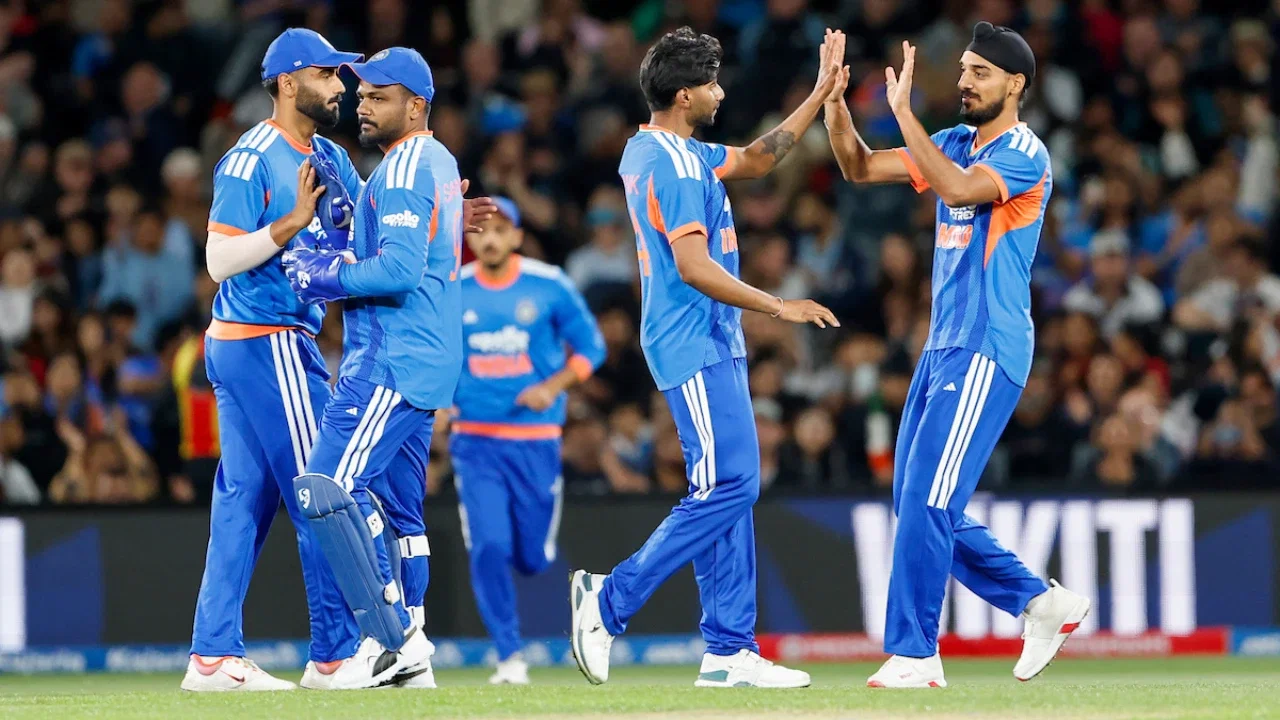
Jacobs did not remain in the middle for much longer. In the 18th over, Arshdeep Singh produced a sharp piece of improvisation to help India secure the wicket. Glenn Phillips played a yorker onto his feet, and Jacobs immediately set off for a quick single.
Arshdeep reached the ball first and, rather than gathering it and making a conventional throw, used his foot to direct it towards the stumps. The ball struck the wicket while Jacobs was scrambling back. His bat was lifted off the ground as he attempted to make his crease, leaving the third umpire to confirm the run-out after reviewing the replay.
Jacobs departed for a brisk 31 from 16 deliveries, striking three sixes. His dismissal was a notable example of fielding awareness in a format where a single moment of hesitation—or a quick, unconventional response—can change the course of an over. It also provided India with a breakthrough after the free-hit episode had allowed Jacobs to continue.
Reddy Returns After Illness as India Seek Balance
The Christchurch match marked Reddy’s return to India’s playing XI after illness kept him out of the fifth and final T20I against the West Indies. He recovered under the supervision of the BCCI Centre of Excellence before being selected for the series opener against New Zealand.
His bowling figures were expensive: four overs, 40 runs conceded and no wickets, at an economy rate of 10.00. However, the numbers did not tell the whole story. Reddy’s 15th over passed without a boundary, briefly slowing New Zealand’s momentum at a stage when the hosts were looking to accelerate.
That contribution offered India a small pause in an otherwise challenging innings. New Zealand finished on 225 for four from their 20 overs, establishing a formidable target and putting pressure on India’s top and middle order.
New Zealand Set a Major Chase for India
India’s pursuit became more demanding after the side lost four wickets. With 74 runs still required from 41 balls, the visitors needed a strong finish and meaningful contributions from the batters still at the crease. Reddy was expected to come in at number seven, giving India another lower-order option with both batting and bowling ability.
The match also featured an early highlight for India when Abhishek Sharma struck a six from the first ball he faced, creating a memorable moment in the contest. But New Zealand’s substantial total ensured that India had little room for error as the chase progressed.
What the Incident Means for the Series
Reddy’s free-hit celebration is likely to be remembered as one of the opening game’s most shareable moments, but the broader story is the pressure created by New Zealand’s aggressive batting. The hosts combined power hitting with quick running, while India had to manage a steep target and search for breakthroughs during the middle overs.
For fans looking ahead, the opening T20I offers plenty of clues for the series prediction: New Zealand’s ability to build a large total makes them dangerous, while India’s depth and individual match-winners could still turn close contests around. Reddy’s return gives India a useful all-round option, though his performance with both bat and ball will be closely watched in the matches ahead.
The Christchurch incident was ultimately a brief lapse in a fast-moving game, not a defining verdict on Reddy’s ability. His response, his role in India’s plans and the team’s adjustments after conceding 225 will be more significant as the five-match series continues.
Latest News
Watch: Nitish Kumar Reddy suffers brain-fade, embarrasses himself with catch celebration off free-hit vs NZ
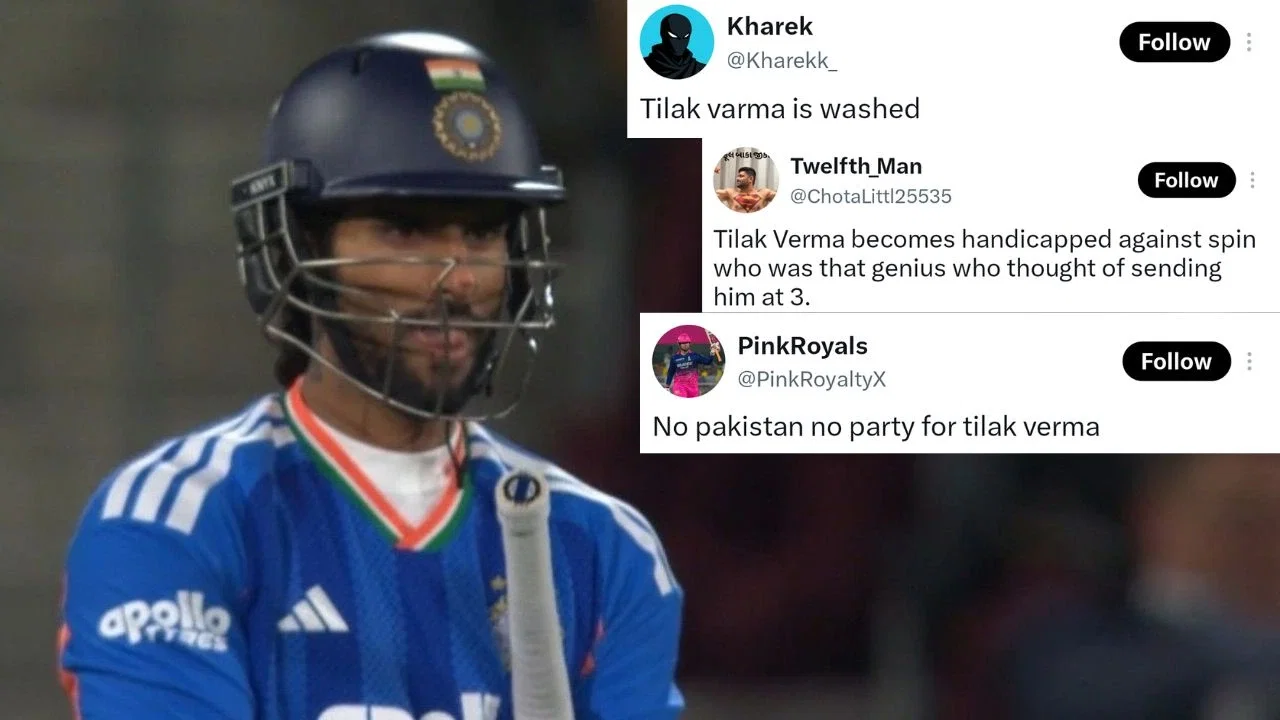
Tilak Varma labelled “fraud” as angry fans bash him for “one of the worst T20 knocks” in 1st NZ T20I
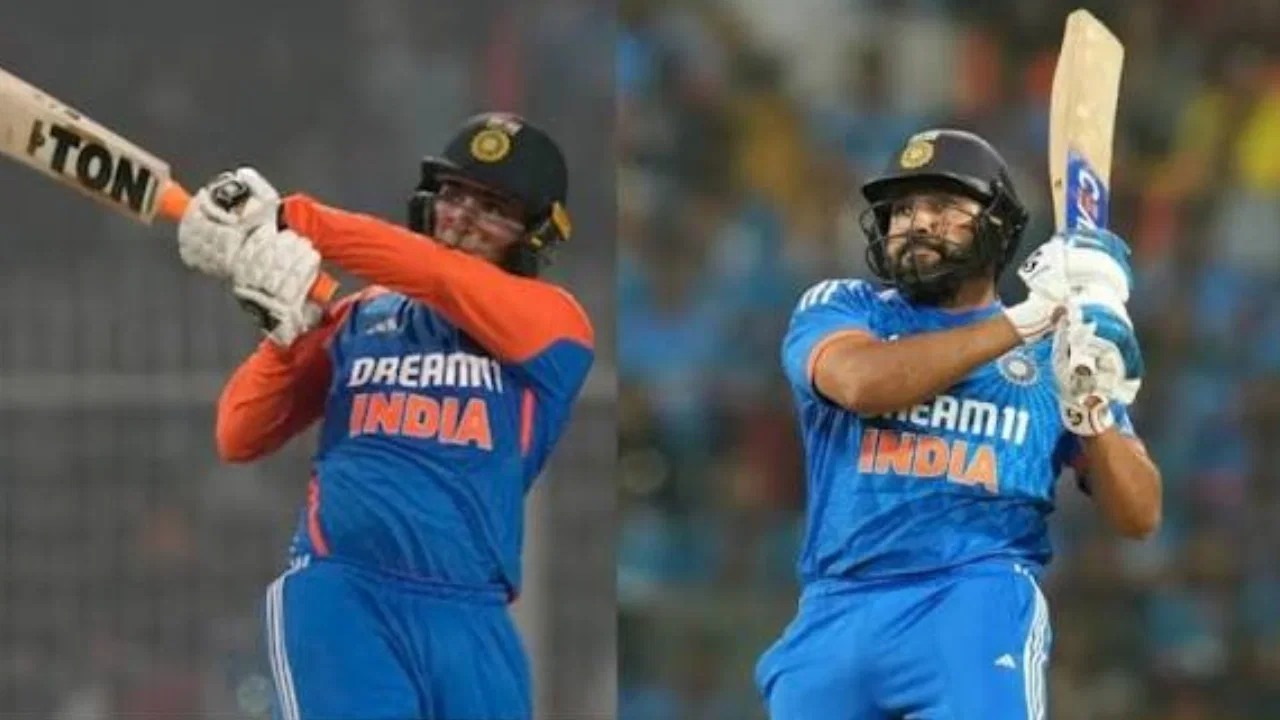
Abhishek Sharma breaks Rohit Sharma’s six-hitting record to go No. 1
Bangladesh spinner Aliss Al Islam reported for suspect bowling action after ODI debut
Joe Root scripts history with 8,000 ODI runs, joins elite international club
“Know exactly what they’re doing”: Shreyas Iyer praises India’s batters after record chase against New Zealand
Harry Brook scripts history, surpasses Shubman Gill with record-breaking double century
India’s highest T20I run-chases: Top 5 successful pursuits
“I like batting with him”: Sanju Samson explains his understanding with Abhishek Sharma after winning POTM
India bowlers create unwanted record against New Zealand in 1st T20I
Bhuvneshwar Kumar breaks 89-match streak with first T20I no-ball against New Zealand
Bhuvneshwar Kumar sets world record on India comeback, surpasses Tim Southee
Watch: Abhishek Sharma turns Babar Azam, drops a dolly in 1st T20I vs New Zealand
Full list of Indian cricketers with 100 T20I matches, ft Arshdeep Singh, Virat Kohli