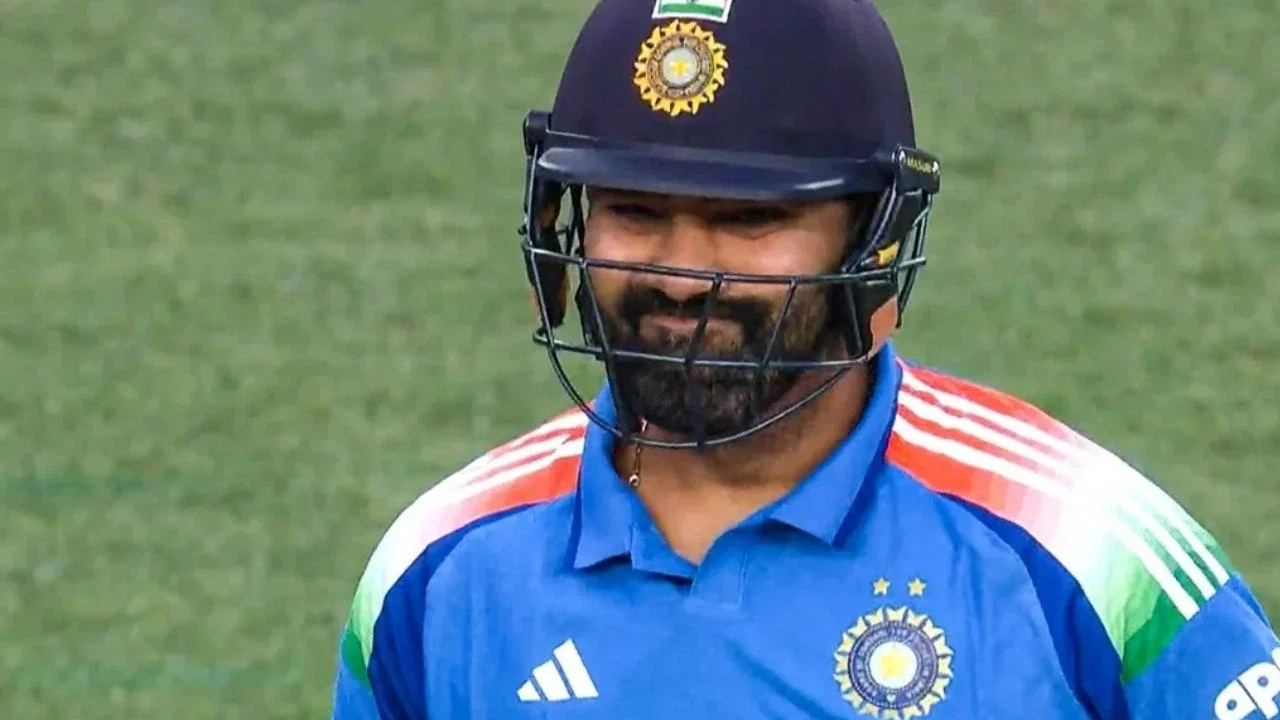
Ranji Trophy 2026-27: Meghalaya replace entire squad amid cricket association dispute
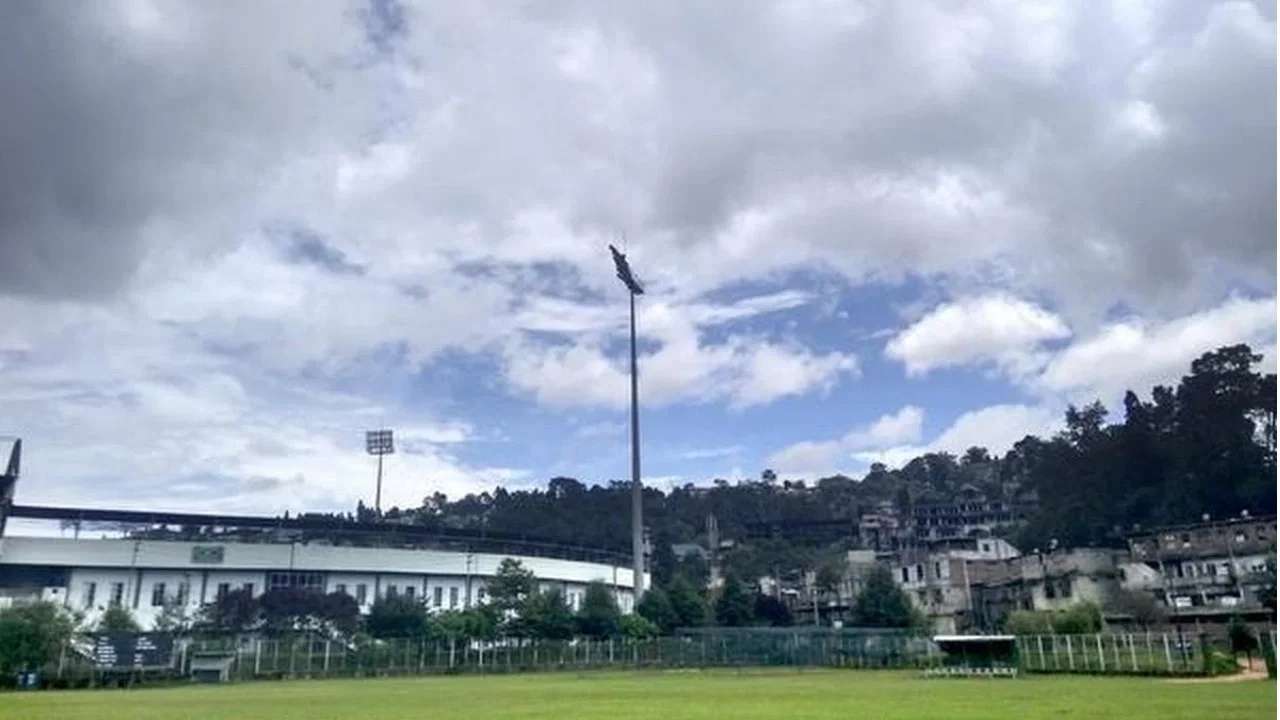
Meghalaya Ranji Trophy Squad Replaced Overnight Amid Cricket Association Dispute
Meghalaya cricket has been plunged into turmoil after a dispute within the state association led to the sudden replacement of its entire senior team for a Ranji Trophy match. Players who had represented the state in the tournament’s first three fixtures were reportedly told they were no longer part of the squad just one day before Meghalaya’s Plate Group clash with Nagaland in the 2026–27 season.
The abrupt change left players, officials and supporters seeking answers. The original squad had already completed its preparations and attended a pre-match meeting, only to learn later that a different team had been registered to take the field. The episode has raised questions about governance, player welfare and the impact of administrative disputes on domestic cricket.
Why Meghalaya’s Ranji Trophy Team Was Changed
According to a report by The Indian Express, the Meghalaya Cricket Association’s Apex Council had selected the squad for the team’s first three matches. But the council was embroiled in a dispute with association president James Sangma over the suspension of secretary Rayonald Kharkamni.
The disagreement was reportedly connected to allegations of a cover-up involving sexual harassment complaints. The matter went before the High Court, which ruled in Sangma’s favour shortly before the match against Nagaland. The court upheld Kharkamni’s suspension and found that resolutions passed under his authority were illegal.
After the ruling, Sangma’s group selected a new squad for the fixture. The legal decision therefore had an immediate sporting consequence: the players chosen by the Apex Council for the opening matches were no longer considered eligible to represent Meghalaya in the Nagaland game.
Players Prepared for the Match Before Receiving the News
The timing of the change reportedly intensified the confusion. Members of the original squad had taken part in training and attended a pre-match meeting with referee Arindam Sarkar. They were initially told that they would be allowed to play after the Board of Control for Cricket in India accepted their team’s registration.
That understanding changed later in the evening. Players were reportedly contacted and informed that their squad was no longer valid, with a replacement team having been registered with BCCI approval. The late notice left the original players with little time to process the decision or understand how it would affect their participation.
Reports also described a tense atmosphere around the team. Players allegedly said their manager had been threatened and had left. The captain is said to have raised concerns with the match referee, who reportedly moved to another hotel after the situation escalated. These claims add a troubling dimension to an already complicated dispute, although the reported allegations should be distinguished from the court’s formal ruling on the association’s internal resolutions.
Police Called After Dressing Room Was Locked
Despite being told that a replacement squad would play, members of the original team reportedly went to the ground the following morning, still hoping the situation might be resolved. Instead, they found the dressing room locked. Police were called to the venue as tensions rose.
James Sangma later apologised, according to the report, and the dressing room was opened. The incident became a striking image of the broader crisis: players who had trained for a state fixture were left outside the team’s facilities while competing groups disputed which squad had the authority to represent Meghalaya.
For the players, the episode was about more than missing one match. A sudden selection reversal can disrupt preparation, affect confidence and create uncertainty around future opportunities. In domestic cricket, where performances can shape a player’s prospects at higher levels, clear selection procedures and timely communication are especially important.
Dispute Extends Beyond the Senior Team
The controversy has reportedly affected Meghalaya’s Under-23 team as well. That side was called back from Sikkim and replaced by another squad, suggesting the administrative conflict has reached beyond the Ranji Trophy setup.
When disputes affect multiple age groups, the consequences can extend to coaching plans, travel arrangements and player development. Young cricketers rely on consistent competition to build experience, while senior players need stable conditions to prepare for a demanding first-class season. Any interruption can create uncertainty across the state’s cricket pathway.
What the Squad Change Means for Meghalaya’s Season
Meghalaya entered the Nagaland fixture in a strong position in the Ranji Trophy 2026–27 Plate Group standings. The senior team was reported to be second with 12 points, having recorded one win and one defeat. With the season still in progress, the result of each fixture could influence the team’s final standing and its prospects in the group.
However, the immediate sporting outlook is difficult to assess. A replacement lineup may have had limited time to prepare together, while the original players had trained under the expectation that they would compete. Any prediction about Meghalaya’s performance must therefore account for the unusual circumstances, rather than relying only on the team’s earlier results or individual records.
The larger question is whether the association can restore stability quickly enough to keep attention focused on cricket. Clear communication about selection authority, registration and player eligibility could help reduce further confusion as the tournament continues.
Supreme Court Challenge Could Prolong the Crisis
The Apex Council is reportedly preparing to challenge the High Court’s order in the Supreme Court. If it proceeds, the legal dispute over control of Meghalaya cricket could enter another phase, potentially keeping the association’s leadership and decision-making processes under scrutiny.
Until the next legal steps become clearer, players and supporters may face continued uncertainty over who has the authority to make selections and manage teams. The episode also highlights how administrative conflict can quickly spill onto the field, affecting athletes who have little control over decisions made within the governing body.
For Meghalaya cricket, the priority now is to protect the integrity of competition and provide players with a dependable environment. The Ranji Trophy is a major platform for domestic talent, and its value depends not only on performances but also on fair, transparent administration. The coming weeks will show whether the dispute can be contained—or whether the state’s cricket season will remain overshadowed by a battle over who controls the game.
Latest News
Virat Kohli becomes first-ever No. 3 batter to score 13,000 runs in ODI cricket

Faf du Plessis names more valuable Test player than Marco Jansen; snubs Joe Root & Jasprit Bumrah
Irfan Pathan breaks silence on Mohammad Amir joining his APL team
Mitchell Starc overtakes Marco Jansen to become World’s No.1 Test bowler again
Zimbabwe announce squad for Afghanistan Tests; Brian Bennett named as captain
BAN vs WI Playing 11 Today, Live Streaming, Pitch & Weather: Bangladesh vs West Indies 2nd Test, 2026
Ajinkya Rahane reveals all-time underrated ODI playing XI with only two Indian batters
Ranji Trophy 2026-27: Meghalaya replace entire squad amid cricket association dispute

“We didn’t adapt as quickly”: Mitchell Santner slams New Zealand’s batting after 1st ODI loss to India
Shubman Gill credits Virat Kohli, Rohit Sharma after India’s dominant win in Auckland
Suresh Raina announces willingness to become CSK coach
Watch: Virat Kohli takes one-handed blinder before breaking into Bow and Arrow celebration vs NZ
Virat Kohli, Rohit Sharma and Shubman Gill receive personalized All Blacks jerseys ahead of 1st ODI
“The celebration was for my girlfriend”: Arshdeep Singh on gesture after Kyle Jamieson’s dismissal