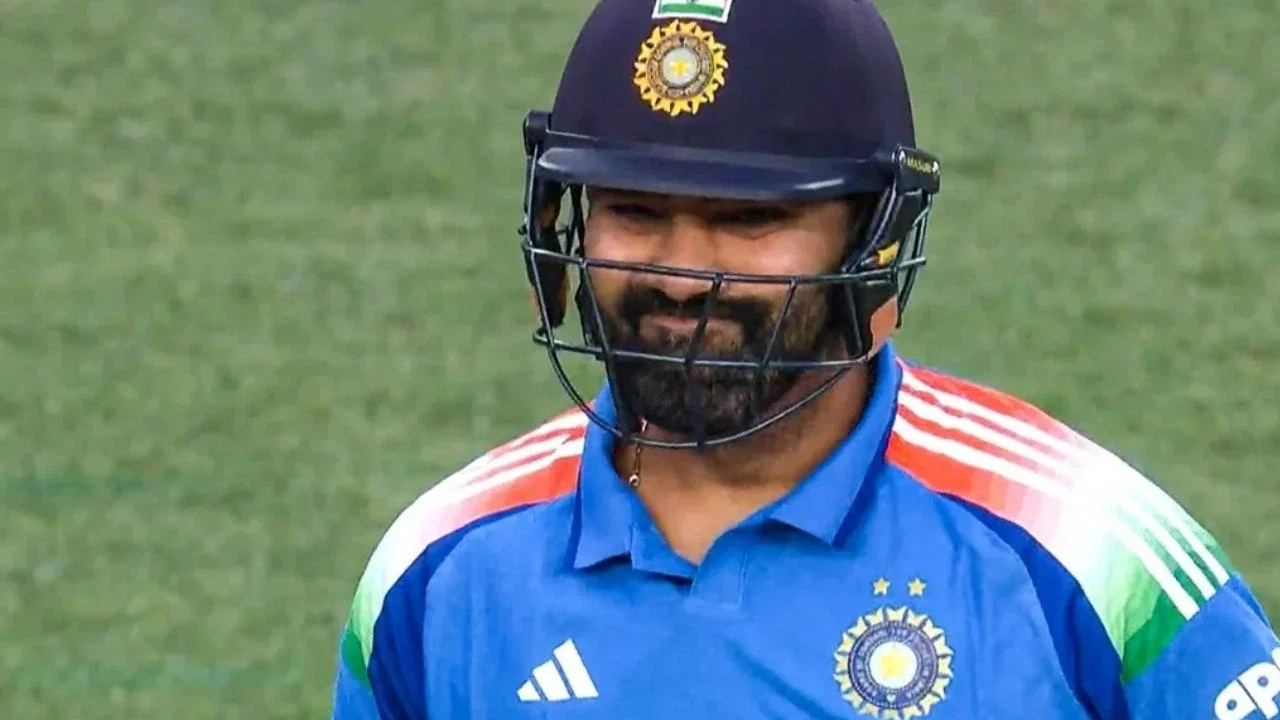
“We didn’t adapt as quickly”: Mitchell Santner slams New Zealand’s batting after 1st ODI loss to India

India Take Control of Auckland ODI as New Zealand’s Batting Falters
India opened their ODI series against New Zealand with a convincing win in Auckland, overcoming unsettled weather and a lively pitch to chase down a rain-revised target. The match offered a sharp contrast to the high-scoring T20I series that preceded it: on November 4, seam bowling, bounce and disciplined pressure shaped the contest from the outset.
New Zealand’s innings never gathered lasting momentum against India’s pace attack. Although the hosts managed to reach 185, their total was built around a handful of useful contributions rather than a sustained partnership. Rain later reduced the chase to 143 runs from 32 overs, and a composed stand between Shubman Gill and Virat Kohli put India firmly on course for victory.
New Zealand Struggle to Build a Competitive Total
Batting first, New Zealand found it difficult to settle as India’s fast bowlers made effective use of the conditions. Tim Seifert provided resistance near the top of the order, while lower-order batter Blair Tickner supplied a late burst of runs. Tickner’s aggressive 34 was particularly valuable, helping the Blackcaps reach 185 before being bowled out.
On a full-length, uninterrupted ODI, 186 would have been a modest target by contemporary standards. But the overcast sky and movement available to the bowlers gave New Zealand reason to believe the total could be defended. The home side’s hopes received an early lift when Kyle Jamieson dismissed Rohit Sharma in the opening over of India’s reply.
That breakthrough created an opportunity for New Zealand to apply pressure, especially with the ball bouncing sharply at Eden Park. However, India’s middle order responded with patience and control. Rather than allowing the early wicket to trigger a collapse, Gill and Kohli managed the chase carefully, choosing their scoring opportunities and limiting the impact of New Zealand’s best spells.
Gill and Kohli Guide India Through the Revised Chase
Rain interrupted the match and altered the shape of the pursuit. The target was revised to 143, with India given 32 overs to reach it. Under the adjusted conditions, the required total remained manageable, but New Zealand still needed regular wickets to keep the contest alive.
India’s captain, Shubman Gill, scored 37, while Virat Kohli led the innings with 74. Their 113-run partnership transformed a potentially tense chase into a controlled one. Gill provided steady support, allowing Kohli to anchor the innings and keep the scoring rate in check. India eventually reached the target after losing five wickets.
The partnership was important not only for its size but also for its timing. After Rohit’s early dismissal, New Zealand had the chance to make the reduced chase uncomfortable. Instead, Gill and Kohli absorbed the pressure, negotiated the bounce and prevented the bowlers from building a sustained run of breakthroughs.
Santner Credits New Zealand’s Fast Bowlers
Speaking after the match, New Zealand captain Mitchell Santner praised his fast bowlers for continuing to compete despite defending a low total. He noted that the bounce at Eden Park could make batting difficult, particularly when bowlers used the shorter delivery effectively.
“I think when you try to fight the bounce at Eden Park, it can be quite hard,” Santner said, as quoted by Cricbuzz. He observed that India’s batters had looked to steer some short balls finer, while the pitch continued to offer noticeable bounce. Santner also suggested that after the rain, the surface began to skid on more readily, adding another variable for both teams.
The New Zealand skipper said his bowlers could have allowed the match to drift after India’s strong start, but instead kept backing their plans. He credited them with finding useful options late in the game and said the team could take those lessons into the next match in Wellington.
Santner Points to Pace and Bounce on the Pitch
Santner did not place the defeat solely on New Zealand’s batting. In his view, the surface played quicker than the team had anticipated, and the batters were slow to adjust to the extra pace and bounce. India’s bowlers, meanwhile, were able to exploit those conditions with greater consistency.
“The pitch probably bounced and was a little bit faster than we expected at Eden Park,” Santner said. “We just probably didn’t adapt as quickly as we could, and there was some good bowling from India as well.” His assessment highlights a central challenge for visiting and home sides alike: conditions can change the value of a batting approach, and teams must respond quickly when the ball behaves differently from expectations.
For New Zealand, the innings exposed the cost of losing wickets before partnerships could take shape. Tickner’s late hitting gave the total some respectability, but it could not make up for the lack of a substantial contribution through the middle overs. India, by contrast, showed how a calm partnership can outweigh an early setback, particularly in a rain-shortened chase.
What the Result Means for the ODI Series
India’s win gives them an early advantage in the series and offers encouraging signs for their batting group. Gill and Kohli handled a tricky phase with composure, while the bowling attack demonstrated its ability to take advantage of cloud cover and a responsive surface. The match also underlined the importance of adapting to local conditions rather than relying on expectations formed before play.
New Zealand will look to respond in Wellington, where the team can reassess its batting plans and build on the pressure created by its fast bowlers. Santner’s comments suggest the hosts believe there were positive signs despite the loss, particularly in the way the seamers continued to challenge India after the partnership began.
India vs New Zealand ODI prediction: Key factors to watch
Any prediction for the next ODI will depend on how both teams adjust. New Zealand will need stronger contributions from its top and middle order, while India will aim to maintain the balance between aggressive bowling and measured batting. The weather, pitch pace and use of short-pitched deliveries could again prove decisive.
The Auckland opener showed that even a low-scoring match can provide a compelling contest when conditions are challenging. India made the most of their opportunities, while New Zealand found moments of resistance but not enough consistency. As the series moves on, the key question is whether the Blackcaps can turn their promising spells with the ball into a more complete performance.
Latest News
Virat Kohli becomes first-ever No. 3 batter to score 13,000 runs in ODI cricket

Faf du Plessis names more valuable Test player than Marco Jansen; snubs Joe Root & Jasprit Bumrah

Irfan Pathan breaks silence on Mohammad Amir joining his APL team

Mitchell Starc overtakes Marco Jansen to become World’s No.1 Test bowler again

Zimbabwe announce squad for Afghanistan Tests; Brian Bennett named as captain

BAN vs WI Playing 11 Today, Live Streaming, Pitch & Weather: Bangladesh vs West Indies 2nd Test, 2026
Ajinkya Rahane reveals all-time underrated ODI playing XI with only two Indian batters

Ranji Trophy 2026-27: Meghalaya replace entire squad amid cricket association dispute
“We didn’t adapt as quickly”: Mitchell Santner slams New Zealand’s batting after 1st ODI loss to India
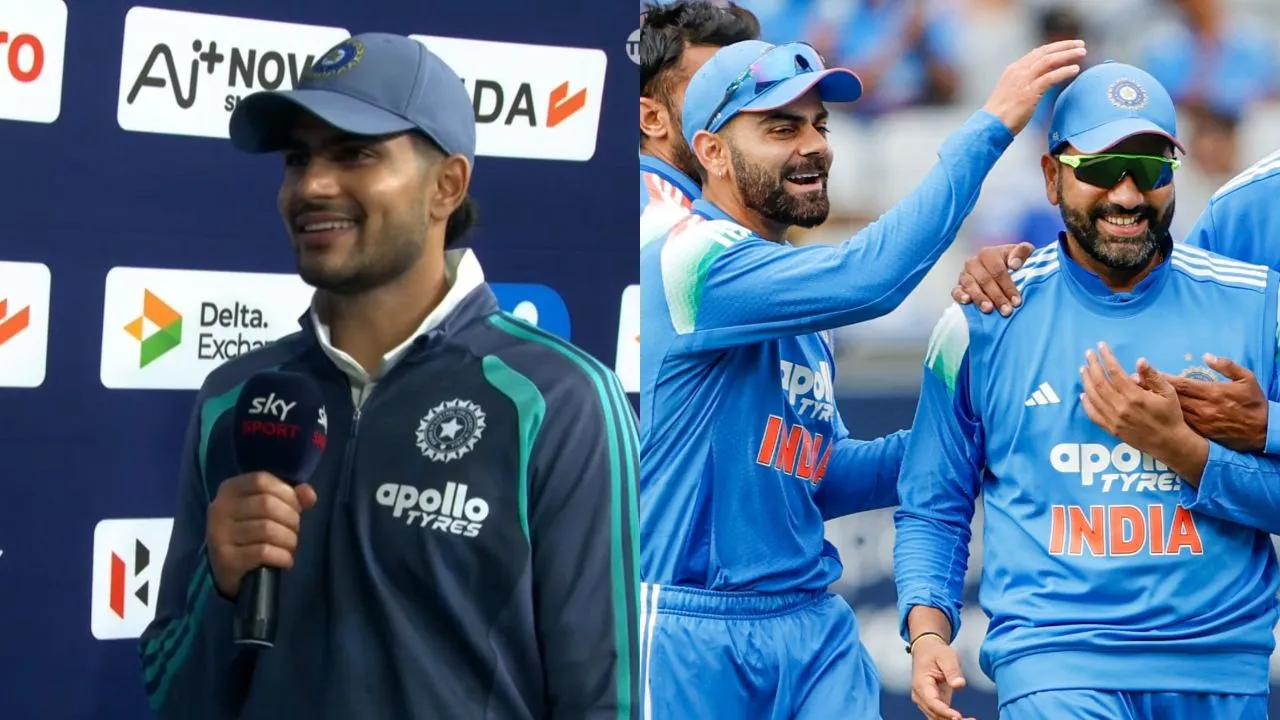
Shubman Gill credits Virat Kohli, Rohit Sharma after India’s dominant win in Auckland

Suresh Raina announces willingness to become CSK coach
Watch: Virat Kohli takes one-handed blinder before breaking into Bow and Arrow celebration vs NZ

Virat Kohli, Rohit Sharma and Shubman Gill receive personalized All Blacks jerseys ahead of 1st ODI
“The celebration was for my girlfriend”: Arshdeep Singh on gesture after Kyle Jamieson’s dismissal