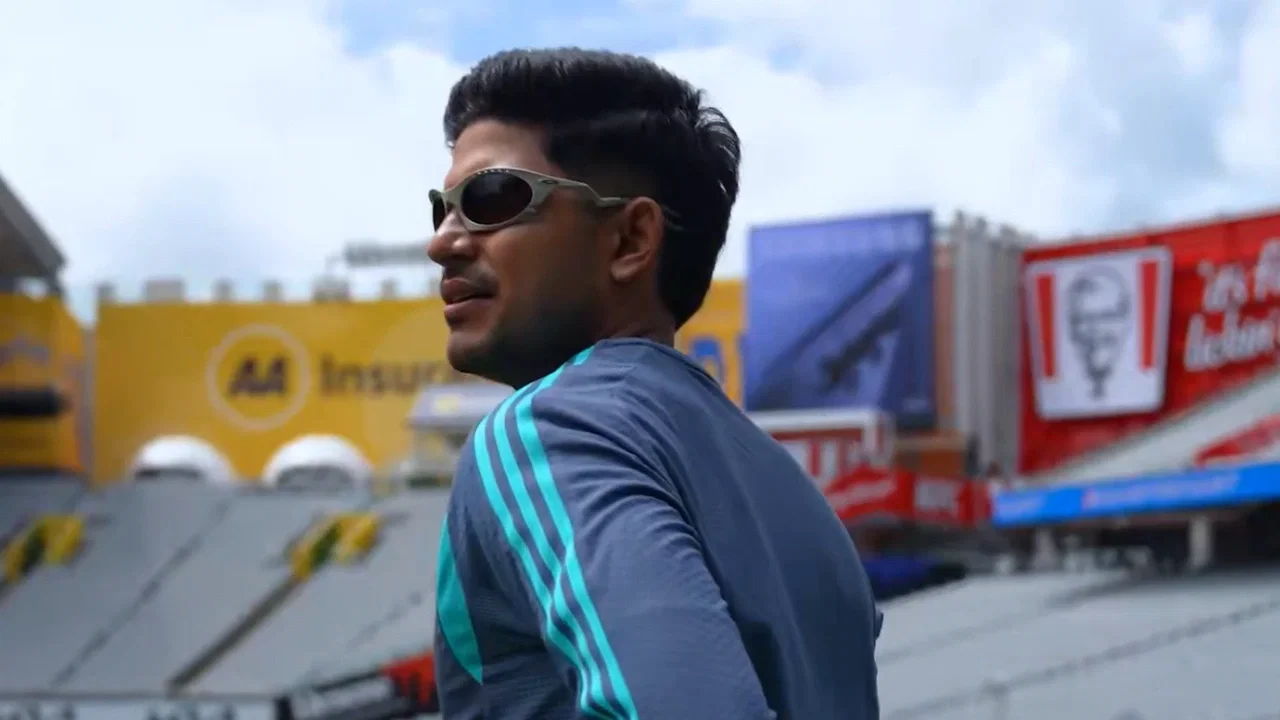
Virat Kohli, Rohit Sharma and Shubman Gill receive personalized All Blacks jerseys ahead of 1st ODI
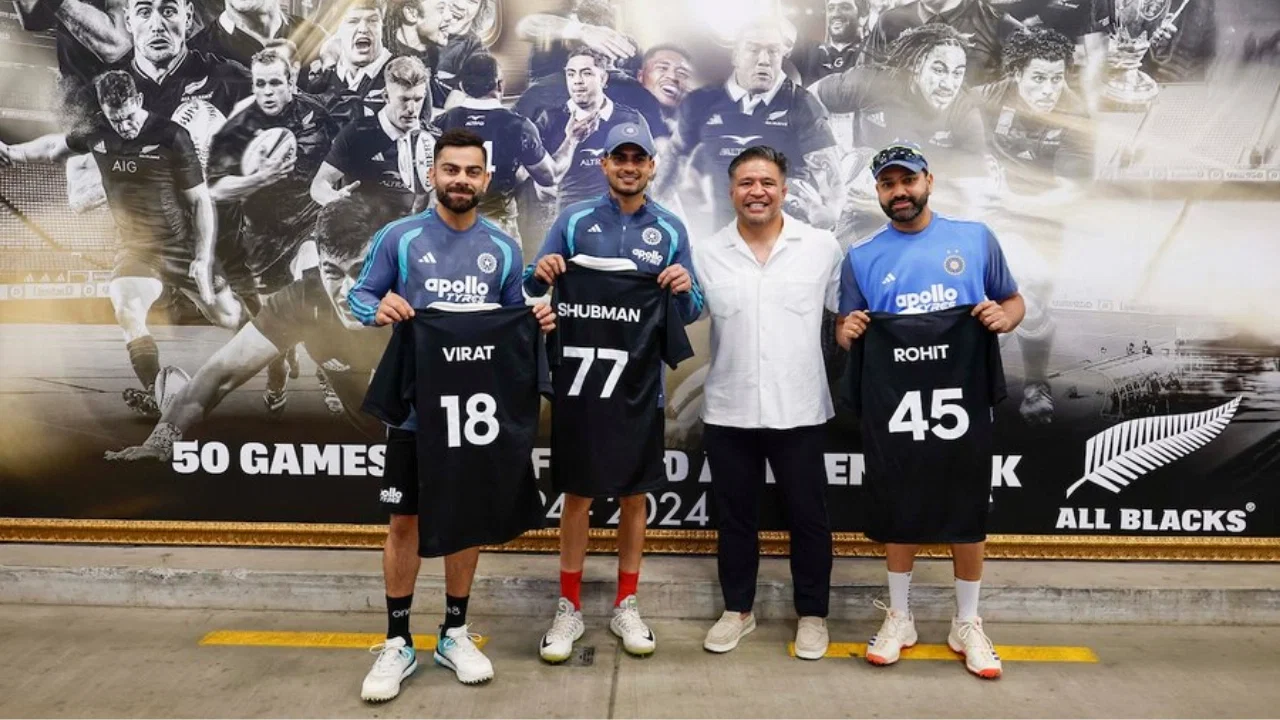
Virat Kohli, Rohit Sharma and Shubman Gill Receive All Blacks Jerseys from Keven Mealamu
India’s opening ODI against New Zealand began with a memorable meeting between sporting greats. Ahead of the first match at Eden Park in Auckland, former All Blacks hooker Keven Mealamu presented personalized black rugby jerseys to Virat Kohli, Rohit Sharma and India’s ODI captain, Shubman Gill.
The exchange offered a warm moment between two teams representing countries with a deep sporting connection. It also provided a striking pre-match scene: three of India’s most recognizable cricketers standing alongside one of New Zealand rugby’s most celebrated figures. The Board of Control for Cricket in India (BCCI) shared photographs of the meeting on social media, drawing attention from cricket and rugby fans alike.
A meeting of sporting icons
In its post on X, the BCCI described the occasion as a special moment before play, identifying Gill, Kohli and Rohit as the Indian players who met Mealamu and received the personalized jerseys. The black shirts carried the distinctive look associated with the All Blacks, New Zealand’s national rugby team.
Mealamu, 47, earned 132 international caps for New Zealand, placing him among the most-capped players in the team’s history. He also captained the All Blacks and was part of the squads that won the Rugby World Cup in 2011 and 2015. Claiming two titles put him in a select group of players to achieve the feat.
The presentation was more than a photo opportunity. It reflected the respect that elite athletes often share across sports, particularly when they meet on the international stage. For India’s players, the gesture offered a chance to connect with a rugby legend before a demanding series. For New Zealand supporters, it provided a reminder of the country’s proud sporting traditions.
India’s bowlers put New Zealand under early pressure
Once the ceremony was over, attention shifted to the cricket. Gill won the toss and chose to bowl first in the ODI series opener, backing India’s pace attack to make use of the conditions at Eden Park. The decision paid off as the visitors took regular wickets and restricted New Zealand to 131 for eight at the point described in the match update.
Left-arm fast bowler Arshdeep Singh made an immediate impact during the powerplay, removing Will Young and Henry Nicholls for nine runs apiece. The early dismissals prevented New Zealand from settling into a steady opening partnership and placed the hosts on the back foot.
Gurnoor Brar then strengthened India’s position in the middle overs. He dismissed Tim Seifert, who had made 38, before producing a sharp one-handed return catch to remove New Zealand captain Tom Latham for three. The double strike left the home side searching for a partnership that could halt the slide.
Rohit Sharma’s run-out adds to the pressure
Daryl Mitchell tried to steady the innings alongside Glenn Phillips, but India continued to find ways to break through. In the 22nd over, Mitchell hesitated while attempting a quick single. Rohit Sharma reacted quickly, moved across to gather the ball and sent in a diving throw to complete the run-out. Mitchell departed for 28, ending a promising effort to rebuild.
The dismissal highlighted how India’s pressure extended beyond the bowling attack. With tight fielding and quick reactions, the visitors made it difficult for New Zealand’s batters to turn singles into momentum or build a long partnership. At 115 for seven, the hosts were in a precarious position, with wickets falling at regular intervals.
Brar and Anshul Kamboj had each taken two wickets during the innings, contributing to a collective performance that kept New Zealand from establishing control. Arshdeep added a third wicket, while Kohli also made his presence felt in the field with two catches, including a catch at extra cover to dismiss Kyle Jamieson.
Glenn Phillips remains New Zealand’s key hope
As the innings progressed, Phillips was left to manage the tail and protect New Zealand’s remaining runs. He was unbeaten on 27 from 40 deliveries, having watched several partners fall around him. His role became increasingly important: a few boundaries and a patient stand could still help the hosts add valuable runs, but India’s bowlers had maintained the advantage.
For India, the early wicket haul offered a strong start to the five-match ODI series. The team’s performance combined pace, control and alert fielding, while Gill’s decision to bowl first appeared well suited to the conditions. New Zealand, meanwhile, needed Phillips and the lower order to find a way to extend the innings and give their bowlers something to defend.
Series context and what comes next
The ODI contest followed a closely fought five-match T20I series, which India won 3-2 under Shreyas Iyer’s captaincy. The change of format brought a fresh challenge for both sides, with the longer innings placing greater emphasis on partnerships, batting depth and sustained bowling plans.
The teams are also scheduled to meet in a two-Test series after the ODIs, with the opening Test set to begin on November 19. That packed schedule gives both squads several opportunities to adjust their combinations and build momentum across formats.
Before the first ball, the personalized jerseys provided a memorable piece of cross-sport camaraderie. After play began, India’s bowlers supplied the day’s competitive edge. The match prediction will depend on whether New Zealand can recover from its early collapse and whether India can maintain the discipline that brought the breakthrough wickets. With five ODIs ahead, the opener sets the tone for a series in which both teams will be looking to make a statement.
Latest News
Suresh Raina announces willingness to become CSK coach
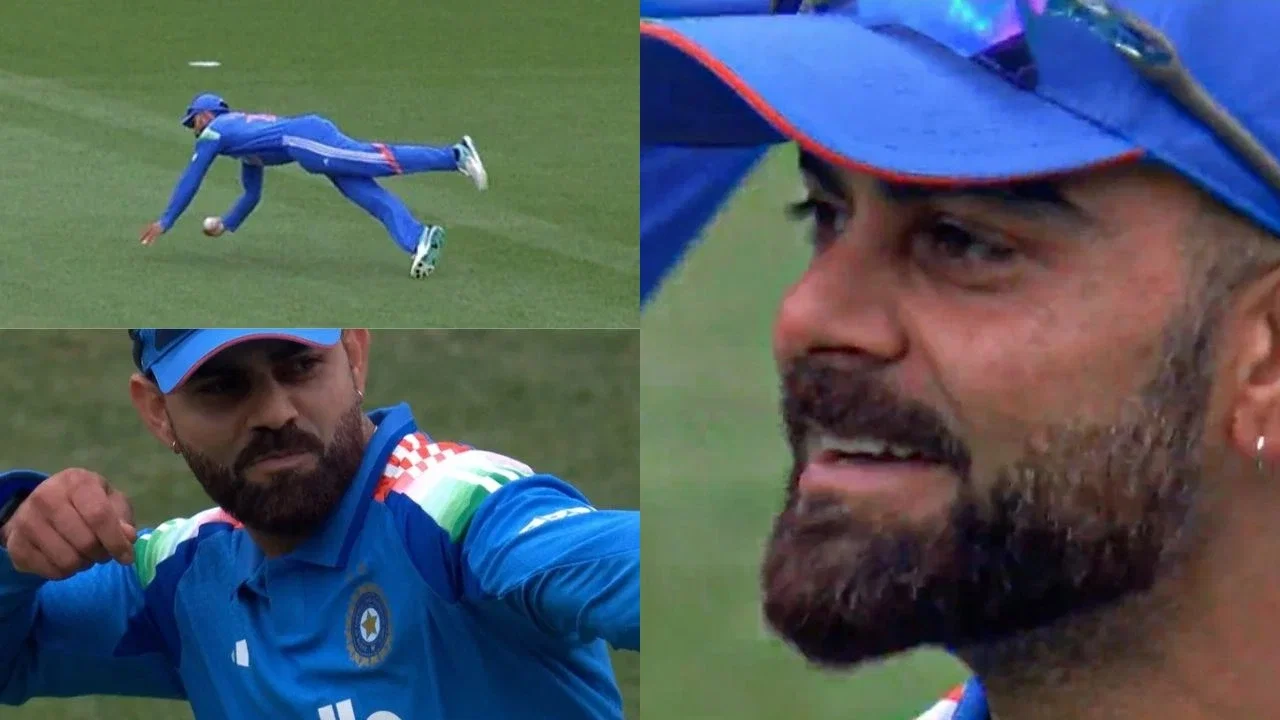
Watch: Virat Kohli takes one-handed blinder before breaking into Bow and Arrow celebration vs NZ
Virat Kohli, Rohit Sharma and Shubman Gill receive personalized All Blacks jerseys ahead of 1st ODI
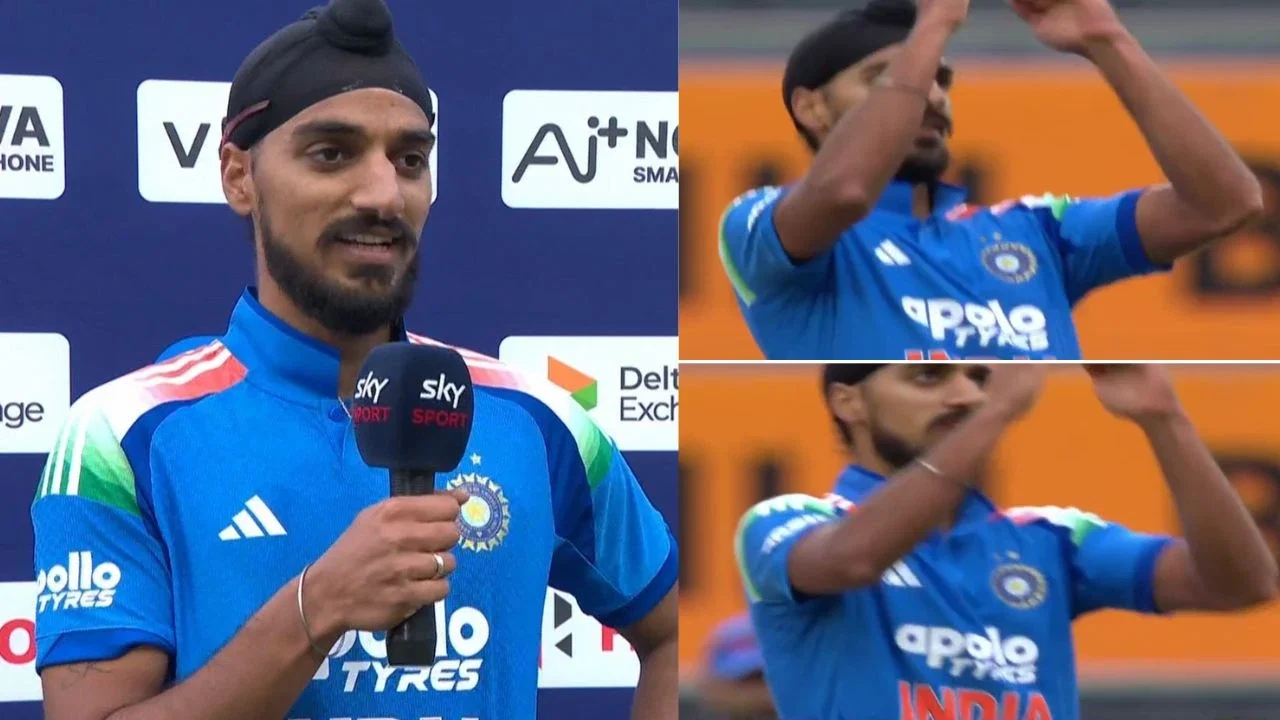
“The celebration was for my girlfriend”: Arshdeep Singh on gesture after Kyle Jamieson’s dismissal
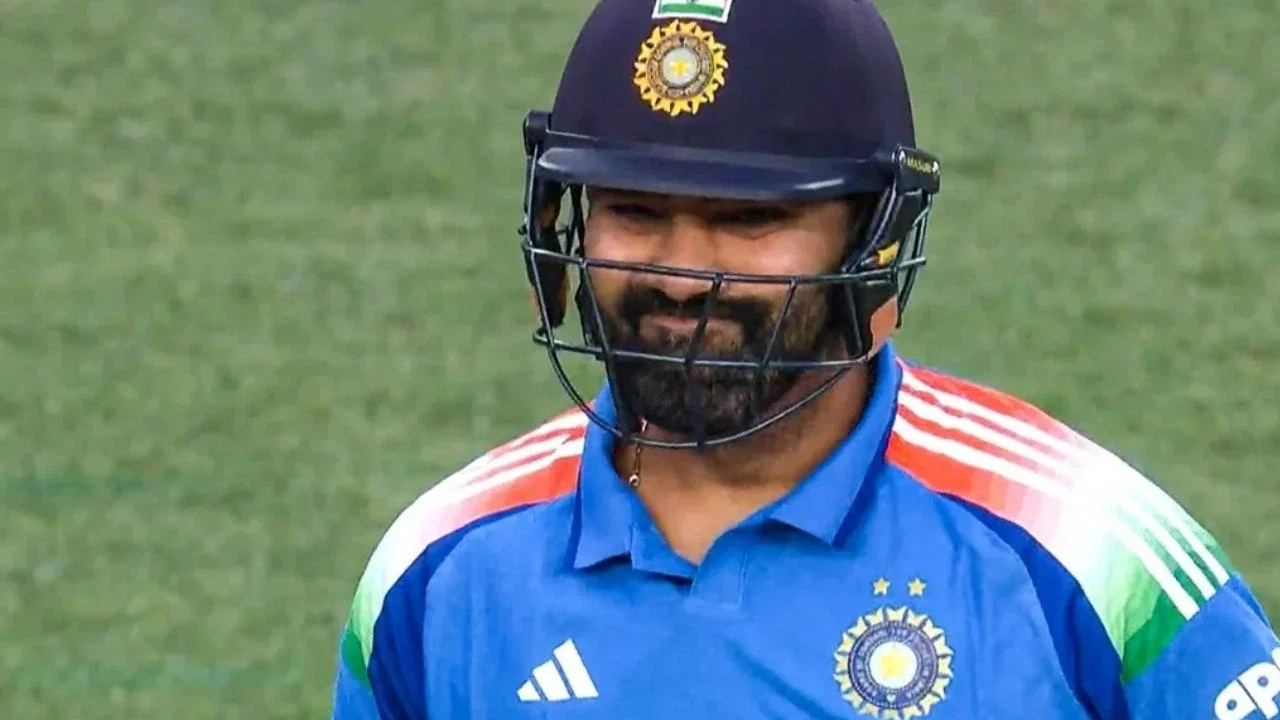
Rohit Sharma bags first-ever ODI duck against New Zealand in bizarre start to tour
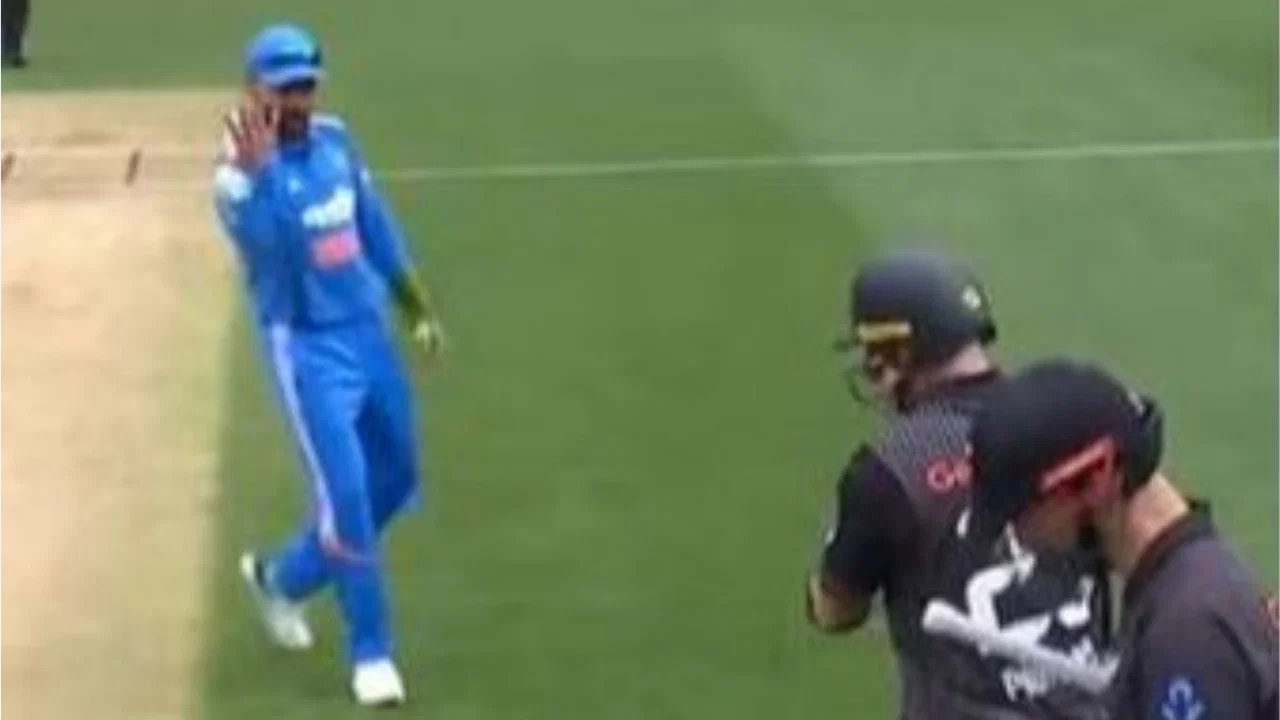
Watch: Virat Kohli teases Glenn Phillips with John Cena’s ‘You Can’t See Me’ celebration
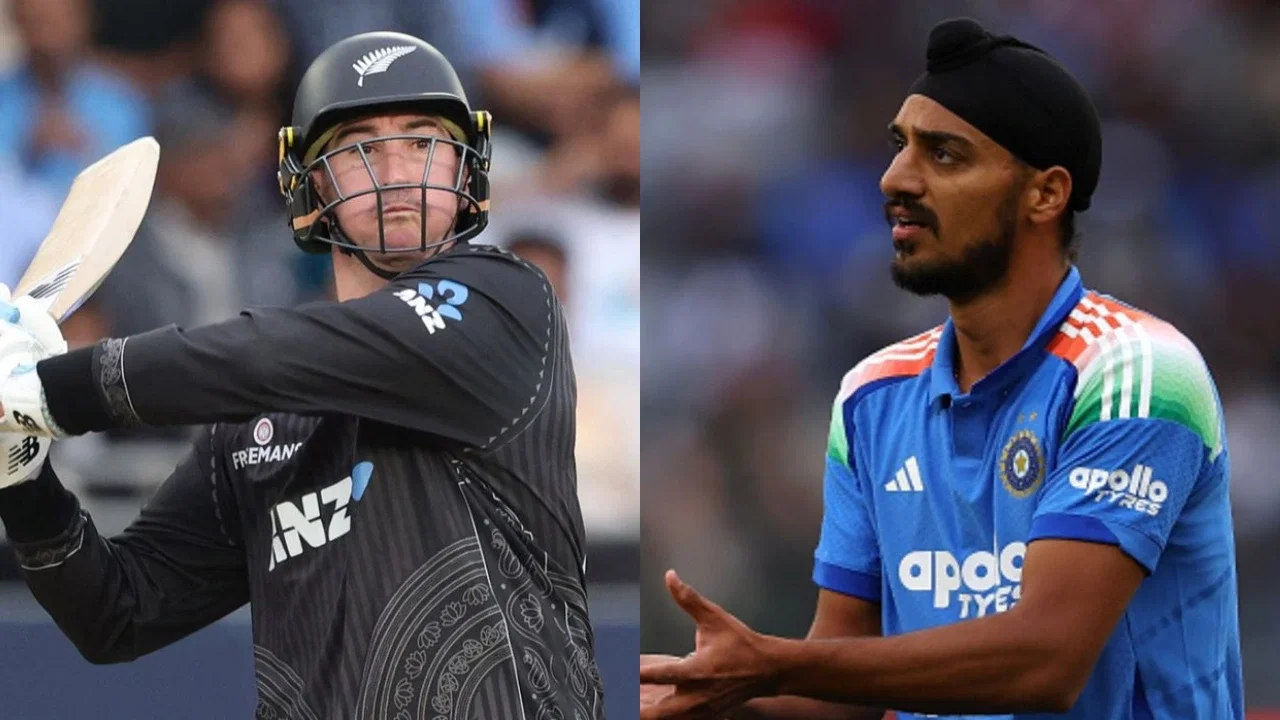
Arshdeep Singh gets hammered as Blair Tickner creates special ODI records in Auckland
Mike Hesson asks Pakistan ground staff to prepare pace-friendly pitches for Sri Lanka Tests
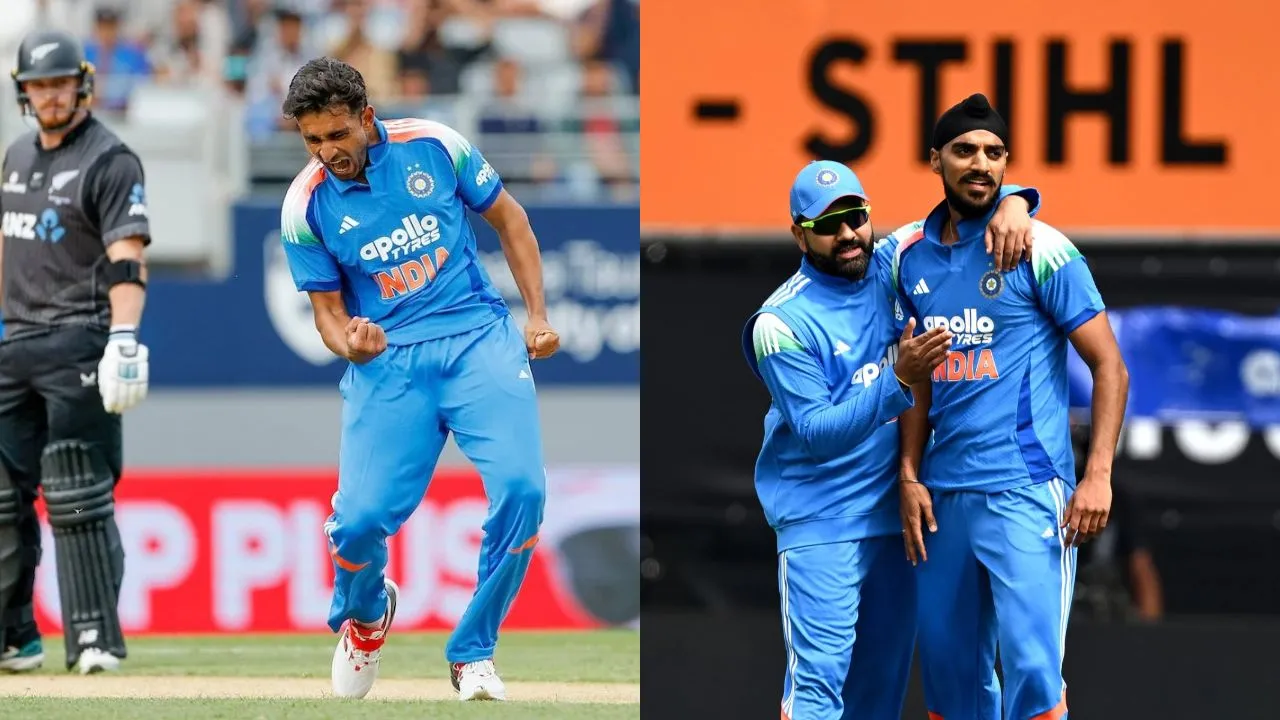
Anshul Kamboj, Arshdeep Singh create history as India dominate New Zealand in 1st ODI
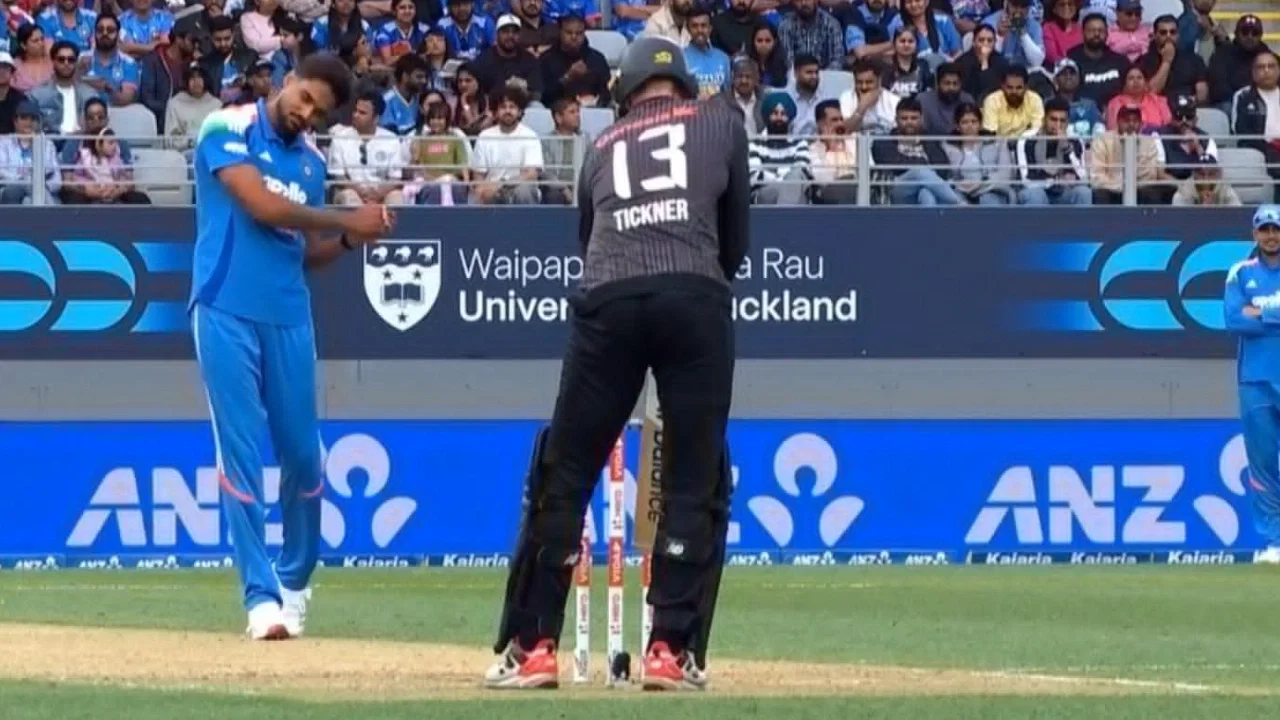
Watch: Gurnoor Brar’s reverse mind game forces Blair Tickner into a mistake in epic banter
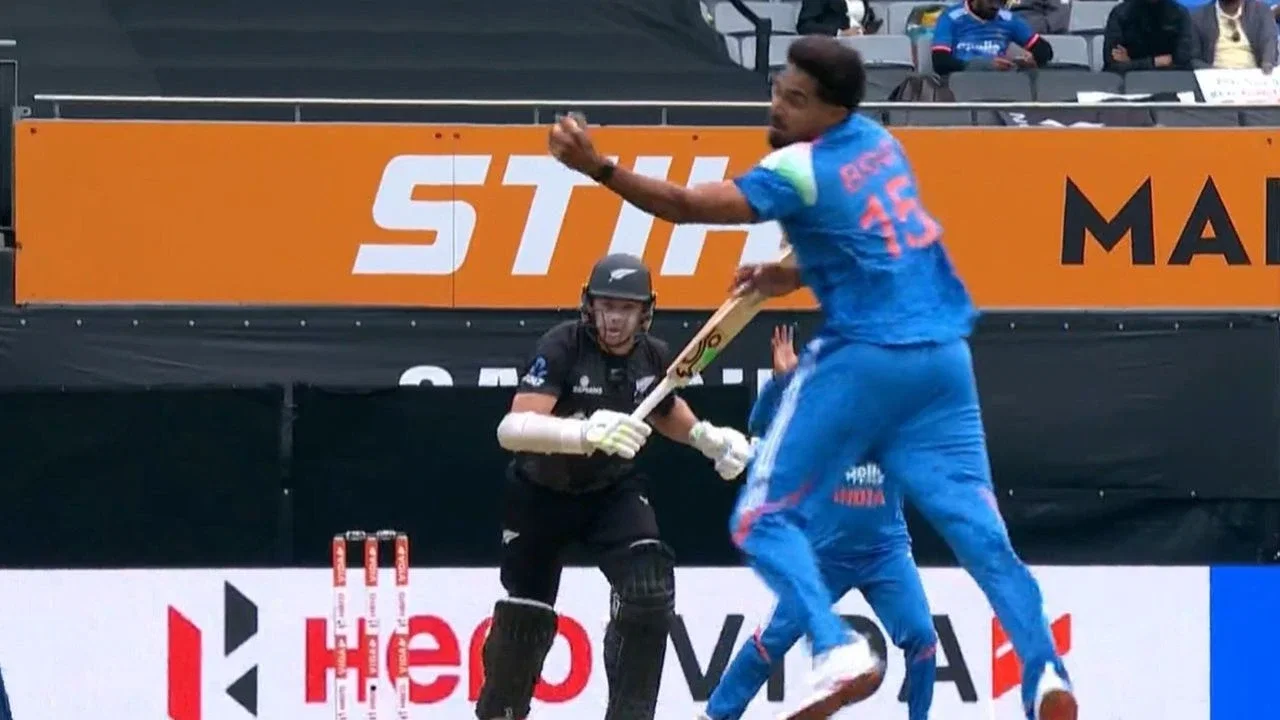
Watch: Gurnoor Brar takes one-handed blinder to dismiss Tom Latham in IND vs NZ 1st ODI
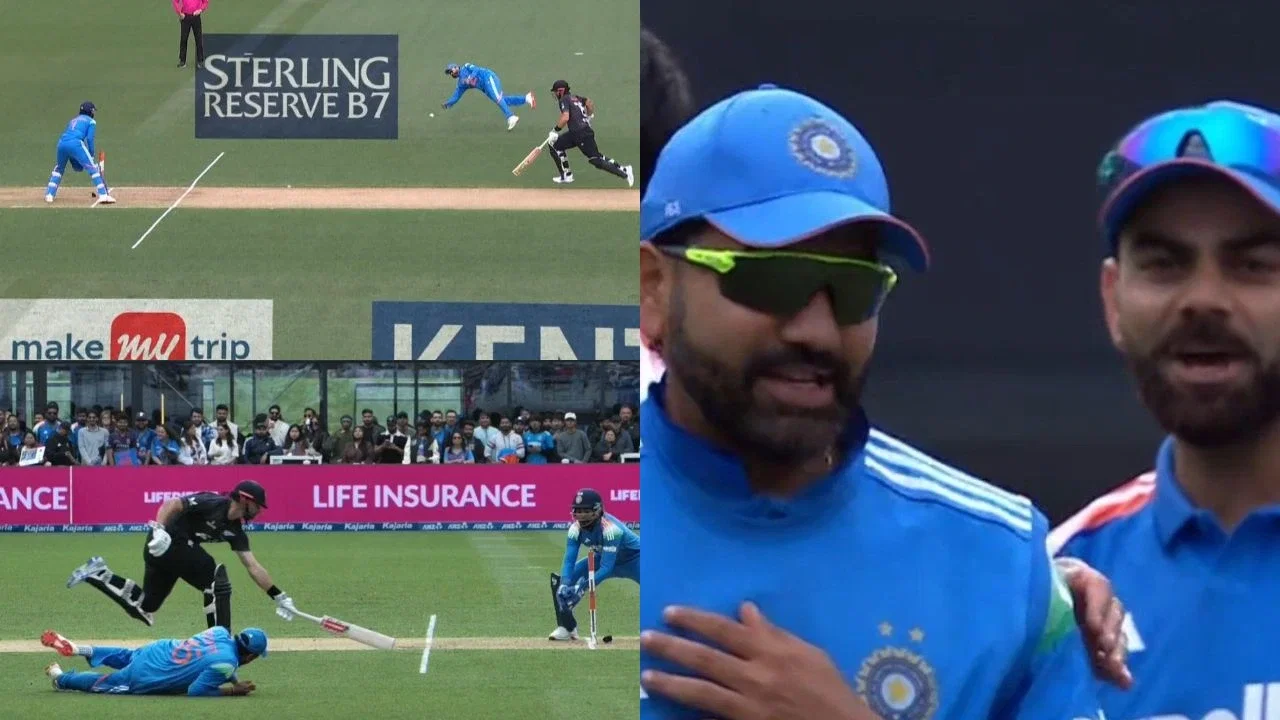
Watch: ‘Flying’ Rohit Sharma’s fielding brilliance sends Daryl Mitchell packing in 1st ODI
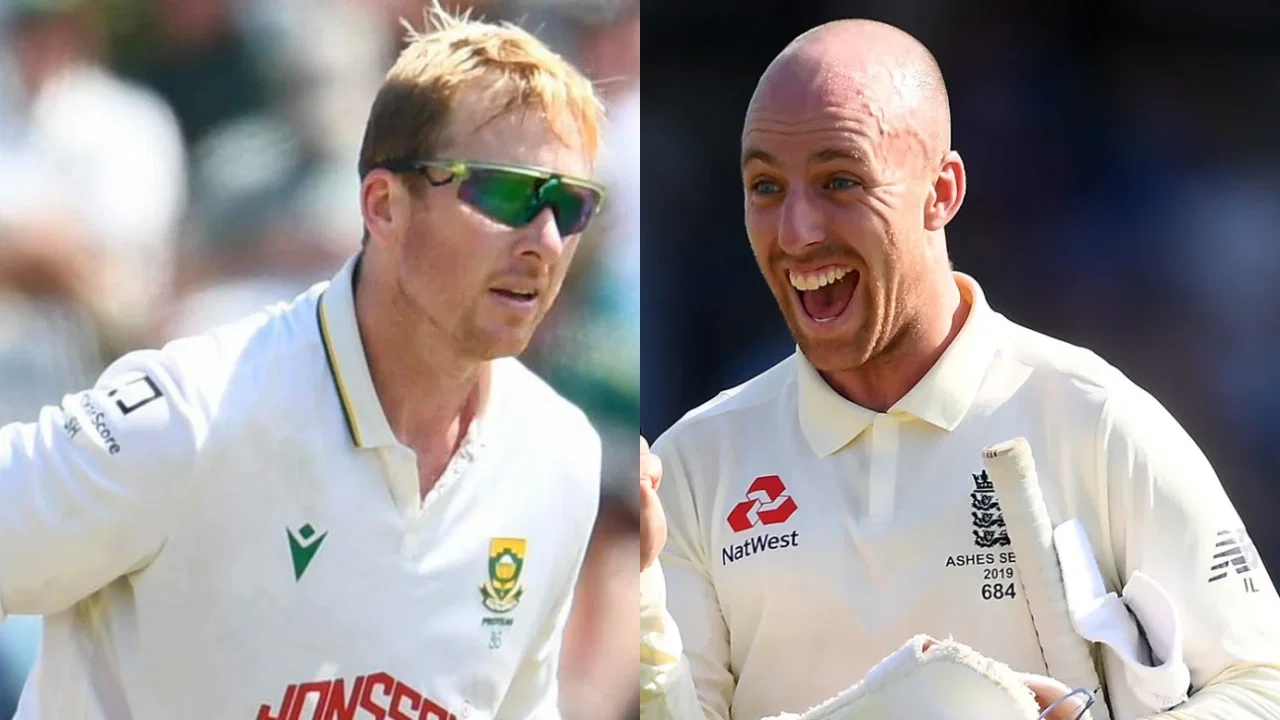
Simon Harmer reveals why Jack Leach should be picked for the SA vs ENG Test series
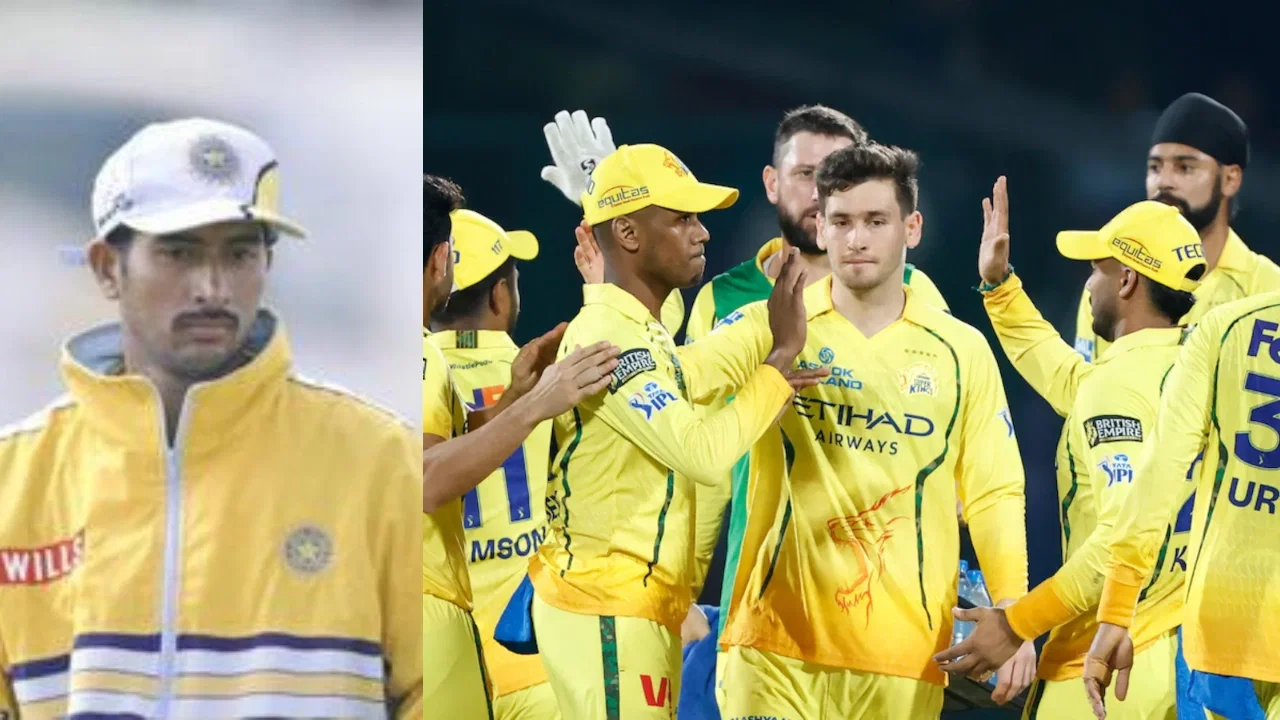
Sadagopan Ramesh questions CSK’s decision to not appoint a batting coach