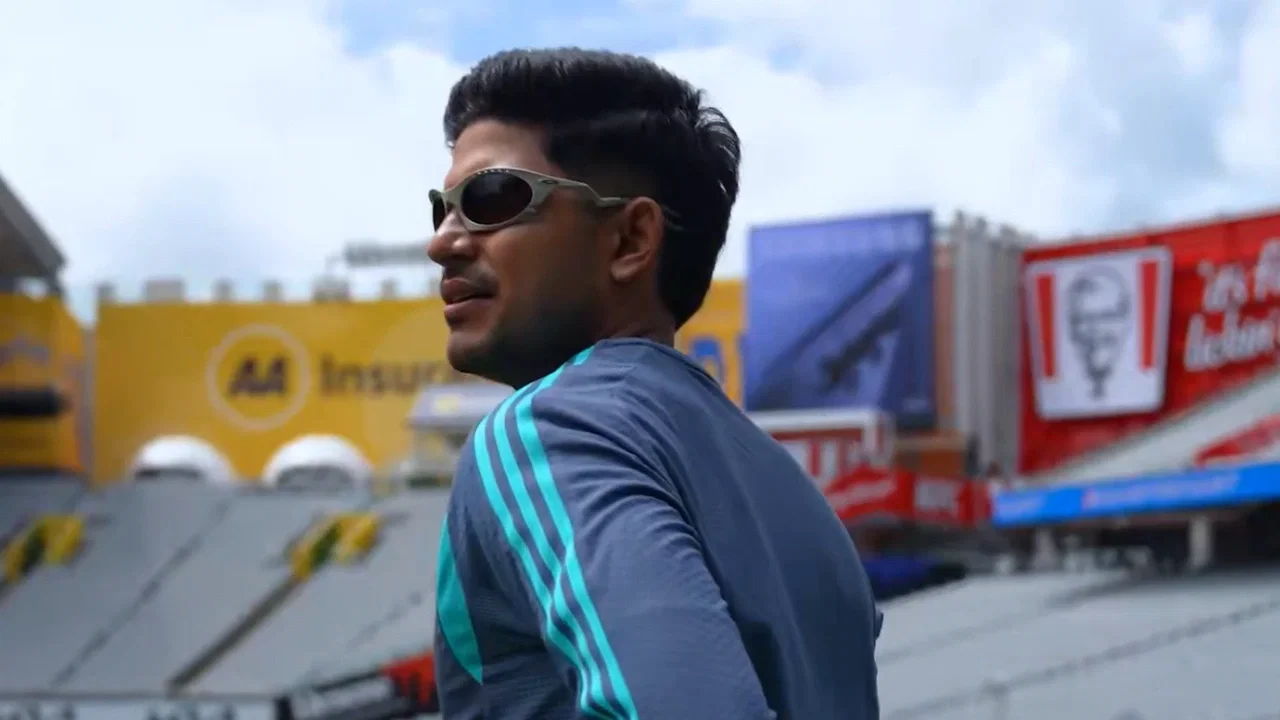
Watch: Virat Kohli takes one-handed blinder before breaking into Bow and Arrow celebration vs NZ
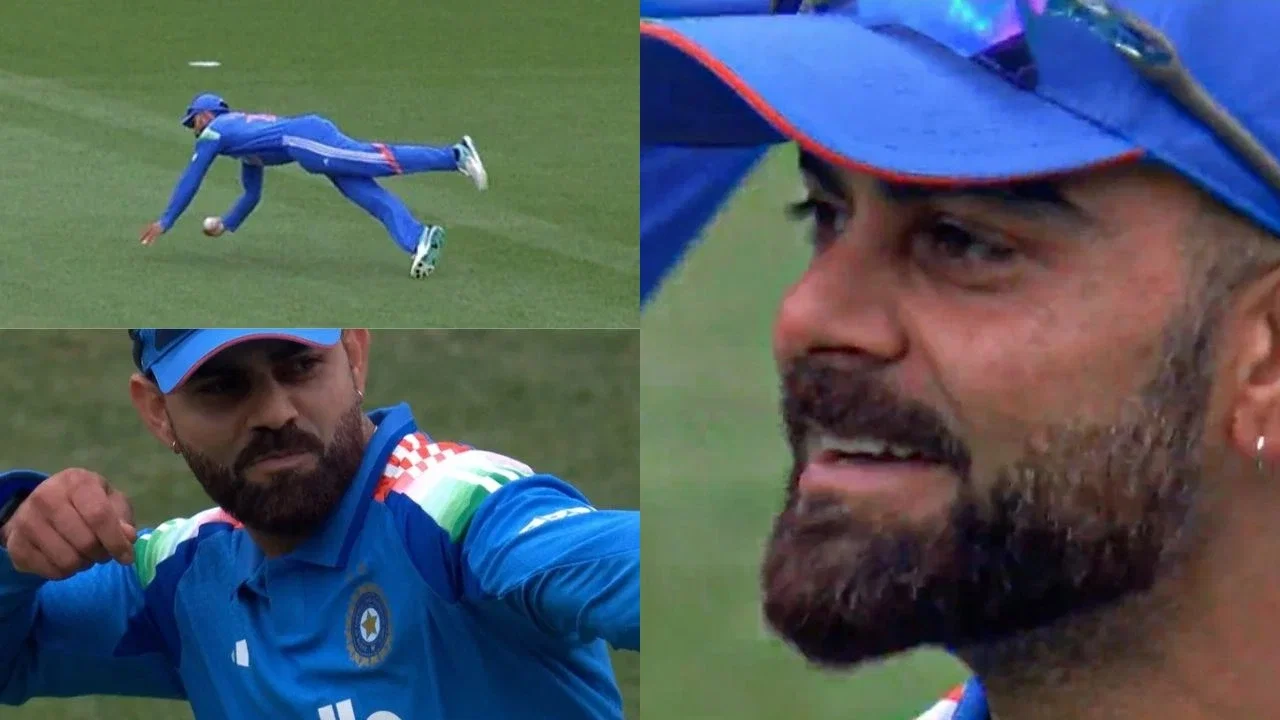
Virat Kohli’s Diving Catch Lights Up India–New Zealand ODI Opener
Virat Kohli turned back the clock with a stunning diving catch in the first ODI between India and New Zealand at Eden Park, reminding fans that his athleticism and commitment in the field remain as sharp as ever. The former India captain’s effort removed Nathan Smith and became one of the standout moments of a match that also featured a dramatic New Zealand batting collapse.
The dismissal showcased more than quick reflexes. Kohli had to judge a low, fast-moving edge, launch himself to his right and complete the catch close to the turf. His animated celebration then added a familiar burst of energy to the occasion, drawing attention from teammates and supporters alike.
How Kohli Took the Catch to Dismiss Nathan Smith
The moment came in the 10th over, when India fast bowler Anshul Kamboj delivered a full ball outside off stump. New Zealand batter Nathan Smith attempted to drive, but did not get fully behind the shot. The ball took a thick outside edge and flew towards the second-slip region, where Kohli was stationed.
With little time to react, Kohli moved sharply to his right and dived, gathering the ball just above the ground. The catch looked clean to the Indian fielders, but the third umpire reviewed the replays to confirm whether Kohli’s fingers were underneath the ball. After checking the footage, the officials upheld the dismissal.
Smith departed for one run from nine deliveries, leaving New Zealand with another early setback. The wicket also underlined how a moment of high-quality fielding can add to the pressure created by a disciplined bowling attack. In a format where partnerships are essential, losing a batter early can disrupt a team’s plans before its innings has properly settled.
A celebration that matched the moment
Kohli’s reaction was almost as memorable as the catch itself. Once the third umpire confirmed the decision, he celebrated with visible excitement, appearing to gesture towards the Indian huddle as if to reinforce that he had completed the catch cleanly.
He then performed his signature bow-and-arrow celebration before sticking out his tongue and sharing a playful smile. The sequence quickly became a talking point among fans, with clips and images of the catch circulating widely on social media. For many viewers, the combination of athletic execution and unrestrained celebration captured the competitive spirit that has long been associated with Kohli.
Such moments can also influence the atmosphere of a match. A spectacular catch often lifts the fielding side, energises the bowler and puts additional pressure on the incoming batter. While one dismissal does not decide a contest on its own, Kohli’s effort gave India a visible boost during a crucial phase of New Zealand’s innings.
India’s Fielding Effort Adds to New Zealand’s Problems
Kohli was not the only Indian fielder to make an impact. Earlier in the innings, Rohit Sharma produced an impressive piece of fielding to send Daryl Mitchell back to the pavilion. The two moments highlighted India’s sharpness in the field and helped maintain pressure on the New Zealand batting line-up.
India’s bowlers also made effective use of the conditions, finding bounce and movement with the new ball. New Zealand struggled to build partnerships and lost wickets at regular intervals, preventing the hosts from establishing a stable platform. The combination of disciplined bowling and alert fielding left the home side searching for a way to regain control.
New Zealand Scramble to 185 After Late Partnership
New Zealand eventually reached 185, but the total was built largely through a late contribution from the tail. Jacob Duffy and Blair Tickner added a valuable 39 runs for the final wicket, with Duffy finishing unbeaten on 15 and Tickner scoring 34. Their stand gave the hosts some respectability after the innings had threatened to end at a considerably lower score.
The late partnership offered New Zealand a small measure of momentum, but 185 appeared to leave the side with a challenging task. A total of that size can still become competitive if the bowling team strikes early, particularly at a venue where movement and bounce can trouble batters. However, the hosts needed a strong start with the ball to make the chase uncomfortable for India.
New Zealand’s collapse was especially striking because the team was playing at home. Familiar conditions can provide an advantage, but they do not guarantee runs when batters lose wickets before partnerships develop. India’s bowlers capitalised on that vulnerability, while the fielders supported them with sharp work in the ring and at slip.
What Kohli’s Performance Means for India
Kohli’s catch offered a reminder that his value to the team extends beyond his batting. His anticipation, fitness and willingness to attack the ball can make a difference in pressure situations, particularly in one-day cricket, where fielding standards often influence the balance of an innings. The prediction of how a match will unfold can change quickly after a breakthrough, and India’s early wickets helped shape the first innings in their favour.
For New Zealand, the immediate challenge was to respond with the ball. Early wickets would be essential if the hosts hoped to defend their total and turn a difficult position into a contest. For India, the priority was to approach the chase carefully, avoid unnecessary risks and make the most of the platform created by their bowlers.
The opening ODI therefore offered plenty for fans to discuss: Kohli’s outstanding diving catch, Rohit’s earlier fielding contribution and New Zealand’s struggle to build a substantial total. Kohli’s athletic dismissal of Smith was the defining highlight, but it also reflected a broader team effort that kept the hosts under pressure throughout the innings.
Latest News
Suresh Raina announces willingness to become CSK coach
Watch: Virat Kohli takes one-handed blinder before breaking into Bow and Arrow celebration vs NZ
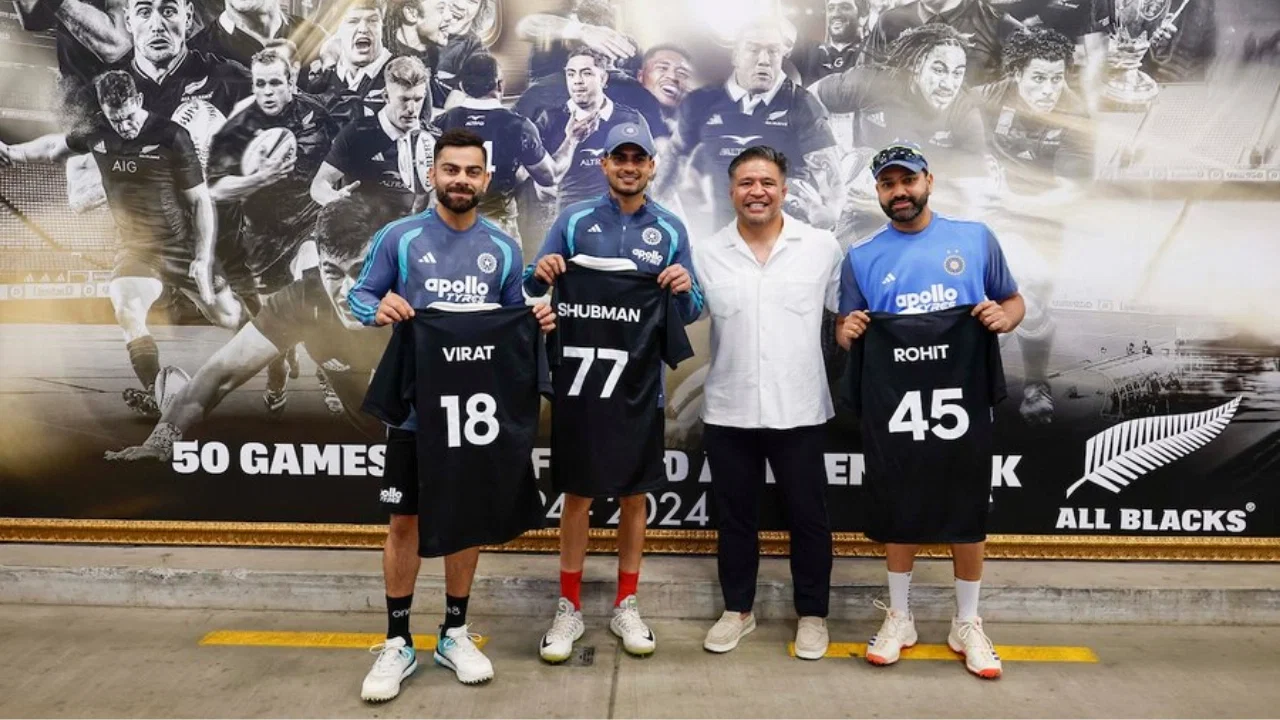
Virat Kohli, Rohit Sharma and Shubman Gill receive personalized All Blacks jerseys ahead of 1st ODI
“The celebration was for my girlfriend”: Arshdeep Singh on gesture after Kyle Jamieson’s dismissal
Rohit Sharma bags first-ever ODI duck against New Zealand in bizarre start to tour
Watch: Virat Kohli teases Glenn Phillips with John Cena’s ‘You Can’t See Me’ celebration
Arshdeep Singh gets hammered as Blair Tickner creates special ODI records in Auckland
Mike Hesson asks Pakistan ground staff to prepare pace-friendly pitches for Sri Lanka Tests
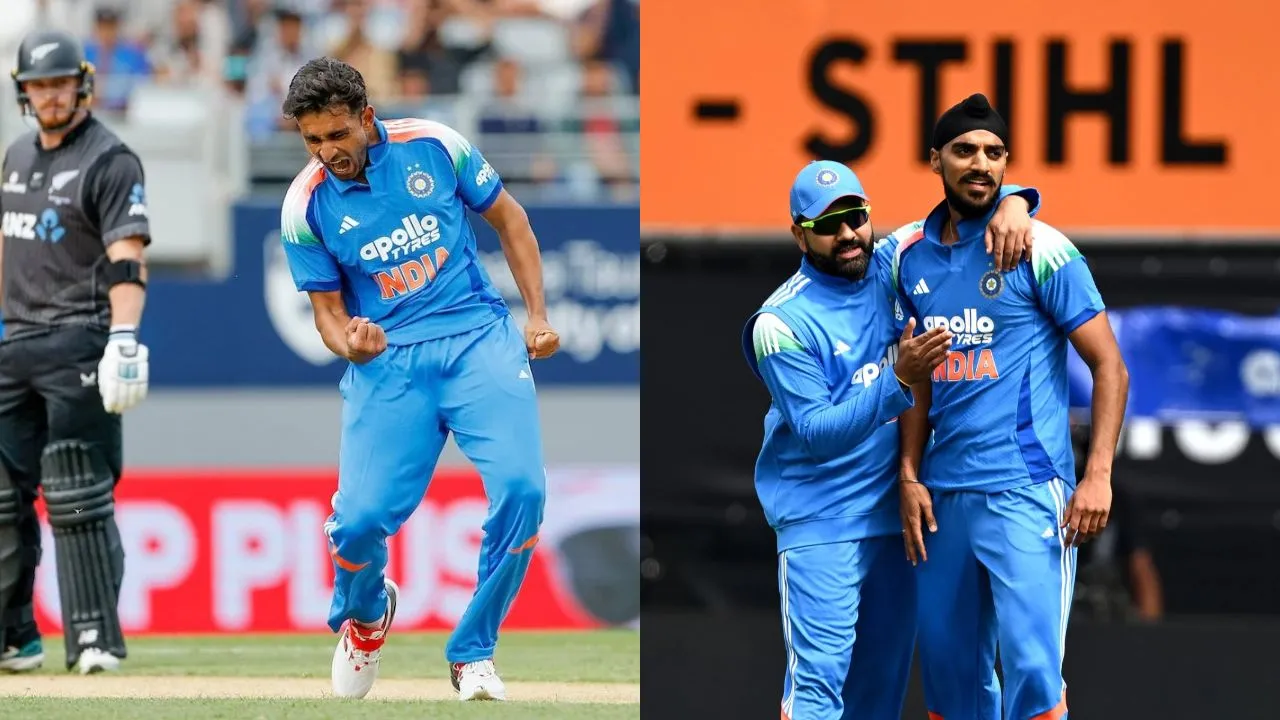
Anshul Kamboj, Arshdeep Singh create history as India dominate New Zealand in 1st ODI
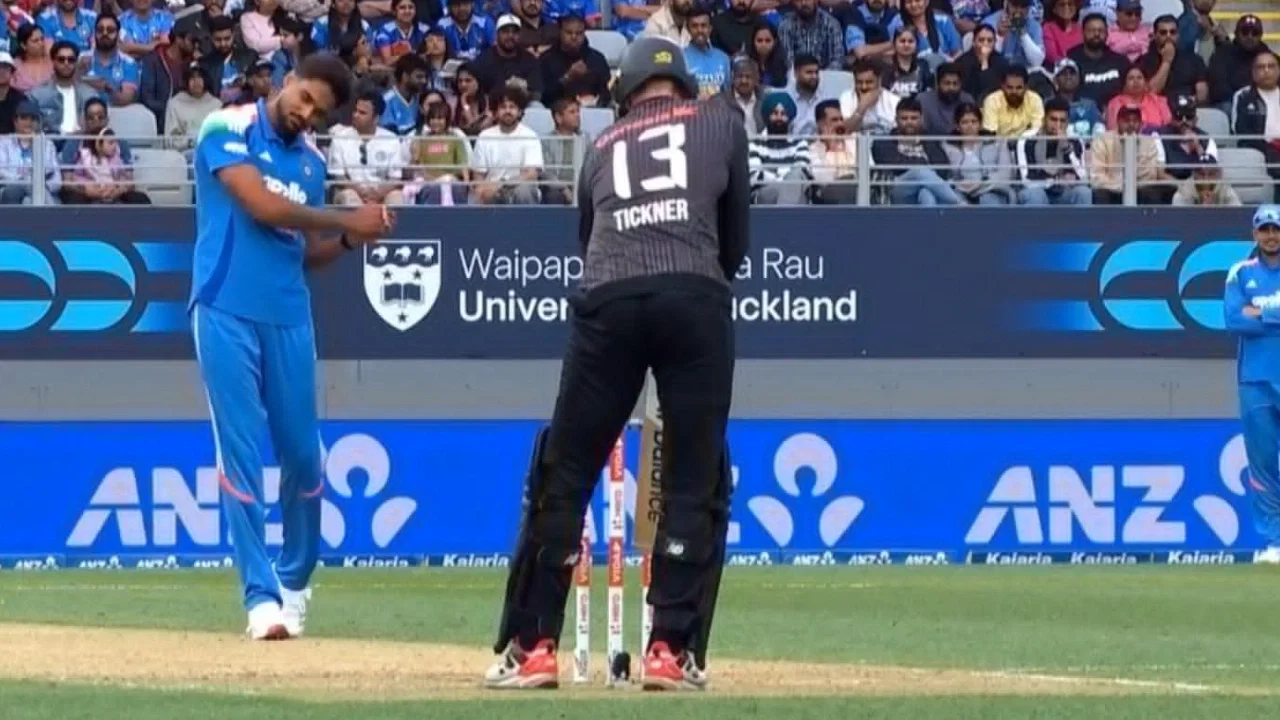
Watch: Gurnoor Brar’s reverse mind game forces Blair Tickner into a mistake in epic banter
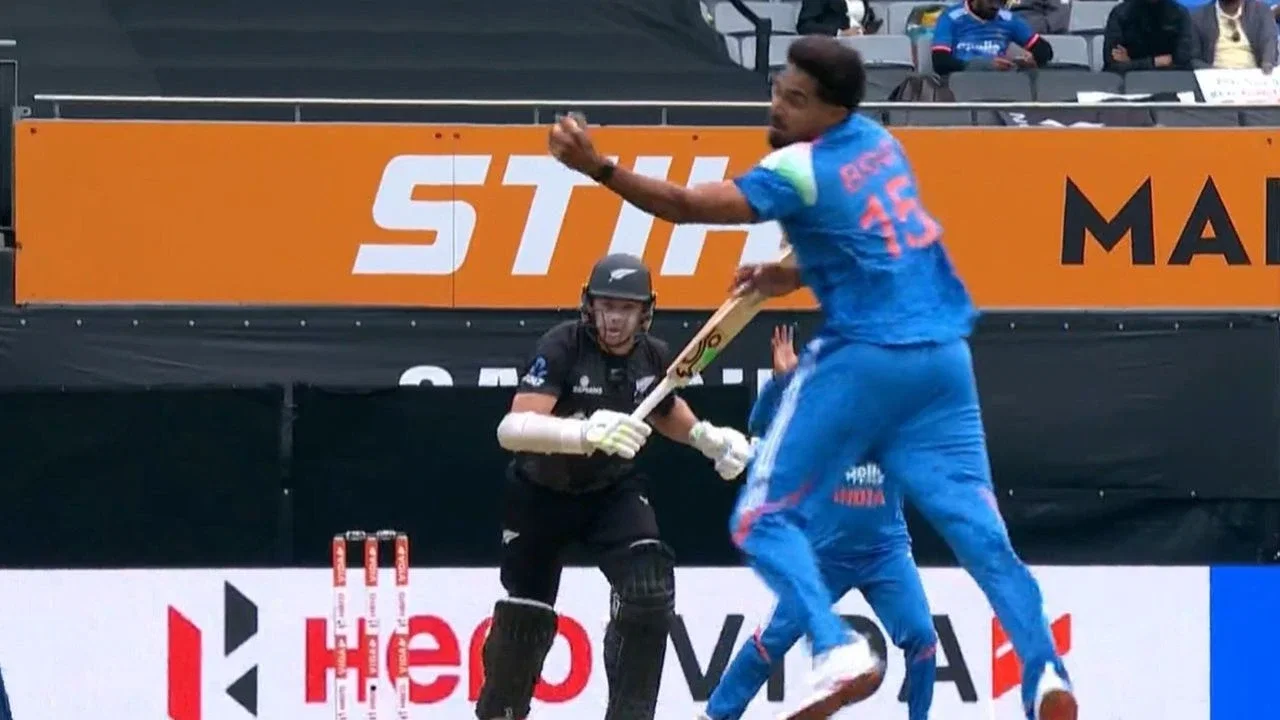
Watch: Gurnoor Brar takes one-handed blinder to dismiss Tom Latham in IND vs NZ 1st ODI
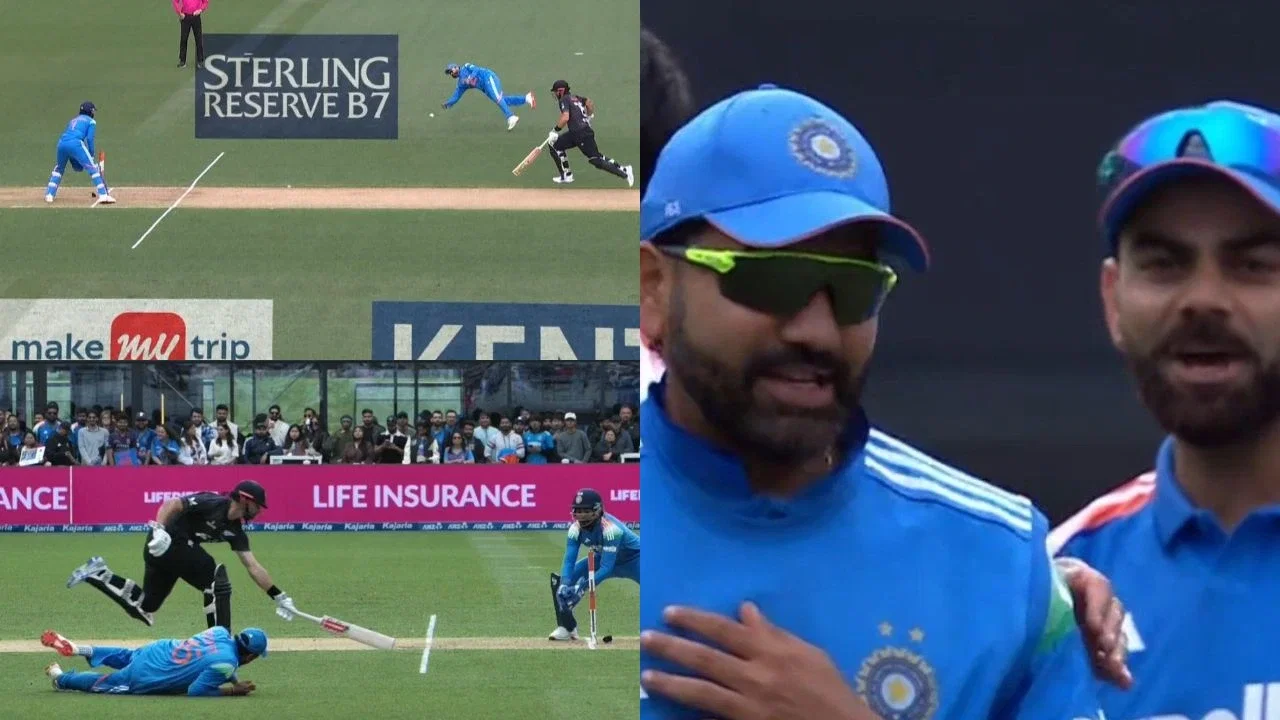
Watch: ‘Flying’ Rohit Sharma’s fielding brilliance sends Daryl Mitchell packing in 1st ODI
Simon Harmer reveals why Jack Leach should be picked for the SA vs ENG Test series
Sadagopan Ramesh questions CSK’s decision to not appoint a batting coach