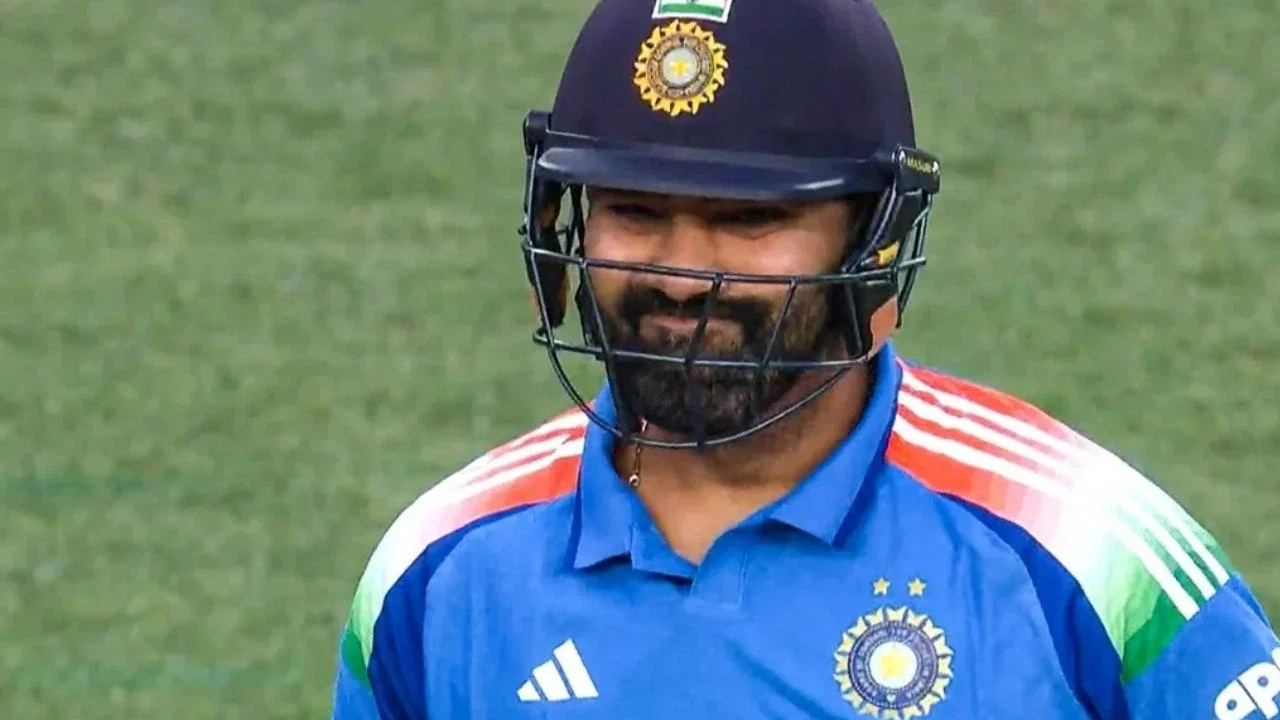
Shubman Gill credits Virat Kohli, Rohit Sharma after India’s dominant win in Auckland
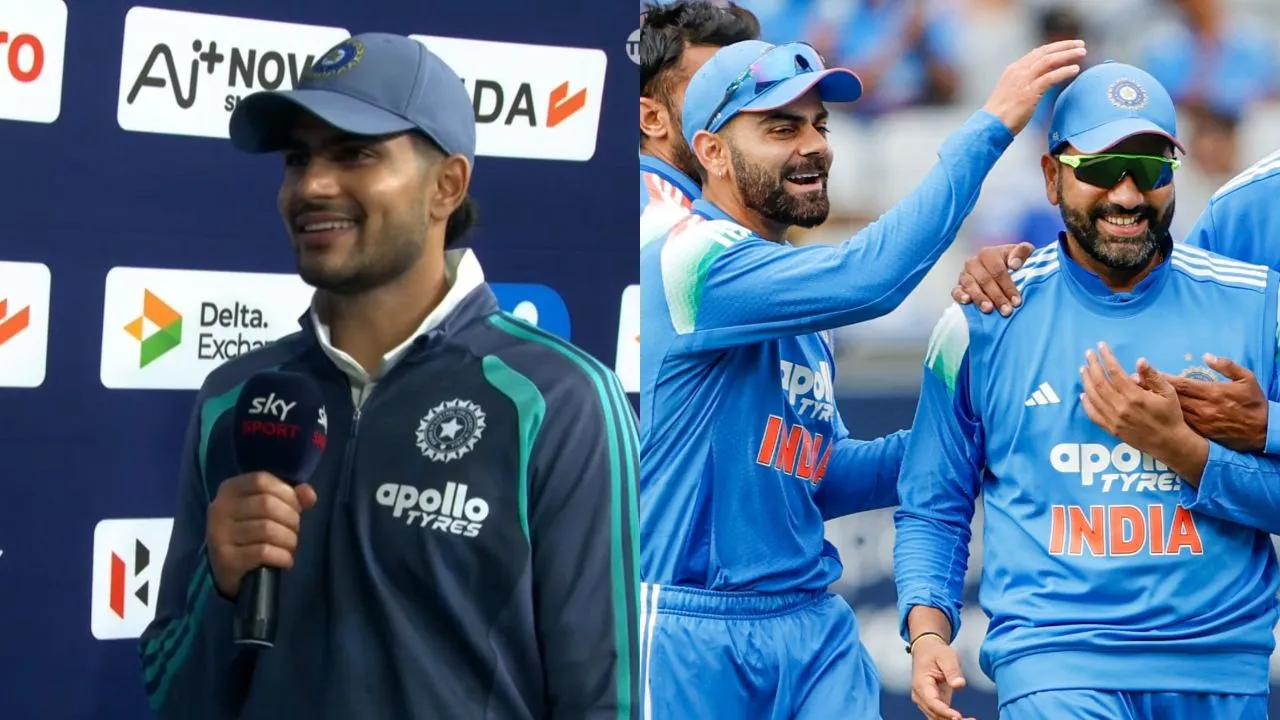
India Take 1–0 Series Lead After Five-Wicket Win Over New Zealand in Auckland
India opened their ODI series against New Zealand with a composed five-wicket victory at Eden Park, chasing a rain-adjusted target of 143 under the Duckworth-Lewis-Stern (DLS) method. The result gave Shubman Gill’s side a 1–0 advantage in the five-match series and offered an encouraging early sign: India’s less experienced bowling attack could make a decisive impact in challenging conditions.
After the match, captain Gill praised the team’s bowling and fielding, singling out Anshul Kamboj and Gurnoor Brar for their contributions. He also highlighted Rohit Sharma’s sharp run-out of Daryl Mitchell as a pivotal moment. With Virat Kohli anchoring the chase, India recovered from an early setback and completed the target with relative control.
India’s Bowlers Turn the Match Around at Eden Park
India won the toss and chose to field, selecting four specialist fast bowlers alongside two all-rounders. New Zealand also took a pace-heavy approach, but the home side struggled to build sustained partnerships as India’s attack found ways to apply pressure.
Will Young was dismissed for nine, and Henry Nicholls soon followed. Tim Seifert briefly counterattacked, scoring 38, but Gurnoor Brar ended his innings before the opener could turn his start into a larger contribution. New Zealand reached 84 for four, leaving Glenn Phillips and Mitchell to rebuild.
The pair threatened to shift the momentum, but Rohit’s alert fielding broke up their partnership. His direct, timely run-out sent Mitchell back for 28 and gave India a crucial breakthrough. Gill later described the play as a turning point, particularly because Phillips and Mitchell had previously shown they could form dangerous partnerships against India.
Anshul Kamboj then helped dismantle the lower order, taking two wickets while conceding only 22 runs. Brar also made an important contribution, and the two inexperienced bowlers claimed five wickets between them. New Zealand were eventually dismissed for 185, giving India a manageable total to pursue once rain affected the match.
Kamboj and Brar Make Their Opportunity Count
Gill was especially pleased with how the new bowlers adapted to the conditions. He described Kamboj as well suited to surfaces that offer seam movement, noting his ability to keep the ball moving and remain effective with the older ball. Brar, meanwhile, offered pace and extra bounce when the pitch was not providing much assistance.
Their performances gave India useful options beyond its more established bowlers. In a long series, that depth could prove valuable: conditions can change from ground to ground, and fresh contributors can help a team manage workloads while maintaining pressure. For the young bowlers, the Auckland performance was also a timely demonstration that they could handle international responsibility.
Kohli’s 74 Guides India Through the Revised Chase
India’s pursuit began badly when Rohit Sharma fell for a duck in the opening over. The early wicket briefly gave New Zealand an opening, but Gill and Kohli responded with a 113-run partnership from 104 deliveries that put India firmly in control.
Kohli led the way with an attacking 74 from 51 balls, striking 13 fours and one six. His ability to find boundaries while keeping the chase organised eased the pressure on the rest of the batting order. Gill contributed 37, providing a steady presence at the other end as the pair negotiated the changing conditions.
Rain interruptions altered the target under DLS and also affected the surface. Gill said the pitch became quicker and offered more movement after the rain, making it important for the batters to adjust rather than assume conditions would remain stable. He credited Kohli’s innings with making that challenge easier for the team.
India lost a few wickets after the partnership ended, but the required target was within reach. Naman Dhir hit the winning runs, sealing a five-wicket victory and confirming India’s early lead in the series.
Gill Praises a Complete Team Performance
Gill’s post-match comments focused on the collective effort rather than the result alone. He said India had bowled well and backed that work up with strong fielding. In limited-overs cricket, those two areas can be especially influential when a side is defending a total: a timely piece of fielding can interrupt a partnership, while disciplined bowling can prevent a recovery from gathering pace.
The captain also acknowledged that rain made the chase more complicated. Once batters are established, a break in play can disrupt their rhythm, and a faster, more responsive pitch may require a change in approach. Gill said India aimed to continue playing its natural game after the target was revised, with Kohli’s confident stroke play helping the side stay on course.
Looking ahead to the next match in Wellington, Gill did not identify major changes that India needed to make. Instead, he emphasised consistency—repeating the same standards with the ball, in the field and during the chase. That will be an important test as New Zealand look to respond and the series moves to a new venue.
What the Auckland Result Means for the Series
India’s opening win offers more than a 1–0 advantage. It provides confidence in a bowling group that included players with limited experience in New Zealand, while Kohli’s innings showed how a senior batter can stabilise a chase after an early wicket. The combination of disciplined bowling, energetic fielding and a decisive partnership gave India a clear route to victory.
For New Zealand, the challenge will be to convert promising starts into longer partnerships and find a way to contain India’s experienced batters. The next fixture could bring different pitch and weather conditions, making adaptability central to both teams’ plans.
As the series continues, the early prediction is that India will carry momentum into Wellington, but the result also underlines how quickly an ODI can change. A partnership, a sharp run-out or a rain interruption can reshape the contest. India handled those moments well in Auckland; maintaining that balance will be key to extending its lead.
Latest News
Virat Kohli becomes first-ever No. 3 batter to score 13,000 runs in ODI cricket

Faf du Plessis names more valuable Test player than Marco Jansen; snubs Joe Root & Jasprit Bumrah

Irfan Pathan breaks silence on Mohammad Amir joining his APL team

Mitchell Starc overtakes Marco Jansen to become World’s No.1 Test bowler again

Zimbabwe announce squad for Afghanistan Tests; Brian Bennett named as captain

BAN vs WI Playing 11 Today, Live Streaming, Pitch & Weather: Bangladesh vs West Indies 2nd Test, 2026
Ajinkya Rahane reveals all-time underrated ODI playing XI with only two Indian batters

Ranji Trophy 2026-27: Meghalaya replace entire squad amid cricket association dispute

“We didn’t adapt as quickly”: Mitchell Santner slams New Zealand’s batting after 1st ODI loss to India
Shubman Gill credits Virat Kohli, Rohit Sharma after India’s dominant win in Auckland

Suresh Raina announces willingness to become CSK coach
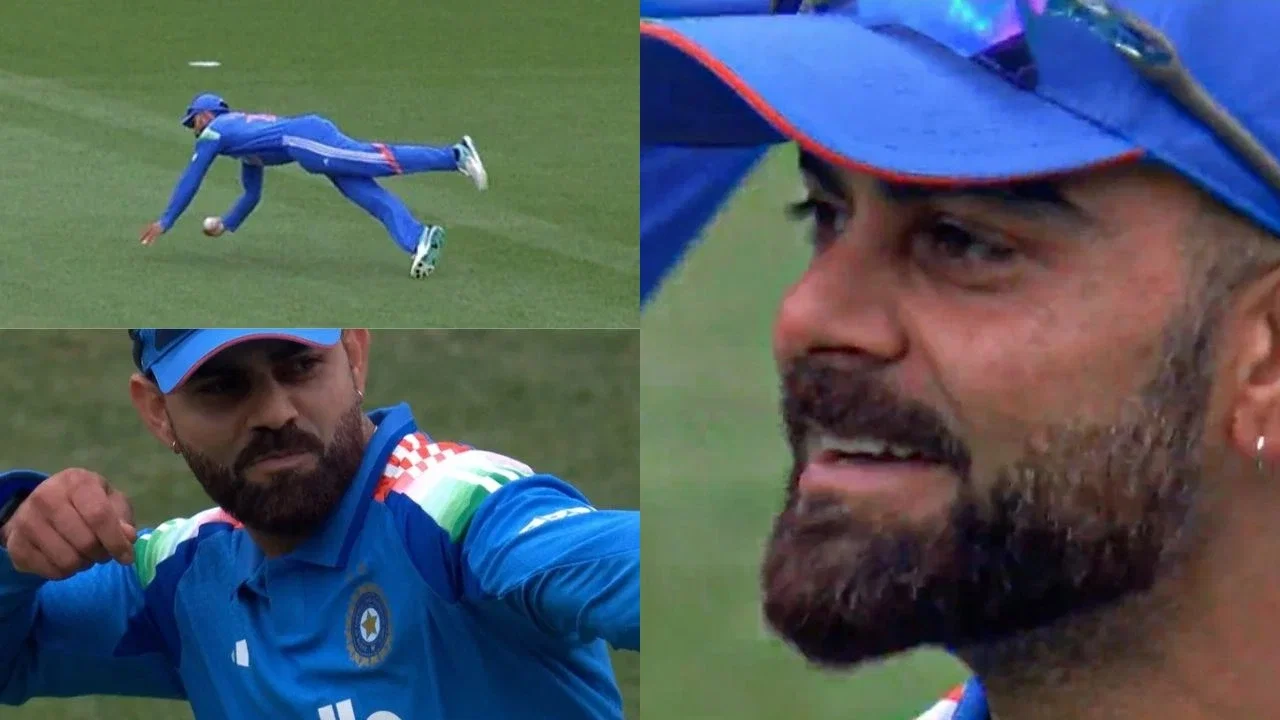
Watch: Virat Kohli takes one-handed blinder before breaking into Bow and Arrow celebration vs NZ

Virat Kohli, Rohit Sharma and Shubman Gill receive personalized All Blacks jerseys ahead of 1st ODI
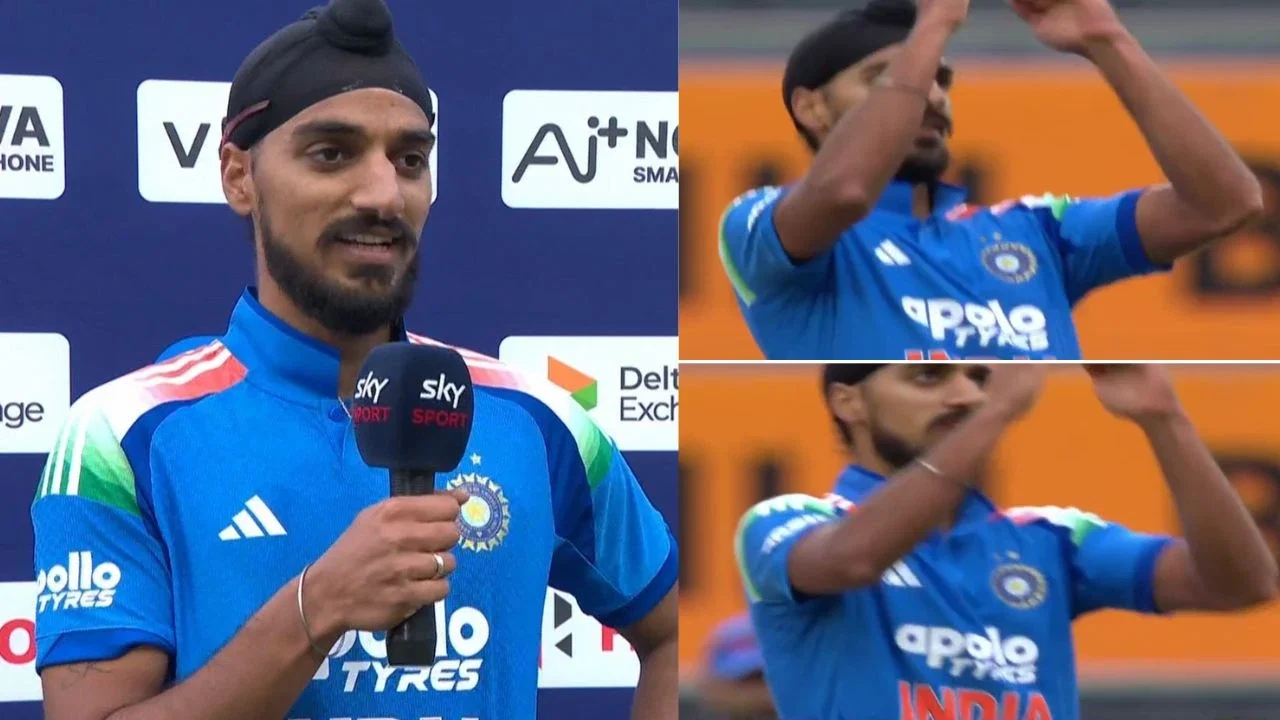
“The celebration was for my girlfriend”: Arshdeep Singh on gesture after Kyle Jamieson’s dismissal