3 reasons why Rohit Sharma’s return as Mumbai Indians captain would be a mistake
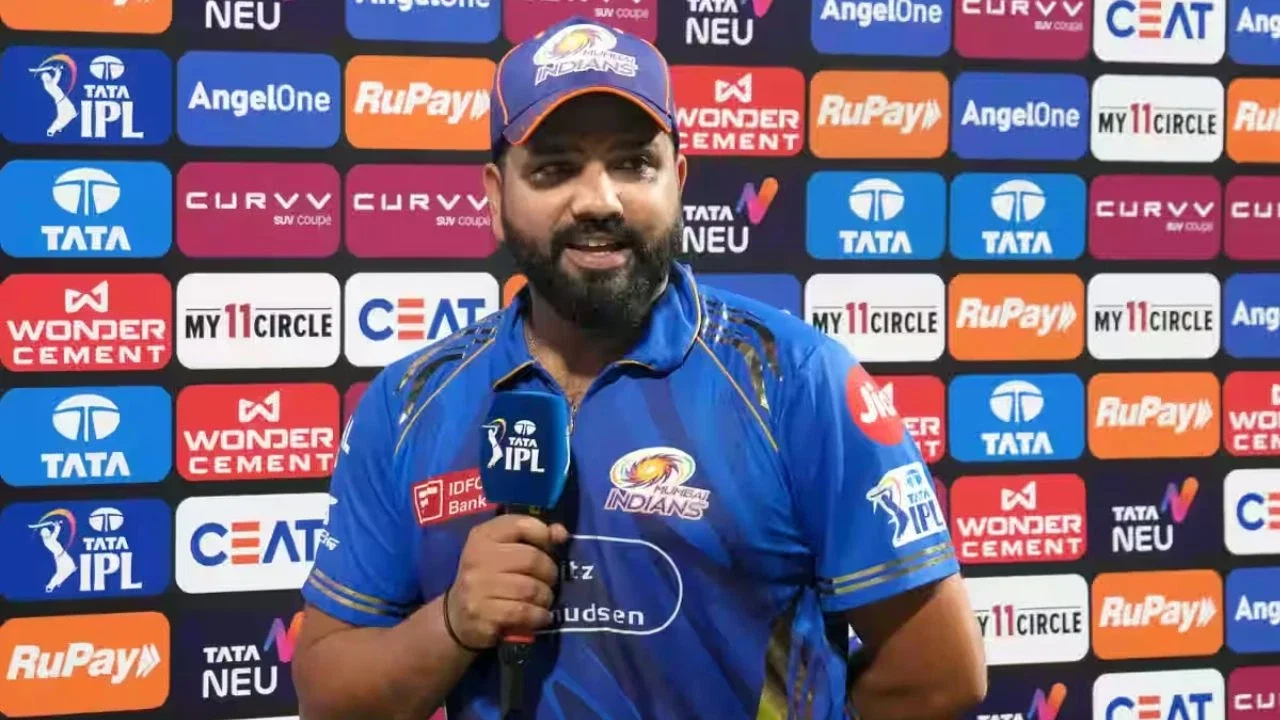
Rohit Sharma as Mumbai Indians Captain in IPL 2027? Why a Reunion May Not Be the Answer
Speculation about Rohit Sharma returning as Mumbai Indians captain ahead of IPL 2027 has sparked fresh debate among fans. The former skipper remains one of the most successful leaders in Indian Premier League history, having guided MI to five titles. His experience, stature and deep connection with the franchise make him an obvious candidate whenever the team’s leadership comes under scrutiny.
But a familiar name is not automatically the right answer. Mumbai have struggled to find consistency in recent seasons, and another captaincy change could bring as many complications as solutions. With the franchise already making changes to its coaching setup and questions surrounding Hardik Pandya’s future in the role, MI’s next decision will need to be guided by a clear long-term plan—not nostalgia alone.
Rohit’s IPL 2027 Prediction: A Leadership Return Is Possible, but Not Certain
Rohit’s record gives the captaincy speculation plenty of fuel. During his time in charge, Mumbai Indians became one of the IPL’s dominant teams, winning five championships and establishing a reputation for performing under pressure. He also understands the franchise’s culture and has led many of its established players through high-stakes campaigns.
Even so, there has been no confirmation that Rohit will return as captain in IPL 2027. Any prediction about MI’s leadership remains speculative until the franchise makes an official announcement. The key question is not simply whether Rohit can lead the side again, but whether taking on that responsibility would serve both the team and the player at this stage of their careers.
Captaincy Could Complicate Rohit’s ODI World Cup Preparation
Rohit is now focused on the ODI format after retiring from Test and T20I cricket. With the 2027 ICC Men’s Cricket World Cup on the horizon, maintaining his fitness, form and availability will be central to his ambitions. At 39, every season brings additional demands on his body, making workload management especially important.
Leading an IPL team involves far more than making decisions during a match. A captain must contribute to selection discussions, attend strategy meetings, assess match-ups, communicate with players and respond to pressure throughout a long tournament. Those duties can consume time and energy that a specialist batter might otherwise devote to preparation, recovery and training.
Rohit has already achieved what few IPL captains can claim: five titles with Mumbai. He has little left to prove as a leader. A role focused on batting could allow him to approach IPL 2027 as an opportunity to sharpen his game and build momentum for international cricket, rather than shoulder the added pressure of running the side.
Mumbai Indians Need a Succession Plan, Not a Temporary Fix
Rohit’s potential return could offer MI an immediate sense of stability, but it would not necessarily address the franchise’s longer-term leadership challenge. He will turn 40 during the 2027 IPL season, and Mumbai cannot depend indefinitely on a player nearing the latter stages of his career to anchor its future plans.
If Rohit were to captain the team for only one or two seasons, MI could soon face another transition. Repeated changes may disrupt team planning, affect player roles and make it harder to build a consistent identity. A more sustainable approach would be to identify a long-term candidate, give that player meaningful responsibility and allow them time to grow into the position.
Suryakumar Yadav and Tilak Varma are among the names that could enter the conversation, although each presents different considerations. Suryakumar brings extensive experience and has held leadership responsibilities, while Tilak could represent a younger option with room to develop. The right choice would depend on the franchise’s assessment of their communication, tactical judgment and ability to command support within the dressing room—not just their performances with the bat.
Hardik Pandya’s Role Adds Another Layer to the Decision
The leadership discussion is also complicated by the history of Rohit’s departure from the captaincy. Hardik Pandya was appointed ahead of the 2024 season, a move that prompted strong reactions from supporters and renewed debate about how the change was handled. If Mumbai now turned back to Rohit, the franchise would need to explain the decision clearly and define Hardik’s role.
Without careful communication, a captaincy switch could create uncertainty among players and reignite questions about who holds authority. That does not mean a change is impossible, but it would require a coordinated plan involving the coaching staff, senior players and management. A clear hierarchy and shared understanding of responsibilities would be essential to prevent speculation from becoming a distraction.
Recent criticism of other Indian batters, including debate around Shreyas Iyer following a T20I defeat, also illustrates how quickly performances and leadership decisions can become entangled in public discussion. For MI, the challenge will be to separate short-term reactions from a considered evaluation of what the squad needs.
What Mumbai Indians Should Consider Before Naming a Captain
Before making a decision, MI must weigh several factors: the team’s immediate need for stability, the development of a future leader, Rohit’s international priorities and the effect of any change on the dressing room. The franchise should also consider whether its recent inconsistency stems primarily from captaincy or from broader issues such as team balance, player availability and execution in key moments.
Changing the captain alone cannot guarantee improved results. A successful rebuild requires consistent selection, clearly defined roles and a squad capable of adapting to different conditions. If Mumbai believe Rohit can provide a short-term bridge while a younger leader develops, that arrangement would need to be openly planned rather than improvised.
Final Verdict: Rohit’s Legacy Is Secure, but MI’s Future Comes First
Rohit Sharma will always be central to Mumbai Indians’ history. His five-title record gives him an unmatched place in the franchise’s story, and his leadership experience would remain valuable in any capacity. Yet a return to the captaincy is not automatically the best prediction for MI’s future—or the best option for Rohit’s own career.
The franchise’s priority should be stability and succession. If Rohit can contribute most effectively as a batter while preparing for the 2027 ODI World Cup, allowing him to focus on that role may benefit both player and team. Mumbai must honour his achievements while building a leadership structure that can endure beyond him. In IPL 2027, the strongest decision may not be the most sentimental one, but the one that gives MI a clear, united and sustainable direction.
Latest News
Rishabh Pant ruled out of 3rd unofficial Test against New Zealand A, doubtful for 1st Test
Mohammad Kaif slams India’s decision to drop Bhuvneshwar Kumar after 87-run defeat
Pat Cummins points to batting collapse after Australia’s series loss to South Africa
Temba Bavuma calls South Africa’s series win over Australia the best of his career
Simon Harmer opens up on his emotional journey after match-winning performance against Australia
David Warner calls Australia’s batting display ‘un-Australian’ after series loss against South Africa
Rohit Sharma set to play in Vijay Hazare Trophy for Mumbai: Report
IND vs NZ Playing 11 Today, Live Streaming, Pitch & Weather: India tour of New Zealand 2026, 5th T20I
AFG vs ZIM Playing 11 Today, Live Streaming, Pitch & Weather: Afghanistan vs Zimbabwe 2026, 3rd T20I
3 costly BCCI decisions that are ruining Yashasvi Jaiswal’s career
No room for Vaibhav Sooryavanshi? Here’s how India can solve the selection puzzle
Ravindra Jadeja’s career over? Cheteshwar Pujara spills truth about all-rounder’s ODI future
Shardul Thakur defends Shreyas Iyer amid batting criticism after India’s 4th T20I loss
3 reasons why Rohit Sharma’s return as Mumbai Indians captain would be a mistake