Pat Cummins points to batting collapse after Australia’s series loss to South Africa
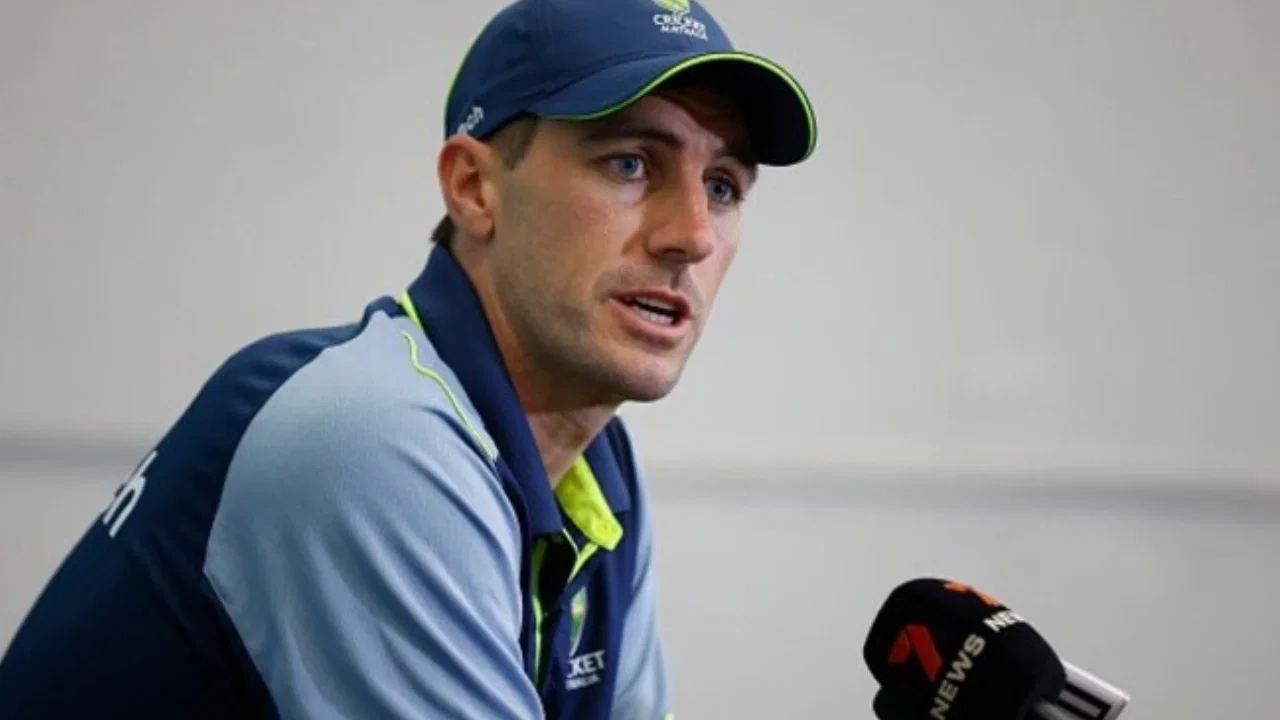
Australia’s 176-Run Defeat in Cape Town Raises Tough Questions for Pat Cummins’ Team
Australia’s hopes of finishing their South African Test tour with a statement victory ended in a 176-run defeat in Cape Town. Chasing a target of 288 in the final match of the three-Test series, Pat Cummins’ side collapsed on the fifth day as Simon Harmer and Kagiso Rabada led the attack. The result handed South Africa a decisive win and pushed Australia from the top of the ICC men’s Test team rankings.
The defeat was more than a disappointing finish to an overseas series. It renewed questions about Australia’s batting consistency, their decision-making in changing conditions and their ability to recover when a Test match turns against them. Cummins described the contest as one of shifting momentum, but the final innings left little doubt about where the game was lost: Australia could not build the partnerships needed to keep the chase alive.
A Test Match of Changing Momentum
Australia had reasons to believe they could win. The visitors made an encouraging start with the ball, taking all ten South African wickets on the opening day and giving themselves a chance to control the match. Cummins later said his team had been in a strong position after that effort, but he acknowledged that the batting performance did not consistently match the bowlers’ work.
The match swung repeatedly. Australia’s batters fell behind at key moments, while South Africa found partnerships that helped them recover and set a challenging target. Cummins pointed to the late stages of the third day as a turning point, when Australia ended the day at 4 for 40 and appeared to be in a promising position. However, South Africa’s resistance made the eventual chase considerably harder.
“It really ebbed and flowed,” Cummins said after the match, reflecting on the early bowling success, Australia’s missed opportunities with the bat and the partnerships that shifted the contest. His assessment captured the central frustration for the visitors: they had chances to seize control, but could not sustain their advantage.
Batting Collapse Defines Australia’s Chase
Australia entered the final innings needing 288 runs, a demanding target but one that remained achievable with patience and a couple of substantial partnerships. Instead, wickets fell at regular intervals. Seven Australian batters were dismissed without scoring, a striking statistic that underlined the scale of the collapse and left the lower order with too much to do.
The batting line-up included experienced and highly regarded players such as Travis Head, Matt Renshaw, Josh Inglis and Cameron Green. Their collective failure to produce a decisive innings became one of the most pressing talking points after the match. Australia had also struggled to make enough runs in their first innings, meaning the team had little margin for error when South Africa set the final target.
Cummins said the conditions offered opportunities for batters who could settle in and face enough deliveries. In his view, Australia lost the contest during the opening hour of the chase, when early wickets prevented the team from establishing a platform. Once the innings began to unravel, South Africa’s bowlers were able to attack with confidence and keep pressure on the incoming batters.
Harmer’s control and Rabada’s pace gave South Africa a potent combination. Harmer could build pressure through accuracy and variation, while Rabada threatened with speed and movement. Together, they exposed the difficulty Australia faced in turning a promising target into a realistic chase.
Selection and Strategy Under the Spotlight
The result is likely to prompt a broader review of Australia’s approach, including their decision to bowl first under bright, clear skies. Conditions and pitch behaviour can change quickly in Test cricket, so that choice alone does not explain the defeat. Still, it will form part of the discussion about whether Australia read the surface correctly and made the most of the opportunities available to them.
The team must also consider how it responds when early plans fail. Australia’s bowling gave them a platform, but the batting did not convert that advantage into lasting control. For a side accustomed to competing at the top of the rankings, the challenge is not simply to identify individual mistakes; it is to find ways to prevent a difficult session from becoming a match-defining collapse.
This loss follows other setbacks during Australia’s recent run, including a heavy defeat against Bangladesh in Durban, as described in reports surrounding the tour. Taken together, those results have added pressure to a team that had been a leading force in Test cricket. The drop from the No. 1 position in the ICC men’s Test rankings is a visible consequence, but the more important issue is whether Australia can regain consistency across conditions and opponents.
Cummins Backs His Teammates Despite the Setback
Although Cummins was candid about the team’s shortcomings, he avoided singling out individual players. He said Australia remained a strong side and acknowledged that winning away from home is difficult. The captain also made clear that the team had travelled to South Africa believing it could win, only to fall short when it mattered.
That response reflects the balance captains often need after a major defeat: accountability without undermining confidence. Australia’s players will have a short period to recover and assess the series before their next Test assignment. The break offers an opportunity to review footage, address technical weaknesses and rebuild confidence after an innings in which the team never found its footing.
What Australia Must Improve Before the Next Test
Australia’s immediate priority will be to turn promising positions into sustained control. That means valuing partnerships, managing pressure after losing early wickets and ensuring that the middle order can absorb difficult spells. The final innings in Cape Town showed how quickly a chase can become unrealistic when batters fail to get established.
The team’s bowling remains a major strength, but Test victories depend on all three departments working together. Australia will need more reliable contributions from the top and middle order, particularly in overseas conditions where opponents can exploit small technical or tactical weaknesses. Better decision-making at the start of an innings and greater discipline against quality spin and pace could be central to their response.
For supporters looking ahead, any prediction about Australia’s next Test campaign will depend on how effectively the side learns from Cape Town. The defeat does not erase the team’s talent or experience, but it does highlight the gap between having match-winning players and producing a complete performance. South Africa earned the victory with disciplined bowling and timely partnerships; Australia, meanwhile, must find a way to make its own good starts count.
The Cape Town result will be remembered for the 176-run margin and the dramatic final-day collapse. But its longer-term significance may lie in the questions it leaves behind. Australia have the personnel to challenge the best teams, yet their next step will depend on restoring batting resilience and converting competitive positions into wins.
Latest News

Rishabh Pant ruled out of 3rd unofficial Test against New Zealand A, doubtful for 1st Test

Mohammad Kaif slams India’s decision to drop Bhuvneshwar Kumar after 87-run defeat
Pat Cummins points to batting collapse after Australia’s series loss to South Africa

Temba Bavuma calls South Africa’s series win over Australia the best of his career

Simon Harmer opens up on his emotional journey after match-winning performance against Australia

David Warner calls Australia’s batting display ‘un-Australian’ after series loss against South Africa
Rohit Sharma set to play in Vijay Hazare Trophy for Mumbai: Report

IND vs NZ Playing 11 Today, Live Streaming, Pitch & Weather: India tour of New Zealand 2026, 5th T20I

AFG vs ZIM Playing 11 Today, Live Streaming, Pitch & Weather: Afghanistan vs Zimbabwe 2026, 3rd T20I
3 costly BCCI decisions that are ruining Yashasvi Jaiswal’s career
No room for Vaibhav Sooryavanshi? Here’s how India can solve the selection puzzle

Ravindra Jadeja’s career over? Cheteshwar Pujara spills truth about all-rounder’s ODI future

Shardul Thakur defends Shreyas Iyer amid batting criticism after India’s 4th T20I loss

3 reasons why Rohit Sharma’s return as Mumbai Indians captain would be a mistake