Shardul Thakur defends Shreyas Iyer amid batting criticism after India’s 4th T20I loss

Shardul Thakur Backs Shreyas Iyer After India’s Heavy T20I Defeat to New Zealand
India’s 87-run loss to New Zealand in the fourth T20I has put captain Shreyas Iyer’s recent batting form under scrutiny. Iyer made a brisk 22 from 11 deliveries in Auckland, but his contribution came in a match where India were chasing a daunting target of 260 and finished on 172 for nine.
Former India all-rounder Shardul Thakur has urged observers not to judge Iyer too harshly on the basis of a short run of scores. He argued that batting in the middle order is shaped by the circumstances of each innings—and that Iyer’s responsibilities extend beyond scoring runs. As India’s captain, he must also make decisions in a format where the game can change rapidly over just a few overs.
Why batting at No. 4 can be a difficult assignment
In T20 cricket, a No. 4 batter rarely knows exactly what kind of innings will be required before walking to the crease. If the top order has made a fast start, the middle-order player may need to keep the pressure on. If early wickets have fallen, the priority can shift to rebuilding before accelerating. The same position can therefore demand very different approaches from one match to the next.
Thakur said Iyer has to respond to the platform created by the top three rather than set the opening tempo himself. He also noted that Iyer can sometimes be pushed down to No. 5 when India sends a left-handed batter in ahead of him as a tactical option. That change can affect both his entry point and the amount of time available to settle in.
“Many times, how you bat depends on the match situation, and at the number he bats, he has to react to the situation,” Thakur said on Sony LIV. “He cannot set the momentum. The momentum gets set by the top three batters, but Shreyas Iyer comes at No. 4, and sometimes at No. 5 if the left-hander is sent in as a tactical call.”
Iyer’s recent numbers need match context
Iyer has scored 80 runs across four innings on the New Zealand tour, a return that is likely to invite debate given his importance in India’s batting order. Yet the team has already secured the T20I series 3–1, showing that results across a campaign cannot be measured by one player’s aggregate alone. The fourth match was also an unusually demanding chase: India needed to score at a steep rate from the outset after New Zealand posted 260.
His 22 off 11 balls offered a quick start, but a brief innings can look different depending on the match situation and what follows. In a chase of that scale, a batter may be asked to attack early, even though that approach carries a greater risk of dismissal. A single scoreline cannot fully explain whether a player’s decision-making was sound or whether the opposition’s bowling and the required run rate made the task difficult.
That distinction matters when assessing a middle-order batter. Unlike an opener, Iyer may have limited time to build an innings, particularly if he arrives late or the scoreboard demands immediate acceleration. His role can involve rebuilding, rotating the strike, targeting specific bowlers and finishing strongly—all within the same innings.
Captaincy adds another layer of pressure
Thakur also pointed to the additional demands of leading India. A captain must monitor the match, communicate with teammates and make tactical calls while preparing to bat. In T20 cricket, those decisions can involve changes in field settings, bowling match-ups and the timing of a chase. The mental workload does not disappear when the captain walks out to the middle.
For Iyer, the batting brief can be especially demanding: assess the state of the innings, judge the scoreboard, build a platform where needed and still find a way to increase the scoring rate at the end. Thakur said that once Iyer is set, he is also expected to contribute in the closing overs—an aspect of the role that requires both composure and power-hitting.
“You have to react based on the situation and the scoreboard. So, it’s not an easy position to bat, and once you get set, you also need death batting,” Thakur explained. “It’s a challenge as to how you adapt to the game, set the tempo of your batting, and finish as well. So, he has a lot of responsibility.”
Thakur points to Iyer’s leadership record
Thakur’s defence also drew on Iyer’s experience as a franchise captain. Iyer led Kolkata Knight Riders to the Indian Premier League title and later guided Punjab Kings to the final. Those campaigns, Thakur suggested, show that Iyer has demonstrated leadership ability even as he continues to adjust to the demands of captaining India.
Leadership records do not guarantee runs in every match, but they provide useful context when evaluating a player’s broader contribution. A captain’s value can include decision-making, team management and the ability to maintain confidence during difficult stretches—not only the number of boundaries scored.
Thakur acknowledged that decision-making can fluctuate under pressure, particularly in a format as fast-paced as T20. He nevertheless said Iyer has shown his captaincy skills while leading the national side and cautioned against drawing sweeping conclusions from a few innings.
What the prediction is for Iyer’s next innings?
The prediction for Iyer’s immediate future should be measured rather than dramatic. His recent scores will keep the spotlight on him, but the most useful indicator will be how he responds in upcoming matches: whether he finds a clearer rhythm, adapts to different entry points and balances acceleration with the needs of the innings. A strong performance could quickly shift the conversation, just as a quiet outing should not erase his previous achievements.
For India, the bigger challenge is ensuring that the middle order has defined roles for different match scenarios. A batter at No. 4 may need to attack after a strong powerplay one day and rebuild after early wickets the next. Clear communication about those expectations can help Iyer—and the rest of the batting group—make decisions with greater confidence.
Thakur’s central message is that T20 form can move quickly in either direction. Iyer’s 80 runs in four innings merit attention, but they do not tell the whole story of his performances, responsibilities or leadership. With India already winning the series, the next step is to assess how he responds over a broader run of games rather than allowing one heavy defeat to define his form.
Latest News
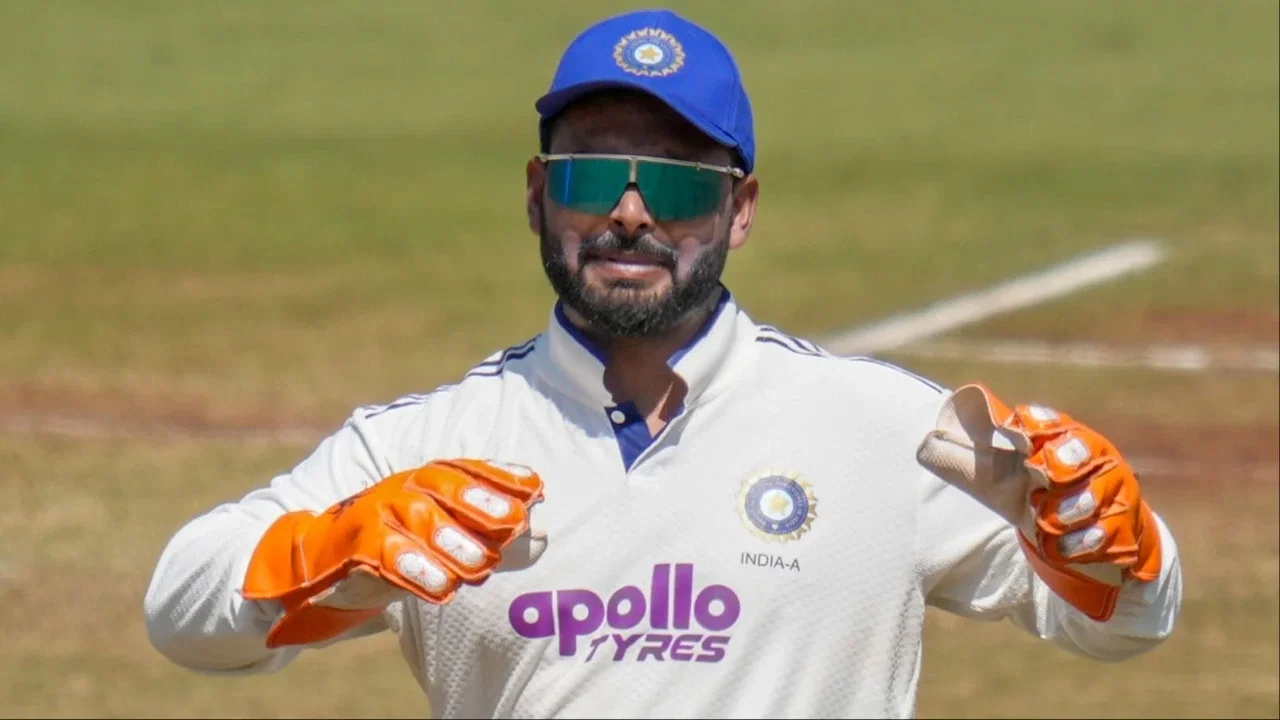
Rishabh Pant ruled out of 3rd unofficial Test against New Zealand A, doubtful for 1st Test

Mohammad Kaif slams India’s decision to drop Bhuvneshwar Kumar after 87-run defeat
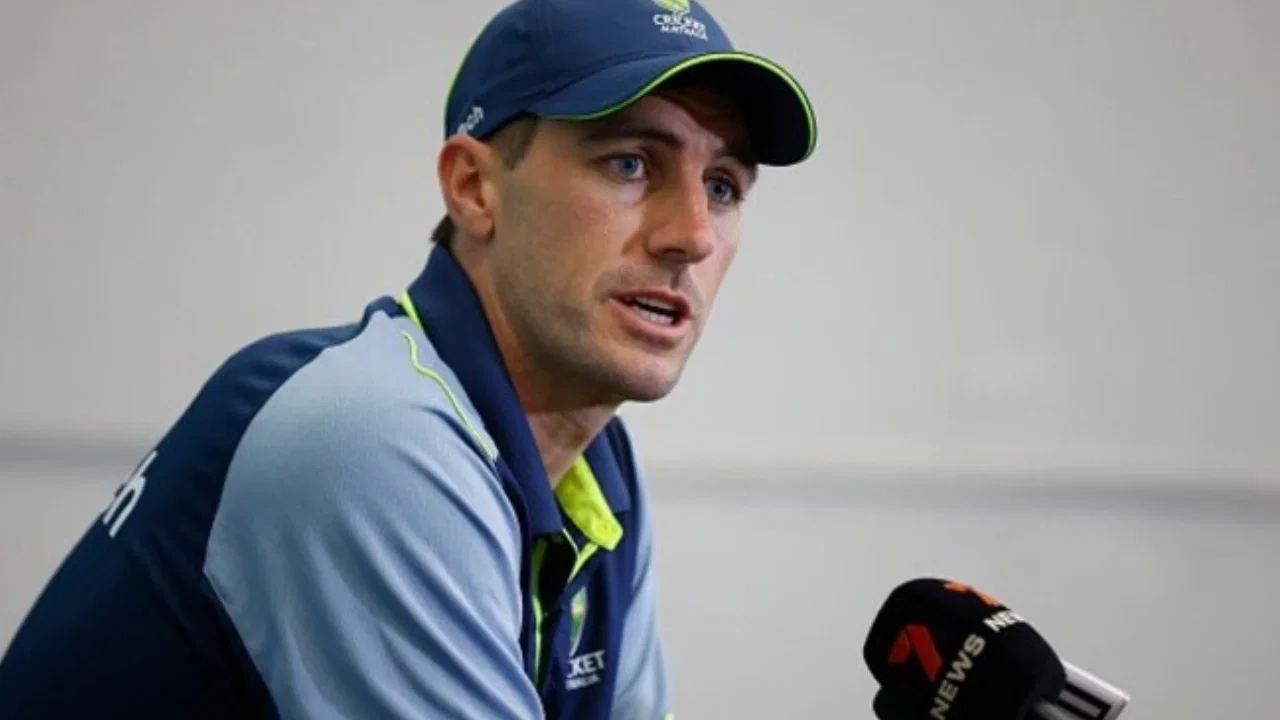
Pat Cummins points to batting collapse after Australia’s series loss to South Africa

Temba Bavuma calls South Africa’s series win over Australia the best of his career

Simon Harmer opens up on his emotional journey after match-winning performance against Australia

David Warner calls Australia’s batting display ‘un-Australian’ after series loss against South Africa
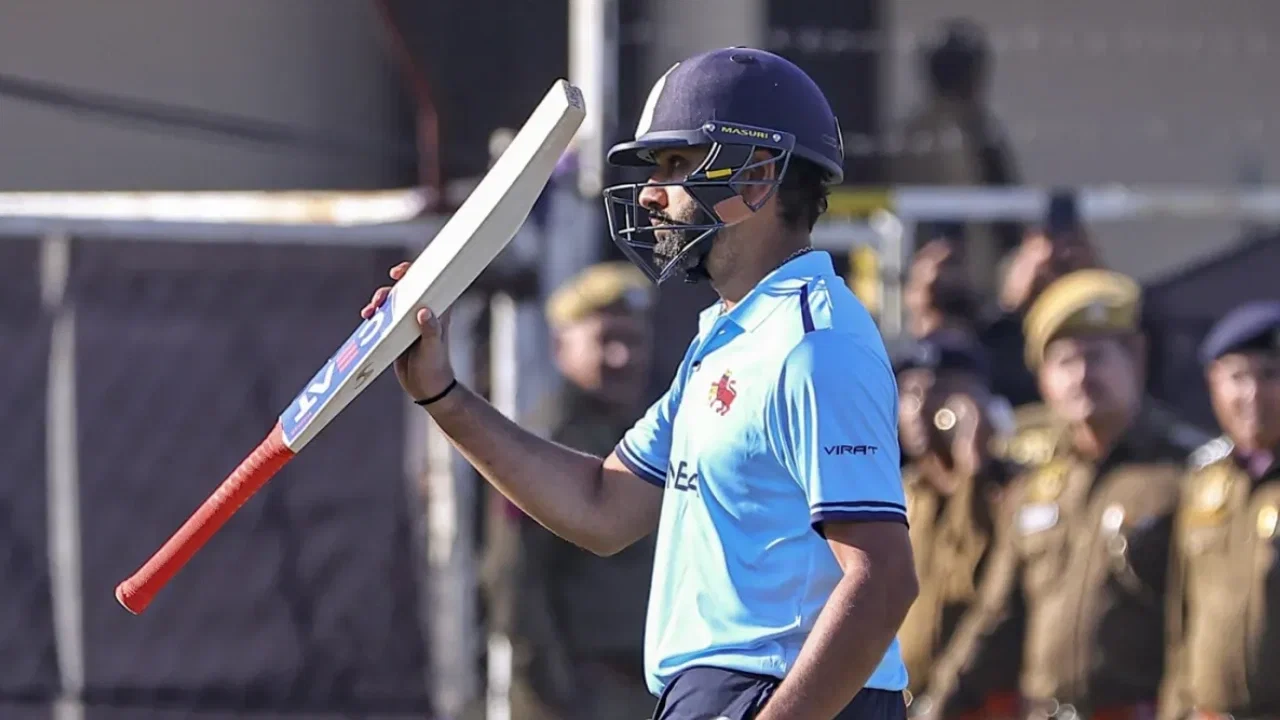
Rohit Sharma set to play in Vijay Hazare Trophy for Mumbai: Report

IND vs NZ Playing 11 Today, Live Streaming, Pitch & Weather: India tour of New Zealand 2026, 5th T20I
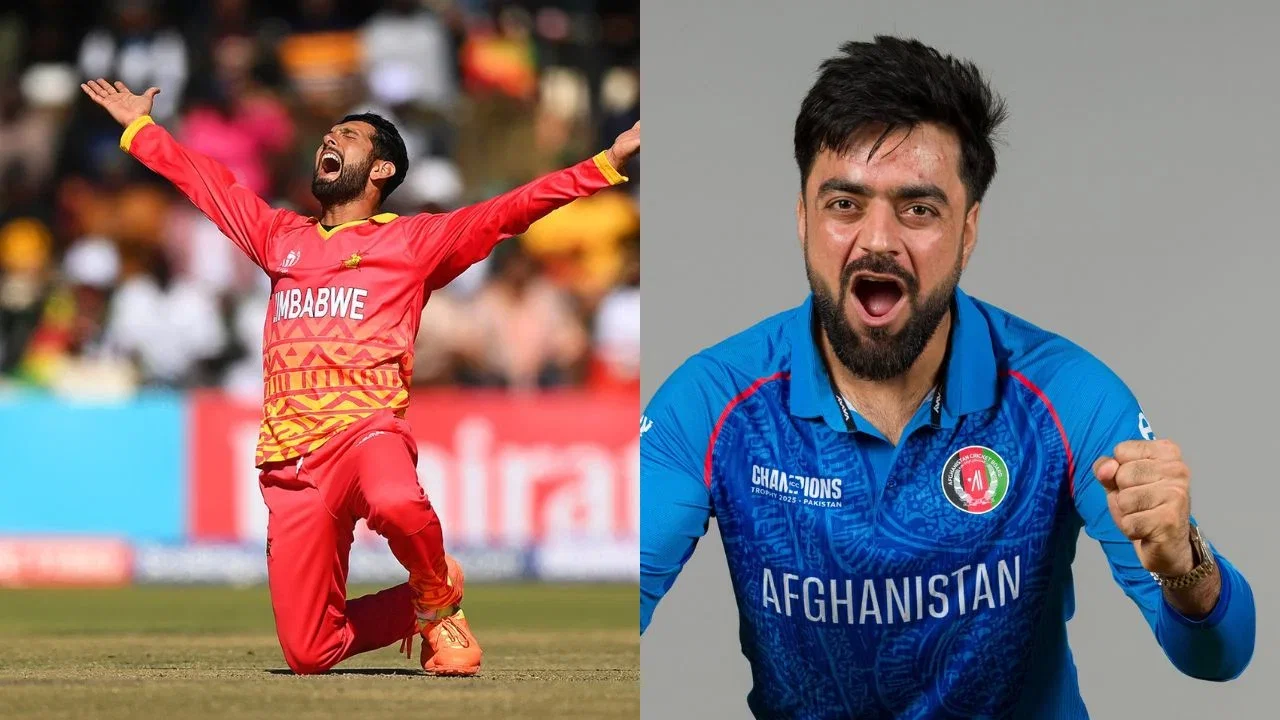
AFG vs ZIM Playing 11 Today, Live Streaming, Pitch & Weather: Afghanistan vs Zimbabwe 2026, 3rd T20I
3 costly BCCI decisions that are ruining Yashasvi Jaiswal’s career
No room for Vaibhav Sooryavanshi? Here’s how India can solve the selection puzzle
Ravindra Jadeja’s career over? Cheteshwar Pujara spills truth about all-rounder’s ODI future
Shardul Thakur defends Shreyas Iyer amid batting criticism after India’s 4th T20I loss
3 reasons why Rohit Sharma’s return as Mumbai Indians captain would be a mistake