No room for Vaibhav Sooryavanshi? Here’s how India can solve the selection puzzle
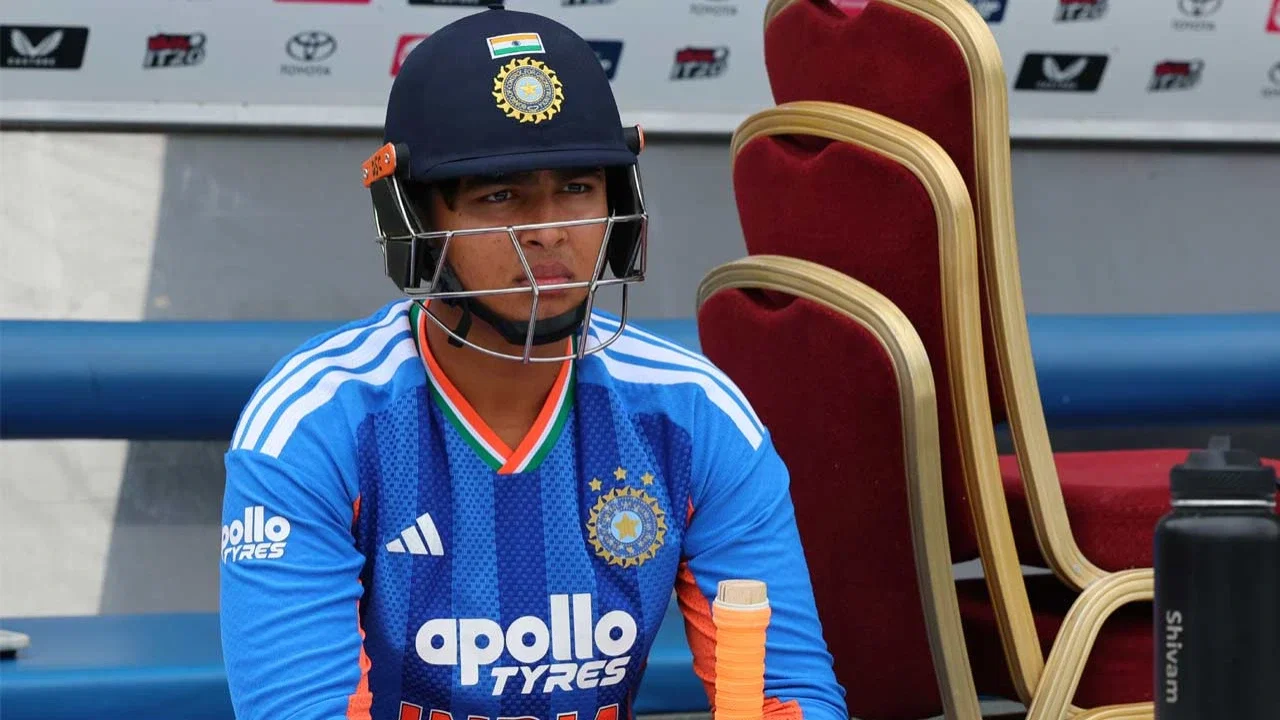
Vaibhav Sooryavanshi’s Rise Creates a T20I Selection Puzzle for India
Vaibhav Sooryavanshi’s rapid emergence has given Indian cricket fans plenty to celebrate—and left selectors with a difficult question. The teenage batter has already shown the confidence and attacking intent to make an impact at the highest level, but India’s crowded T20I top order leaves limited room for another opener.
Abhishek Sharma, Sanju Samson and Ishan Kishan are all competing for prominent roles, with each offering a different combination of power, experience and flexibility. When one player returns to the XI, another may have to sit out. Sooryavanshi’s omission from the fourth T20I against New Zealand has therefore renewed debate about how India can give the youngster meaningful opportunities without overlooking established performers.
A striking partnership, followed by a spell on the sidelines
Sooryavanshi made headlines during the series with a brisk 45-run innings alongside Abhishek Sharma. The pair combined in a 133-run opening stand, with Abhishek contributing 113 as India produced a record-breaking partnership in Wellington. Their display offered a glimpse of how two aggressive left-handers could put a bowling attack under pressure from the outset.
But Sooryavanshi did not feature in the fourth match after Kishan returned to the side. The decision highlighted the practical challenge facing India: strong performances do not automatically guarantee a regular place when several players are competing for a small number of batting positions.
That selection call does not, by itself, settle the question of Sooryavanshi’s future. Teams often adjust combinations according to conditions, workload and match plans. Still, when a young player delivers an eye-catching performance and is then left out, supporters naturally want to know whether the team has a longer-term plan for his development.
Why a planned rotation policy could help
India may not need to treat Sooryavanshi’s selection as a direct contest against Abhishek, Samson or Kishan. A carefully managed rotation policy during bilateral T20I series could provide a more practical solution. It would allow the team to assess different combinations while managing the demands placed on its regular players.
For example, after a demanding run of matches, a senior batter could be rested for one game, creating an opportunity for Sooryavanshi to open alongside another partner. Samson and Kishan could also be rotated according to form, fitness, workload and the role required for a particular opposition or venue.
Rotation should not mean making changes without purpose. Each selection should answer a clear question: Can Sooryavanshi handle a specific type of bowling attack? Does the pairing with Abhishek provide the right balance? Can Samson or Kishan strengthen the middle order if the opening combination is settled? A structured approach would help India collect useful evidence rather than relying on brief, isolated appearances.
Consistency matters—but so does careful development
Adjusting to international cricket takes time. Young batters must learn to cope with unfamiliar bowling plans, sharper fielding and the pressure of performing in front of large audiences. Regular opportunities can help a player understand those demands and make better decisions under pressure.
For that reason, selecting Sooryavanshi for one match and dropping him immediately afterwards may make it difficult to judge his progress fairly. A defined run of appearances—where team circumstances allow—could give India a clearer picture of his strengths, areas for improvement and ideal position in the batting order.
At the same time, patience is essential. Sooryavanshi is only 15, and his promising start should not turn into an expectation that he must deliver match-winning performances every time he plays. The team’s responsibility is to create a supportive development pathway, manage public pressure and avoid rushing him into a permanent role before he is ready.
Former New Zealand coach Stephen Fleming has backed India’s decision to leave the teenager out of the fourth T20I, underlining that selection decisions can be viewed differently depending on a team’s immediate plans. The broader issue is not whether one omission was right or wrong, but how India can balance short-term match strategy with long-term player development.
Building towards the 2028 T20 World Cup
India’s planning should extend beyond the next match. With the 2028 ICC T20 World Cup on the horizon, the team has time to test combinations and identify which players complement one another across different conditions. Sooryavanshi and Abhishek have already demonstrated the potential of an attacking opening partnership, but one strong stand is only an early indication—not a guarantee of a future pairing.
Samson and Kishan also remain important options. Their experience and varied skill sets could give India flexibility, whether the team needs a wicketkeeper-batter, a different approach at the top or additional depth elsewhere in the order. The challenge is to assess all those possibilities without allowing competition to become a series of unpredictable in-and-out selections.
What India’s next selection decisions could reveal
India’s handling of Sooryavanshi will be closely watched because it may signal how the team intends to manage emerging talent. A clear rotation plan could help selectors compare players, protect workloads and give promising batters a fair chance to adapt. It would also make each selection easier to understand: a player could be rested or rotated as part of a strategy rather than appearing to lose his place after one match.
The most sensible prediction is that India will continue to experiment, particularly in bilateral series, before settling on a preferred combination for major tournaments. Sooryavanshi’s explosive start has strengthened his case, but consistency, maturity and the team’s balance will all shape his path into the regular T20I XI.
For now, India’s selection dilemma is also a sign of depth. The task is to turn that depth into a deliberate plan—one that gives Sooryavanshi room to grow, keeps established players involved and helps the team build a versatile batting unit for the years ahead.
Latest News
Rishabh Pant ruled out of 3rd unofficial Test against New Zealand A, doubtful for 1st Test
Mohammad Kaif slams India’s decision to drop Bhuvneshwar Kumar after 87-run defeat
Pat Cummins points to batting collapse after Australia’s series loss to South Africa
Temba Bavuma calls South Africa’s series win over Australia the best of his career
Simon Harmer opens up on his emotional journey after match-winning performance against Australia
David Warner calls Australia’s batting display ‘un-Australian’ after series loss against South Africa
Rohit Sharma set to play in Vijay Hazare Trophy for Mumbai: Report
IND vs NZ Playing 11 Today, Live Streaming, Pitch & Weather: India tour of New Zealand 2026, 5th T20I
AFG vs ZIM Playing 11 Today, Live Streaming, Pitch & Weather: Afghanistan vs Zimbabwe 2026, 3rd T20I
3 costly BCCI decisions that are ruining Yashasvi Jaiswal’s career
No room for Vaibhav Sooryavanshi? Here’s how India can solve the selection puzzle
Ravindra Jadeja’s career over? Cheteshwar Pujara spills truth about all-rounder’s ODI future
Shardul Thakur defends Shreyas Iyer amid batting criticism after India’s 4th T20I loss
3 reasons why Rohit Sharma’s return as Mumbai Indians captain would be a mistake