David Warner calls Australia’s batting display ‘un-Australian’ after series loss against South Africa

South Africa Seal 2-1 Test Series Win as David Warner Criticizes Australia’s Batting
South Africa completed a stirring comeback against Australia, winning the third Test to claim the series 2-1. After losing the opening match by 214 runs, Temba Bavuma’s team responded with two consecutive victories, combining determined batting with a decisive display from their bowlers.
Australia entered the final innings needing 288 runs to win the Test and take the series. Instead, the visitors collapsed for just 111, prompting former Australian opener David Warner to deliver a blunt assessment of the team’s batting performance. Speaking on Fox Sports, Warner said the display lacked the fight expected from an Australian side, describing it as “un-Australian” and “disgraceful.”
Warner: Australia’s batters “let the bowlers down”
Warner’s criticism focused on the scale of the opportunity Australia had in the final innings. A target of 288 offered a realistic route to victory, but early wickets quickly shifted the match—and the series—South Africa’s way.
“I am just upset. It’s terrible. It’s un-Australian. There’s no fight whatsoever,” Warner said, as quoted by Cricbuzz. He added that with the Test and series on the line, Australia’s approach had fallen well short of what the moment demanded.
Warner also argued that the batting unit had repeatedly failed to provide enough support across the series. While acknowledging Matt Renshaw’s resistance in the first Test, he said the batters had let the bowlers down over the course of the contest. His comments reflected the frustration of seeing Australia move from a strong first-innings position in the decider to a heavy defeat.
South Africa turn the series around
The result capped a significant turnaround for Bavuma’s side. South Africa began the series on the back foot after Australia won the first Test by 214 runs. The hosts then levelled the contest in the second match, with Bavuma producing a composed, important innings when his team needed leadership under pressure.
That victory changed the momentum heading into the decider. South Africa carried the confidence of their comeback into the third Test, where their top-order contributions and disciplined bowling ultimately proved decisive. The series win was not simply the product of one standout performance: it followed a gradual recovery in which different parts of the team stepped forward at crucial moments.
Starc strikes, but South Africa build a strong total
Australia won the toss in the third Test and chose to field. South Africa’s opening pair, Aiden Markram and Marques Ackerman, made the visitors work hard for their first breakthrough, putting together a 158-run partnership. Markram scored 70, while Ackerman came close to a century with 95.
Mitchell Starc later led Australia’s response with a six-wicket haul, helping prevent South Africa from turning a promising start into an even larger total. The hosts were eventually dismissed for 329, but their opening stand had already laid a useful foundation.
Australia then appeared to take control of the match. Josh Inglis struck 102, Alex Carey made 80, Cameron Green added 65, and Renshaw contributed 70 as the visitors reached 429. Their first-innings lead of 100 gave Australia a valuable advantage and seemed to place them in a strong position to dictate the match.
Rickelton and Mulder set Australia a target of 288
South Africa needed a substantial response in their second innings, and Ryan Rickelton and Wiaan Mulder supplied it. Rickelton scored 101, while Mulder made 115, combining resilience with attacking intent to shift pressure back onto Australia.
Their centuries helped South Africa recover from the first-innings deficit and set a target of 288. The total was challenging but achievable, particularly after Australia had demonstrated its batting depth in the first innings. That made the visitors’ subsequent collapse all the more damaging—and intensified scrutiny of their approach under pressure.
Australia’s chase unravels in the opening over
The pursuit began disastrously. Renshaw was dismissed from the first ball of Australia’s second innings, and Marnus Labuschagne followed in the same over for four. Losing two batters immediately left the visitors chasing the game before they had established a partnership.
Wickets continued to fall, and Australia reached 60 for seven by the end of the first session. Green attempted to steady the innings but was dismissed for 27 soon after lunch. Captain Pat Cummins and Nathan Lyon then added 45 runs, offering a brief measure of resistance, before Lyon was bowled out as Australia’s leading scorer with 33.
The innings ended at 111, giving South Africa a comprehensive victory and securing the series. The contrast between Australia’s first-innings performance and its final chase was stark: a team that had built a 100-run lead could not produce the partnerships needed to pursue a manageable target.
What the result means for both teams
For South Africa, the 2-1 series win is a testament to their ability to respond after a difficult start. Bavuma’s leadership, the middle-order contributions from Rickelton and Mulder, and the bowlers’ ability to exploit pressure all played a part. Their comeback also offered a reminder that Test matches can turn quickly when a team combines patience with timely aggression.
For Australia, the defeat raises questions about batting consistency and decision-making in high-pressure situations. The final innings will be a particular focus in the post-series review, especially after the team had earned a first-innings lead and appeared well placed to compete for the trophy.
Any prediction about Australia’s next response will depend on how effectively the team addresses those problems. The visitors have capable batters and experienced leaders, but the series finale showed that reputations alone cannot secure a chase. South Africa, meanwhile, will take confidence from a victory built on adaptability, partnerships and sustained pressure—qualities that turned a 1-0 deficit into a memorable series triumph.
Latest News

Rishabh Pant ruled out of 3rd unofficial Test against New Zealand A, doubtful for 1st Test

Mohammad Kaif slams India’s decision to drop Bhuvneshwar Kumar after 87-run defeat
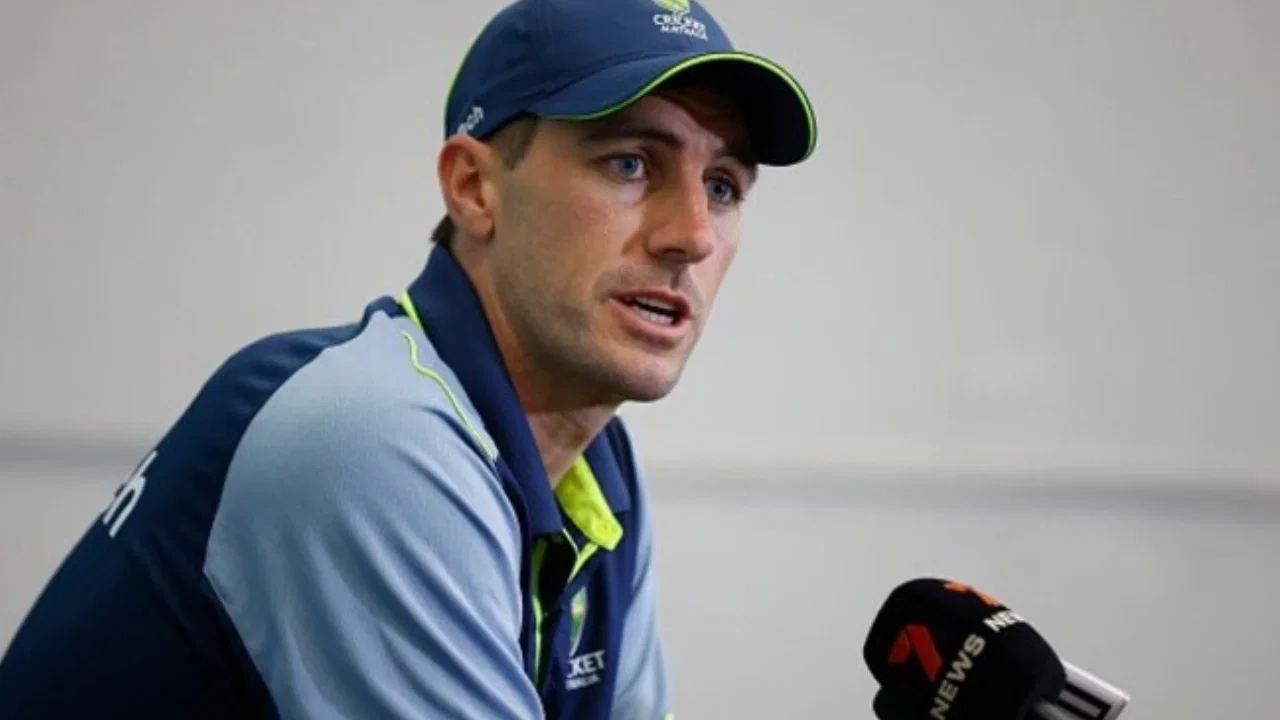
Pat Cummins points to batting collapse after Australia’s series loss to South Africa

Temba Bavuma calls South Africa’s series win over Australia the best of his career

Simon Harmer opens up on his emotional journey after match-winning performance against Australia
David Warner calls Australia’s batting display ‘un-Australian’ after series loss against South Africa
Rohit Sharma set to play in Vijay Hazare Trophy for Mumbai: Report

IND vs NZ Playing 11 Today, Live Streaming, Pitch & Weather: India tour of New Zealand 2026, 5th T20I

AFG vs ZIM Playing 11 Today, Live Streaming, Pitch & Weather: Afghanistan vs Zimbabwe 2026, 3rd T20I

3 costly BCCI decisions that are ruining Yashasvi Jaiswal’s career
No room for Vaibhav Sooryavanshi? Here’s how India can solve the selection puzzle

Ravindra Jadeja’s career over? Cheteshwar Pujara spills truth about all-rounder’s ODI future

Shardul Thakur defends Shreyas Iyer amid batting criticism after India’s 4th T20I loss

3 reasons why Rohit Sharma’s return as Mumbai Indians captain would be a mistake