“A sad day to see him go”: Morne Morkel reacts to Mohammed Shami’s Test retirement
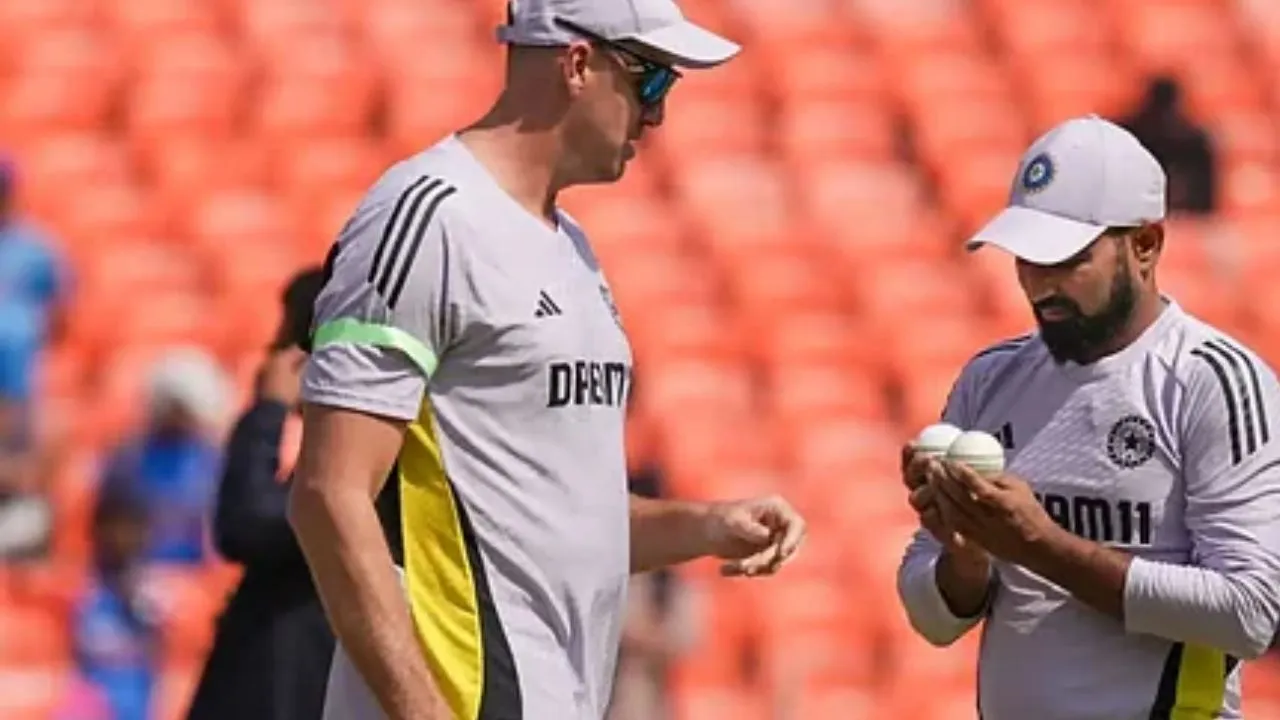
Mohammed Shami Retires From Test Cricket: Morne Morkel Reflects on a Remarkable India Career
Mohammed Shami’s decision to retire from Test cricket marks the end of a significant chapter for Indian fast bowling. A key member of the national side for more than a decade, Shami built his reputation on relentless pace, precise seam movement and an exceptional ability to make the old ball reverse. His departure from the longest format has prompted tributes from teammates and coaches, including India bowling coach Morne Morkel, who recalled how the veteran quick helped him find his feet in the dressing room.
Shami’s retirement comes after an extended absence from India’s Test side. Yet the announcement does not mean he is walking away from cricket altogether. He remains active in domestic competition and is expected to continue playing white-ball cricket and the Indian Premier League. For fans, the news raises a natural question: what comes next for one of India’s most effective fast bowlers?
Morne Morkel Remembers Shami’s Support in the India Dressing Room
Speaking to Sony Sports Network during the second ODI between India and New Zealand, Morkel described Shami as both a highly skilled bowler and a valuable presence within the team. The former South Africa fast bowler said Shami helped him understand the group’s atmosphere when he first joined India’s coaching staff.
“I was quite fortunate when I first started with the group for Shami to be a part of the team,” Morkel said. He praised Shami’s quality and explained that the pacer helped bring the Indian team’s language and culture into the dressing room, making the transition easier for the new coach. Morkel added that it was a sad day to see Shami leave Test cricket.
The comments offer a glimpse of Shami’s influence beyond his performances with the ball. In a team environment, experienced players often help newcomers understand routines, expectations and communication styles. Morkel’s recollection suggests that Shami’s contribution was not limited to taking wickets: he also helped create a welcoming atmosphere within the squad.
A Test Record Built on Pace, Seam and Reverse Swing
Shami made his Test debut against the West Indies at Eden Gardens in Kolkata in 2013. He quickly became an important part of India’s pace attack, earning a reputation for attacking the stumps, hitting a hard length and finding movement even when conditions offered little assistance.
Across 64 Test matches, Shami claimed 229 wickets. His impact was especially notable in conditions where the ball began to reverse. With a consistent seam position and the ability to generate late movement, he could trouble batters with either the new ball or an older one. Those skills made him a valuable option in home and overseas conditions alike.
Shami’s red-ball ability has remained visible in domestic cricket. His performances for Bengal in the Ranji Trophy and for East Zone in the Duleep Trophy have demonstrated that he can still bowl long spells and produce reverse swing. For supporters assessing his career, those appearances underline why his Test retirement is a decision about the international format rather than a complete end to his playing days.
World Cup Heroics Remain a Defining Moment
Although Shami’s Test career was substantial, his performances in limited-overs cricket have also left a lasting mark. His 2023 ODI World Cup campaign stands out as one of the most memorable fast-bowling displays by an Indian player at a major tournament.
Shami did not feature in India’s starting XI for the opening matches. Once selected, however, he made an immediate impact and finished the competition as its leading wicket-taker, taking 24 wickets in just seven games at an average of 10.70. His spell of performances helped India reach the final, even though the team ultimately fell short of lifting the trophy.
That tournament showcased the qualities that have defined Shami across formats: aggression, control and the ability to create chances in clusters. His record of 462 international wickets for India reflects the scale of his contribution, while the World Cup remains a powerful reminder of how quickly he can change the course of a match.
What Shami’s Retirement Means for His Future
Shami has kept the door open to continued involvement in white-ball cricket. He has been away from the India team since the 2025 ICC Champions Trophy, but his retirement from Tests does not, by itself, rule out a return in limited-overs formats. His fitness, workload and performance in domestic competitions are likely to remain central to any future selection discussion.
He has also been named in Bengal’s Syed Mushtaq Ali Trophy setup, giving him another opportunity to stay active in the domestic game. That schedule could help him maintain match sharpness while managing the demands of a career shaped by fast bowling and recurring physical challenges.
Morkel welcomed the fact that Shami continues to bowl regularly at home, noting that he is still putting in substantial overs. For a fast bowler, that workload can be a sign of commitment and readiness, though it must be balanced carefully against recovery and injury prevention. Any prediction about a possible India comeback remains uncertain, but continued domestic cricket keeps the possibility of selection alive.
A Lasting Legacy in Indian Fast Bowling
Shami’s Test retirement closes a chapter defined by resilience and high-impact spells. He was not simply a bowler who relied on raw pace; his control of the seam, ability to exploit the older ball and willingness to attack made him a distinctive presence in India’s bowling attack.
Morkel’s tribute captures both sides of Shami’s legacy: the elite performer and the supportive teammate. While the veteran quick will no longer represent India in Test cricket, his domestic appearances and potential white-ball commitments give fans more cricket to anticipate. His next chapter may look different, but his influence on Indian fast bowling—and the memories of his most decisive spells—will endure.
Latest News
Watch: Gurnoor Brar and Daryl Mitchell involved in heated exchange during 2nd ODI
Mohsin Khan to leave LSG? Two IPL franchises show interest
Not India! Harshit Rana to make comeback for this team, date revealed
Virat Kohli breaks Ricky Ponting’s all-time ODI record against New Zealand
Arshdeep Singh to Gurnoor Brar: Can India’s four pacers dominate in South Africa in 2027 CWC?
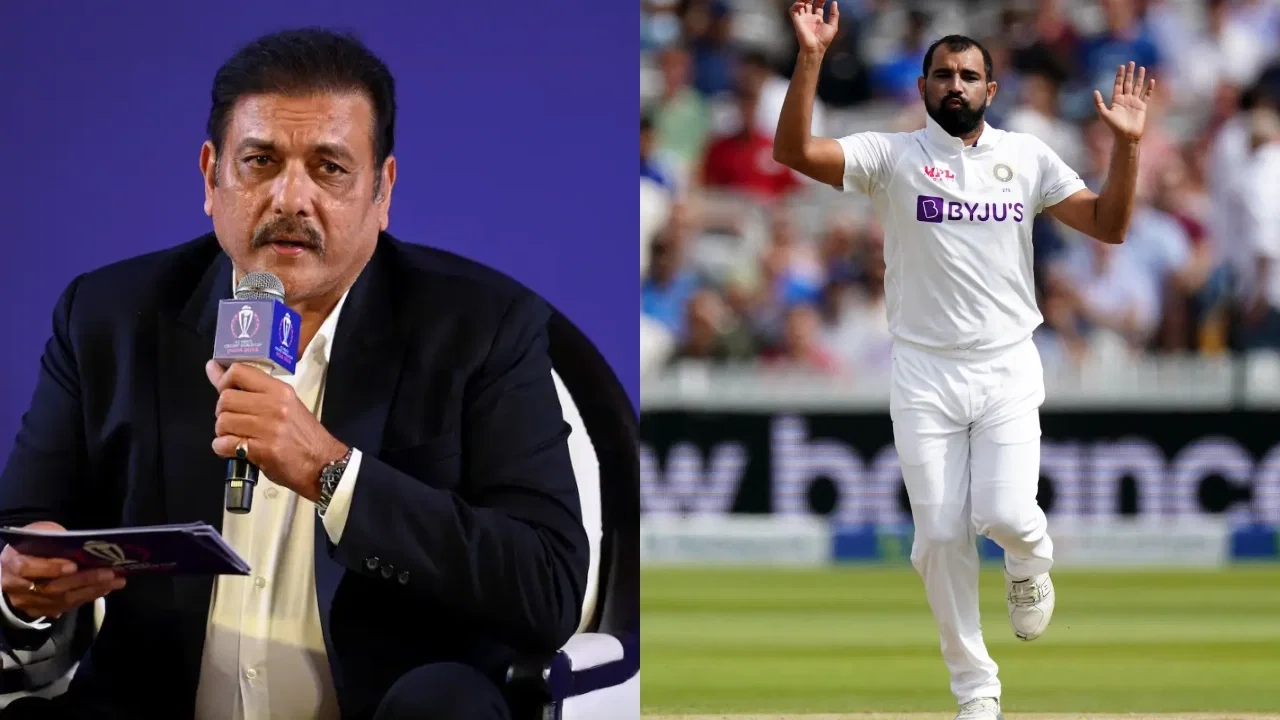
Ravi Shastri unhappy with Ajit Agarkar, Gautam Gambhir after Mohammed Shami’s Test retirement
Hardik Pandya ruled out of Syed Mushtaq Ali Trophy 2026; Krunal Pandya to captain Baroda
Cheteshwar Pujara predicts major shake-up at KKR, MI changes and easy ride for RCB ahead of IPL 2027 auction
“A sad day to see him go”: Morne Morkel reacts to Mohammed Shami’s Test retirement
Towhid Hridoy breaks Bangladesh’s all-time individual Test scoring record
Rohit Sharma creates history with record-breaking sixes against New Zealand in 2nd ODI
Evil motive behind Usman Khawaja’s Sandpapergate revelations?
Usman Khawaja accuses South Africa of being experts at ball-tampering
Rishabh Pant expected to be fit for India vs New Zealand 1st Test in Wellington