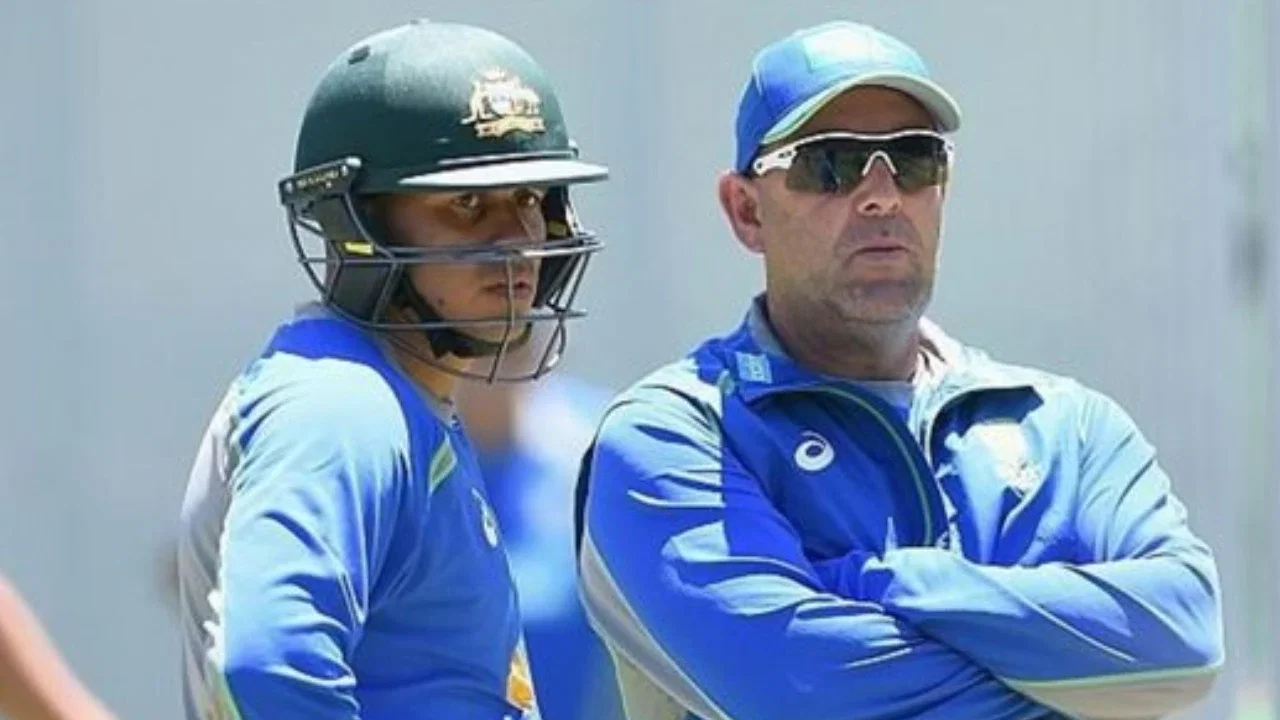
Evil motive behind Usman Khawaja’s Sandpapergate revelations?
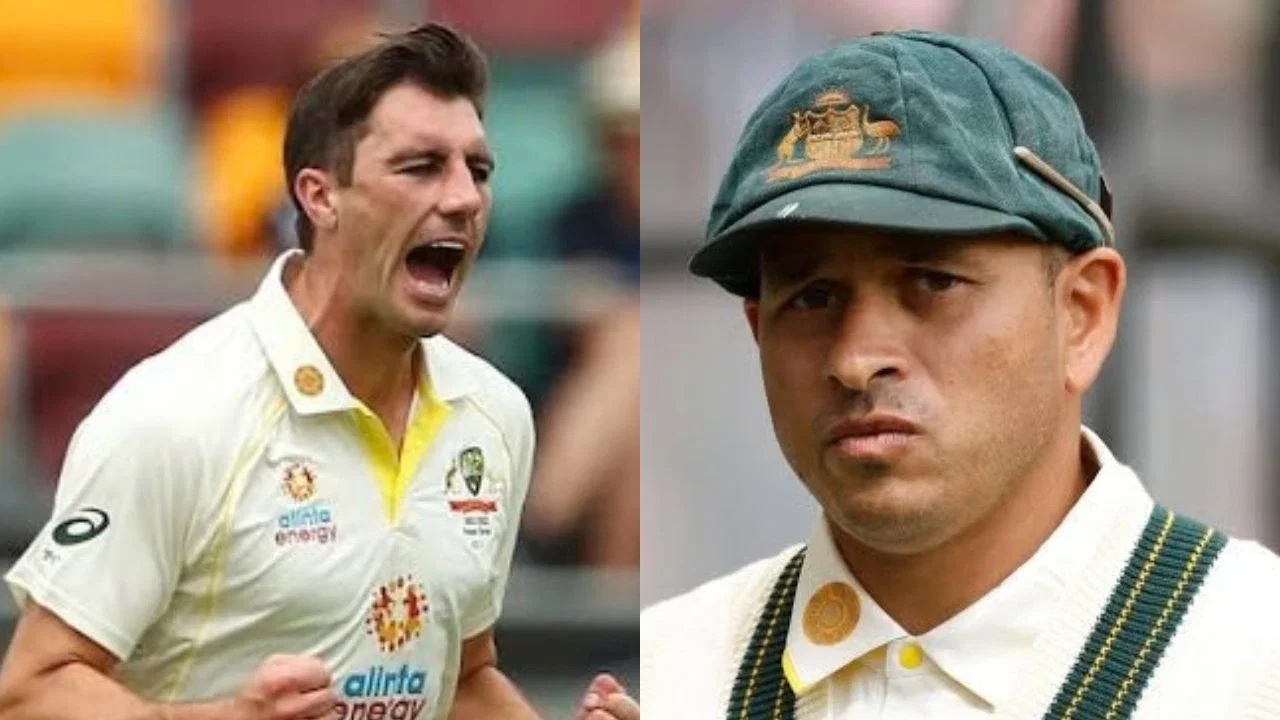
Usman Khawaja Reopens Debate Over Australia’s 2018 Ball-Tampering Scandal
Former Australia opener Usman Khawaja has reignited discussion about the 2018 ball-tampering scandal, making a new claim that sandpaper may have been used before the notorious incident at Newlands in Cape Town. In extracts from his forthcoming autobiography, SabR, Khawaja alleges the practice also took place during the previous Test against South Africa in Gqeberha.
His account raises fresh questions about what members of the Australian team knew, how responsibility was assessed and whether Cricket Australia’s investigation captured the full picture. The allegations are Khawaja’s account, however, and do not independently prove that every player or staff member was involved.
What Khawaja Says Happened Before Cape Town
The 2018 tour became one of the most damaging episodes in Australian cricket history after television footage showed Cameron Bancroft attempting to alter the ball’s condition with a piece of sandpaper during the third Test at Newlands. Then-captain Steve Smith and vice-captain David Warner were also found to have roles in the incident and were disciplined by Cricket Australia.
Smith and Warner received 12-month suspensions from international and domestic cricket. Bancroft was suspended for nine months. Warner was also given a lifetime leadership ban, which was overturned in 2024. The sanctions placed the three players at the centre of the public account of the scandal.
Khawaja now challenges the idea that the episode was limited to those individuals or to the Cape Town Test. Speaking to Nine, he described the alleged knowledge of the practice as collective, saying: “It was all of us. Not the batters, not the bowlers, not the staff. All of us.”
He also said he was never interviewed by Cricket Australia’s investigator, despite being part of the touring squad and close to Bancroft in the team environment. That assertion has added another point of contention: whether the original inquiry spoke to everyone who might have had relevant information.
Why the Sandpaper Scandal Is Back in the Headlines
Khawaja says he did not want to reopen a controversy that has followed Australian cricket for years. He explained that he expected more of the truth to emerge over time, but believes the public account remained incomplete. In his view, the consequences fell disproportionately on Smith, Warner and Bancroft while broader responsibility was left unexamined.
“In an ideal world, I don’t want to do this,” Khawaja said, explaining that he had hoped another person would speak out. He added that he had long supported the idea of accepting responsibility collectively rather than allowing three players to carry the entire burden of the scandal.
He also pointed to the lasting personal and professional impact on the sanctioned players. Khawaja said Warner had faced repeated criticism, while Bancroft had found it difficult to return to the Test side despite strong performances in domestic cricket. Smith, meanwhile, has continued to be associated with an incident that reshaped his captaincy and public reputation.
Those comments offer insight into why Khawaja chose to speak now, but they also underline the distinction between personal testimony and an established finding. His account may prompt renewed scrutiny, yet any broader conclusion would require corroborating evidence and a clear response from the people named or implicated.
Earlier Questions About Team Knowledge
Khawaja’s claim is not the first time the possibility of wider awareness has been raised. In 2021, Bancroft made comments that were interpreted as suggesting other members of the team may have known about the ball-tampering. Several senior Australian players, including Pat Cummins, Mitchell Starc, Josh Hazlewood and Nathan Lyon, rejected suggestions that they were involved or aware.
The contrast between those denials and Khawaja’s latest remarks is likely to fuel renewed debate among supporters and former players. It also illustrates why the scandal remains sensitive: the original inquiry produced formal sanctions, but questions about the extent of knowledge within the team have continued to surface in interviews and media coverage.
Cricket Australia Defends Its Integrity Process
Cricket Australia responded to Khawaja’s interview by standing by the process conducted after the Cape Town Test. The governing body said it had considered the information presented to it and remained satisfied with the findings of its integrity investigation.
In its statement, Cricket Australia noted that the episode had been the subject of extensive media attention and said there had been opportunities to provide relevant information. It added that material submitted to the organisation had been properly considered and that it remained comfortable with the outcome of its integrity process.
The statement did not directly resolve Khawaja’s claim that he was not interviewed. Nor does the organisation’s defence automatically settle the dispute over what happened in Gqeberha. The key question now is whether Khawaja’s account will lead to new evidence, further public responses or any review of the original inquiry.
What Is Khawaja’s Motivation?
Khawaja has presented his decision as an effort to correct what he believes is an incomplete record and to speak up for former teammates who, in his view, continued to bear the consequences. He has said he would have preferred someone else to reveal the information and denied that his comments were intended simply to generate controversy around his autobiography.
“I’m not doing this for any other reason than I think it’s the right thing to do,” he said, adding that the players involved deserved what he described as justice. Khawaja has often spoken openly about issues in cricket and wider society, and his latest comments fit that pattern of direct public engagement.
There is no evidence in the material presented that Khawaja’s claims were made with an “evil motive.” At the same time, his stated intentions do not establish that every element of his account is accurate. Readers should distinguish between his allegations, Cricket Australia’s position and any independently verified findings.
What Happens Next?
Khawaja’s revelations have reopened a debate Australian cricket may have hoped was settled. They do not, by themselves, overturn the original sanctions or prove that the entire team participated in ball-tampering. But they raise a significant question about whether the 2018 investigation examined the full scope of what players knew and when they knew it.
For fans searching for a prediction about what comes next, the most likely immediate outcome is further public discussion rather than an automatic change to the official findings. Any formal reassessment would depend on new, verifiable information and Cricket Australia’s willingness to examine it. Until then, the controversy remains a clash between Khawaja’s account, the governing body’s defence of its process and the unresolved memories of a scandal that profoundly affected Australian cricket.
Latest News
Watch: Gurnoor Brar and Daryl Mitchell involved in heated exchange during 2nd ODI

Mohsin Khan to leave LSG? Two IPL franchises show interest
Not India! Harshit Rana to make comeback for this team, date revealed
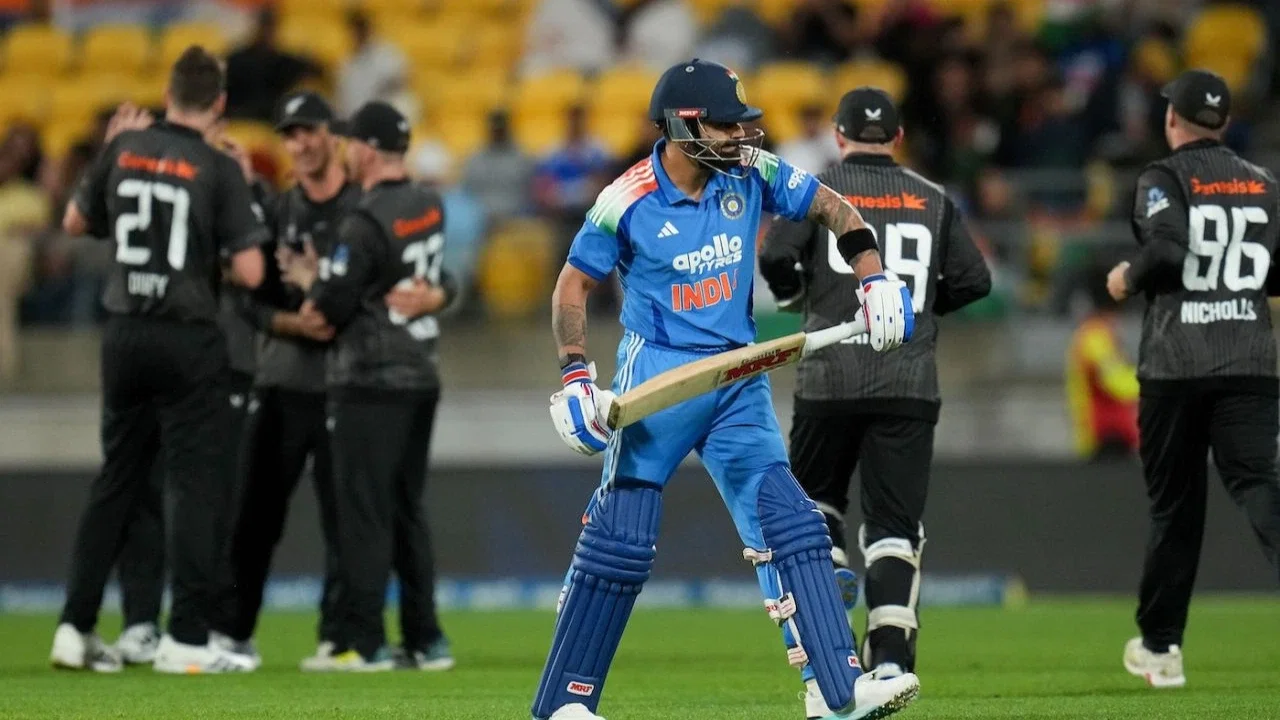
Virat Kohli breaks Ricky Ponting’s all-time ODI record against New Zealand
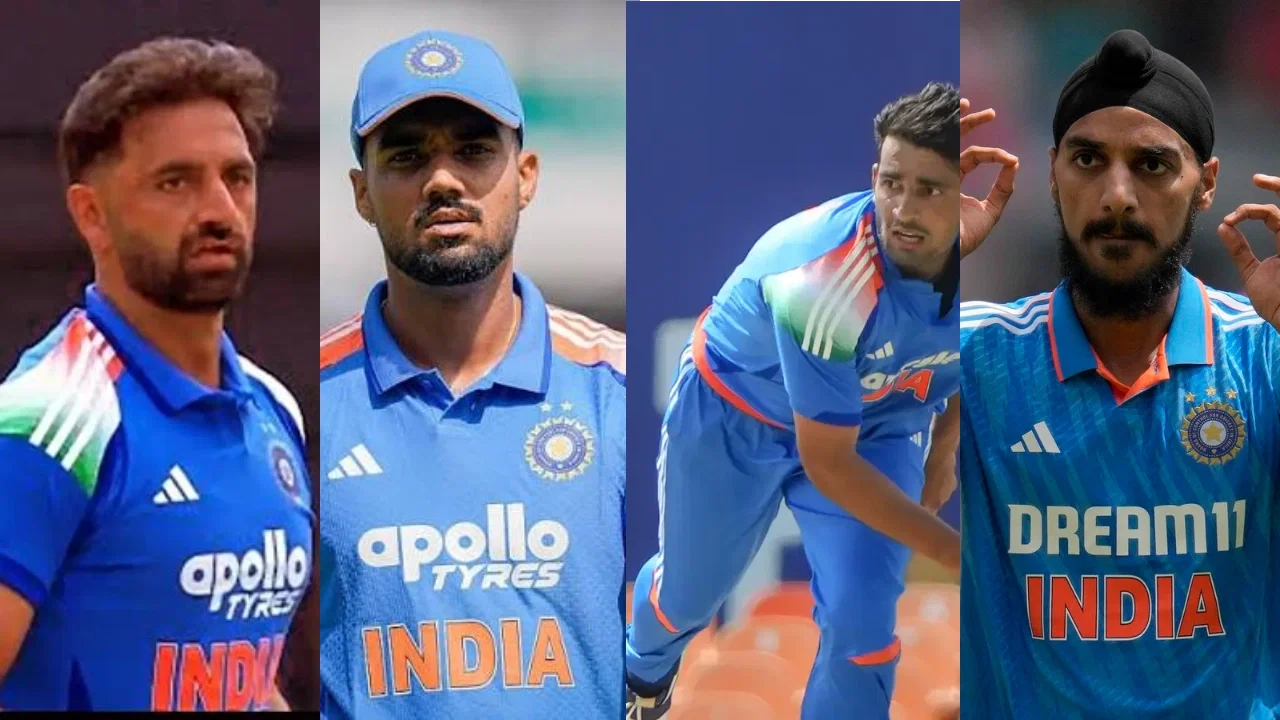
Arshdeep Singh to Gurnoor Brar: Can India’s four pacers dominate in South Africa in 2027 CWC?
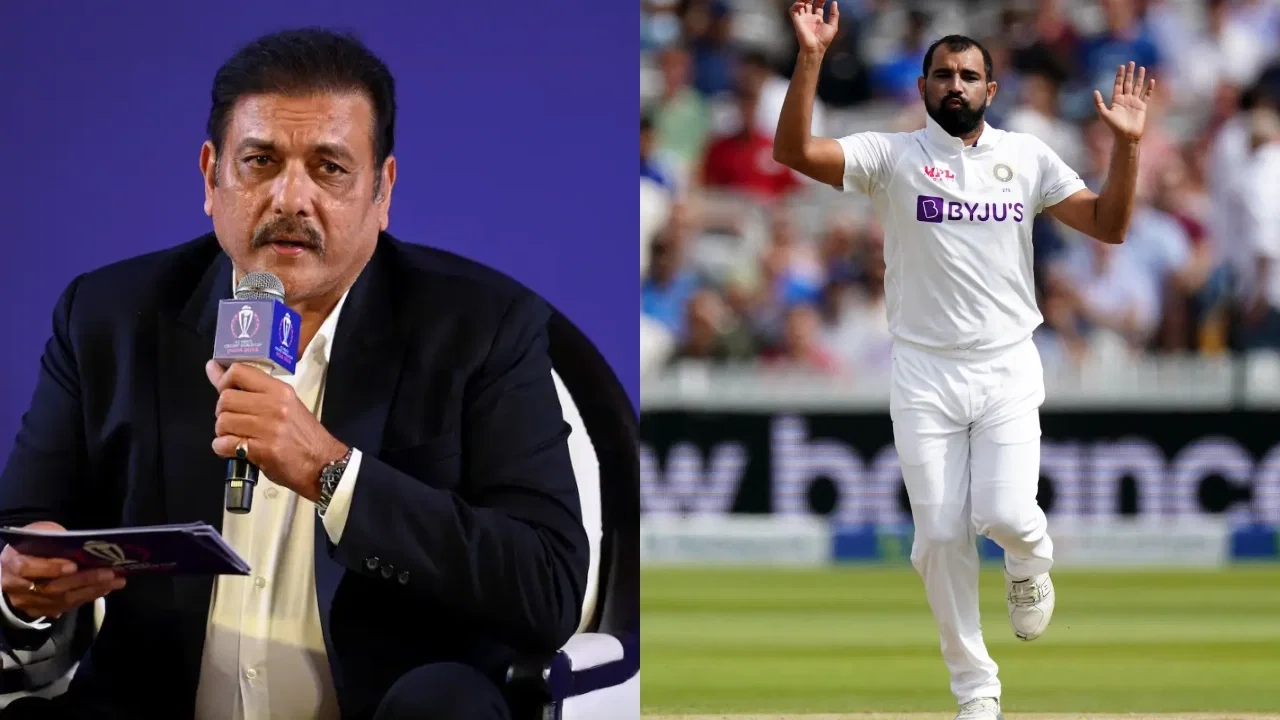
Ravi Shastri unhappy with Ajit Agarkar, Gautam Gambhir after Mohammed Shami’s Test retirement
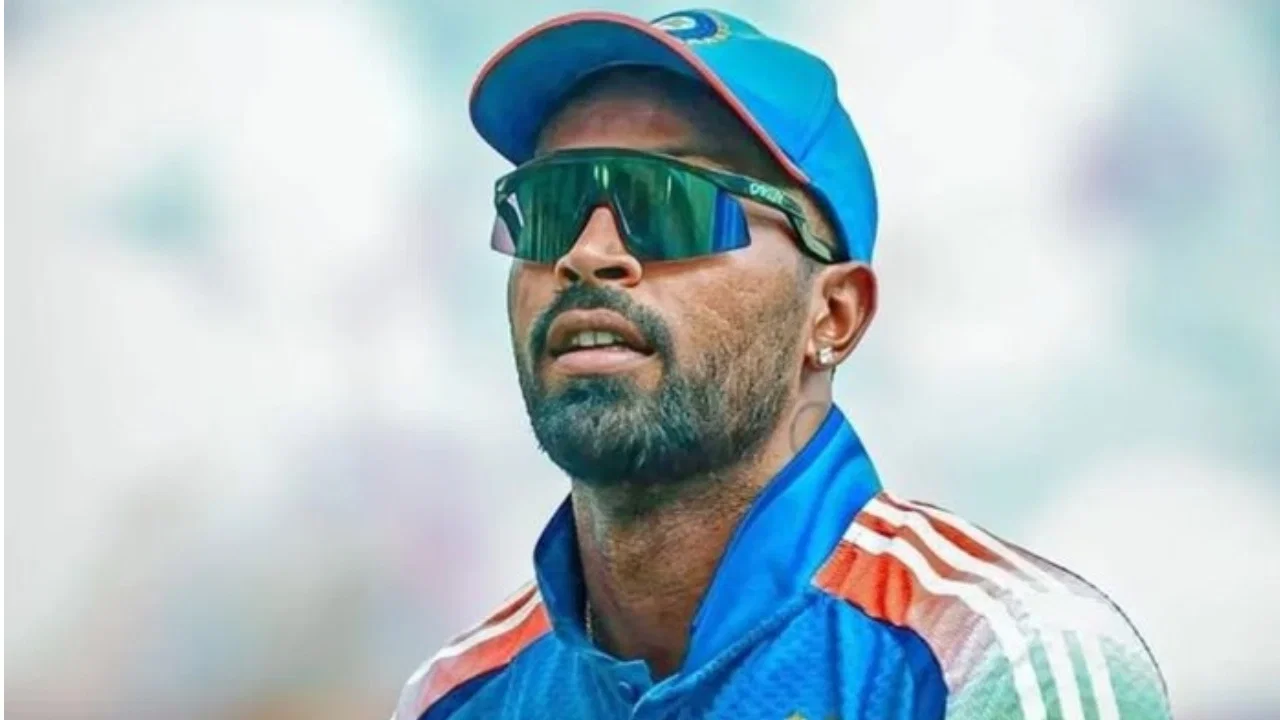
Hardik Pandya ruled out of Syed Mushtaq Ali Trophy 2026; Krunal Pandya to captain Baroda
Cheteshwar Pujara predicts major shake-up at KKR, MI changes and easy ride for RCB ahead of IPL 2027 auction
“A sad day to see him go”: Morne Morkel reacts to Mohammed Shami’s Test retirement
Towhid Hridoy breaks Bangladesh’s all-time individual Test scoring record
Rohit Sharma creates history with record-breaking sixes against New Zealand in 2nd ODI
Evil motive behind Usman Khawaja’s Sandpapergate revelations?
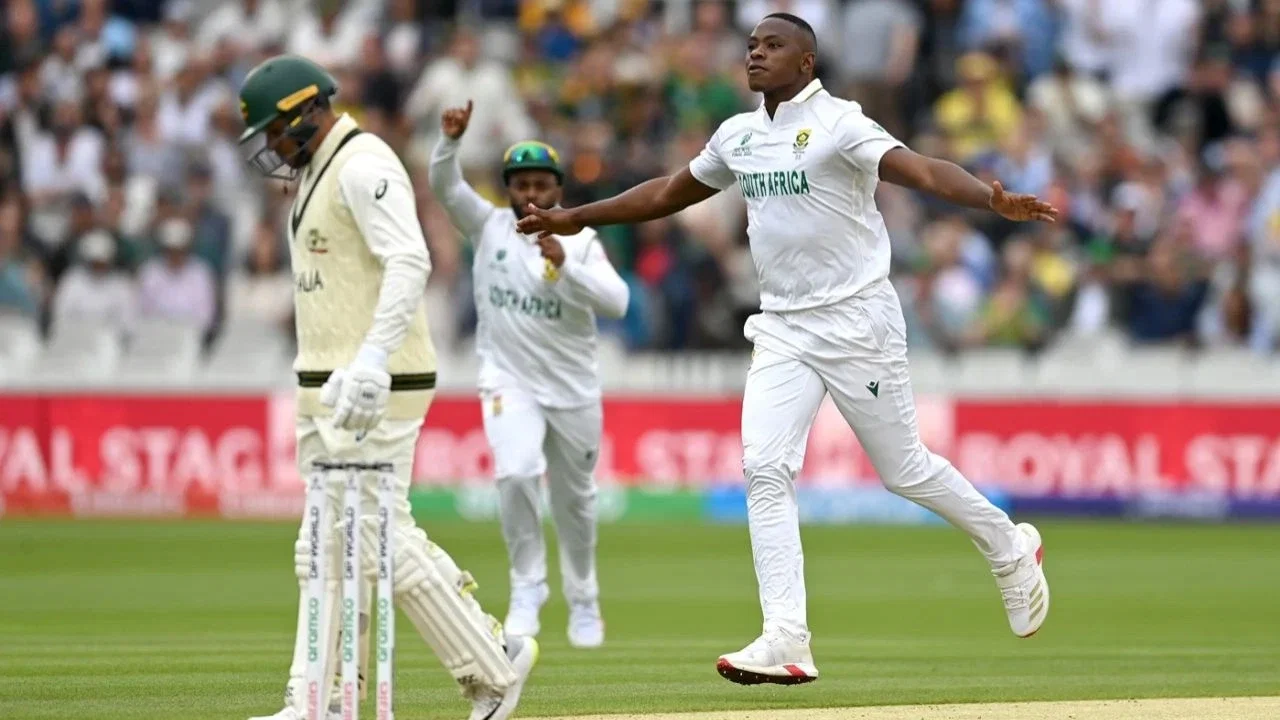
Usman Khawaja accuses South Africa of being experts at ball-tampering
Rishabh Pant expected to be fit for India vs New Zealand 1st Test in Wellington