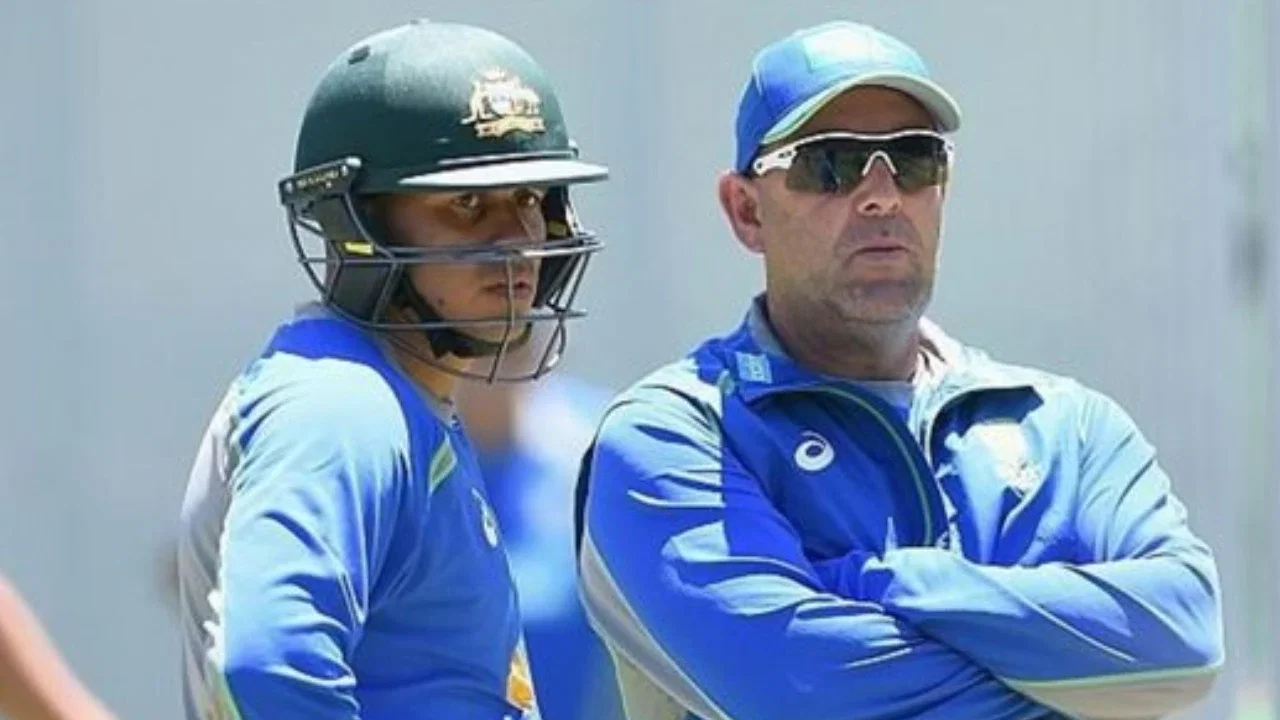
Usman Khawaja accuses South Africa of being experts at ball-tampering
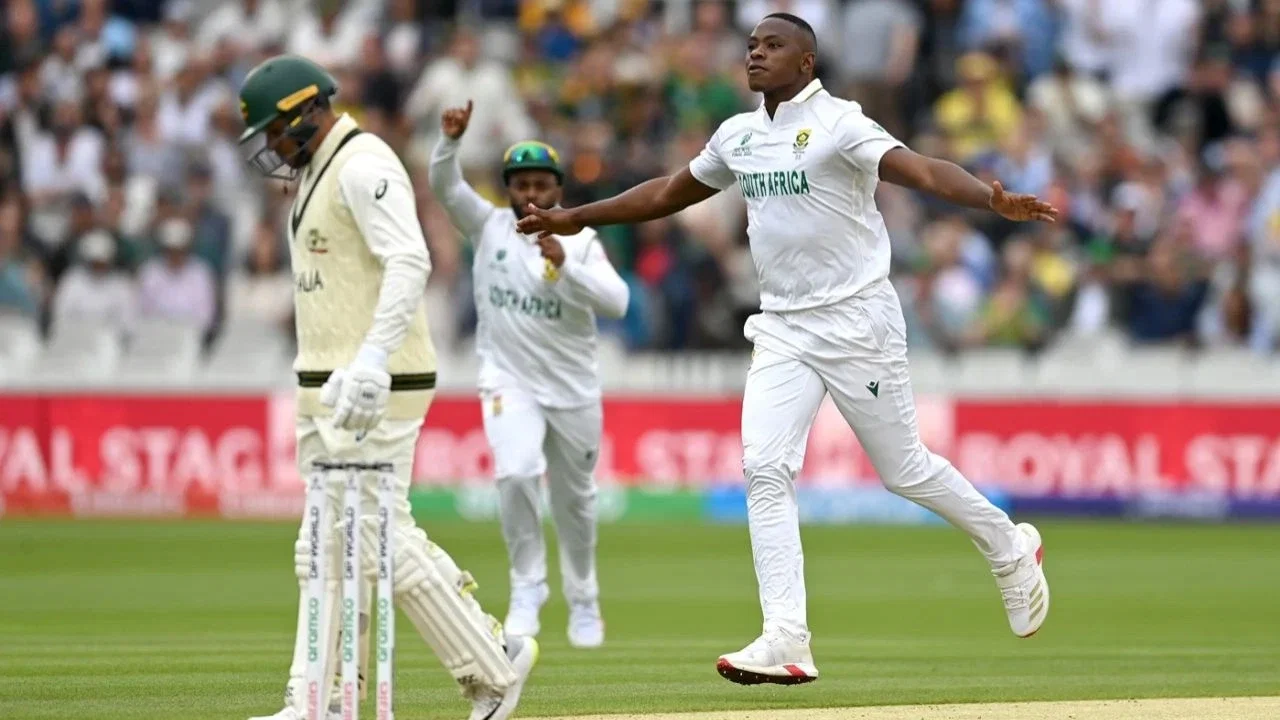
Usman Khawaja Says South Africa Had the Edge in Reverse Swing Before Sandpapergate
Usman Khawaja has offered a fresh perspective on one of Australian cricket’s most damaging controversies, claiming South Africa were more skilled than Australia at producing reverse swing during the teams’ 2018 Test series. The former Australia opener says his side was trying to keep pace with the hosts and plans to share more about what he heard in his autobiography, SabR.
Khawaja’s comments do not change the established findings of Cricket Australia’s investigation into the Cape Town ball-tampering scandal. They do, however, reopen questions about the atmosphere surrounding the series, how teams sought to influence the ball’s condition, and whether the investigation fully captured the views of everyone in the Australian dressing room.
What Khawaja Has Said About South Africa’s Reverse Swing
Reverse swing can make a cricket ball move sharply in the air, often late in its flight. It is a legitimate skill when produced through legal means, but it depends on carefully managing the ball’s condition and can become controversial when players deliberately alter it in ways prohibited by the laws of the game.
Khawaja said South Africa were particularly effective at generating reverse swing and suggested Australia were attempting to match their opponents’ expertise. He also referred to information he says he heard from a South African player, indicating that his forthcoming book will discuss the matter in greater detail.
“They were so good, and I discuss in a little bit of detail about what I’d heard from one of their players and what they were doing,” Khawaja said in an interview with Nine.
He did not publicly identify the player or provide a full account of the alleged methods. As a result, his remarks should be understood as his recollection and account, rather than as a new official finding about South African conduct during the series. His book may provide further context, but any specific claims will need to be considered alongside available evidence and the rules governing ball maintenance.
Sandpapergate: A Brief Recap of the 2018 Scandal
The controversy erupted during the third Test between Australia and South Africa at Newlands in Cape Town. On the third day, television footage showed Australian opener Cameron Bancroft handling a piece of sandpaper near the ball. After appearing to notice that he was being watched, he attempted to conceal the object.
Australia captain Steve Smith later acknowledged that a small leadership group had discussed changing the ball’s condition. Cricket Australia’s subsequent investigation concluded that David Warner had devised the plan, Bancroft had carried it out, and Smith knew about it but failed to stop it.
The sanctions were severe. Smith and Warner received 12-month bans from international and domestic cricket, while Bancroft was suspended for nine months. Warner was also initially prohibited from taking on leadership roles in Australian cricket. The episode prompted widespread criticism of the team and led to a broader examination of the sport’s standards, leadership and culture.
Khawaja’s new comments add to the discussion around the series, but they do not erase the findings against the three players. The central issue in the Cape Town case was Australia’s admitted plan to alter the ball using sandpaper—not simply the pursuit of reverse swing, which can be achieved legally through normal play and permitted ball care.
Khawaja Questions Why He Was Not Interviewed
Khawaja has also criticized the process used by Cricket Australia to investigate the incident. He said he was never interviewed, even though he sat beside Bancroft during the Cape Town Test and believed he would have been willing to speak openly about what he knew.
“I was sitting next to Cam Bancroft that whole Test match, and I didn’t get interviewed,” Khawaja said. He added that he had been waiting for investigators to contact him, but his phone never rang before the penalties were announced.
Khawaja believes investigators may have avoided speaking with him because he wanted the team to take collective responsibility. That is his interpretation of why he was not contacted; the available account does not establish the investigators’ reasoning. Still, his claim raises a broader question about the scope of the inquiry and whether players outside the central group were given an opportunity to contribute.
A thorough investigation into a high-profile sporting scandal depends not only on identifying direct involvement but also on understanding the environment in which decisions were made. Khawaja’s account may therefore be of interest to readers seeking a fuller picture of the team’s dynamics, even as the official findings remain the basis for the disciplinary outcomes.
Earlier Ball-Tampering Cases Add Context
Khawaja’s remarks have also revived attention on previous disciplinary cases involving former South Africa captain Faf du Plessis. In 2013, du Plessis was fined half his match fee after rubbing the ball against the zip of his trousers during a Test against Pakistan. In 2016, he was found guilty of ball tampering during a Test against Australia in Hobart after using saliva while sucking on a mint. He was fined his full match fee.
Those cases help explain why ball condition and reverse swing have long been sensitive subjects in international cricket. They are not, by themselves, proof of a wider coordinated practice, and each incident must be judged on its own evidence. The distinction between permitted maintenance and deliberate alteration is central to any fair assessment.
Leadership Fallout and the Ongoing Debate
The Cape Town scandal had consequences beyond the players. Cricket Australia’s investigation was led by head of integrity Iain Roy and team performance manager Pat Howard, who were sent to South Africa by chief executive James Sutherland. Roy left his position several months later, Sutherland resigned after 17 years in the role, and Howard departed in November following a review of Australian cricket’s culture.
Nearly eight years on, the incident remains a reference point in conversations about sportsmanship, accountability and how teams respond under pressure. Khawaja’s planned autobiography may add personal detail to that history, particularly about what players believed was happening around them and how the investigation unfolded from inside the squad.
For now, the key prediction is that SabR will renew public interest in Sandpapergate if it provides specific, verifiable details about Khawaja’s conversations and experiences. His comments have already drawn attention to the contrast he saw between South Africa’s reverse-swing ability and Australia’s approach. Whether the book changes the broader understanding of the scandal will depend on the evidence and context it ultimately presents.
Latest News
Watch: Gurnoor Brar and Daryl Mitchell involved in heated exchange during 2nd ODI

Mohsin Khan to leave LSG? Two IPL franchises show interest

Not India! Harshit Rana to make comeback for this team, date revealed
Virat Kohli breaks Ricky Ponting’s all-time ODI record against New Zealand

Arshdeep Singh to Gurnoor Brar: Can India’s four pacers dominate in South Africa in 2027 CWC?
Ravi Shastri unhappy with Ajit Agarkar, Gautam Gambhir after Mohammed Shami’s Test retirement
Hardik Pandya ruled out of Syed Mushtaq Ali Trophy 2026; Krunal Pandya to captain Baroda
Cheteshwar Pujara predicts major shake-up at KKR, MI changes and easy ride for RCB ahead of IPL 2027 auction
“A sad day to see him go”: Morne Morkel reacts to Mohammed Shami’s Test retirement
Towhid Hridoy breaks Bangladesh’s all-time individual Test scoring record
Rohit Sharma creates history with record-breaking sixes against New Zealand in 2nd ODI
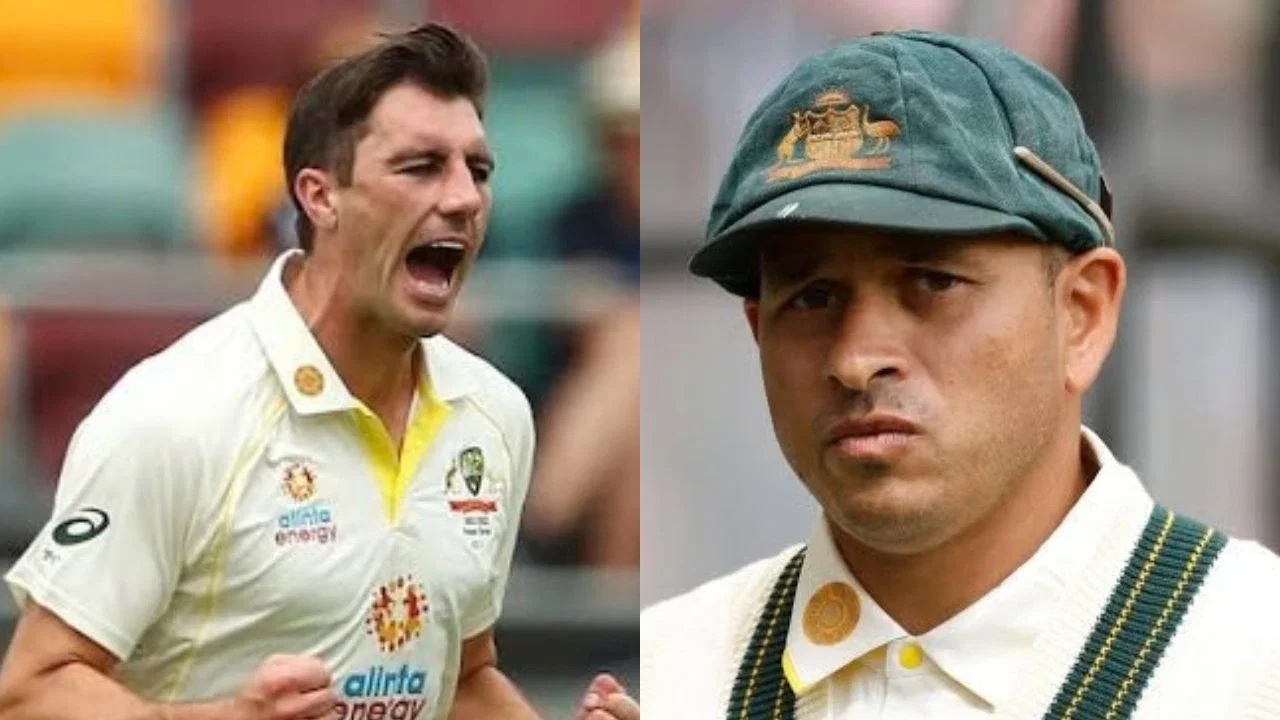
Evil motive behind Usman Khawaja’s Sandpapergate revelations?
Usman Khawaja accuses South Africa of being experts at ball-tampering
Rishabh Pant expected to be fit for India vs New Zealand 1st Test in Wellington