Watch: Gurnoor Brar and Daryl Mitchell involved in heated exchange during 2nd ODI
India vs New Zealand 2nd ODI: Gurnoor Brar Claims Four Wickets as Heated Exchange Adds Tension
India strengthened their grip on the ODI series after bowling New Zealand out for just 134 in the second match at Wellington’s Hnry Stadium. The hosts struggled against a disciplined Indian attack, while young fast bowler Gurnoor Brar delivered a standout performance, taking four wickets and becoming the leading wicket-taker of the series so far.
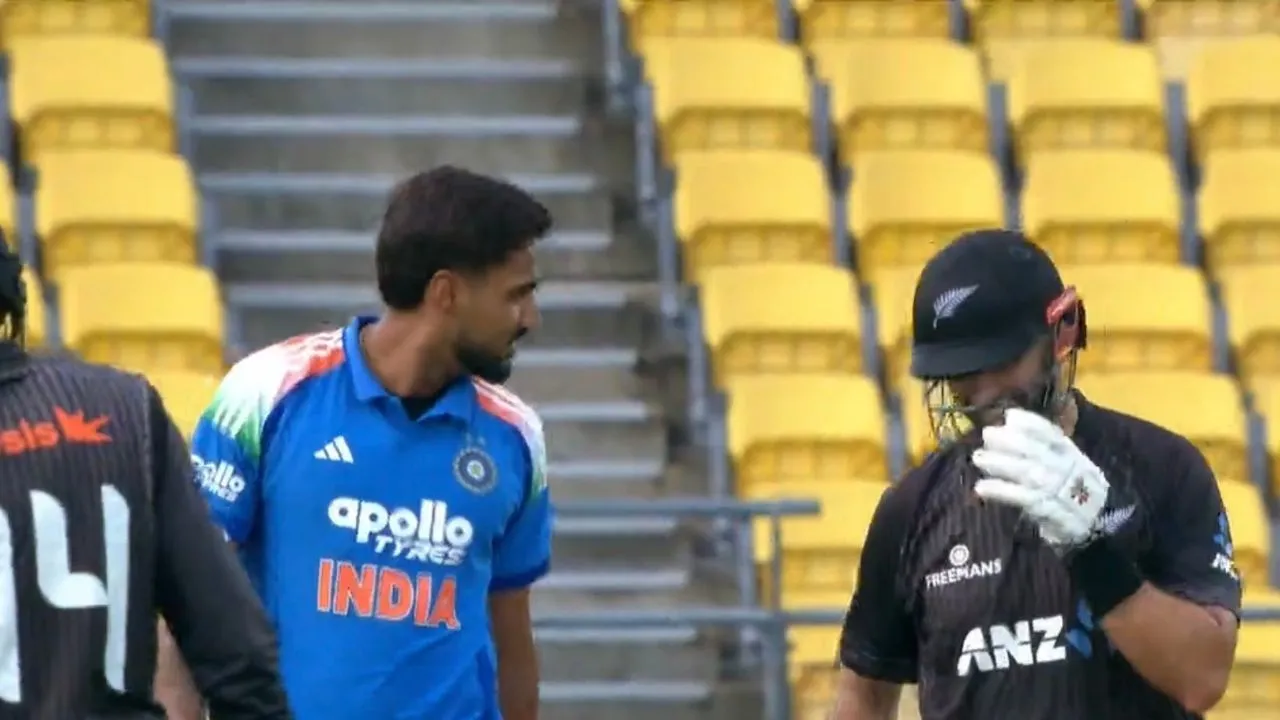
The innings also featured a tense exchange between Brar and New Zealand batter Daryl Mitchell. Their brief confrontation brought extra edge to an already difficult day for the home side, whose batting lineup was unable to build the partnerships needed to post a competitive total. India entered the match with a 1-0 series advantage and, after their bowlers’ display, were well positioned to push for another win.
Gurnoor Brar and Daryl Mitchell’s on-field exchange
The moment unfolded in the 34th over, when Brar sent down a full delivery and Mitchell sliced it towards point. After the shot, Brar appeared animated as he approached the batter and exchanged words with him. The conversation did not appear especially friendly, and Mitchell seemed to respond with a remark suggesting that Brar had played only a handful of matches.
The tension continued on the following delivery. Mitchell left a length ball outside off stump, and Brar clapped in the batter’s direction, appearing to say, “Well left.” Mitchell did not engage at length, and he took a single from the next ball. The exchange was brief, but it highlighted the competitive intensity of the contest as New Zealand searched for a way to steady their innings.
Such moments can become part of the theatre of international cricket, particularly when a young bowler challenges an experienced batter. Brar’s confidence was backed by his performance: he maintained pressure through the innings and repeatedly found ways to trouble New Zealand’s top and middle order.
Brar’s four-wicket spell puts India in control
Brar finished with figures of 4 for 30 from 10 overs, combining accuracy with the pace and bounce available from the Wellington surface. He kept his line and length consistent, making it difficult for New Zealand’s batters to score freely or settle into long partnerships.
The Punjab-based pacer’s performance continued an impressive start to the series. He has taken seven wickets across the matches so far, placing him at the top of the wicket-taking list. Brar is also the second bowler in the series to claim four wickets in an innings, following Arshdeep Singh’s four-wicket haul in the opening ODI.
For India, Brar’s emergence is an encouraging development. The team’s bowling group has delivered despite being viewed as relatively inexperienced, and his ability to make an impact in New Zealand conditions adds useful depth. His mix of control and aggression has given captain Shubman Gill another reliable option as the series progresses.
New Zealand’s batting collapses after early setbacks
India won the toss and chose to bowl, retaining the same side for the second ODI. The decision paid off almost immediately. Tim Seifert was dismissed for a duck, and New Zealand soon found themselves under pressure as Henry Nicholls also fell during a difficult opening passage. The hosts slipped to 29 for three, leaving their middle order with a substantial rebuilding task.
Captain Tom Latham could not halt the slide, making only seven runs before departing. Glenn Phillips, one of New Zealand’s more dangerous batters, was dismissed without scoring, further reducing the home team’s hopes of posting a challenging total.
Mitchell offered the most determined resistance, scoring 55 from 104 deliveries. His innings helped New Zealand avoid an even more severe collapse, although the slow scoring rate reflected how effectively India’s bowlers controlled the game. Mitchell Santner added 31 from 38 balls, providing some late support, but the pair could not lift the total beyond reach.
Brar led the attack with four wickets, while Auqib Nabi, Anshul Kamboj and Axar Patel claimed two wickets apiece. The spread of wickets underlined the collective nature of India’s effort: New Zealand were not undone by a single bowler alone but by sustained pressure from several options.
India’s chase begins with early wickets
India’s pursuit of the 135-run target began with an unexpected setback. Shubman Gill was dismissed for a golden duck, recording the first such dismissal of his ODI career. Virat Kohli also fell early for seven, giving New Zealand a brief opportunity to make the chase more competitive.
At the time of the innings update, Rohit Sharma and Shreyas Iyer were at the crease, tasked with rebuilding after the early losses. With a modest target ahead, India remained favourites, but the opening wickets meant the batters still needed to approach the chase with care. New Zealand’s bowlers, in turn, required quick breakthroughs to create genuine pressure.
India’s series position and match prediction
India entered the second ODI leading the series 1-0 after winning the opener. The Men in Blue had also enjoyed success in the T20I series, giving them momentum across formats on the New Zealand tour. A total of 134 leaves the hosts with little margin for error, especially after their batting lineup struggled to handle India’s pace and spin options.
Match prediction: India are strongly placed to win the second ODI, provided their batters avoid further unnecessary wickets. The target is low enough for the visitors to control the chase, although New Zealand could still make the finish uncomfortable if they strike early and exploit any movement in the conditions.
For India, the innings has already delivered a major positive in Brar’s performance. His four-wicket haul, alongside contributions from the rest of the attack, has put the team in a position to take a 2-0 series lead. For New Zealand, the immediate challenge is to find greater consistency with the bat and give their bowlers a total that can keep them in the contest.
Latest News
Watch: Gurnoor Brar and Daryl Mitchell involved in heated exchange during 2nd ODI
Mohsin Khan to leave LSG? Two IPL franchises show interest
Not India! Harshit Rana to make comeback for this team, date revealed
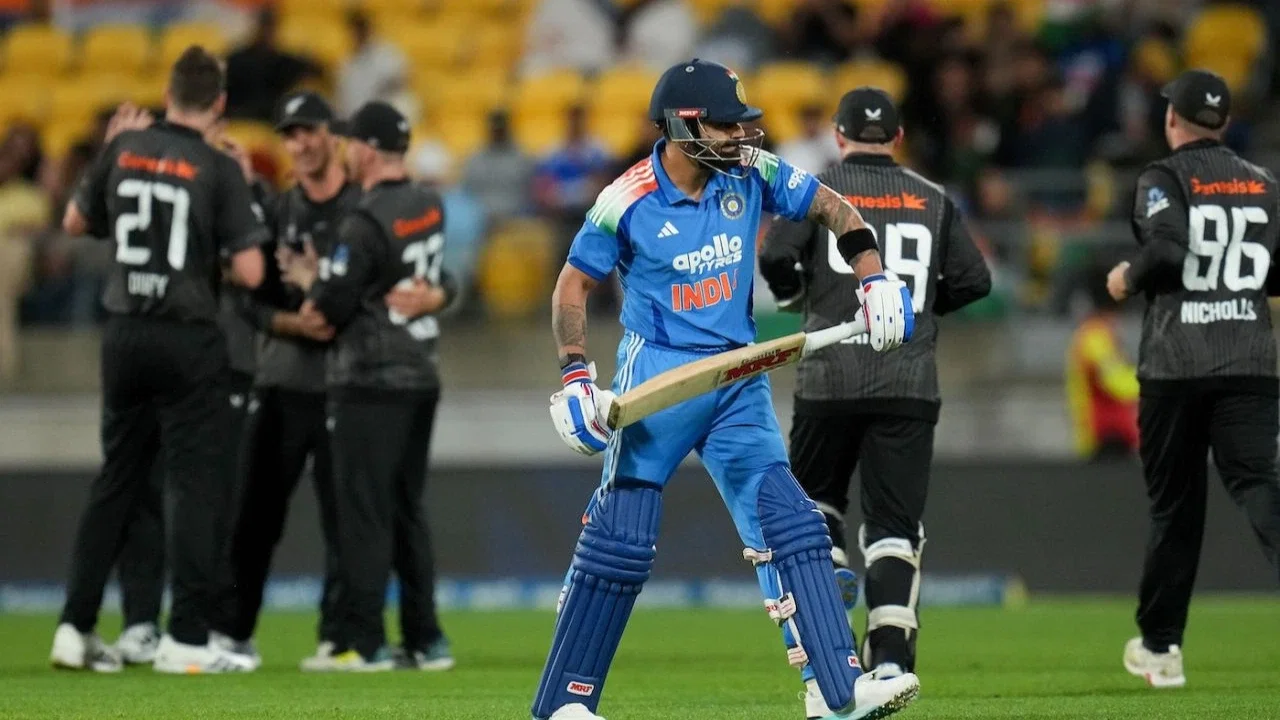
Virat Kohli breaks Ricky Ponting’s all-time ODI record against New Zealand
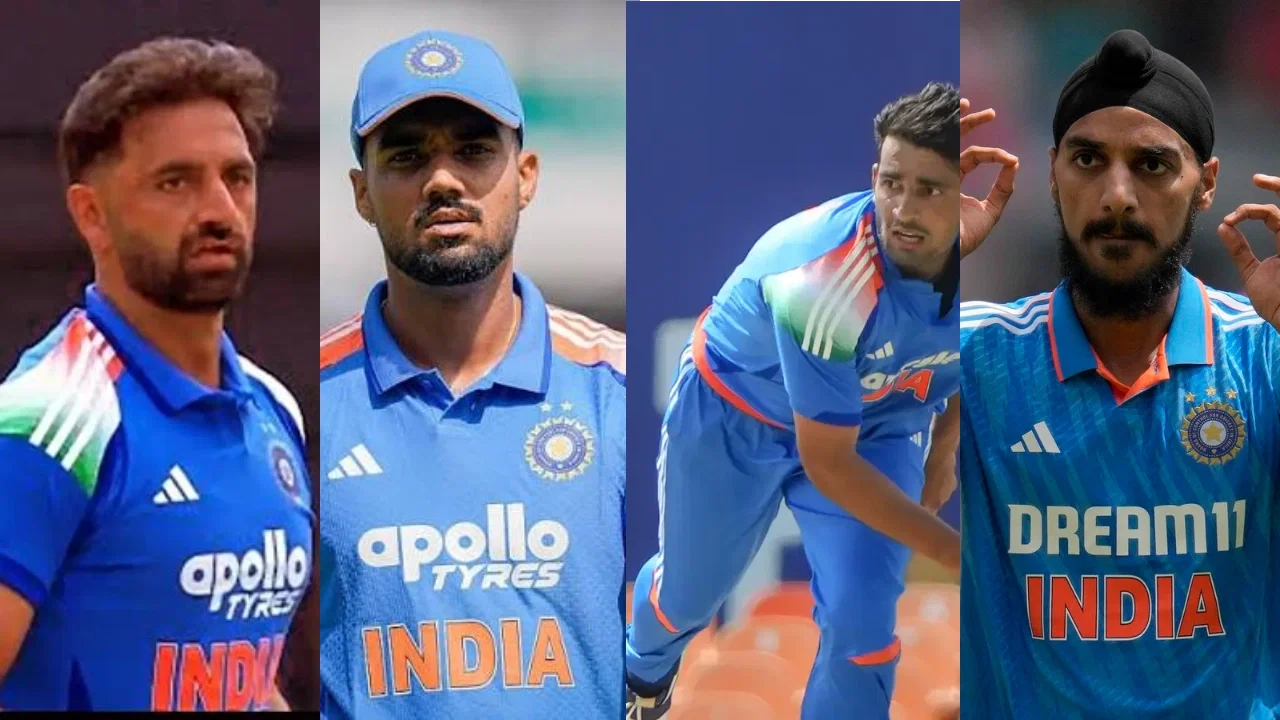
Arshdeep Singh to Gurnoor Brar: Can India’s four pacers dominate in South Africa in 2027 CWC?
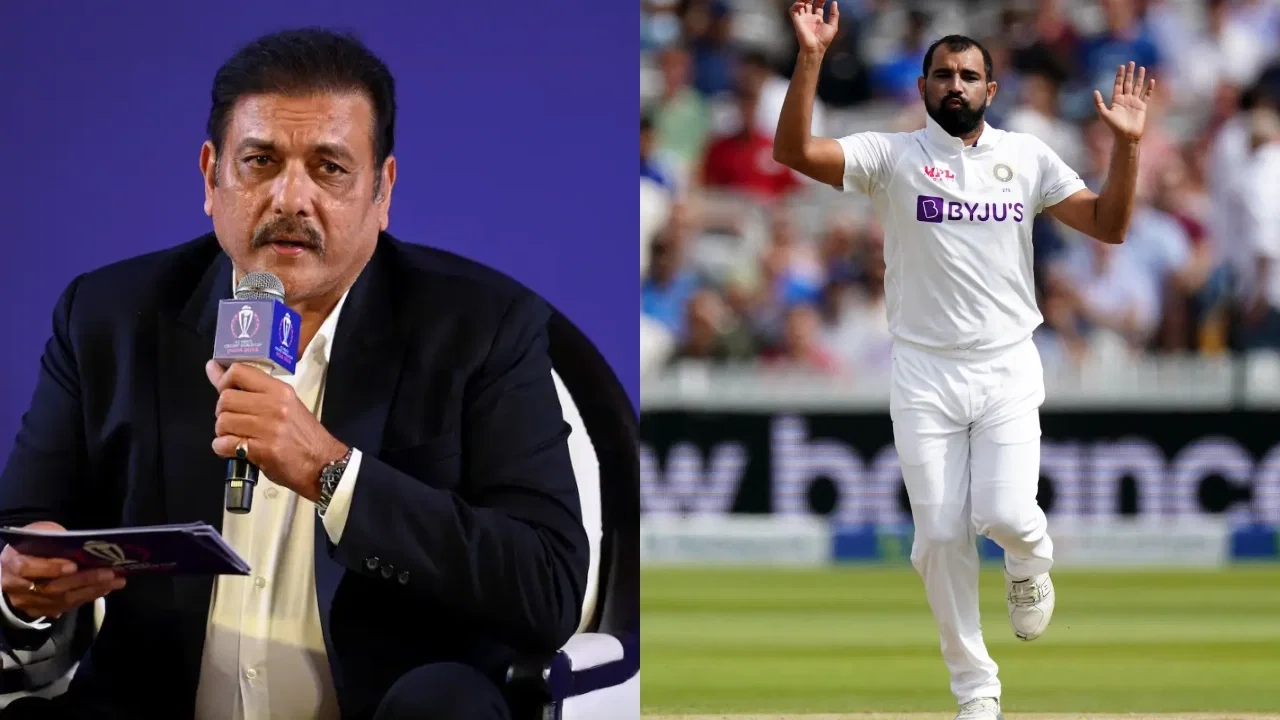
Ravi Shastri unhappy with Ajit Agarkar, Gautam Gambhir after Mohammed Shami’s Test retirement
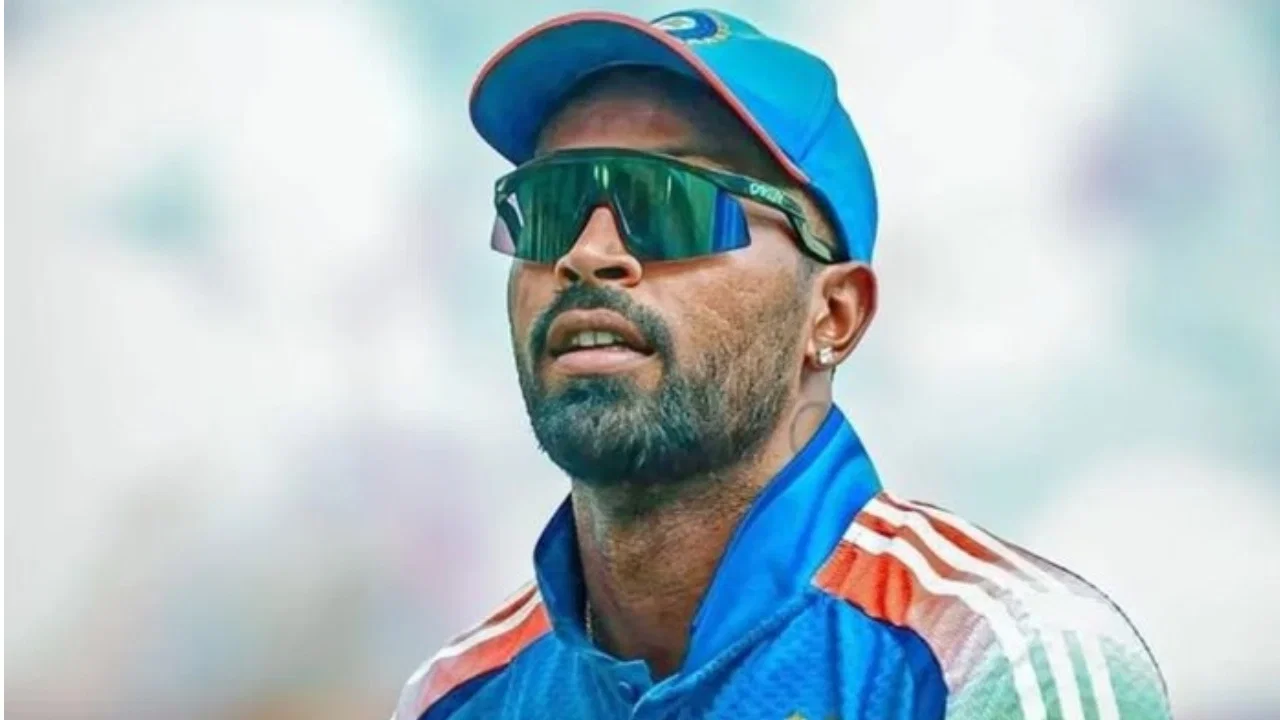
Hardik Pandya ruled out of Syed Mushtaq Ali Trophy 2026; Krunal Pandya to captain Baroda
Cheteshwar Pujara predicts major shake-up at KKR, MI changes and easy ride for RCB ahead of IPL 2027 auction
“A sad day to see him go”: Morne Morkel reacts to Mohammed Shami’s Test retirement
Towhid Hridoy breaks Bangladesh’s all-time individual Test scoring record
Rohit Sharma creates history with record-breaking sixes against New Zealand in 2nd ODI
Evil motive behind Usman Khawaja’s Sandpapergate revelations?
Usman Khawaja accuses South Africa of being experts at ball-tampering
Rishabh Pant expected to be fit for India vs New Zealand 1st Test in Wellington