Arshdeep Singh to Gurnoor Brar: Can India’s four pacers dominate in South Africa in 2027 CWC?
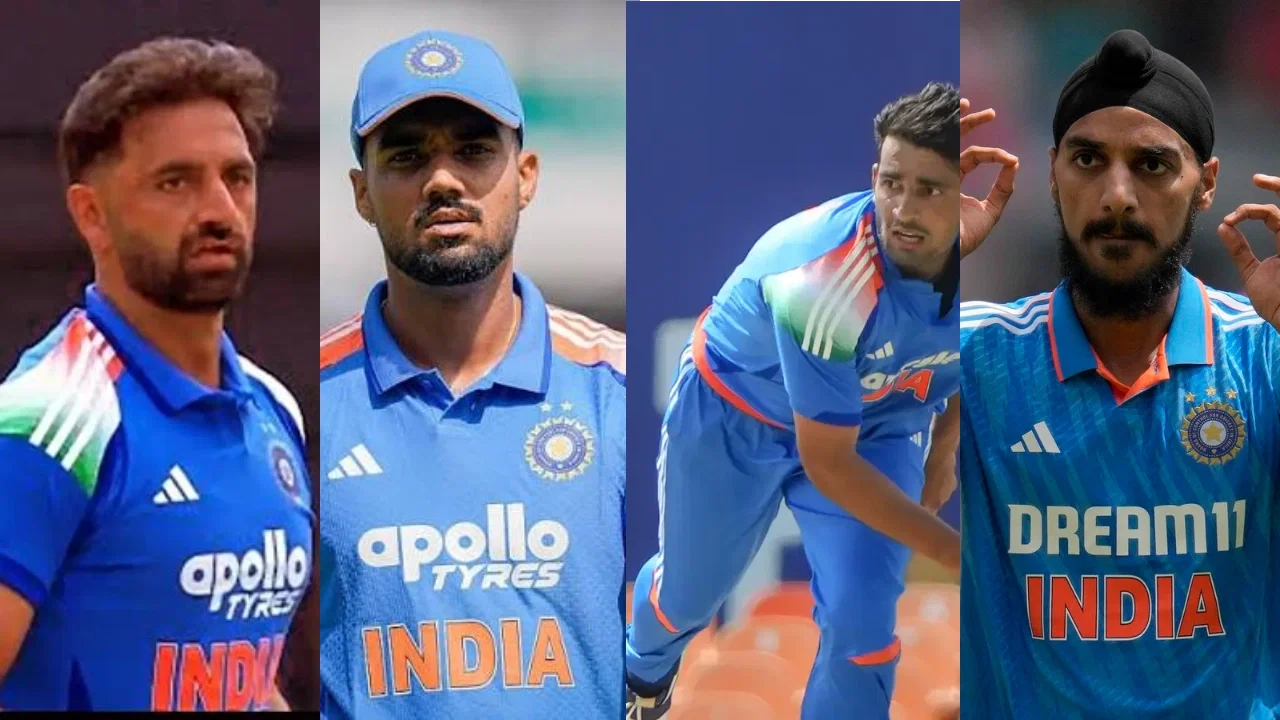
India’s New Zealand Pace Attack Offers Promising Clues Ahead of the 2027 ODI World Cup
There is something especially compelling about watching fast bowlers succeed in the demanding conditions of SENA cricket—South Africa, England, New Zealand and Australia. Seam-friendly pitches, changing weather and quality opposition test a bowling attack in ways that can reveal whether its members are ready for the international stage.
India’s ongoing ODI series in New Zealand has provided an encouraging glimpse of a new generation of quicks. Arshdeep Singh, Auqib Nabi, Anshul Kamboj and Gurnoor Brar have all had opportunities to make an impression, and their performances have raised an important question: is India beginning to find the right pace-bowling combination for the 2027 ODI World Cup?
It is too soon to declare the search over. A successful combination depends on more than a few strong spells: bowlers must stay fit, adapt to different conditions and deliver consistently against varied opponents. Still, the New Zealand matches offer useful evidence—and a promising prediction of what India’s fast-bowling options could become.
A changing picture for India’s fast bowlers
India’s batting has rarely lacked depth in the IPL era, but the national team’s pace attack has often relied heavily on a small number of established names. Injuries and workload management can quickly expose a lack of experienced alternatives, particularly on overseas tours.
The current group brings a more varied set of skills. Arshdeep offers left-arm angle and control, Nabi is known for disciplined movement, Kamboj has shown signs of development, and Brar brings extra pace. Nabi’s maiden ODI wicket in Wellington on November 7 was a notable milestone, especially after he had bowled promisingly in the previous match without receiving a reward.
Each bowler has a different challenge ahead. Their progress will depend on how well they translate promising performances into sustained contributions—not just in New Zealand, but across the conditions likely to feature in the build-up to the next World Cup.
Auqib Nabi: movement and discipline, with pace to develop
Nabi has attracted attention following his outstanding contribution to Jammu and Kashmir’s Ranji Trophy 2025–26 triumph. His bowling is built around control, a steady line and length, and the ability to make the ball move. Those qualities can be valuable in New Zealand, where conditions often reward bowlers who remain patient and attack the stumps or the outside edge.
His skill set could also suit South Africa, where hard surfaces and grass can provide bounce and seam movement. However, pace is an area to monitor. Nabi’s wicket-taking deliveries in Wellington were recorded at 128 and 129 kmph. That speed can be effective when combined with accuracy and movement, but faster pitches may demand more penetration, particularly against batters who are comfortable playing on the front foot.
India’s successful fast bowlers in South Africa have often been able to combine movement with a higher pace range. The prediction for Nabi, therefore, should be measured: he has the control and bowling intelligence to develop, but improving his speed could make him a more complete option for overseas conditions.
Anshul Kamboj: signs of growth at international level
Kamboj’s performances in New Zealand suggest a bowler who is learning quickly. The version of him seen during his Test debut in Manchester in 2025 appeared talented but still in the process of adjusting to the demands of international cricket. He now looks more assured and better equipped to execute his plans.
His reported pace has also moved forward. After previously finding it difficult to maintain speeds around 130 kmph, Kamboj has been operating closer to 134–135 kmph. That increase, alongside improved confidence, gives him a stronger platform from which to challenge batters.
For Kamboj, the next test is consistency. India has produced many promising fast bowlers, but maintaining a place in the national side requires more than one good series. Workload management, fitness and the ability to recover between matches will be crucial. If he can preserve his current momentum, he could become a useful part of India’s ODI plans before 2027.
Gurnoor Brar: extra speed gives India a different option
Brar adds a point of difference to the attack. Unlike Nabi and Kamboj, who are more associated with movement and control, Brar can use pace and a hard length to unsettle batters. He is capable of bowling above 140 kmph, giving India an option to attack the body, hurry batters and extract bounce.
That approach has looked well suited to New Zealand, where extra pace combined with even modest movement can make scoring difficult. It may also translate to South Africa, where the ball can carry through to the wicketkeeper and slip fielders. Brar’s potential role is not necessarily to swing the ball dramatically; it is to create pressure through speed, bounce and relentless lengths.
His style may bring to mind Ishant Sharma, whose pace and bounce were effective in overseas conditions. The comparison is about the kind of impact Brar could have, rather than a direct prediction of matching Ishant’s career. The key will be whether Brar can maintain control while using his natural pace.
Arshdeep Singh: experience and control remain valuable
Arshdeep is the most experienced member of this group and has taken on added responsibility in the absence of Jasprit Bumrah. While he has not yet reached his best form in the series, his skills make him an important part of India’s plans.
As a left-arm fast bowler, Arshdeep changes the angle of attack and can use seam movement, pace and accuracy to challenge both right- and left-handed batters. He has not been excessively expensive, but wickets will strengthen his case as a leading option for the 2027 ODI World Cup.
For Arshdeep, the focus is likely to be on finding the right balance between control and aggression. In ODI cricket, containing runs is valuable, but a bowler who can also break partnerships gives the captain more flexibility—especially during the middle overs and at the death.
What the New Zealand series means for India’s 2027 prediction
The performances so far point to a broader and more varied pool of fast bowlers, rather than a settled World Cup attack. That is a positive development. India can assess different combinations, identify who handles pressure and conditions best, and build depth around established players.
There are still important questions to answer. Can Nabi add enough pace to complement his movement? Will Kamboj sustain his improvement over a longer period? Can Brar turn raw speed into consistent wicket-taking spells? And can Arshdeep deliver the breakthroughs expected of an experienced leader?
The most realistic prediction is that India’s search for the perfect seam-bowling combination is not finished—but it may be entering a more encouraging phase. The New Zealand series has offered valuable evidence that several young or developing bowlers can contribute in challenging overseas conditions. If they continue improving and remain fit, India could head into the 2027 ODI World Cup with more options, greater variety and less dependence on a handful of names.
Latest News
Watch: Gurnoor Brar and Daryl Mitchell involved in heated exchange during 2nd ODI

Mohsin Khan to leave LSG? Two IPL franchises show interest
Not India! Harshit Rana to make comeback for this team, date revealed
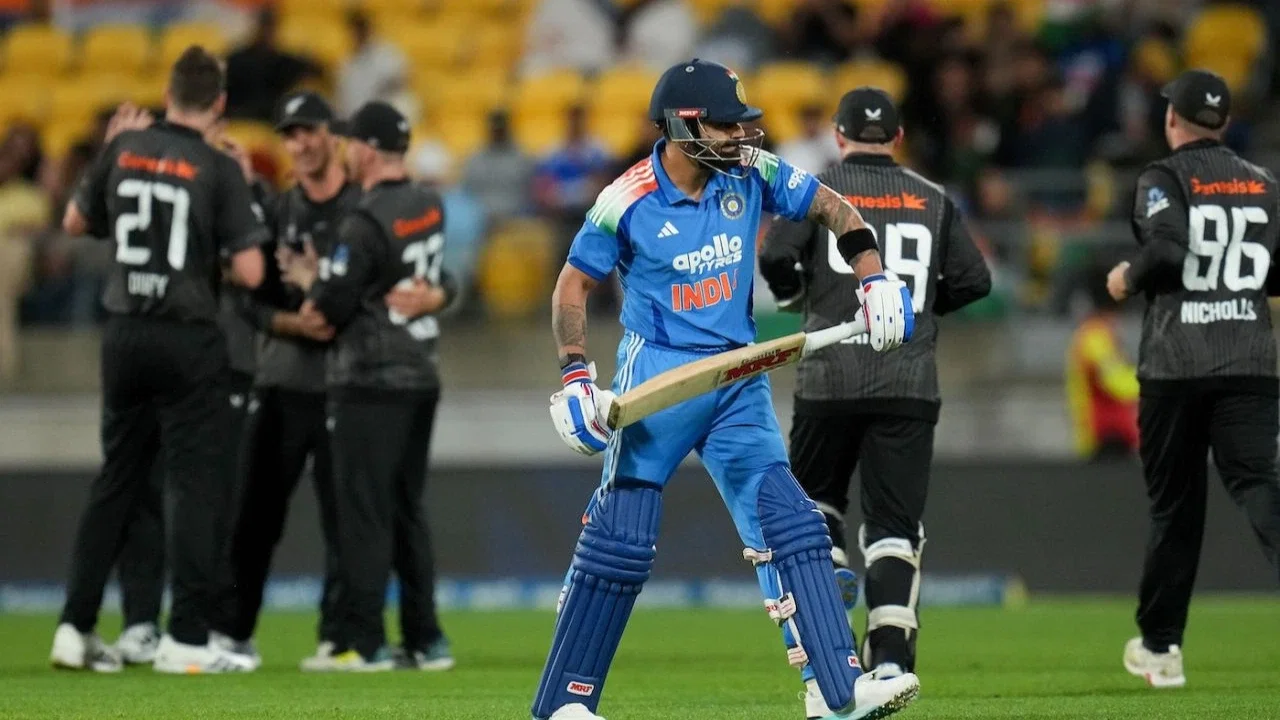
Virat Kohli breaks Ricky Ponting’s all-time ODI record against New Zealand
Arshdeep Singh to Gurnoor Brar: Can India’s four pacers dominate in South Africa in 2027 CWC?
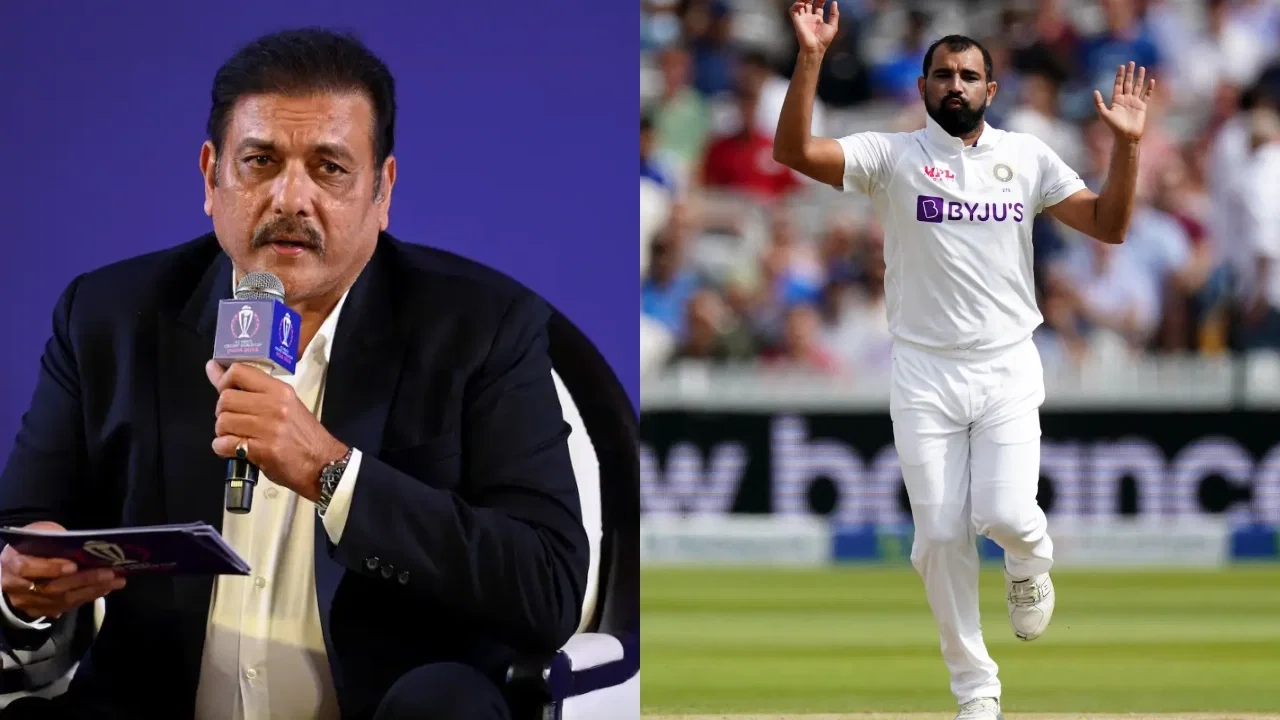
Ravi Shastri unhappy with Ajit Agarkar, Gautam Gambhir after Mohammed Shami’s Test retirement
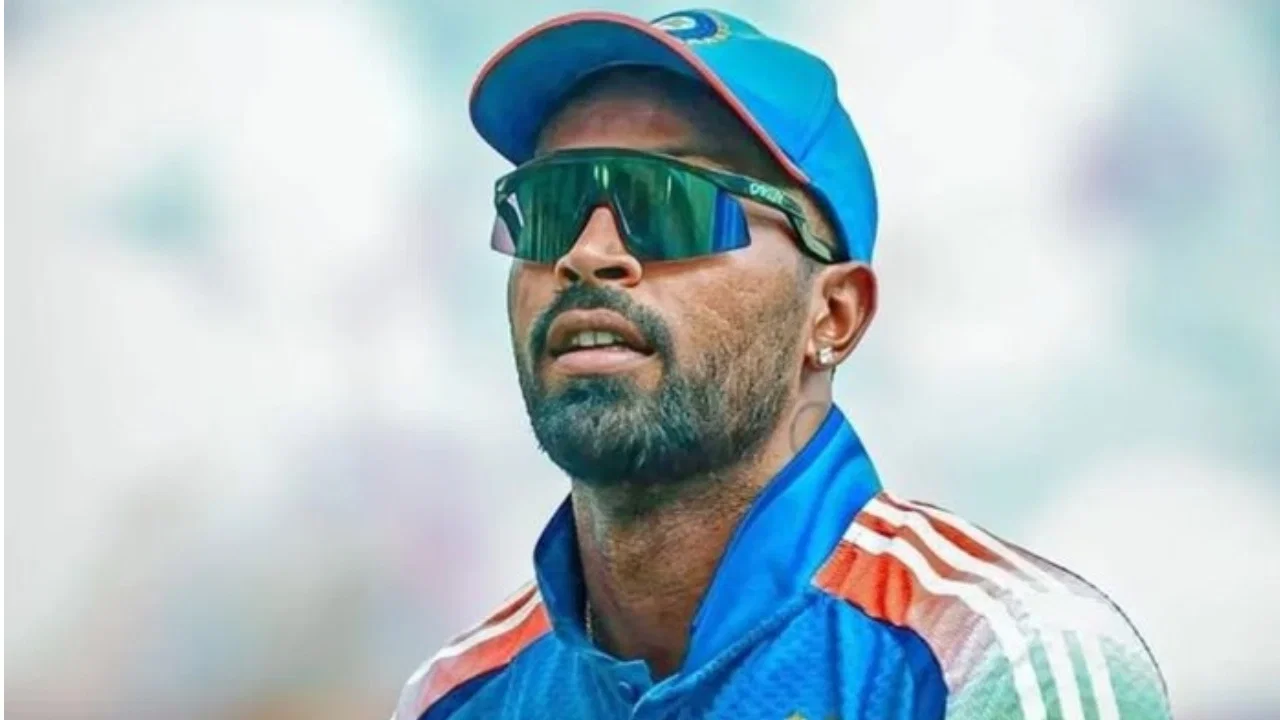
Hardik Pandya ruled out of Syed Mushtaq Ali Trophy 2026; Krunal Pandya to captain Baroda
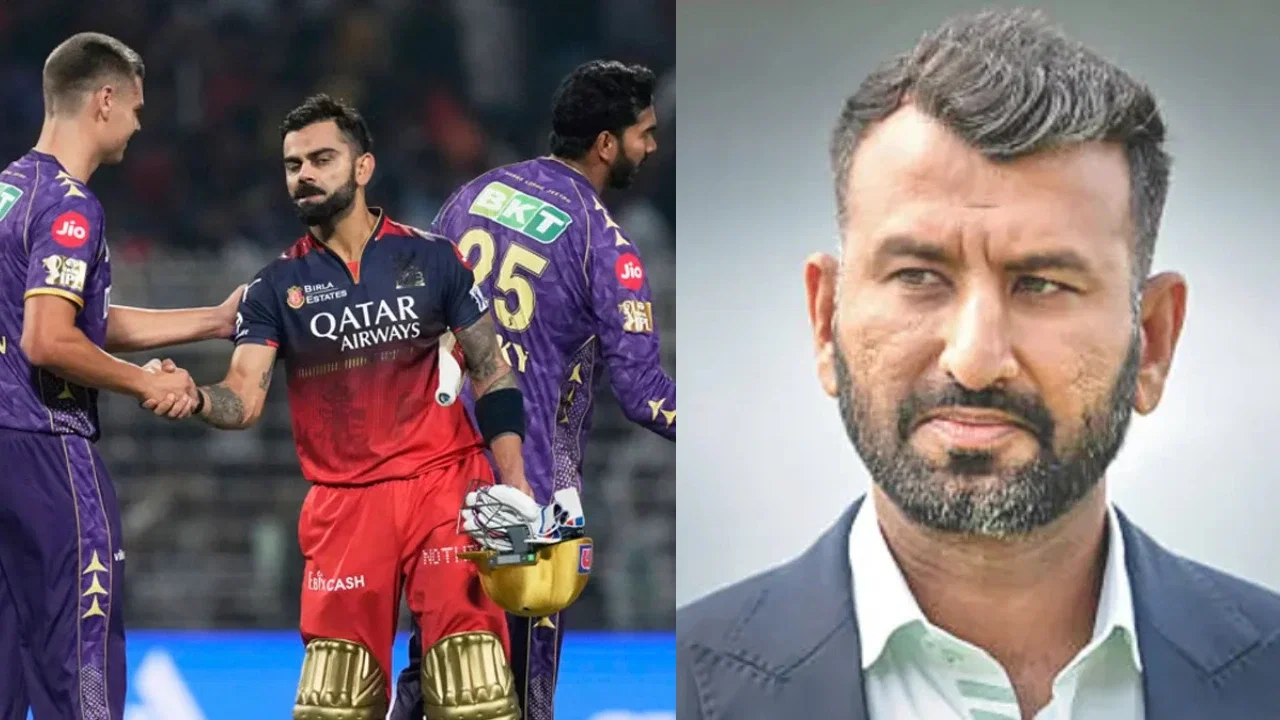
Cheteshwar Pujara predicts major shake-up at KKR, MI changes and easy ride for RCB ahead of IPL 2027 auction
“A sad day to see him go”: Morne Morkel reacts to Mohammed Shami’s Test retirement
Towhid Hridoy breaks Bangladesh’s all-time individual Test scoring record
Rohit Sharma creates history with record-breaking sixes against New Zealand in 2nd ODI
Evil motive behind Usman Khawaja’s Sandpapergate revelations?
Usman Khawaja accuses South Africa of being experts at ball-tampering
Rishabh Pant expected to be fit for India vs New Zealand 1st Test in Wellington