

“Books are there to sell”: Darren Lehmann takes dig at Usman Khawaja over Sandpapergate claims
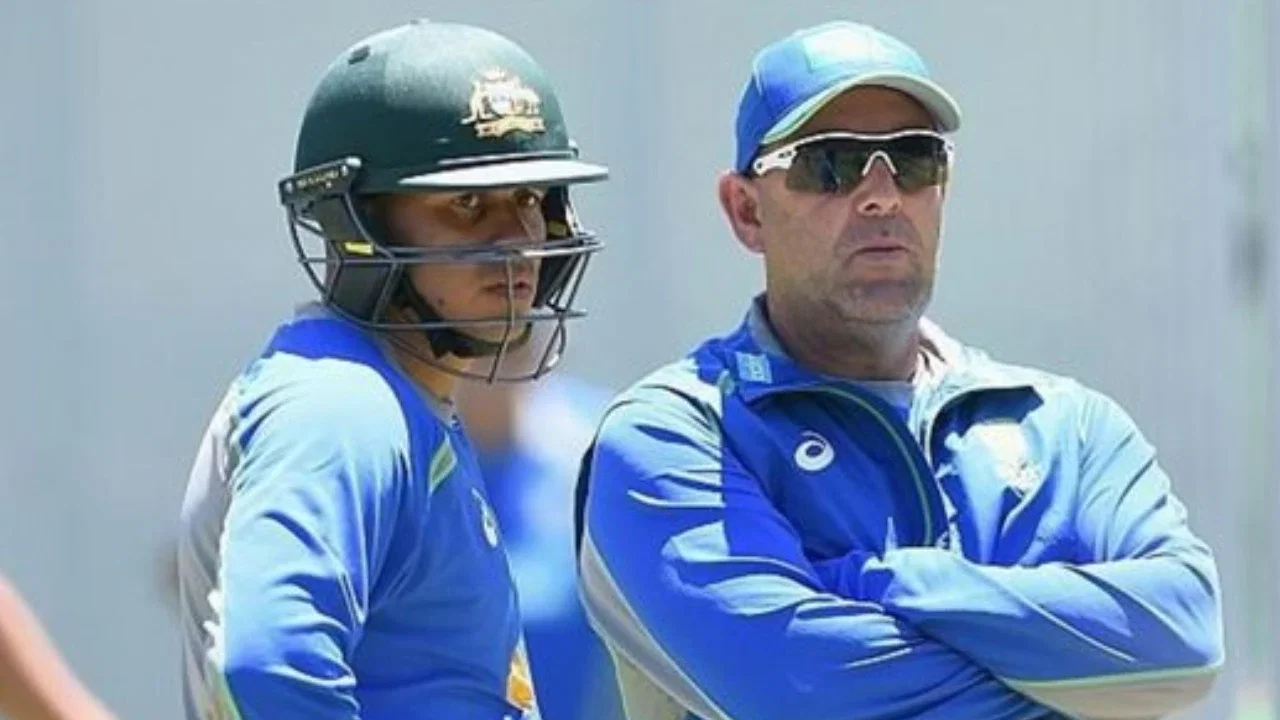
Darren Lehmann Rejects Usman Khawaja’s Claim That Australia’s Team Knew About Sandpaper Plan
Former Australia head coach Darren Lehmann has pushed back against Usman Khawaja’s claims about the 2018 Cape Town ball-tampering scandal, disputing the suggestion that every member of the Australian team knew sandpaper was being used to alter the ball.
The controversy has returned to public discussion following revelations from Khawaja’s book, Sabr. In comments to Nine newspapers ahead of its release, the former Australia batter said the plan was known across the team, including among players and staff. Lehmann, who was head coach during the scandal, says he does not believe the knowledge was that widespread.
His response has reopened debate around responsibility, transparency and the culture of elite cricket—questions that continue to shape how one of the sport’s most damaging episodes is remembered.
What happened during the 2018 Cape Town Test?
In March 2018, Australia faced South Africa in a Test match at Cape Town when television footage showed batter Cameron Bancroft attempting to alter the condition of the ball with a piece of sandpaper. The incident quickly became known as “Sandpapergate” and triggered an investigation by Cricket Australia.
Captain Steve Smith, vice-captain David Warner and Bancroft received lengthy suspensions. Lehmann, who was not found to have directed the plan, resigned as head coach soon after the scandal erupted. The episode damaged the reputations of those involved and prompted widespread criticism of Australia’s conduct and leadership.
It also led to a broader review of team culture and the standards expected of international players. For many supporters, the central issue was not only the act itself, but how it was planned, carried out and explained afterward.
Lehmann disputes Khawaja’s account
Khawaja told Nine newspapers that the ball-tampering plan was not limited to a small group. His account suggested that players and staff across the Australian setup were aware of what was happening, describing it as something the whole group knew about.
Speaking to ABC Sport’s Summer Grandstand, Lehmann rejected that interpretation. He said he did not believe every member of the team would have known about the use of sandpaper and stressed that he could speak only to what he personally knew.
“I don’t think everyone would have known,” Lehmann said, according to ABC Sport. He added that there could be different perspectives on the events, particularly given the number of people and conversations involved during the tour.
Lehmann also said Khawaja had not contacted him before making the claims public. He indicated that Khawaja had reportedly spoken with captain Pat Cummins and other players, but said he had not received a call or message from the former batter.
Lehmann acknowledges ball-tampering history—but says it was wrong
While disputing the claim of universal knowledge, Lehmann made a separate point about the history of ball-tampering in cricket. He described attempts to change the ball’s condition as a practice that had existed in the sport for generations, while making clear that its long history did not make it acceptable.
“That doesn’t make it right either,” Lehmann said, adding that Australia had paid a heavy price for the Cape Town incident. He also suggested that ball-tampering is now close to obsolete, reflecting stricter monitoring, stronger sanctions and increased scrutiny of players’ actions on the field.
The distinction matters: acknowledging that misconduct has occurred in cricket over time does not settle who knew about a particular plan or who should be held responsible. Those questions remain at the heart of the latest disagreement between Khawaja and Lehmann.
Collective responsibility remains a point of debate
Khawaja has also said that, after Bancroft was caught, he proposed that the entire playing group accept collective responsibility for the incident. Lehmann did not confirm whether that conversation took place. He said the team had separate dressing rooms, multiple meetings were happening, and he was occupied with discussions involving Cricket Australia.
He likewise said he could not verify an alleged conversation between Bancroft and a member of the coaching staff. “That could have been the case; I don’t know,” Lehmann said, adding that people may remember the same period differently.
That uncertainty highlights a challenge common to high-profile sporting scandals: accounts can diverge years later, especially when participants were in different locations or involved in separate discussions. Without a shared, detailed record of every conversation, recollections may not align.
Why Khawaja’s revelations are drawing attention
Khawaja’s comments have renewed interest in Sandpapergate because they challenge the familiar account of the scandal as the actions of a limited group. If more people knew about the plan, that would raise further questions about leadership, team communication and whether responsibility extended beyond those directly punished.
At the same time, Lehmann’s response underscores that a claim about broad awareness should not automatically be treated as established fact. His comments offer the perspective of the coach at the time, but they do not resolve the disagreement. Readers and cricket followers are left to weigh the competing accounts alongside the findings and consequences already associated with the case.
The renewed discussion may also influence how the episode is understood by a new generation of fans. The scandal remains a reference point in conversations about sportsmanship, accountability and the pressures of international competition. Any prediction about whether the latest claims will change public opinion is uncertain, but the debate is likely to continue as more details from Khawaja’s book are considered.
A lasting stain on Australian cricket
More than eight years after the Cape Town Test, Sandpapergate remains one of the defining crises in modern Australian cricket. The suspensions, Lehmann’s resignation and the damage to the team’s image made clear that the consequences extended well beyond a single match.
Khawaja’s account has brought the question of who knew—and when—back into focus. Lehmann has firmly rejected the idea that the entire team was aware, while acknowledging that the episode caused lasting harm. For now, the two accounts remain in tension, leaving cricket followers to consider what the latest revelations add to an already complicated story.
Latest News
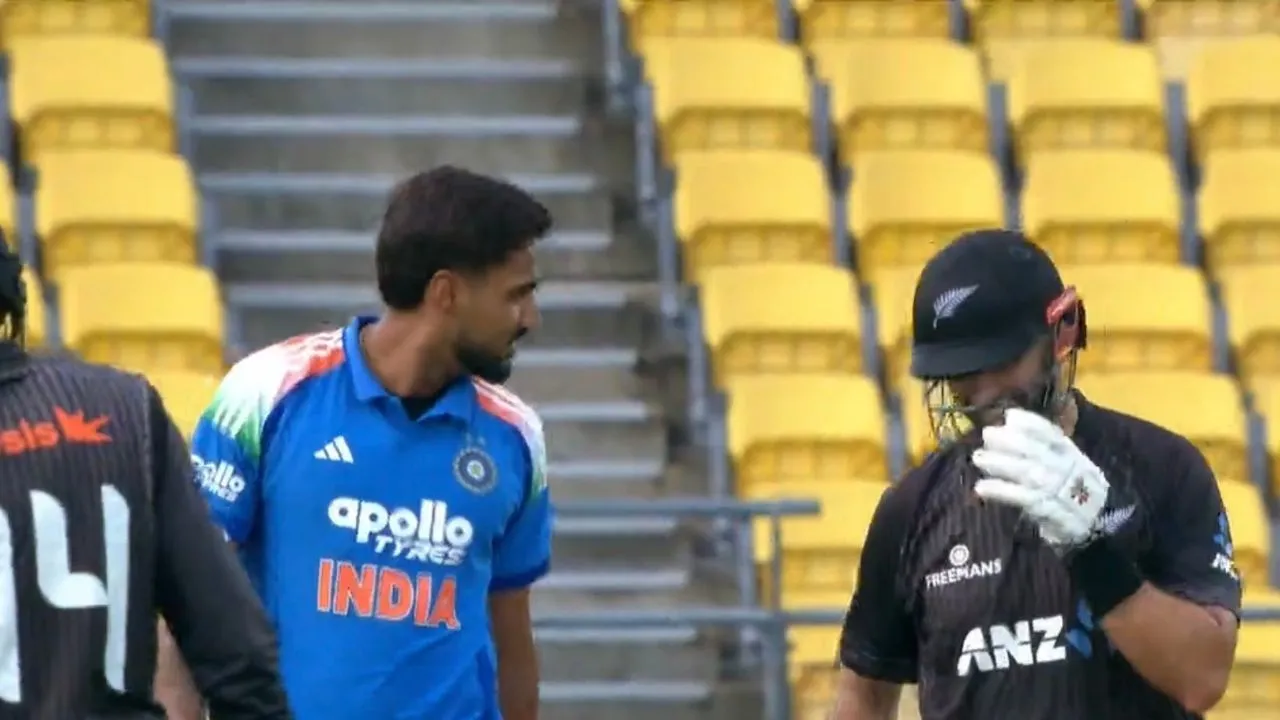
Watch: Gurnoor Brar and Daryl Mitchell involved in heated exchange during 2nd ODI

Mohsin Khan to leave LSG? Two IPL franchises show interest

Not India! Harshit Rana to make comeback for this team, date revealed
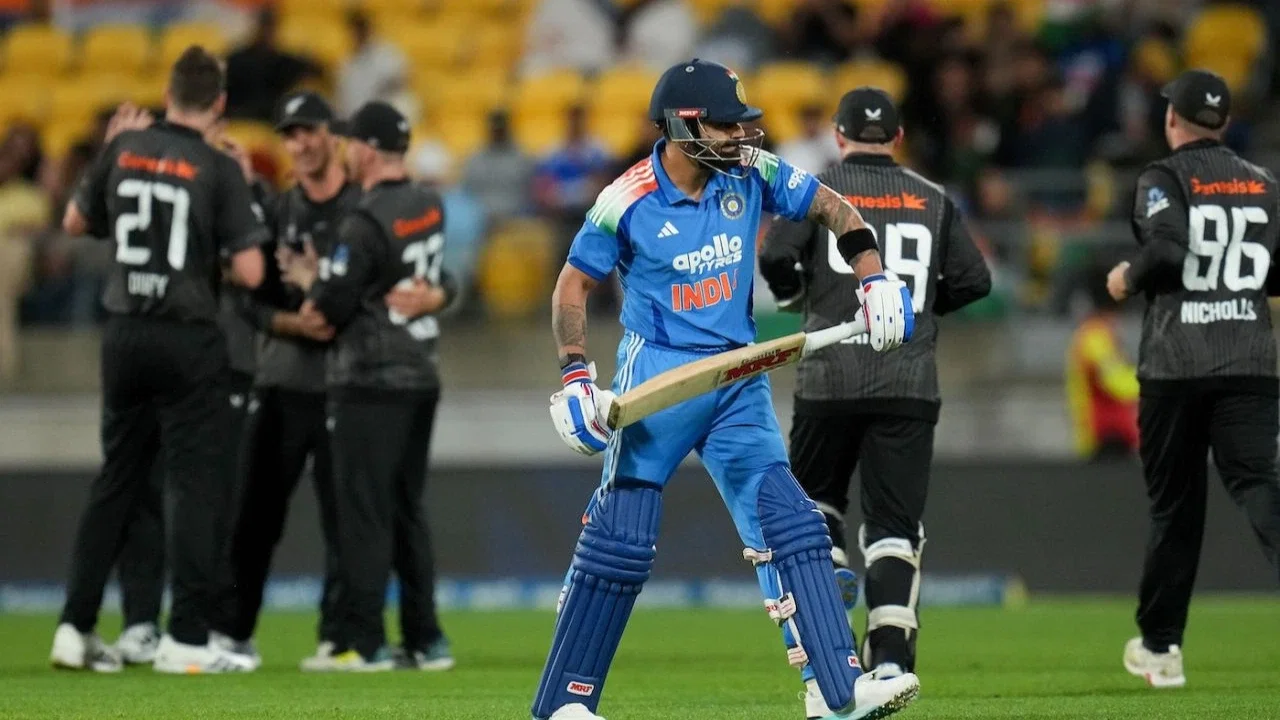
Virat Kohli breaks Ricky Ponting’s all-time ODI record against New Zealand

Arshdeep Singh to Gurnoor Brar: Can India’s four pacers dominate in South Africa in 2027 CWC?

Ravi Shastri unhappy with Ajit Agarkar, Gautam Gambhir after Mohammed Shami’s Test retirement
Hardik Pandya ruled out of Syed Mushtaq Ali Trophy 2026; Krunal Pandya to captain Baroda
Cheteshwar Pujara predicts major shake-up at KKR, MI changes and easy ride for RCB ahead of IPL 2027 auction
“A sad day to see him go”: Morne Morkel reacts to Mohammed Shami’s Test retirement
Towhid Hridoy breaks Bangladesh’s all-time individual Test scoring record

Rohit Sharma creates history with record-breaking sixes against New Zealand in 2nd ODI
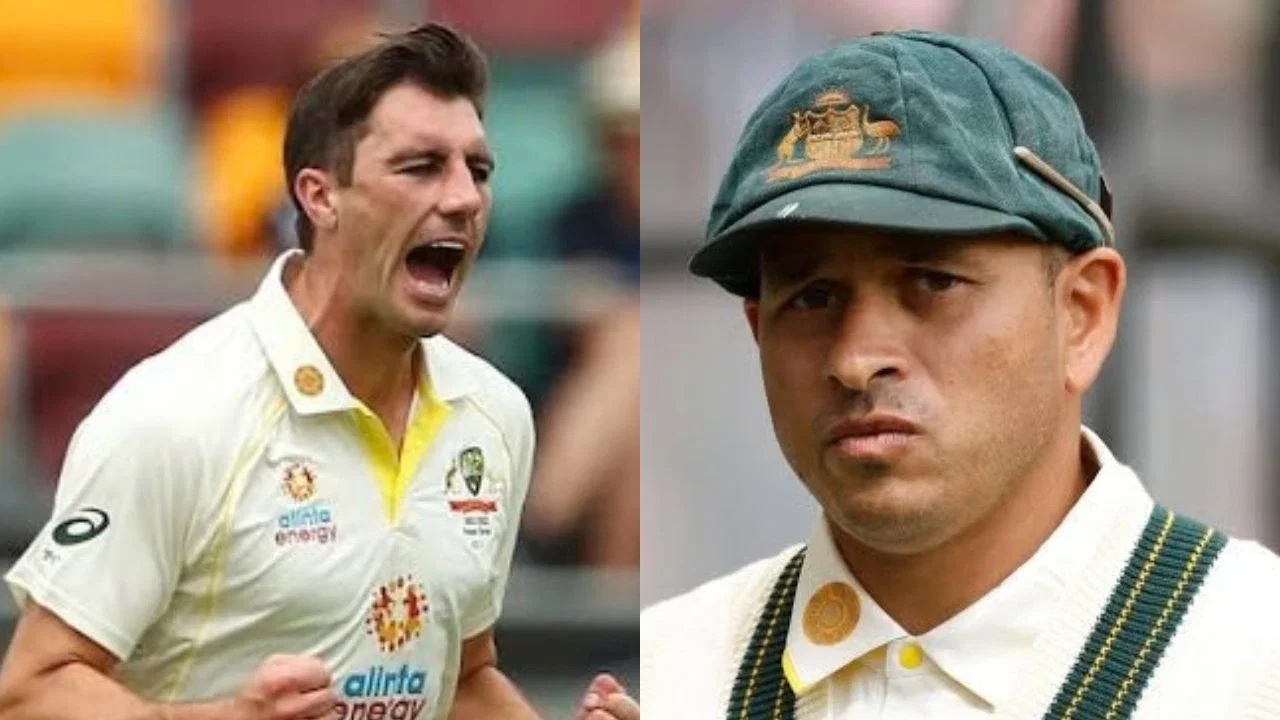
Evil motive behind Usman Khawaja’s Sandpapergate revelations?

Usman Khawaja accuses South Africa of being experts at ball-tampering
Rishabh Pant expected to be fit for India vs New Zealand 1st Test in Wellington

