Virat Kohli breaks Ricky Ponting’s all-time ODI record against New Zealand
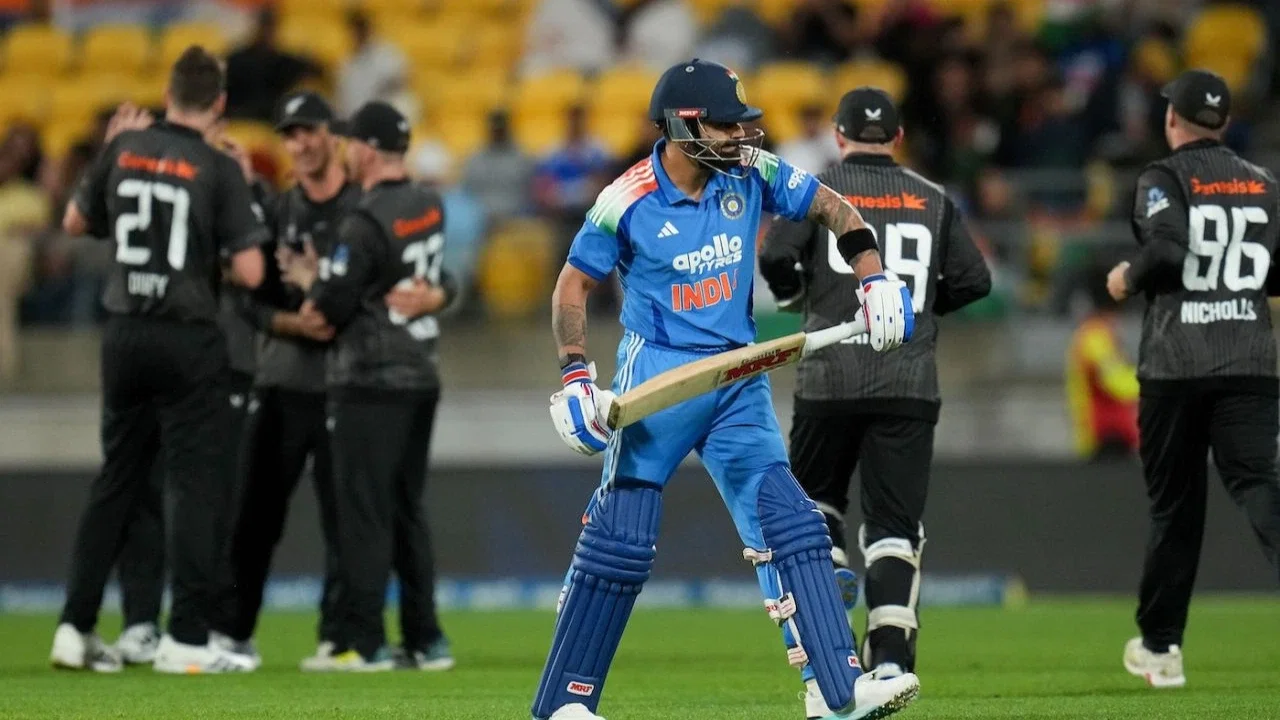
Virat Kohli Surpasses Ricky Ponting in ODI Runs Against New Zealand
Virat Kohli added another landmark to his remarkable one-day international career during the second ODI between India and New Zealand in Wellington on November 7. With a boundary early in his innings, the former India captain moved past Australian great Ricky Ponting to become the leading run-scorer against New Zealand in ODI cricket.
The milestone arrived quickly, but Kohli’s innings did not last long. He was dismissed for seven from seven deliveries, as New Zealand’s bowlers exploited movement outside off stump. His brief stay therefore offered a striking contrast: a record-breaking moment followed by an early exit in a match shaped by India’s dominant bowling display.
A boundary that rewrote the record books
Kohli needed just one run before the match to overtake Ponting’s tally of 1,971 ODI runs against the Black Caps. He opened his account with a well-timed four on the second ball he faced, taking his career total against New Zealand to 1,975 runs and moving into sole possession of first place.
The achievement adds another entry to a career defined by consistency across conditions and opponents. Kohli has built his reputation on the ability to adapt his approach, whether setting a target or steering a chase. His record against New Zealand is particularly notable given the challenge of batting against a side known for disciplined seam bowling and effective use of movement.
Behind Kohli and Ponting on the all-time list is India legend Sachin Tendulkar, who scored 1,750 ODI runs against New Zealand. Sri Lanka’s Kumar Sangakkara follows with 1,568, while Sanath Jayasuriya and Jacques Kallis also feature among the leading run-scorers.
Most ODI runs against New Zealand
1. Virat Kohli: 1,975 runs
2. Ricky Ponting: 1,971 runs
3. Sachin Tendulkar: 1,750 runs
4. Kumar Sangakkara: 1,568 runs
5. Sanath Jayasuriya: 1,519 runs
6. Jacques Kallis: 1,449 runs
The figures underline the scale of Kohli’s achievement. Ponting, Tendulkar, Sangakkara, Jayasuriya and Kallis all enjoyed long international careers and faced New Zealand across multiple tours and tournaments. Kohli’s move to the top of the list reflects both his longevity and his sustained productivity in high-pressure ODI cricket.
Jacob Duffy’s plan ends Kohli’s innings
After celebrating the record, Kohli was unable to build a substantial score. New Zealand fast bowler Jacob Duffy dismissed him by targeting a channel outside off stump, tempting the right-hander into an attacking drive. The delivery appeared to arrive more slowly than Kohli anticipated, and he played at it before the ball reached him.
The mistimed shot went towards cover point, where Will Young completed the catch. It was a carefully executed dismissal: New Zealand offered Kohli a tempting scoring option but kept the ball wide enough to make the drive risky, particularly with movement in the air. Duffy’s accuracy and Young’s safe hands ensured that India’s chase lost one of its most experienced batters early.
Kohli’s dismissal will likely renew discussion about the value of patience in a low-target chase. When only 135 runs are required, batters can be tempted to finish the contest quickly, but early wickets can add pressure and give the bowling side an opportunity to build momentum. For India, the key was to remain composed after losing Kohli rather than allow the wicket to disrupt the chase.
Gurnoor Brar leads India’s bowling effort
India’s strong position began with a commanding performance in the first innings. Captain Shubman Gill won the toss and chose to bowl, a decision that paid off as India’s attack restricted New Zealand to 134. Gurnoor Brar was the standout performer, claiming four wickets for 30 runs and helping dismantle the home side’s batting order.
Brar’s four-wicket haul gave India control of the innings and prevented New Zealand from building the partnerships needed to post a competitive total. On a surface offering assistance to the bowlers, India maintained pressure through disciplined lines and regular breakthroughs. The modest target also meant the visitors could approach the chase without needing to take unnecessary risks.
New Zealand were missing batter Devon Conway, who had been ruled out of the series after suffering a concussion in a collision during training. His absence removed an experienced option from the hosts’ lineup, although India’s bowlers still had to execute their plans to take advantage of the situation.
Series context and prediction
India entered the second ODI hoping to strengthen its position in the five-match series. The visitors had already won the rain-affected opening match by five wickets, with Kohli contributing 74 runs. That innings had offered an encouraging sign for India, making his quick dismissal in Wellington a notable change of pace—but not enough to erase the value of his earlier form or his latest career record.
With New Zealand bowled out for 134, India had a clear opportunity to take a 2-0 series lead. Any prediction for the remainder of the contest would naturally favour India given its low target and dominant bowling display, though conditions in Wellington can make a chase less straightforward than the score suggests. New Zealand’s best chance was to strike early, while India’s priority was to avoid gifting further wickets.
Regardless of the result, the match delivered two contrasting headlines: Kohli’s place at the top of the ODI run-scoring list against New Zealand and Brar’s match-shaping spell. Kohli’s record is a significant personal milestone, while India’s disciplined attack demonstrated the collective strength that can turn a difficult away fixture into a strong series opportunity.
Latest News
Watch: Gurnoor Brar and Daryl Mitchell involved in heated exchange during 2nd ODI

Mohsin Khan to leave LSG? Two IPL franchises show interest
Not India! Harshit Rana to make comeback for this team, date revealed
Virat Kohli breaks Ricky Ponting’s all-time ODI record against New Zealand
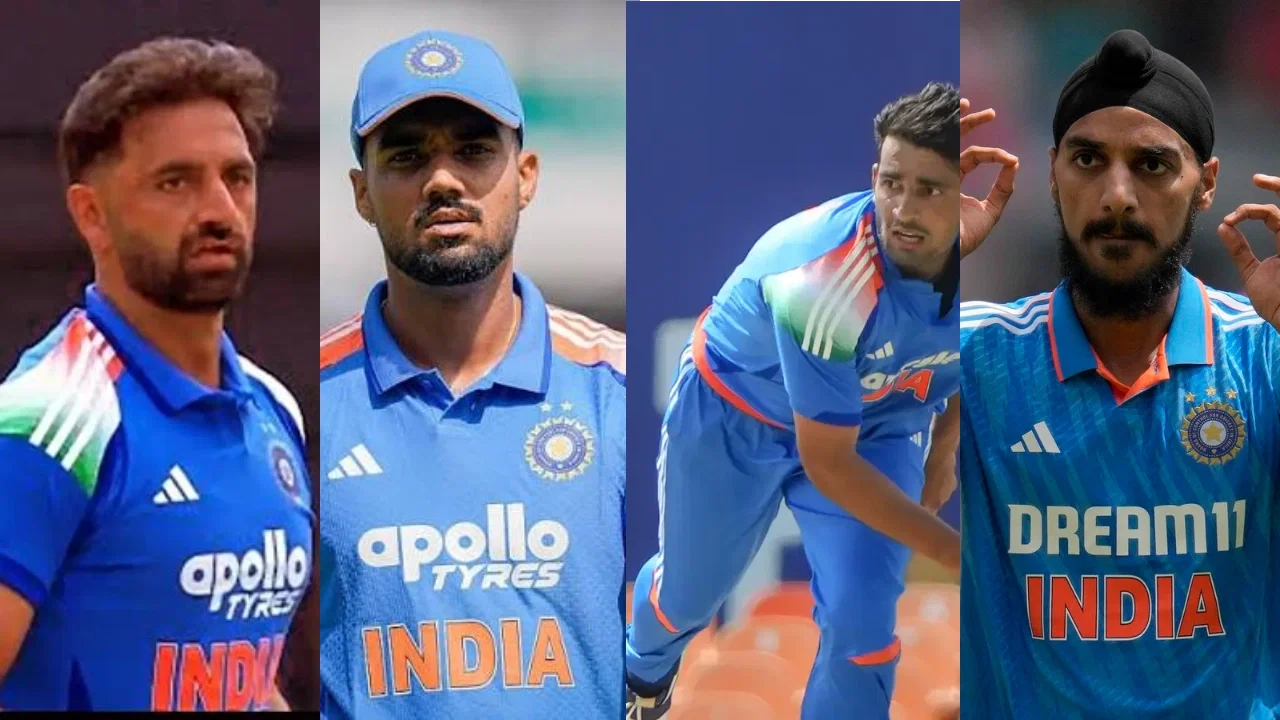
Arshdeep Singh to Gurnoor Brar: Can India’s four pacers dominate in South Africa in 2027 CWC?
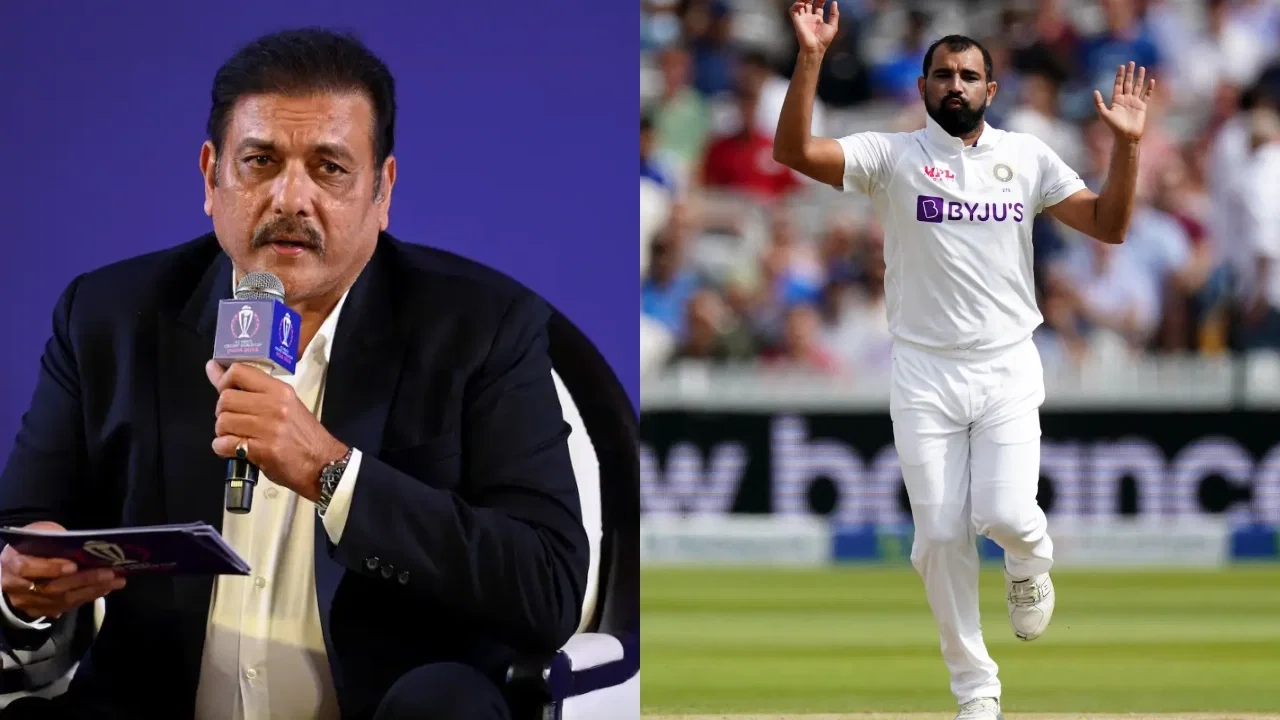
Ravi Shastri unhappy with Ajit Agarkar, Gautam Gambhir after Mohammed Shami’s Test retirement
Hardik Pandya ruled out of Syed Mushtaq Ali Trophy 2026; Krunal Pandya to captain Baroda
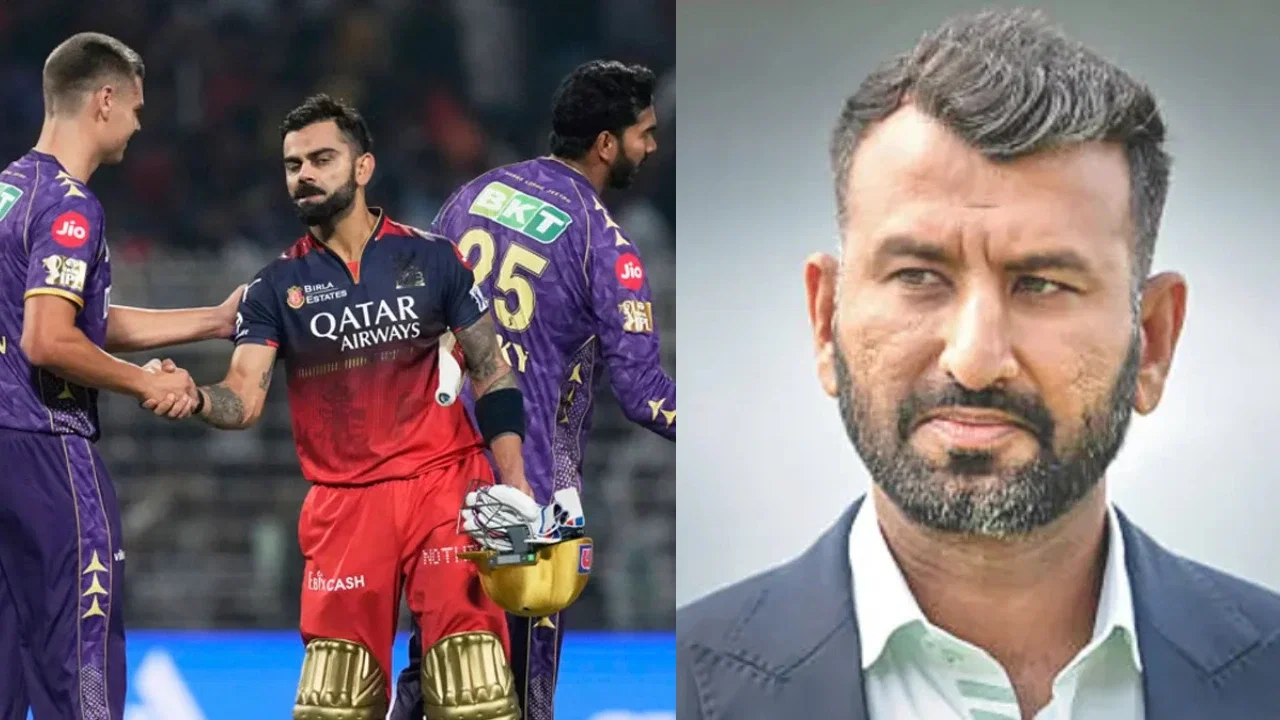
Cheteshwar Pujara predicts major shake-up at KKR, MI changes and easy ride for RCB ahead of IPL 2027 auction
“A sad day to see him go”: Morne Morkel reacts to Mohammed Shami’s Test retirement
Towhid Hridoy breaks Bangladesh’s all-time individual Test scoring record
Rohit Sharma creates history with record-breaking sixes against New Zealand in 2nd ODI
Evil motive behind Usman Khawaja’s Sandpapergate revelations?
Usman Khawaja accuses South Africa of being experts at ball-tampering
Rishabh Pant expected to be fit for India vs New Zealand 1st Test in Wellington