Aakash Chopra explains why Yashasvi Jaiswal and KL Rahul’s partnership is crucial for India
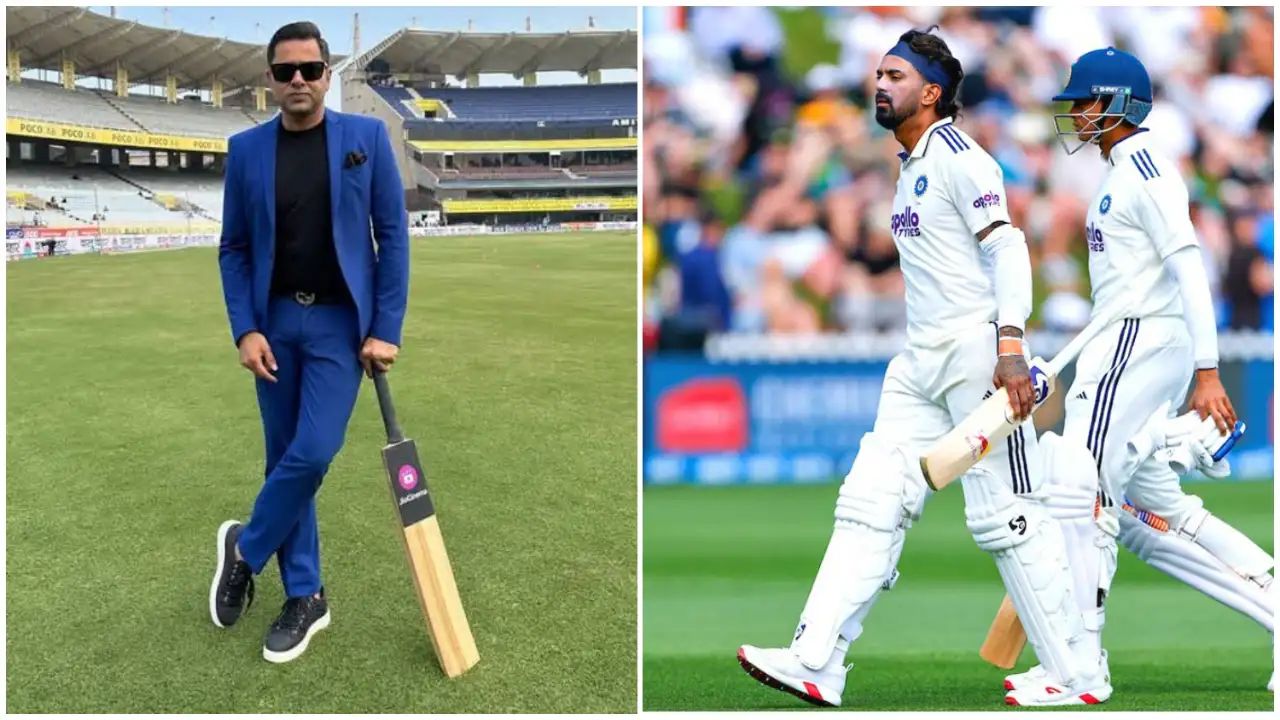
Aakash Chopra Praises Jaiswal and Rahul After India’s Strong Start Against New Zealand
Former India opener and cricket analyst Aakash Chopra has praised Yashasvi Jaiswal and KL Rahul for giving India a solid platform in the first innings of the opening Test against New Zealand. Their contrasting batting styles helped keep the pressure on the visitors, leaving India well placed at the end of Day 2.
India finished the day on 159 for one after New Zealand had made 368 in their first innings. Jaiswal’s brisk 85 and Rahul’s composed half-century gave the hosts a strong response, although Jaiswal narrowly missed out on a deserved hundred. Chopra said the partnership was especially valuable because it combined attacking intent with sound defensive technique.
Jaiswal’s aggression and Rahul’s composure complement each other
Speaking on his official YouTube channel, Chopra highlighted how effectively the two openers applied pressure despite approaching the innings in very different ways. Rahul relied on patience and technical discipline, while Jaiswal looked to score actively and unsettle the New Zealand bowlers.
Rahul remained unbeaten on 52 from 116 deliveries, striking five boundaries. His measured innings was built around playing close to his body and judging which balls to defend and which to score from. At stumps, he was still at the crease and set to resume on Day 3 alongside Devdutt Padikkal.
Jaiswal, meanwhile, brought a more expansive approach. He scored 85 from just 89 balls, hitting 16 fours and repeatedly finding ways to put the bowlers under pressure. The left-hander had a few close calls during his innings, but continued to play with intent rather than allowing those moments to disrupt his rhythm.
Chopra praised both contributions, noting that their contrasting methods made the opening stand effective. In his assessment, Rahul’s compact technique provided stability, while Jaiswal’s willingness to attack helped India seize momentum. Jaiswal was also playing his first Test in New Zealand, making his confident performance particularly notable.
Jaiswal misses a century but strengthens India’s position
Jaiswal fell 15 runs short of a Test century, but his innings gave India an important start in the context of the match. His scoring rate meant the hosts could make progress quickly without relying solely on defensive batting. That tempo may prove significant as India attempt to erase New Zealand’s first-innings advantage and build a lead of their own.
Chopra observed that Jaiswal had some fortunate escapes, yet he did not abandon his attacking mindset. Rather than becoming cautious after those moments, he continued to take on the bowling when opportunities appeared. Chopra described the knock as impressive, particularly given the unfamiliar conditions and the challenge of facing New Zealand’s attack in its own country.
For India, the innings offered more than a substantial individual score. It also demonstrated how an opener can apply pressure in Test cricket while still respecting the demands of a long format. Jaiswal’s positive approach, balanced by Rahul’s steadier presence at the other end, helped India finish the day with a clear opportunity to shape the contest.
Day 3 prediction: batting conditions could favour India
Chopra identified Day 3 as a potentially decisive phase, suggesting that conditions could be at their best for batting. His prediction was that India would need to make the most of the next session and a half, adding runs consistently before the pitch and match situation begin to change.
With New Zealand’s total standing at 368, India’s immediate objective is to close the gap and then push beyond it. Reaching around 450 would give the hosts a meaningful first-innings advantage and put their bowlers in a stronger position later in the Test. Chopra suggested that India should continue to build rather than settle for merely drawing level.
That plan will depend on Rahul carrying his innings forward and Padikkal settling in at the crease. India will also need to manage the balance between scoring freely and protecting wickets. A productive first session could put the visitors on the defensive, while a cluster of early wickets would bring New Zealand back into the match.
Why India’s first-innings total matters
In a Test match, the value of a strong first-innings score extends beyond the runs themselves. A substantial total can create scoreboard pressure, give the bowling side room to attack, and reduce the risk of having to chase a difficult target in the final innings. If India can build a lead, the responsibility will shift to New Zealand to respond under pressure.
The pitch and weather will also influence how the match develops. If batting remains comfortable on Day 3, India have an opportunity to make up ground. As the game progresses, however, changing conditions can make stroke-making more demanding and increase the importance of every partnership. That is why Chopra’s call to keep accumulating runs is central to India’s prospects.
India ended Day 2 in a promising position, but the contest remains open. Rahul’s patience and Jaiswal’s attacking 85 have provided the foundation; the next challenge is to turn that start into a commanding total. If India bat with discipline while retaining the scoring intent shown by Jaiswal, they could put themselves in a position to dictate the later stages of the first Test.
Latest News
Aakash Chopra explains why Yashasvi Jaiswal and KL Rahul’s partnership is crucial for India
Danish Kaneria raises age fraud concerns over Pakistan U-19 players after Asia Cup final

IPL 2027: Ricky Ponting backs Hardik Pandya, explains his role at Punjab Kings
Ajinkya Rahane backs Shubman Gill to continue his fine form against New Zealand
‘Give Vaibhav Sooryavanshi 20 innings’: Krishnamachari Srikkanth urges India to back 15-year-old wonder boy
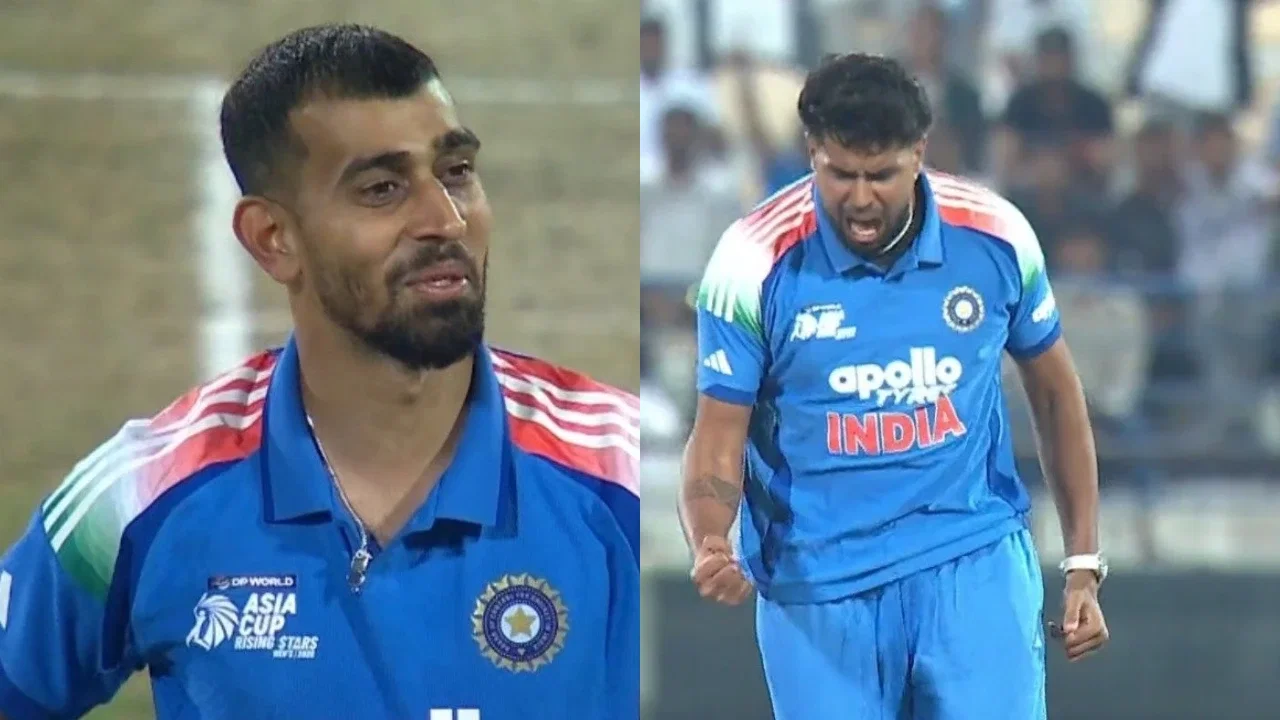
India bowl Nepal out for 26 as Prince Yadav, Harshit Rana run riot

Abhishek Sharma FAILS! SRH opener out cheaply in opening game of ACC Men’s Asia Cup Rising Stars 2026

‘I want to win the IPL’: Suryakumar Yadav reveals his biggest target for 2027
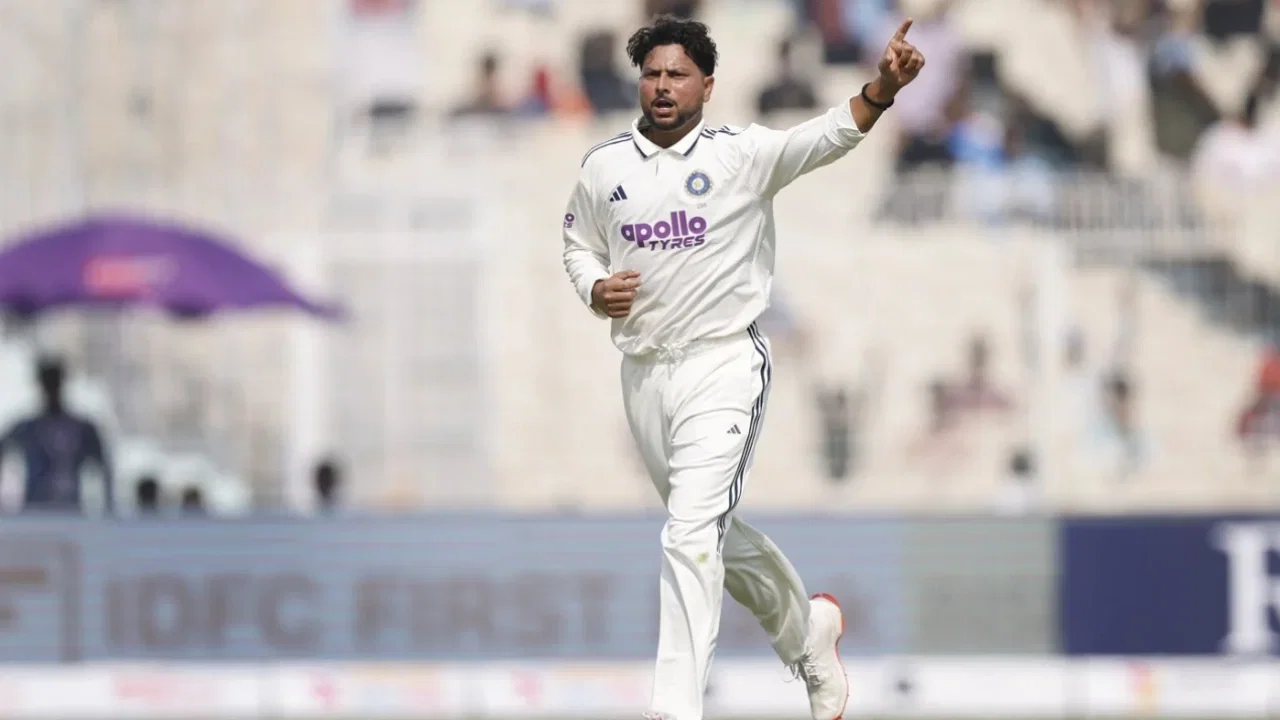
Kuldeep Yadav to play against Jharkhand as Uttar Pradesh eye SMAT knockout spot
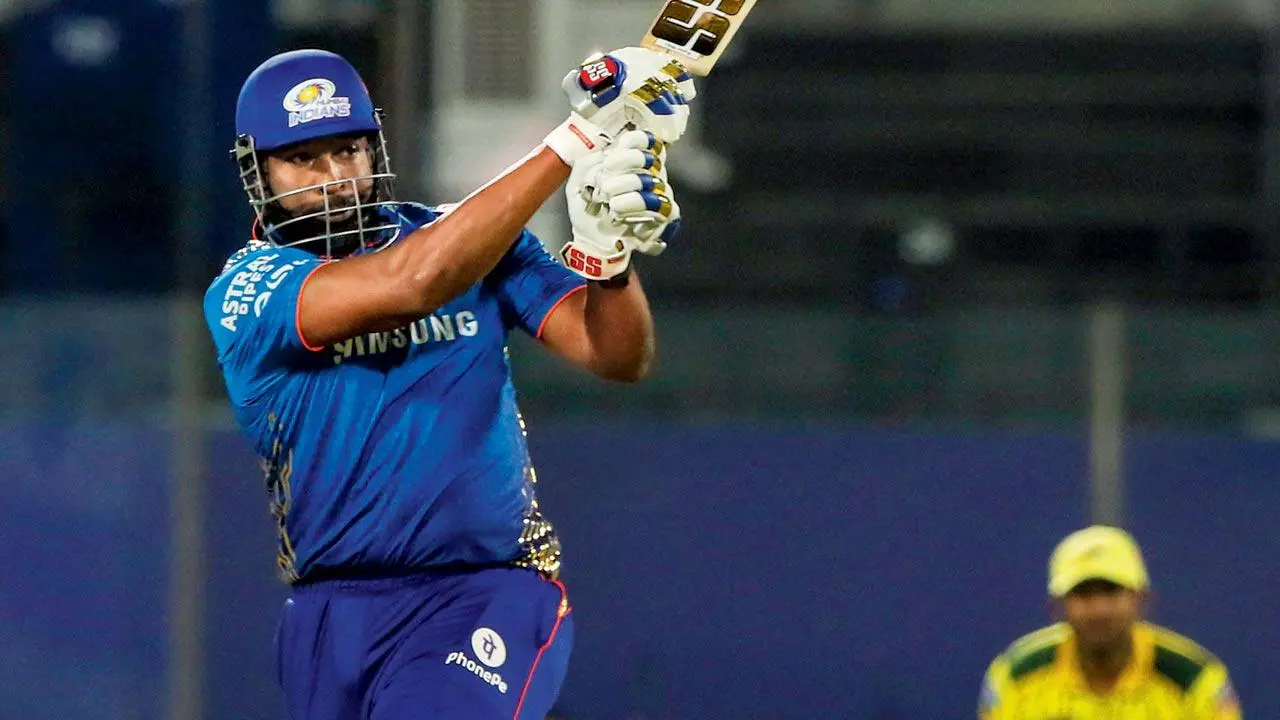
Kieron Pollard appointed MI Emirates captain ahead of ILT20 2026 season

IPL 2027: Kumar Sangakkara opens up on Rajasthan Royals’ decision to release Shimron Hetmyer
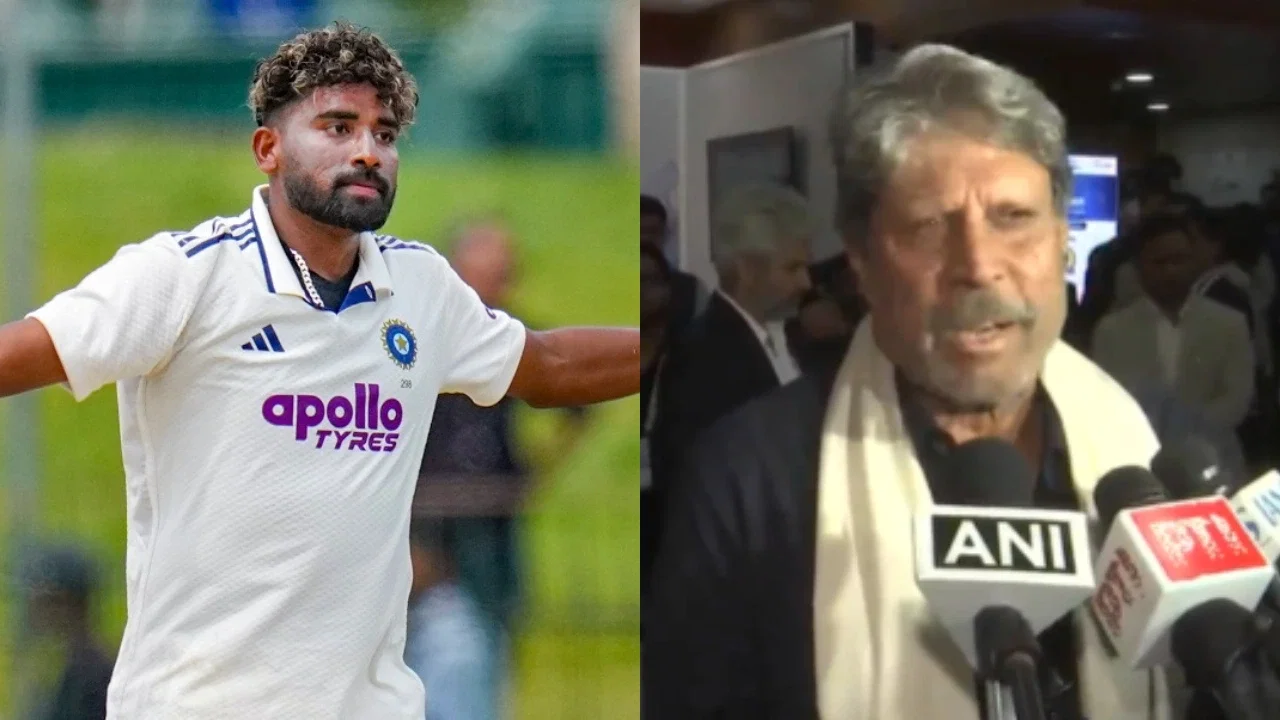
“Ask the selectors”: Kapil Dev weighs in on Mohammed Siraj’s omission against New Zealand

India boycott trophy ceremony after Pakistan declared winners of Blind Cricket Asia Cup 2026
“Biggest traitor”: De Villiers tears into Usman Khawaja over Sandpapergate revelations