Danish Kaneria raises age fraud concerns over Pakistan U-19 players after Asia Cup final
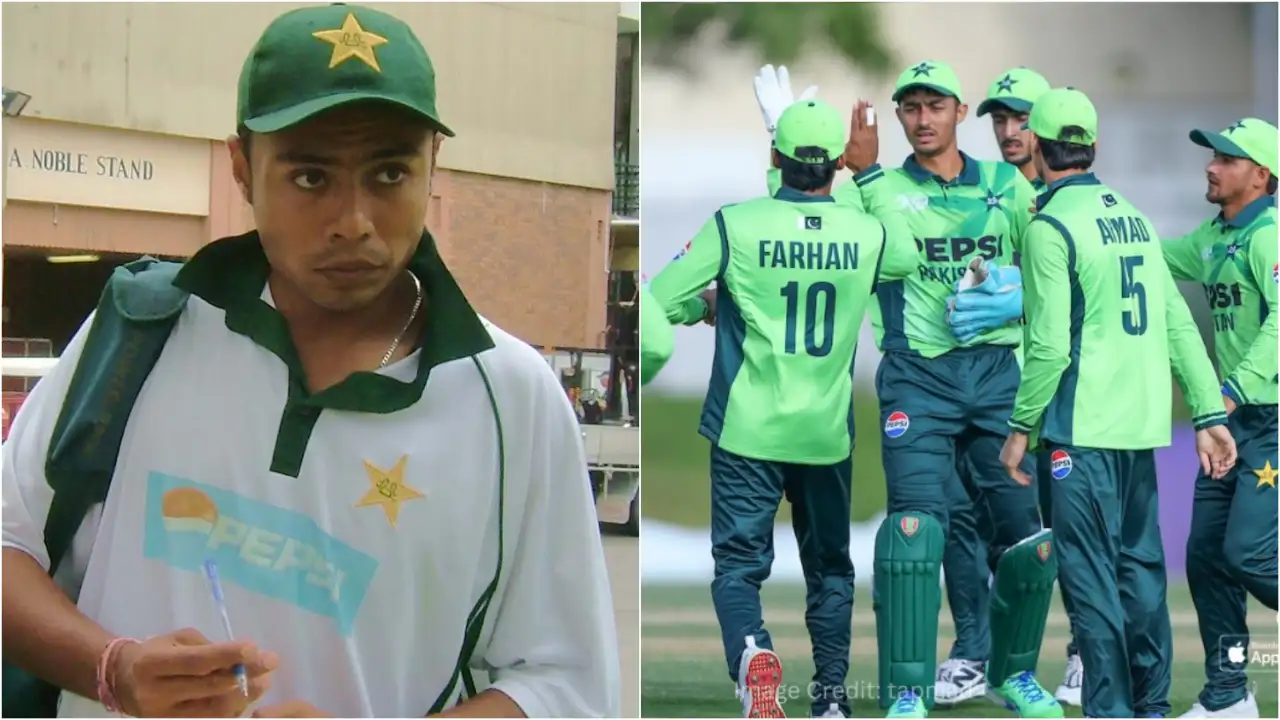
Danish Kaneria Questions Pakistan U-19 Players’ Ages After Asia Cup Final
Former Pakistan leg-spinner Danish Kaneria has sparked debate in the cricket community after questioning whether some members of Pakistan’s Under-19 team were genuinely within the tournament’s age limit. His comments followed the side’s defeat to India in the U-19 Men’s Asia Cup final, a high-scoring contest that ended with a dramatic Indian chase.
Kaneria did not present evidence of age-rule violations, and his remarks should be understood as personal doubts rather than a confirmed allegation. Still, the comments have revived a recurring issue in junior cricket: how teams verify players’ ages and ensure that competitions remain fair for young athletes.
India Complete a Dramatic Chase in the U-19 Asia Cup Final
Pakistan had enjoyed a strong run through the tournament and produced an imposing batting performance in the final, setting India a target of 338. The total put considerable pressure on the Indian lineup, especially against a Pakistan side led by Farhan Yousaf that showed its ability to take wickets and build momentum during the match.
India began the chase with openers Lakshya Raichandani and Aaryavir Sehwag. Pakistan’s bowlers found a way back into the contest in the middle overs, removing key batters and briefly placing their team in a commanding position. With the required run rate rising and wickets falling, the final appeared to be moving Pakistan’s way.
But India’s lower order changed the direction of the match. Manal Chauhan made 47 from 32 deliveries, helping keep the chase alive, while Mohit Ulva finished unbeaten on 49 from just 26 balls. The late acceleration proved decisive, turning a difficult pursuit into a memorable victory and giving the Indian team the title.
The result highlighted a familiar truth in limited-overs cricket: a large total is not always enough if the bowling side cannot maintain control at the end. Pakistan had given itself a substantial target to defend, but India’s composure and attacking intent under pressure ultimately made the difference.
What Kaneria Said About Pakistan’s U-19 Squad
Speaking to IANS, Kaneria said the ages of Pakistan’s players had caught his attention while he watched highlights of the final. He recalled discussing the team with his mother, who also watches cricket, and said she wondered whether the Pakistani players looked older than typical Under-19 competitors.
Kaneria’s observation was based on appearance, not on publicly presented documentation or an official finding. Age eligibility in youth cricket is determined through formal processes, and appearance alone cannot establish whether a player meets the rules. Any genuine concern would need to be assessed by the relevant cricket authorities using the established verification procedures.
The former spinner also voiced broader frustration with Pakistan cricket, particularly its bowling. He praised India’s performance and argued that Pakistan had not done enough with the ball to protect its total. His criticism reflects wider scrutiny of Pakistan’s development pathways, where supporters often assess junior teams not only by results but also by the technical quality and consistency of their performances.
Age Verification and Fairness in Youth Cricket
Age eligibility is important in Under-19 cricket because players’ physical development can vary significantly during adolescence. A fair competition depends on all teams following the same rules, while reliable checks help protect opportunities for athletes competing within the correct age group.
At the same time, public speculation can quickly become damaging when it is not supported by evidence. A player may look physically mature for many reasons, and visual impressions are not a dependable way to determine age. For that reason, allegations should be treated cautiously unless they are backed by official findings.
Kaneria’s comments may increase calls for transparency, but the distinction between a question and a verified case is essential. If concerns arise, the appropriate response is a formal review—not assumptions based on a team’s appearance or a single match. Clear communication from governing bodies can also help prevent rumours from overshadowing the players’ performances.
Kaneria Defends India’s Celebrations
Kaneria also addressed the reaction to India’s celebrations after the final. Some observers may have viewed the players’ enthusiasm as overly aggressive, but the former cricketer argued that the celebrations were acceptable so long as they remained within the boundaries of sportsmanship.
He noted that Pakistan would likely have celebrated just as energetically had it won. In his view, India’s players did not cross the line by simply showing emotion after a major victory. Competitive cricket naturally brings intense moments, and celebrations are part of the game—provided they do not involve abuse, intimidation or disrespect toward opponents.
The discussion reflects a broader question in modern cricket: where should the line be drawn between passion and poor conduct? Young players are encouraged to compete with confidence, but they are also expected to respect their opponents and the spirit of the sport. In this final, Kaneria’s defence focused on that distinction, suggesting that visible emotion alone should not be treated as misconduct.
Prediction: What the Final Could Mean for Both Teams
For India, the comeback offers a confidence boost and a useful lesson in managing pressure. The contributions from Chauhan and Ulva showed the value of depth in a batting lineup, particularly when a chase appears to be slipping away. That resilience could be important in future youth tournaments, where momentum can change quickly.
Pakistan, meanwhile, can take encouragement from its strong batting display while reviewing how it handled the final stages with the ball. Defending 338 is a demanding task, but the match may prompt coaches to examine death-overs execution, field settings and how to respond when lower-order batters attack. The defeat does not erase the team’s progress through the competition; it gives the squad specific areas to address.
Kaneria’s age-related remarks are likely to remain part of the conversation, but the final itself offered a compelling cricket story: a big target, a mid-innings shift in momentum and a fearless finish from India’s lower order. Any prediction about the teams’ next steps will depend on how they build on those lessons—and whether official bodies address concerns through transparent, evidence-based processes.
Latest News
Aakash Chopra explains why Yashasvi Jaiswal and KL Rahul’s partnership is crucial for India
Danish Kaneria raises age fraud concerns over Pakistan U-19 players after Asia Cup final
IPL 2027: Ricky Ponting backs Hardik Pandya, explains his role at Punjab Kings
Ajinkya Rahane backs Shubman Gill to continue his fine form against New Zealand
‘Give Vaibhav Sooryavanshi 20 innings’: Krishnamachari Srikkanth urges India to back 15-year-old wonder boy
India bowl Nepal out for 26 as Prince Yadav, Harshit Rana run riot

Abhishek Sharma FAILS! SRH opener out cheaply in opening game of ACC Men’s Asia Cup Rising Stars 2026

‘I want to win the IPL’: Suryakumar Yadav reveals his biggest target for 2027
Kuldeep Yadav to play against Jharkhand as Uttar Pradesh eye SMAT knockout spot
Kieron Pollard appointed MI Emirates captain ahead of ILT20 2026 season
IPL 2027: Kumar Sangakkara opens up on Rajasthan Royals’ decision to release Shimron Hetmyer
“Ask the selectors”: Kapil Dev weighs in on Mohammed Siraj’s omission against New Zealand
India boycott trophy ceremony after Pakistan declared winners of Blind Cricket Asia Cup 2026
“Biggest traitor”: De Villiers tears into Usman Khawaja over Sandpapergate revelations