India boycott trophy ceremony after Pakistan declared winners of Blind Cricket Asia Cup 2026
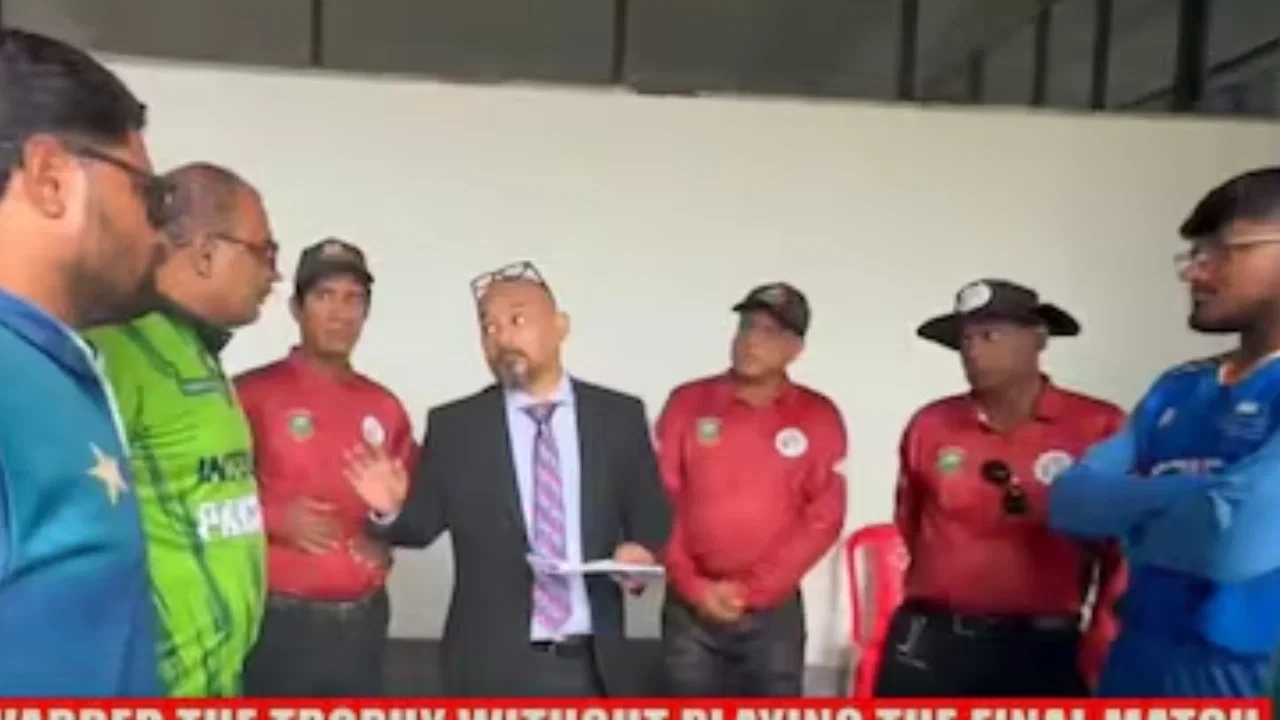
Men’s Blind Cricket Asia Cup 2026 Final Abandoned as Trophy Decision Sparks Dispute
A rain-affected final at the Men’s Blind Cricket Asia Cup 2026 has turned into a major controversy after Pakistan was declared the tournament champion despite the match against India never getting underway. The final, scheduled for Friday in Dhaka, was abandoned before the toss, but the match referee awarded the title to Pakistan, citing the team’s superior run rate during the competition.
India’s blind cricket team rejected the decision and boycotted the trophy presentation ceremony. The Cricket Association for the Blind in India (CABI) said the final should have ended with India and Pakistan recognised as joint winners, arguing that the tournament’s technical regulations supported that outcome.
Rain prevents the Asia Cup final from starting
Persistent rain in Dhaka made play impossible, leaving officials unable to conduct even the toss. With neither side facing a delivery in the final, the result depended on how tournament regulations addressed an abandoned championship match.
Rain interruptions and washed-out fixtures are familiar challenges in cricket. In some competitions, a reserve day is available; in others, a minimum number of overs must be completed for a result. When a final cannot be played at all, tournament rules may provide for a shared title or another method of deciding the winner. The correct outcome therefore depends on the specific regulations agreed upon before the competition.
In this case, the match referee reportedly used the teams’ run-rate records from earlier matches to award Pakistan the trophy. That decision immediately raised questions for the Indian delegation, which said performance statistics should not determine the winner of a final that had been completely washed out.
India boycotts the trophy ceremony
The Indian team and its officials did not attend the trophy presentation, using the boycott to signal their opposition to the ruling. CABI later shared a video on its official X account explaining its position and setting out why it believed the decision did not follow the tournament’s technical regulations.
In its statement, CABI said it “strongly condemned” Pakistan being named the sole champion after the final was abandoned. The association maintained that both finalists had earned recognition as winners and called on the organisers to acknowledge India and Pakistan as joint champions.
The protest was not simply about the trophy itself. At the centre of the dispute is a question of process: whether officials applied the published rules consistently, and whether a team should be declared champion based on earlier statistics when the title match never began.
CABI cites tournament regulations on a tied final
CABI pointed to Section 27 of the competition’s technical regulations, which it said deals specifically with the circumstances of a tied final. According to the association’s interpretation, the provision supports naming both finalists as joint winners rather than using run rate to select one champion.
CABI also said it raised this reading with the World Blind Cricket Council (WBCC) Technical Committee. The Indian association claimed that the committee initially agreed that the teams should share the title. It further alleged that WBCC President Sultan Shah, who also heads the Pakistan Blind Cricket Council, later overturned that position, after which the match referee announced Pakistan as the sole winner.
Those claims have become a central part of the controversy. The disagreement involves not only how the rules should be interpreted, but also how the final decision was reached and communicated. The available account reflects CABI’s allegations; the dispute would benefit from a clear response from the relevant tournament authorities and publication of the full regulations and decision-making record.
Why the run-rate decision is being challenged
Run rate is commonly used in cricket to separate teams in league standings when they finish level on points. It measures scoring relative to overs faced and can provide a practical way to rank teams across completed matches. However, using it to decide an abandoned final is a different matter, particularly if the competition rules contain a specific provision for a final that cannot be played.
That distinction is important for the tournament’s credibility. If a rule explicitly states how an unplayed or tied final should be resolved, organisers are generally expected to apply that provision rather than introduce another measure after the event. If the regulations are unclear, the controversy highlights why competitions need precise language covering rain, reserve days, abandoned finals and joint winners.
For players, officials and supporters, a final carries significance beyond the result. It is the culmination of a tournament and an opportunity for both teams to compete for the title. When weather removes that opportunity, a transparent, pre-agreed process can help ensure that neither side is left questioning the fairness of the outcome.
What happens next for the blind cricket tournament?
The immediate outcome is that Pakistan has been announced as the champion, while India has formally rejected the ruling. Whether the decision changes will depend on the tournament’s governing bodies, the exact wording of Section 27 and any review or appeal process available under the competition’s rules.
A detailed clarification from the WBCC could help address the competing interpretations. Publishing the relevant regulation, explaining the role of the Technical Committee and outlining why run rate was considered applicable would give teams and fans a clearer understanding of the decision. It could also help prevent similar disputes in future editions.
The episode has drawn attention to the importance of strong governance in blind cricket, where the sport’s growth depends on fair competition, accessible administration and confidence in officials. The players’ performances throughout the tournament should remain central to the story, but so too should the standards used to determine a champion.
For now, the Men’s Blind Cricket Asia Cup 2026 final is remembered less for play on the field than for the controversy surrounding its outcome. With no toss, no overs and no on-field contest, the prediction of a closely fought India-Pakistan final gave way to a dispute over regulations, authority and whether the trophy should have been shared.
Latest News

Aakash Chopra explains why Yashasvi Jaiswal and KL Rahul’s partnership is crucial for India
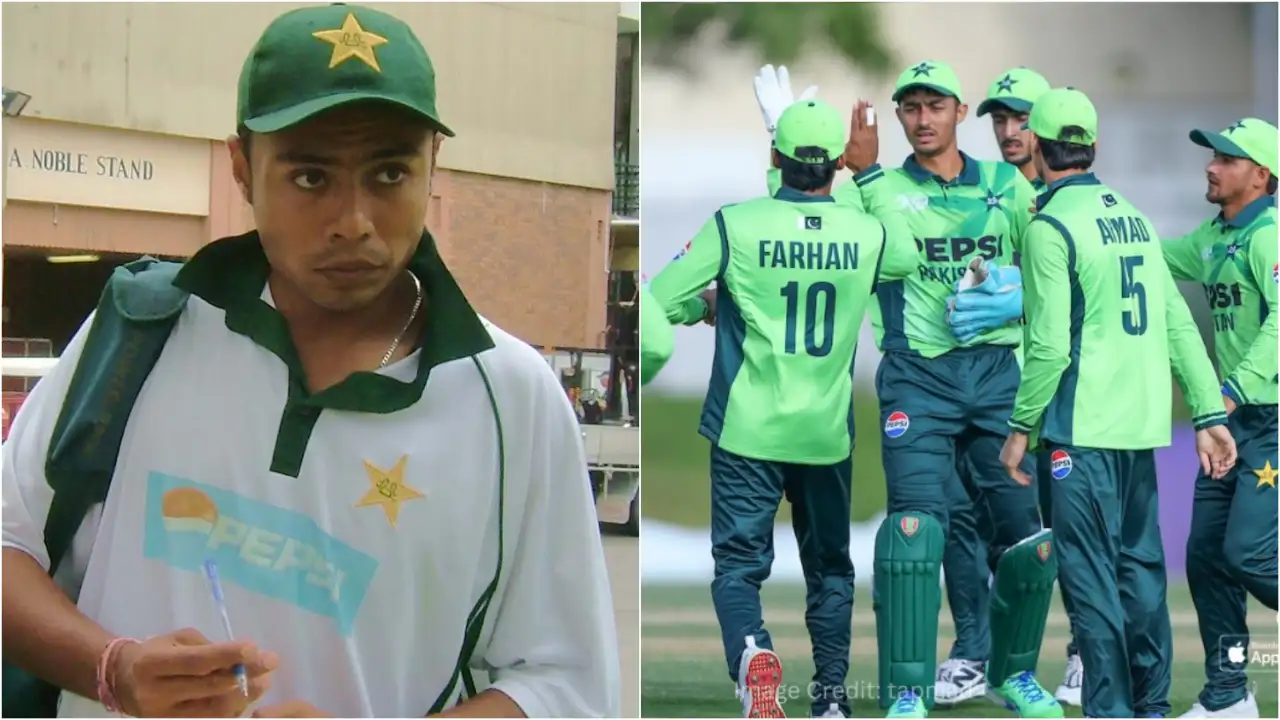
Danish Kaneria raises age fraud concerns over Pakistan U-19 players after Asia Cup final

IPL 2027: Ricky Ponting backs Hardik Pandya, explains his role at Punjab Kings
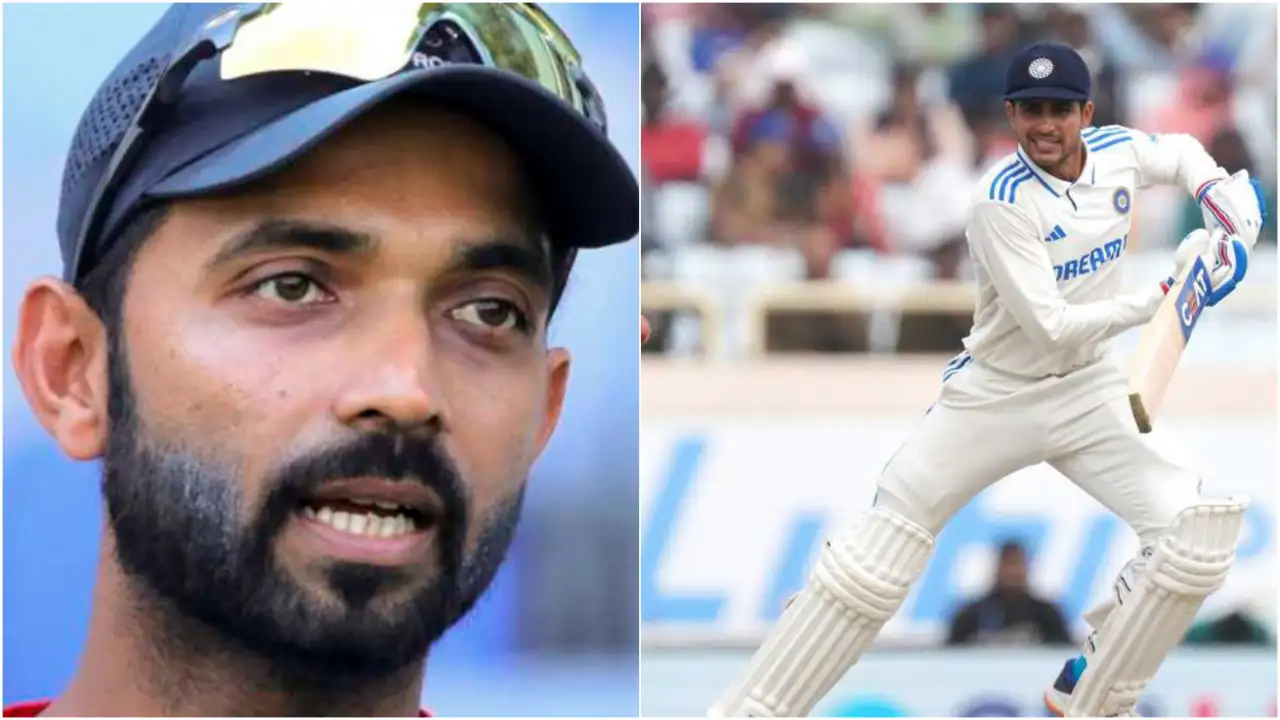
Ajinkya Rahane backs Shubman Gill to continue his fine form against New Zealand
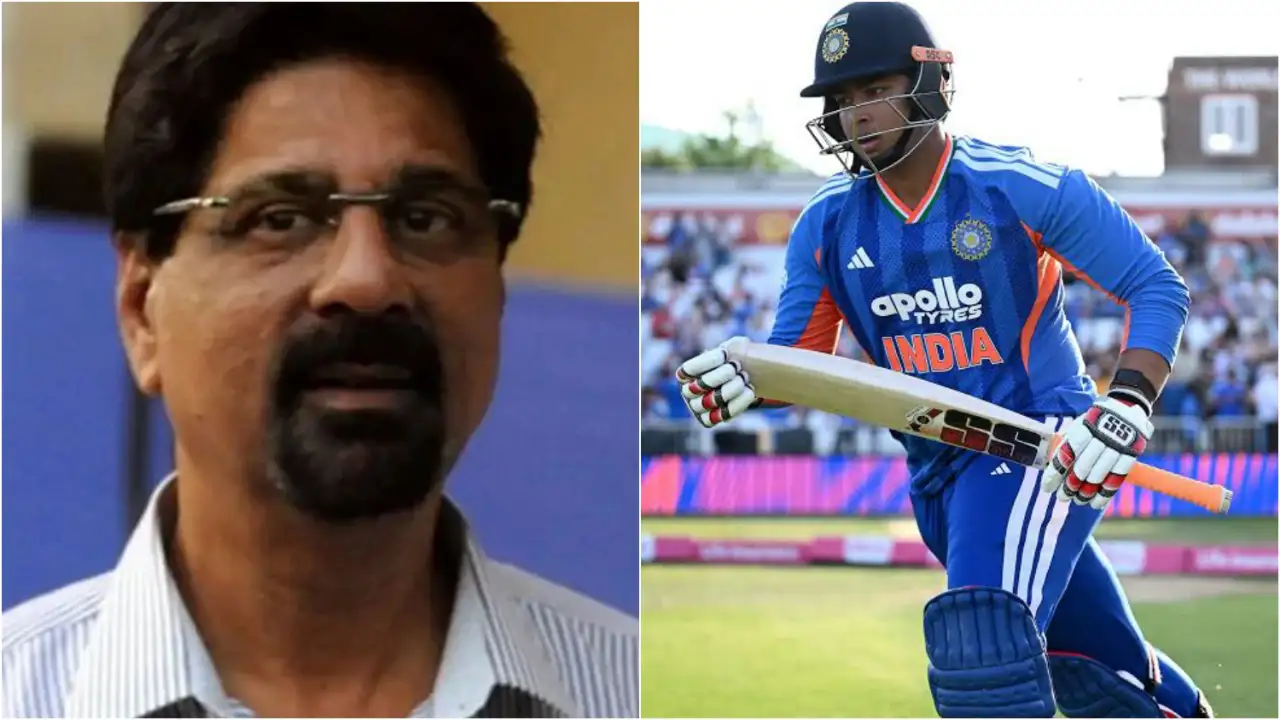
‘Give Vaibhav Sooryavanshi 20 innings’: Krishnamachari Srikkanth urges India to back 15-year-old wonder boy
India bowl Nepal out for 26 as Prince Yadav, Harshit Rana run riot

Abhishek Sharma FAILS! SRH opener out cheaply in opening game of ACC Men’s Asia Cup Rising Stars 2026

‘I want to win the IPL’: Suryakumar Yadav reveals his biggest target for 2027

Kuldeep Yadav to play against Jharkhand as Uttar Pradesh eye SMAT knockout spot
Kieron Pollard appointed MI Emirates captain ahead of ILT20 2026 season

IPL 2027: Kumar Sangakkara opens up on Rajasthan Royals’ decision to release Shimron Hetmyer
“Ask the selectors”: Kapil Dev weighs in on Mohammed Siraj’s omission against New Zealand
India boycott trophy ceremony after Pakistan declared winners of Blind Cricket Asia Cup 2026
“Biggest traitor”: De Villiers tears into Usman Khawaja over Sandpapergate revelations