‘Give Vaibhav Sooryavanshi 20 innings’: Krishnamachari Srikkanth urges India to back 15-year-old wonder boy
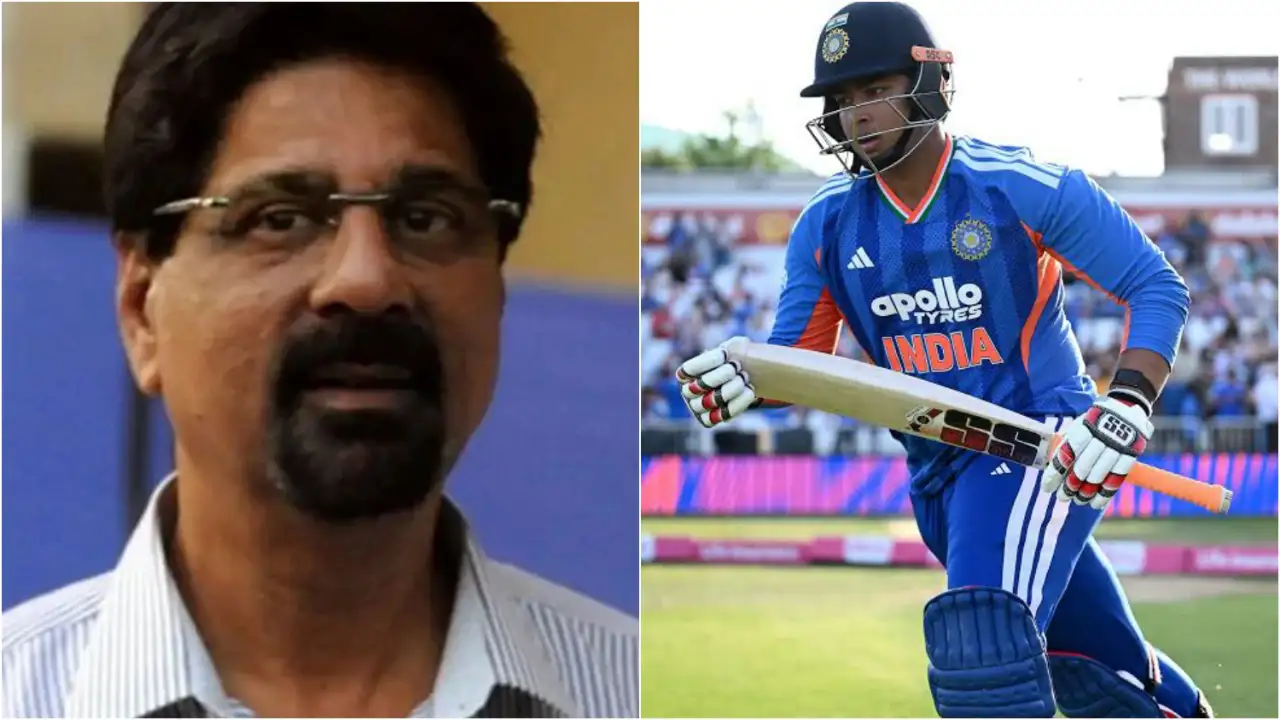
Krishnamachari Srikkanth Urges India to Back Vaibhav Sooryavanshi’s Talent
Former India captain Krishnamachari Srikkanth has criticised the national team’s selectors and management over what he sees as a failure to properly encourage young batting prospect Vaibhav Sooryavanshi. The 15-year-old has attracted attention for his fearless approach, but Srikkanth believes India must offer him a clear pathway and enough opportunities to turn promise into sustained success.
Speaking at an event, Srikkanth argued that investing in Sooryavanshi could benefit Indian cricket well beyond the T20 format. While the teenager’s attacking style may appear especially suited to short-form cricket, the former opener believes he has the potential to develop into a valuable player in one-day internationals and, eventually, Test cricket too.
Srikkanth Draws a Comparison with Virender Sehwag
To explain the appeal of Sooryavanshi’s batting, Srikkanth pointed to Virender Sehwag, one of India’s most influential attacking openers. Sehwag was renowned for taking on bowlers from the outset, yet he also had the technique and concentration to build substantial innings. For Srikkanth, Sooryavanshi’s bold intent recalls the excitement Sehwag brought to the game.
Srikkanth described Sehwag as an exceptional cricketer capable of producing remarkable shots and long, match-changing innings. He then suggested that Sooryavanshi could become an important player for India if the team handles his development carefully.
“From a futuristic point of view, this boy Sooryavanshi is too good,” Srikkanth said, warning that the management could be making a mistake if it does not support him. He believes the young batter should be told that India sees him as part of its plans for the coming years, rather than being left uncertain about his place and prospects.
Why Consistent Opportunities Matter
Young players need more than selection for a handful of matches to establish themselves at international level. They must be given time to adjust to stronger bowling attacks, unfamiliar conditions and the pressure of representing India. Srikkanth’s central argument is that Sooryavanshi should receive a meaningful run of opportunities, rather than being judged after a small sample of performances.
He proposed giving the teenager around 20 innings and resisting the urge to drop him after a few failures. In Srikkanth’s prediction, regular exposure could help Sooryavanshi learn quickly—potentially within five to seven matches—and give him the chance to win games through his attacking batting.
That approach would not mean guaranteeing selection regardless of performance. Instead, it would provide a defined period in which the player could develop, understand the demands of each format and demonstrate how his natural aggression can be balanced with sound decision-making. For a young cricketer, clarity from selectors and coaches can be as important as the opportunity itself.
Could Sooryavanshi Play Test Cricket?
Sooryavanshi is currently associated primarily with the shortest format, where an aggressive style can make an immediate impact. Srikkanth, however, does not believe that should limit expectations about the teenager’s future. He argued that Sooryavanshi could also adapt to ODI cricket and, with development, might have a role in the longest format.
The former captain made a particularly bold prediction about the potential effect of Sooryavanshi succeeding in Test cricket. He suggested that an exciting young batter who attracts crowds could help renew interest in the format, not only in India but internationally. Srikkanth referred to the strong public interest surrounding the teenager during matches in New Zealand, saying spectators had turned out to watch him bat.
That wider point reflects an ongoing challenge for Test cricket: keeping the format compelling for audiences accustomed to faster results and constant action. A young player with a fearless reputation can generate attention, but lasting interest depends on competitive matches, strong performances and compelling stories across the sport. Sooryavanshi’s potential may contribute to that conversation, though his long-term impact will depend on how his career develops.
India’s Challenge: Nurture Talent Without Rushing It
Srikkanth’s comments raise a broader question about how India should manage exceptional young talent. Backing a teenager does not simply mean placing him in every format immediately. It also requires a careful plan covering workload, technical development, mental preparation and the transition from domestic or youth cricket to the demands of senior international competition.
The selectors and coaching staff must weigh the benefits of early exposure against the risk of placing too much pressure on a player who is still developing. A structured pathway could allow Sooryavanshi to gain experience while ensuring that expectations remain realistic. Opportunities in one format may also provide a foundation for future progression, rather than forcing a rapid move across all three formats.
At the same time, Srikkanth’s warning is that excessive caution can be damaging too. If a gifted player is repeatedly overlooked or receives only sporadic chances, confidence and momentum may suffer. The challenge is to create a supportive environment in which performance is assessed fairly and development is treated as a process.
A Long-Term Decision for Indian Cricket
Sooryavanshi’s rise has prompted excitement because he represents the kind of fearless batting that can change a match quickly. But comparisons with established greats such as Sehwag should be understood as a reflection of style and potential—not a guarantee that their careers will follow the same path. The teenager will need time, coaching and consistent opportunities to establish his own identity.
Srikkanth’s message to India’s selectors is clear: do not allow a promising young player’s talent to go unsupported. If Sooryavanshi is given a well-planned chance to learn and perform, he could become a significant option in T20 cricket and perhaps expand his game into ODIs and Tests. Whether that prediction proves accurate will depend on both the player’s progress and the decisions made by the team management.
Latest News
Aakash Chopra explains why Yashasvi Jaiswal and KL Rahul’s partnership is crucial for India
Danish Kaneria raises age fraud concerns over Pakistan U-19 players after Asia Cup final
IPL 2027: Ricky Ponting backs Hardik Pandya, explains his role at Punjab Kings
Ajinkya Rahane backs Shubman Gill to continue his fine form against New Zealand
‘Give Vaibhav Sooryavanshi 20 innings’: Krishnamachari Srikkanth urges India to back 15-year-old wonder boy
India bowl Nepal out for 26 as Prince Yadav, Harshit Rana run riot
Abhishek Sharma FAILS! SRH opener out cheaply in opening game of ACC Men’s Asia Cup Rising Stars 2026
‘I want to win the IPL’: Suryakumar Yadav reveals his biggest target for 2027
Kuldeep Yadav to play against Jharkhand as Uttar Pradesh eye SMAT knockout spot
Kieron Pollard appointed MI Emirates captain ahead of ILT20 2026 season
IPL 2027: Kumar Sangakkara opens up on Rajasthan Royals’ decision to release Shimron Hetmyer
“Ask the selectors”: Kapil Dev weighs in on Mohammed Siraj’s omission against New Zealand
India boycott trophy ceremony after Pakistan declared winners of Blind Cricket Asia Cup 2026
“Biggest traitor”: De Villiers tears into Usman Khawaja over Sandpapergate revelations