Abhishek Sharma FAILS! SRH opener out cheaply in opening game of ACC Men’s Asia Cup Rising Stars 2026
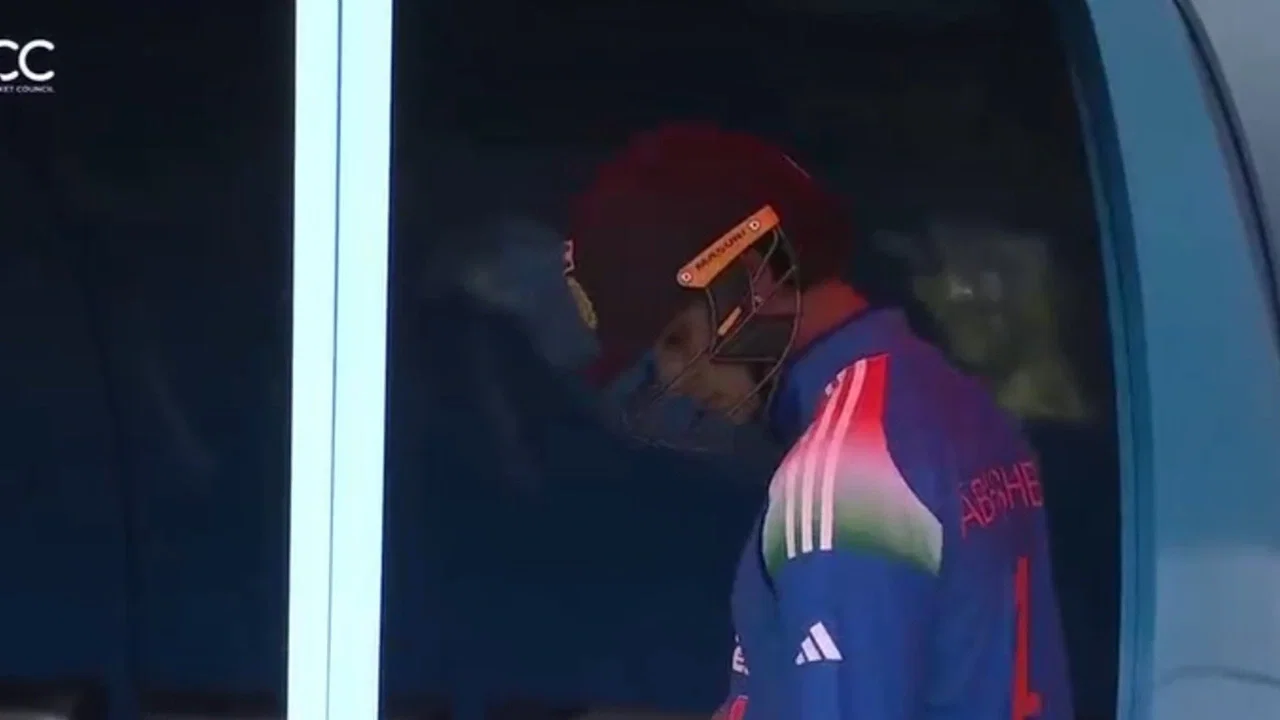
Abhishek Sharma Falls for 9 as Nepal Strike Early Against India A
India A’s clash with Nepal in the Asia Cup Rising Stars tournament began with a setback for one of the team’s most explosive batters. Abhishek Sharma, expected to bring his trademark aggression to the top of the order, was dismissed for just nine runs as Nepal’s bowlers made an early impact in Doha.
The fourth match of the competition offered India A an opportunity to test a blend of established T20 performers and emerging talent in the 50-over format. But Nepal’s disciplined start quickly put pressure on the Indian lineup, underlining why a strong batting reputation alone is not enough to guarantee success in a different format.
Nandan Yadav removes Abhishek Sharma
India A opened with Abhishek and teenage batter Vaibhav Sooryavanshi after Nepal captain won the toss and elected to bowl. Abhishek faced 13 deliveries, scoring nine runs at a strike rate of 69.23. His innings included one six, but he could not build the substantial start India A would have wanted.
Nepal seamer Nandan Yadav claimed the key wicket, becoming the first bowler to break through. The delivery was directed slightly away from Abhishek, inviting the left-hander to play an attacking shot. Abhishek connected and sent the ball high into the air, but it did not travel far enough to clear the boundary. A Nepal fielder stayed under the catch and held on, ending the opener’s brief stay at the crease.
The dismissal was a reminder of the fine margins in limited-overs cricket. Abhishek’s instinct to attack is one of his greatest strengths, particularly in T20 cricket, but a 50-over innings can demand a different balance between aggression and patience. Nepal’s bowlers appeared to understand that, offering enough width to tempt the batter while maintaining control of the situation.
Nepal’s bowlers put India A under pressure
Abhishek’s early departure was part of a difficult passage for India A. By the 13th over, the team had lost three top-order batters, with Ayush Badoni and Vaibhav also returning to the dressing room. Badoni and Abhishek were dismissed for single-digit scores, while Vaibhav made 26 from 32 balls.
For Nepal, the early wickets reflected a well-executed bowling plan. The side used the conditions effectively, kept pressure on the batters and made India A work for scoring opportunities. Taking wickets in quick succession also prevented the visitors from settling into a steady partnership, an important advantage in a 50-over match.
Nepal’s decision to field first after winning the toss suggested confidence in its bowling attack and its reading of the surface. While conditions in the Middle East can often offer good value for shots, pitches may also reward bowlers who vary their pace, target the right areas and make batters generate their own power. Nepal’s opening spell showed how those details can disrupt even an aggressive top order.
A valuable 50-over test for India’s T20 specialists
The Asia Cup Rising Stars tournament provides an important platform for players who have made their mark in T20 cricket to demonstrate their skills in a longer limited-overs format. Abhishek is currently established as a T20 international batter for India, and this competition gives him a chance to broaden his experience and make a case for opportunities beyond the shortest format.
That transition is not simply a matter of batting for longer. In T20 cricket, players are often encouraged to attack from the outset, while a 50-over innings may require them to assess the pitch, manage risk and choose the right moments to accelerate. The ability to shift gears—without losing the attacking instinct that makes a batter dangerous—is a key part of adapting successfully.
Abhishek has shown that he can score quickly and put bowlers under pressure, but this match offered a different kind of challenge. Nepal’s plan forced him to decide whether to take on a ball outside his preferred scoring zone. The catch ended his innings, yet the experience may still provide useful information about how opponents are likely to approach him in longer-format cricket.
Vaibhav Sooryavanshi also gains experience
Vaibhav’s appearance added another point of interest for Indian supporters. The 15-year-old has attracted attention through his performances in T20 cricket, including his time with the Rajasthan Royals in the Indian Premier League. Like Abhishek, he is still developing his experience at the international level, and the Rising Stars tournament offers a chance to test his technique against a different pace and rhythm of competition.
His 26 from 32 balls provided India A with a more substantial contribution than the two quick dismissals around him, although Nepal’s early breakthroughs prevented him from building a longer innings. For a young batter, time in the middle against a disciplined attack can be as valuable as a high score, particularly when it reveals which shots are dependable and where greater control is needed.
What Abhishek’s early dismissal means for India A
One low score does not define a player’s prospects in a tournament, and Abhishek’s reputation as an attacking batter remains built on a broader body of performances. Still, his dismissal highlights the central challenge facing India A: adapting to a format in which innings have more time to develop, but early wickets can have a lasting effect on the team’s momentum.
For Nepal, the start offered encouragement and validated its decision to bowl first. Removing a high-profile opener early can change the tone of a match, particularly when the remaining batters are still adjusting to the conditions. The bowlers will now look to maintain their discipline and avoid allowing India A to recover through a substantial middle-order partnership.
As the Asia Cup Rising Stars contest continues, attention will turn to whether India A can rebuild after its top-order setbacks and whether Nepal can sustain the pressure. Abhishek’s brief innings may not have produced the explosive start fans anticipated, but the match remains a useful test of his 50-over adaptability—and a reminder that in cricket, the best prediction is often the one made after watching how the conditions and tactics unfold.
Latest News

Aakash Chopra explains why Yashasvi Jaiswal and KL Rahul’s partnership is crucial for India
Danish Kaneria raises age fraud concerns over Pakistan U-19 players after Asia Cup final

IPL 2027: Ricky Ponting backs Hardik Pandya, explains his role at Punjab Kings

Ajinkya Rahane backs Shubman Gill to continue his fine form against New Zealand

‘Give Vaibhav Sooryavanshi 20 innings’: Krishnamachari Srikkanth urges India to back 15-year-old wonder boy
India bowl Nepal out for 26 as Prince Yadav, Harshit Rana run riot
Abhishek Sharma FAILS! SRH opener out cheaply in opening game of ACC Men’s Asia Cup Rising Stars 2026

‘I want to win the IPL’: Suryakumar Yadav reveals his biggest target for 2027

Kuldeep Yadav to play against Jharkhand as Uttar Pradesh eye SMAT knockout spot

Kieron Pollard appointed MI Emirates captain ahead of ILT20 2026 season

IPL 2027: Kumar Sangakkara opens up on Rajasthan Royals’ decision to release Shimron Hetmyer

“Ask the selectors”: Kapil Dev weighs in on Mohammed Siraj’s omission against New Zealand

India boycott trophy ceremony after Pakistan declared winners of Blind Cricket Asia Cup 2026

“Biggest traitor”: De Villiers tears into Usman Khawaja over Sandpapergate revelations