“Ask the selectors”: Kapil Dev weighs in on Mohammed Siraj’s omission against New Zealand
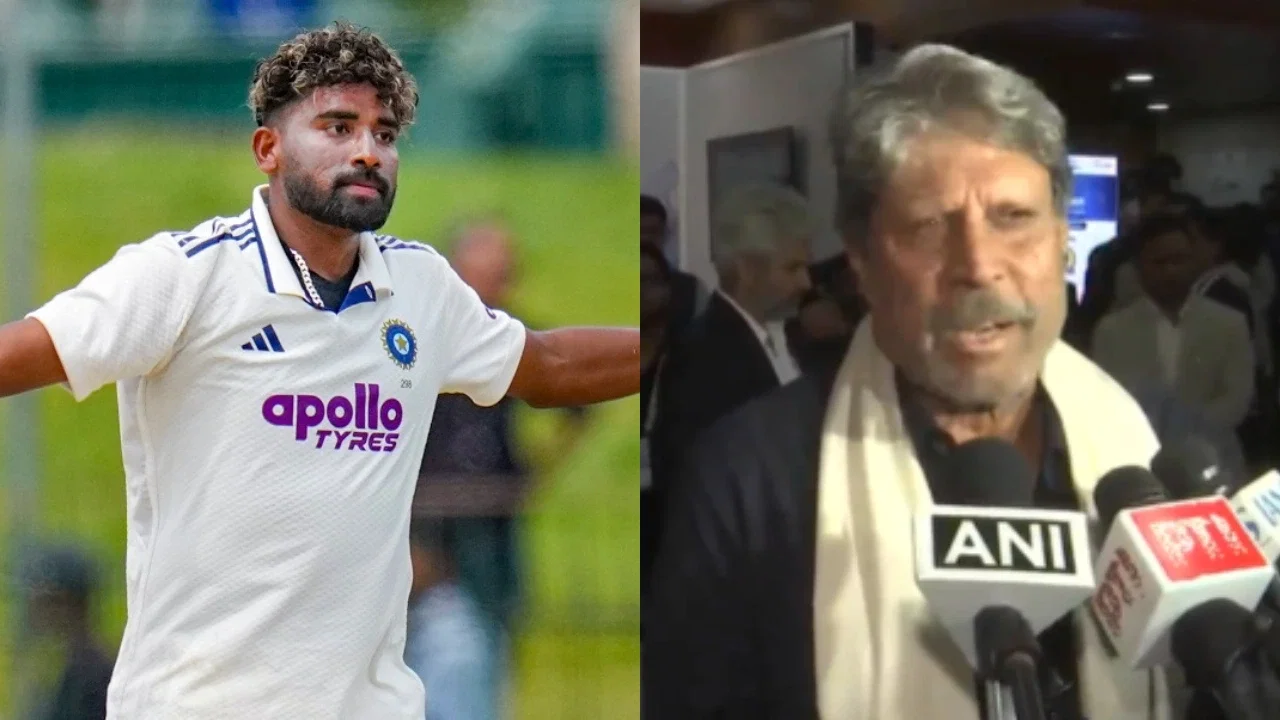
Mohammed Siraj’s Omission From India’s Test XI Sparks Selection Debate
India’s decision to leave Mohammed Siraj out of the playing XI for the first Test against New Zealand in Wellington has prompted debate well beyond cricket. The fast bowler’s absence became a political talking point after Congress MP Imran Masood alleged that Siraj had been overlooked because of his name. The claim drew a sharp response from the BJP and renewed discussion about how India’s Test team is selected.
Former India captain Kapil Dev, meanwhile, urged critics to let the selectors and team management explain their decision. India captain Shubman Gill and batting coach Sitanshu Kotak have also defended the choice, describing it as a difficult call based on the team combination rather than a judgment on Siraj’s ability or fitness.
Congress MP Imran Masood Questions Siraj’s Exclusion
Speaking to ANI, Masood questioned why Siraj was not included despite his previous performances for India. He suggested that the pacer’s name may have influenced the decision, framing the omission as possible discrimination. His allegation quickly turned a cricket selection discussion into a political controversy.
The BJP strongly rejected Masood’s remarks. Party spokesperson Pradeep Bhandari accused the Congress of bringing vote-bank politics into sport and described the comments as inappropriate. The response reflected a broader concern raised by several observers: without evidence, attributing a team selection to discrimination risks escalating speculation and distracting from the cricketing factors involved.
Selection debates are common in international cricket, particularly when a proven player misses out. But an omission from one match does not, by itself, establish why a player was left out. In this case, India’s leadership has said the decision came down to choosing a balanced XI for the conditions and the team’s plans.
Kapil Dev Calls for Trust in the Selection Process
Kapil Dev advised the public to direct questions to the people responsible for choosing the side rather than drawing conclusions from outside the dressing room. He noted that the selectors, captain and team management are accountable for the final combination, and said their reasoning should be heard before the system is criticised.
“Ask the selectors. I am nobody,” Kapil said, according to ANI. He added that those entrusted with the responsibility should answer questions about the decision, while observing that it is impossible to satisfy everyone with a team selection.
The 1983 World Cup-winning captain also separated his personal appreciation of Siraj from the practical demands of picking a Test XI. He said he likes the fast bowler but stressed that personal preferences should not determine selection. The team’s planning and organisational judgment, he argued, must take priority.
Kapil’s comments offer a useful perspective on the distinction between a player’s value and his place in a particular match. A cricketer can remain an important part of a squad while missing out when the captain and coaches opt for a different balance. In a Test, decisions may depend on pitch conditions, workload, the roles assigned to other bowlers and the need to cover different phases of the game.
Gill and Kotak Explain India’s Team Combination
Gill and batting coach Sitanshu Kotak had already addressed Siraj’s absence, describing the selection as a tough decision rather than a reaction to a problem with the bowler. Gill said India had spent close to a week discussing the available options before settling on its XI, underlining how closely contested the places were.
The captain acknowledged that it was unfortunate for Siraj and Gurnoor Brar to miss out. His remarks suggested that the competition among India’s fast bowlers had made the final choice especially difficult, with several players performing well enough to press their claims.
Kotak likewise backed the team’s decision and said Siraj had not been left out because of concerns about his form or fitness. That distinction matters: a player being omitted from the starting side is not necessarily the same as being dropped from the wider plans. Team management often rotates or reshapes its bowling attack according to the conditions and the demands of a particular match.
Why One Omission Does Not Define a Player’s Future
For Siraj, the immediate focus will be on remaining ready for the next opportunity. International teams routinely face difficult choices when several bowlers are competing for a limited number of places. The final XI must account not only for individual performances but also for how different players’ skills fit together.
That makes a single selection decision an imperfect measure of a player’s standing. Siraj’s previous contributions remain part of his record, even when he is not chosen for a particular Test. His prospects in the series will depend on future conditions, team requirements and the selectors’ assessment of the best combination available.
For supporters, the episode also highlights the difference between a prediction and a confirmed selection explanation. Before a match, analysts and fans may predict which players will feature based on form, conditions and past choices. Once the XI is announced, however, assumptions about motive should be treated cautiously unless the team or selectors provide evidence. In this case, India’s leadership has presented the omission as a cricketing decision, while Masood’s allegation remains a political claim.
Cricket Selection and the Need for Evidence-Based Debate
The controversy shows how quickly a sporting decision can become entangled with political arguments. Public scrutiny is a normal part of international cricket, and selectors can reasonably be asked to explain the principles behind their choices. At the same time, serious allegations should be supported by evidence rather than inferred from a player’s identity or from one omission.
Kapil Dev’s position is that responsibility rests with the selectors, captain and team management—and that their decisions should be judged in the context of the team’s plans. Gill and Kotak have offered a similar explanation, pointing to a competitive group of bowlers and a carefully considered combination.
As the Test progresses, attention is likely to return to performance on the field. Siraj’s absence may remain a talking point, but the available explanations from India’s leadership indicate that the decision was based on selection balance, not a stated concern about his ability or fitness. The debate ultimately serves as a reminder that team selection involves difficult trade-offs—and that a player missing one match does not necessarily signal a lasting setback.
Latest News
Aakash Chopra explains why Yashasvi Jaiswal and KL Rahul’s partnership is crucial for India
Danish Kaneria raises age fraud concerns over Pakistan U-19 players after Asia Cup final
IPL 2027: Ricky Ponting backs Hardik Pandya, explains his role at Punjab Kings
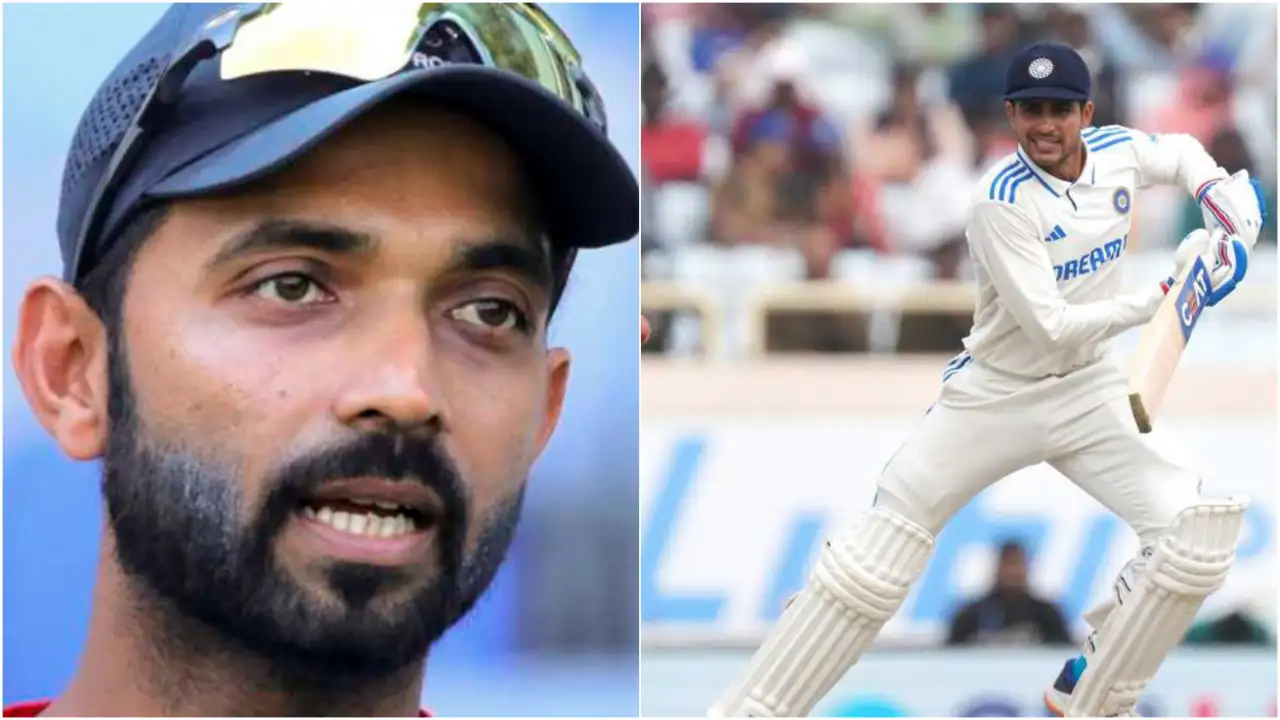
Ajinkya Rahane backs Shubman Gill to continue his fine form against New Zealand
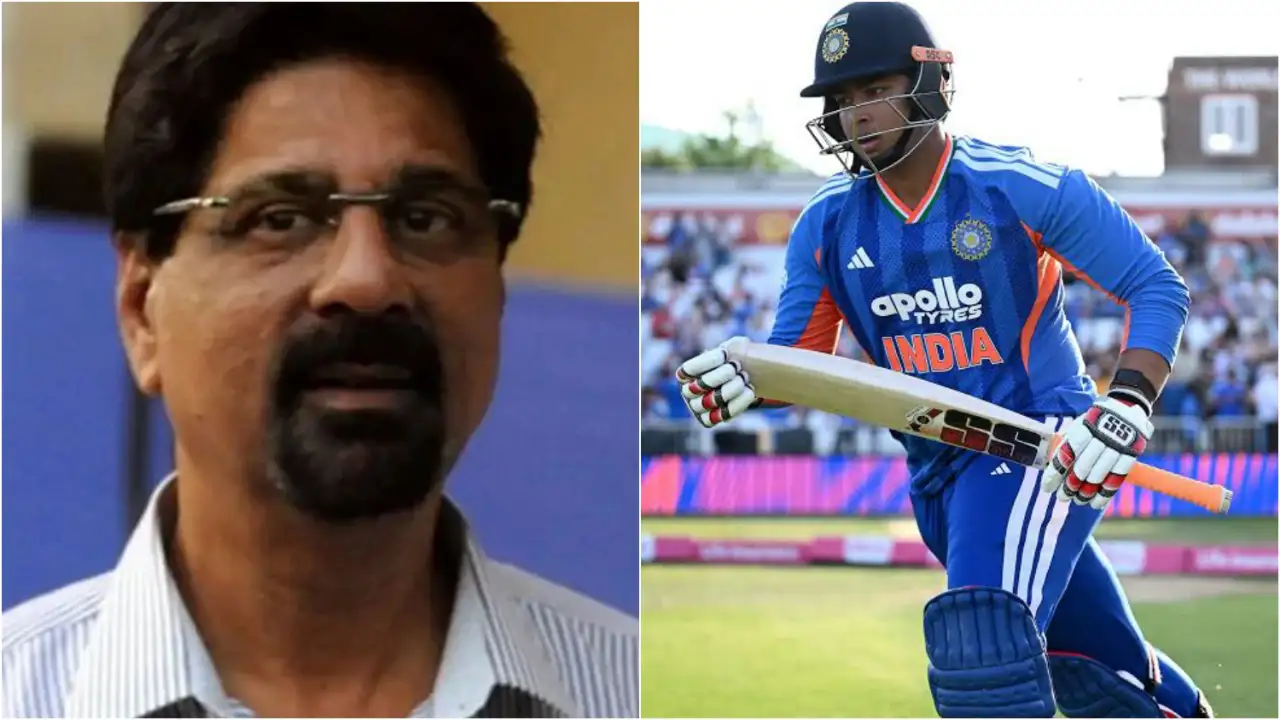
‘Give Vaibhav Sooryavanshi 20 innings’: Krishnamachari Srikkanth urges India to back 15-year-old wonder boy
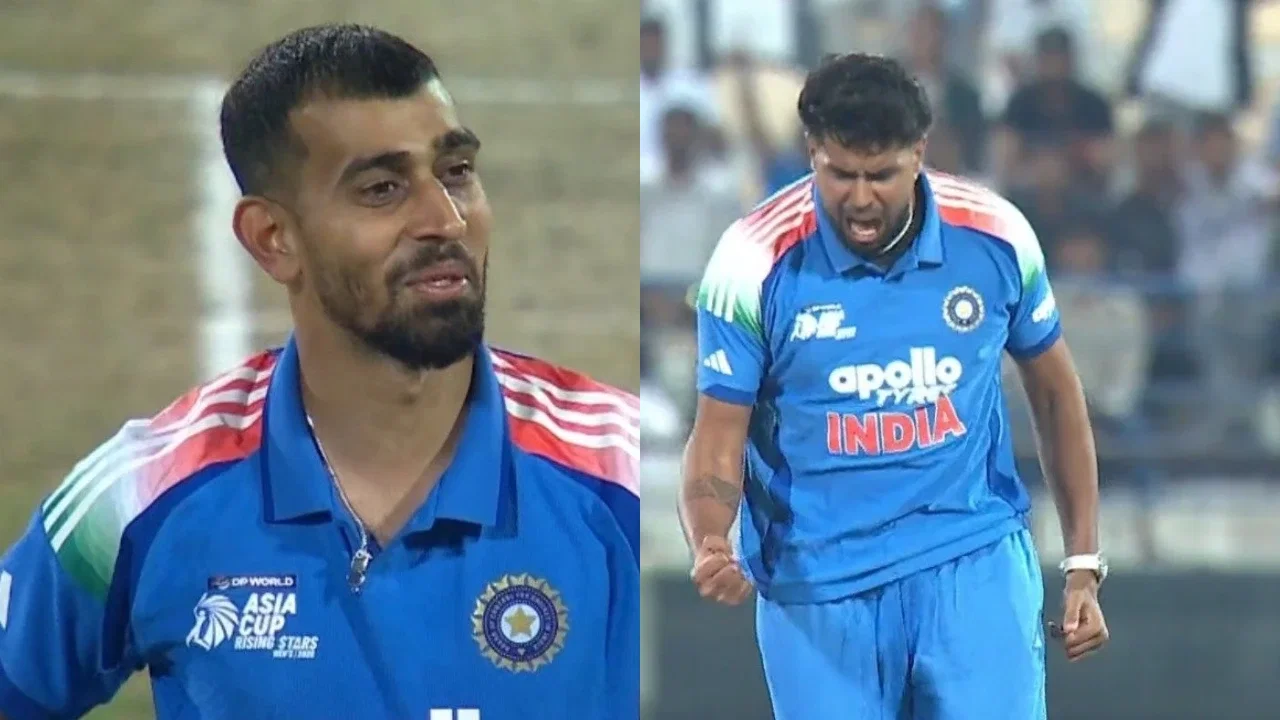
India bowl Nepal out for 26 as Prince Yadav, Harshit Rana run riot
Abhishek Sharma FAILS! SRH opener out cheaply in opening game of ACC Men’s Asia Cup Rising Stars 2026
‘I want to win the IPL’: Suryakumar Yadav reveals his biggest target for 2027
Kuldeep Yadav to play against Jharkhand as Uttar Pradesh eye SMAT knockout spot
Kieron Pollard appointed MI Emirates captain ahead of ILT20 2026 season
IPL 2027: Kumar Sangakkara opens up on Rajasthan Royals’ decision to release Shimron Hetmyer
“Ask the selectors”: Kapil Dev weighs in on Mohammed Siraj’s omission against New Zealand
India boycott trophy ceremony after Pakistan declared winners of Blind Cricket Asia Cup 2026
“Biggest traitor”: De Villiers tears into Usman Khawaja over Sandpapergate revelations