“Biggest traitor”: De Villiers tears into Usman Khawaja over Sandpapergate revelations
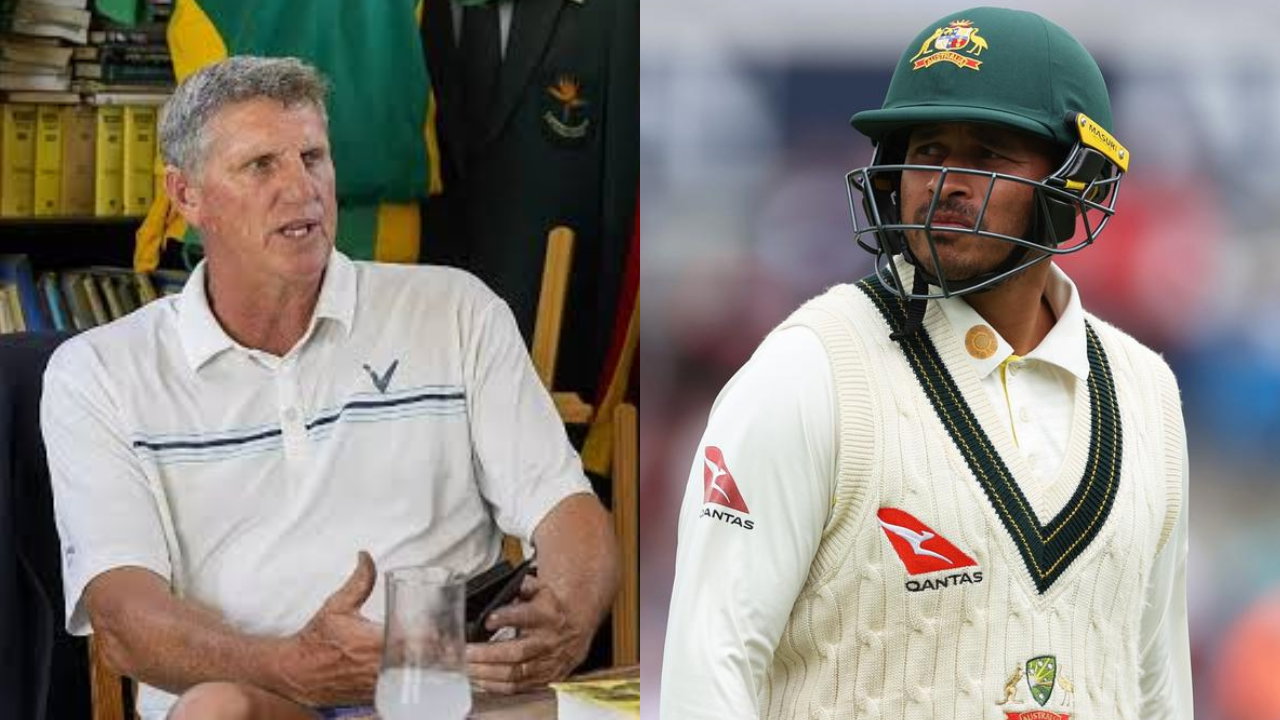
Fanie de Villiers Slams Usman Khawaja as 2018 Ball-Tampering Debate Resurfaces
Australia’s 2018 ball-tampering scandal has returned to the spotlight after revelations in Usman Khawaja’s memoir reignited questions about what happened during the team’s tour of South Africa. The renewed debate has drawn a sharp response from former South African fast bowler Fanie de Villiers, who accused Khawaja of betraying his former teammates by discussing the episode publicly.
The controversy, often known as “Sandpapergate,” led to major suspensions and lasting damage to Australian cricket’s reputation. Now, years after those sanctions were imposed, Khawaja’s account has prompted fresh disagreement over who knew about the plan, how responsibility was shared and whether the full story was ever disclosed.
De Villiers Calls Khawaja a “Traitor”
Speaking to Perth’s 91.3 SportFM, in comments reported by SEN, De Villiers delivered a forceful criticism of Khawaja. He described the former Australia opener as “probably the biggest traitor” he had seen during decades of following cricket and accused him of breaking the unwritten codes that bind teammates.
De Villiers argued that the players involved in the 2018 incident had already faced consequences and that reopening the matter could harm relationships within Australian cricket. In his view, Khawaja’s revelations have brought an old controversy back into public discussion and placed the national team under renewed scrutiny.
His comments reflect one side of a wider debate: whether players should remain silent about a painful episode once formal punishment has been handed down, or whether they have a responsibility to clarify what happened, particularly if earlier accounts were incomplete.
What Khawaja Revealed in His Memoir
Khawaja’s memoir, Sabr, has brought renewed attention to the events surrounding Australia’s 2018 tour of South Africa. Among the claims discussed in connection with the book is that knowledge of the ball-tampering plan extended beyond the small group of players who were formally sanctioned. Khawaja has also acknowledged advising Cameron Bancroft about using an illegal method to alter the ball.
Those claims have intensified questions about the distinction between direct involvement, prior knowledge and responsibility within a team environment. The scandal originally centred on Bancroft being caught using sandpaper to change the ball’s condition during a Test match. Then-captain Steve Smith and vice-captain David Warner were also punished, while Cricket Australia launched an investigation and imposed bans.
The episode became a defining moment for Australian cricket, prompting public apologies, leadership changes and a broader review of team culture. But the latest accounts suggest that some players and observers still believe important details were never fully explained.
Former Teammates Disagree Over What the Team Knew
Khawaja’s account has divided former and current figures in Australian cricket. David Warner, Chadd Sayers and Bancroft have publicly supported aspects of his claims, while Test captain Pat Cummins has again denied knowing about the plan before the incident.
That disagreement has shifted the focus from the original act of ball-tampering to the question of who knew what, and when. It has also made the issue more personal, as players’ reputations and recollections are now being weighed against one another years after the event.
For fans, the conflicting accounts make it difficult to separate established facts from disputed interpretations. The original sanctions are documented, but claims about the wider circle of knowledge remain contested. That distinction is important: public support for a claim does not, by itself, establish that every detail has been independently verified.
Bancroft’s Confession Adds to the Pressure on Cummins
Bancroft has added another layer to the debate with a lengthy, 4,497-word account of his experience. The batter, who was one of the players punished after the scandal, questioned Cummins’ assertion that he had no knowledge of the plan during the Tests in Port Elizabeth and Cape Town.
Bancroft also said he had not been completely honest about what happened at the time and described carrying the burden of the episode for years. He characterised his latest comments as a relief, suggesting that speaking more openly has helped him confront the personal consequences of the scandal.
His account has increased pressure on Cummins, although it does not settle the dispute. Cummins has maintained that he was unaware of the plan, and the competing statements have renewed calls for a clearer explanation of the original investigation and its findings.
Mitchell Johnson Questions the Investigation
Former Australia fast bowler Mitchell Johnson has backed Bancroft’s latest claims and questioned whether Cricket Australia’s earlier investigation answered every important question. Johnson has also suggested that the growing scrutiny could create a challenge for Cummins in his role as Test captain.
That does not mean a change in leadership is inevitable. Captaincy decisions depend on a range of factors, including team performance, player confidence and Cricket Australia’s assessment of the situation. Still, the renewed discussion places Cummins in a difficult position: he must respond to questions about an event that occurred before his captaincy while continuing to lead the current side.
Why the Sandpapergate Debate Still Matters
The latest dispute is about more than revisiting a notorious sporting scandal. It raises broader questions about accountability, loyalty and the value of transparency in professional sport. De Villiers sees Khawaja’s disclosures as a breach of trust; others may view them as an attempt to address gaps in the public record.
There is also a practical reason the story continues to attract attention. When former teammates offer conflicting accounts, supporters want to know whether the original investigation captured the full picture and whether the consequences were applied fairly. A credible resolution would require careful examination of evidence, not simply louder accusations from either side.
For now, there is no clear consensus on the full extent of what the Australian team knew in 2018. The prediction is that the debate will continue as long as key figures challenge one another’s recollections and the public remains uncertain about the investigation’s conclusions. Khawaja’s memoir has reopened the conversation, but whether it leads to new evidence or only deepens existing divisions remains to be seen.
Latest News

Aakash Chopra explains why Yashasvi Jaiswal and KL Rahul’s partnership is crucial for India
Danish Kaneria raises age fraud concerns over Pakistan U-19 players after Asia Cup final

IPL 2027: Ricky Ponting backs Hardik Pandya, explains his role at Punjab Kings
Ajinkya Rahane backs Shubman Gill to continue his fine form against New Zealand

‘Give Vaibhav Sooryavanshi 20 innings’: Krishnamachari Srikkanth urges India to back 15-year-old wonder boy
India bowl Nepal out for 26 as Prince Yadav, Harshit Rana run riot
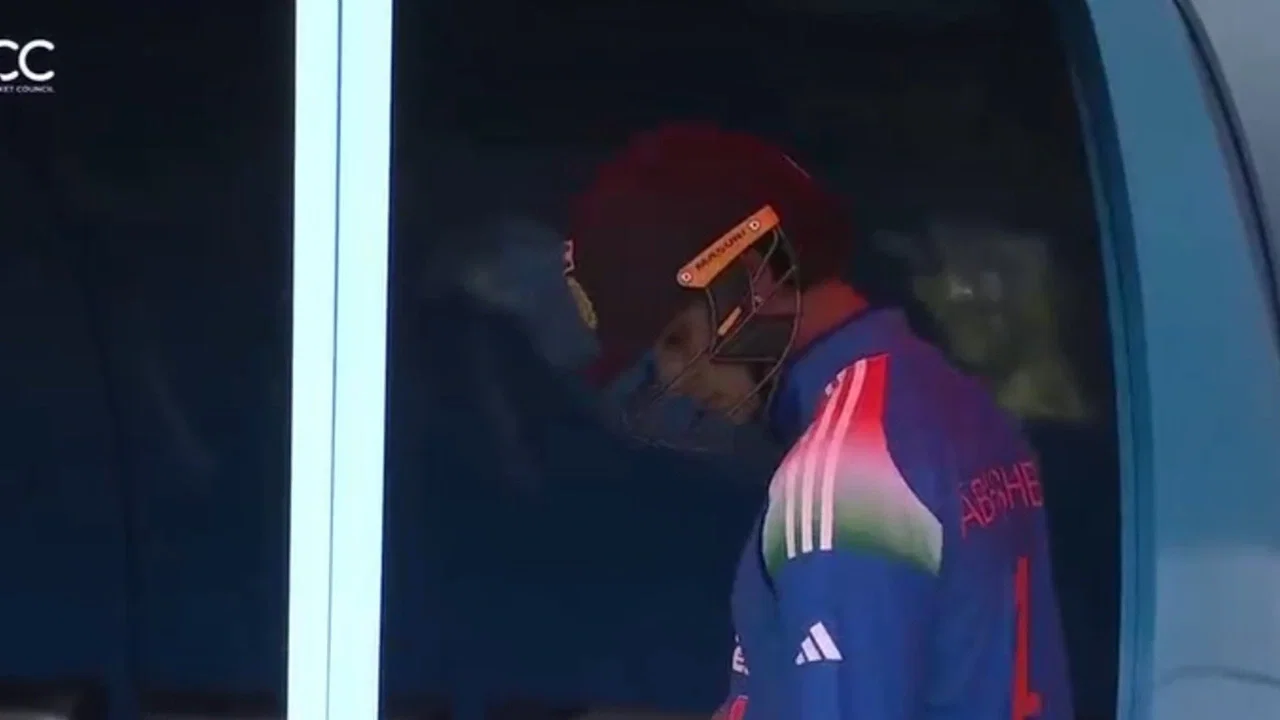
Abhishek Sharma FAILS! SRH opener out cheaply in opening game of ACC Men’s Asia Cup Rising Stars 2026

‘I want to win the IPL’: Suryakumar Yadav reveals his biggest target for 2027

Kuldeep Yadav to play against Jharkhand as Uttar Pradesh eye SMAT knockout spot
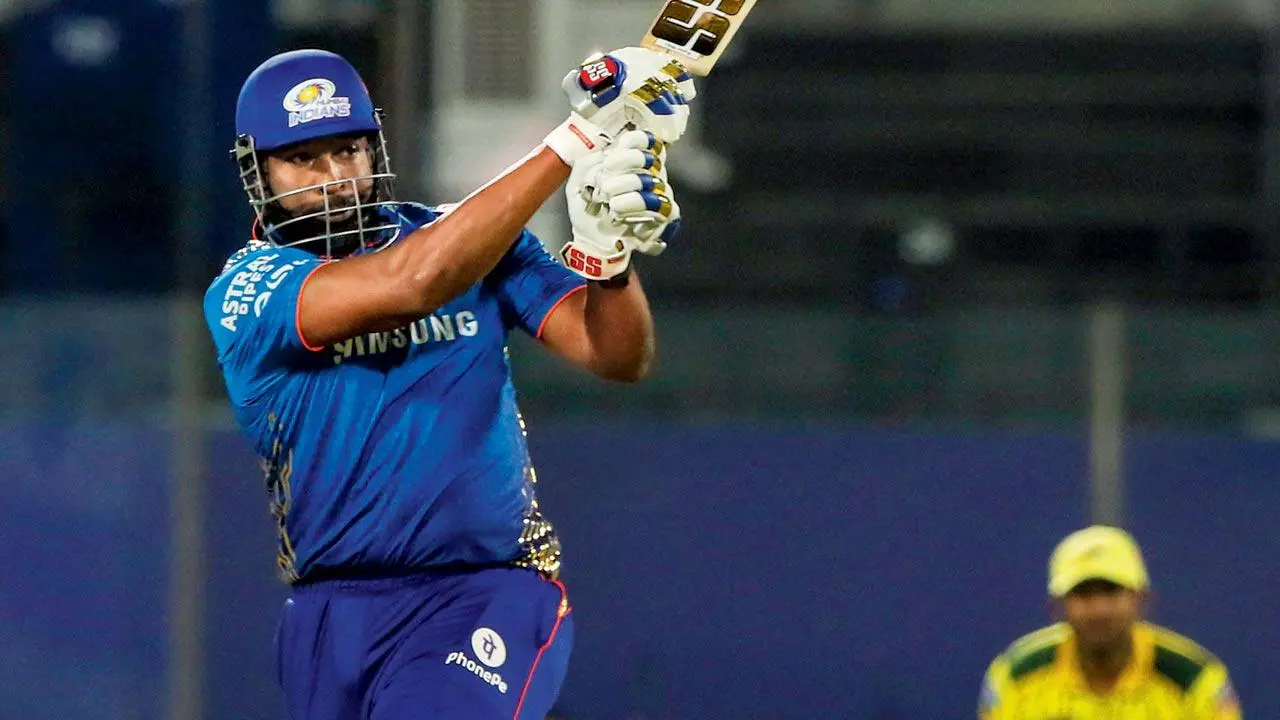
Kieron Pollard appointed MI Emirates captain ahead of ILT20 2026 season
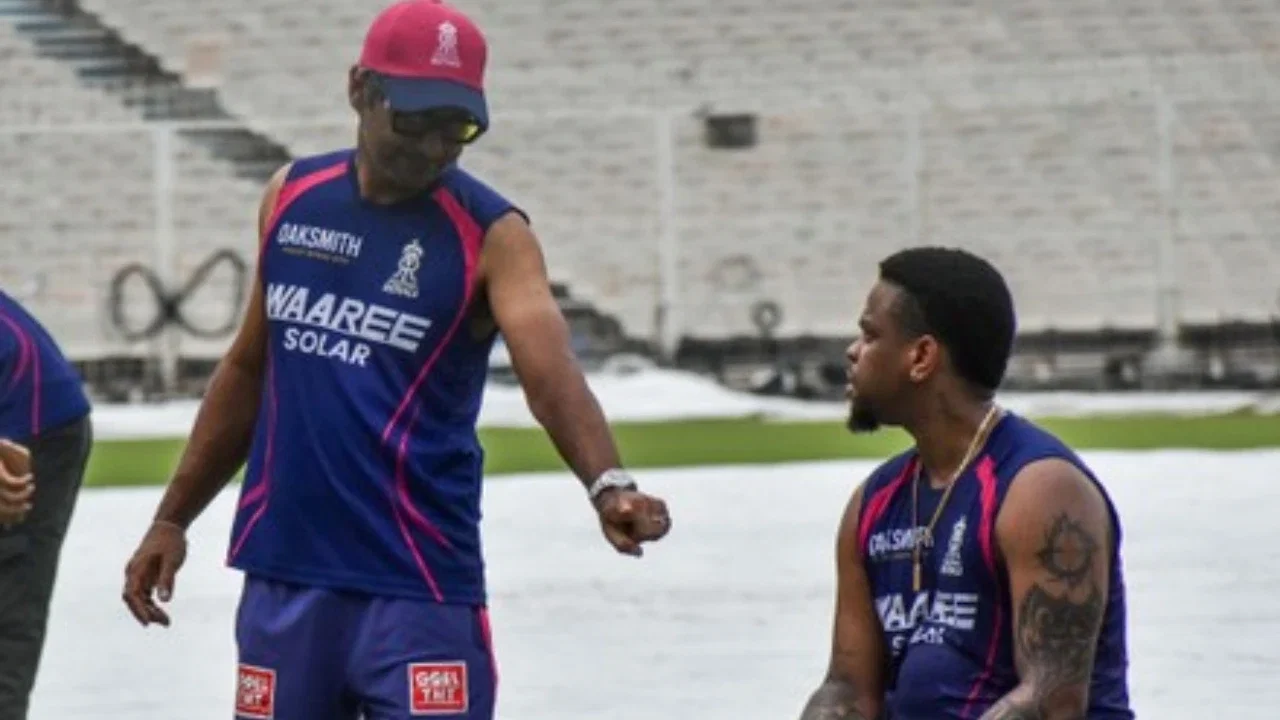
IPL 2027: Kumar Sangakkara opens up on Rajasthan Royals’ decision to release Shimron Hetmyer

“Ask the selectors”: Kapil Dev weighs in on Mohammed Siraj’s omission against New Zealand
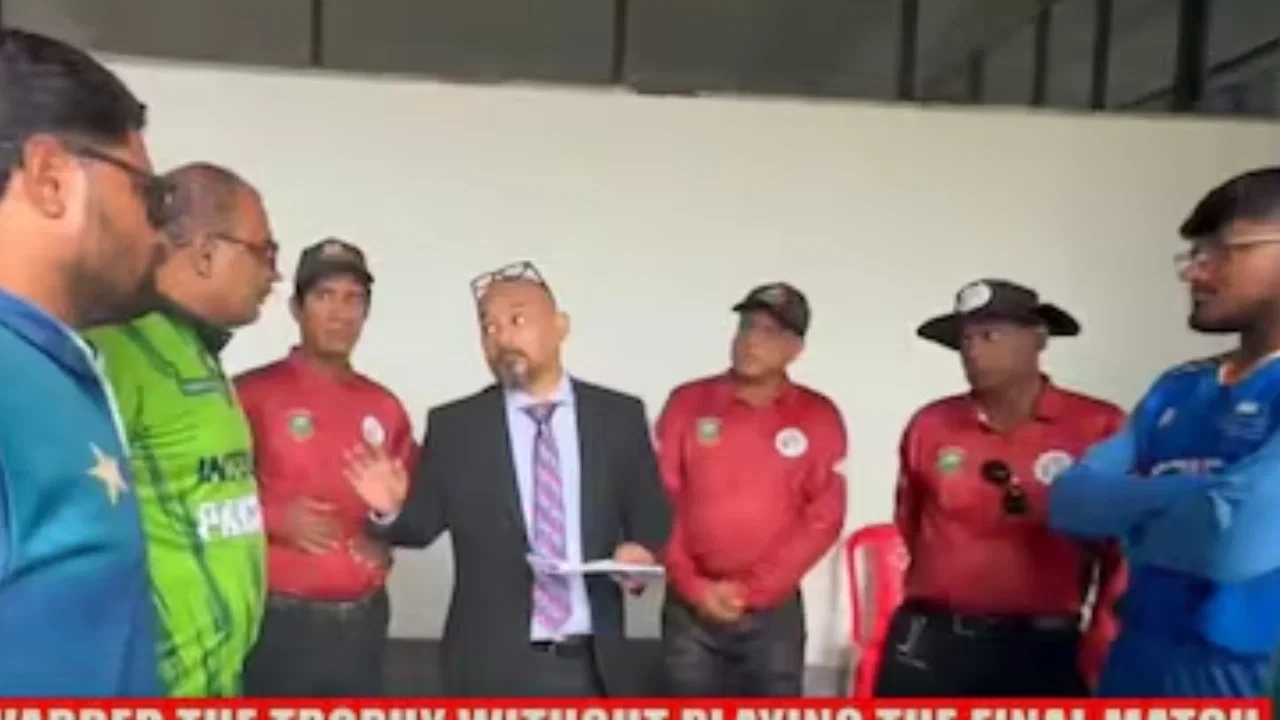
India boycott trophy ceremony after Pakistan declared winners of Blind Cricket Asia Cup 2026
“Biggest traitor”: De Villiers tears into Usman Khawaja over Sandpapergate revelations