“He told me to shut up”: Amit Mishra reveals on-field fight with Gautam Gambhir during Delhi vs Haryana match
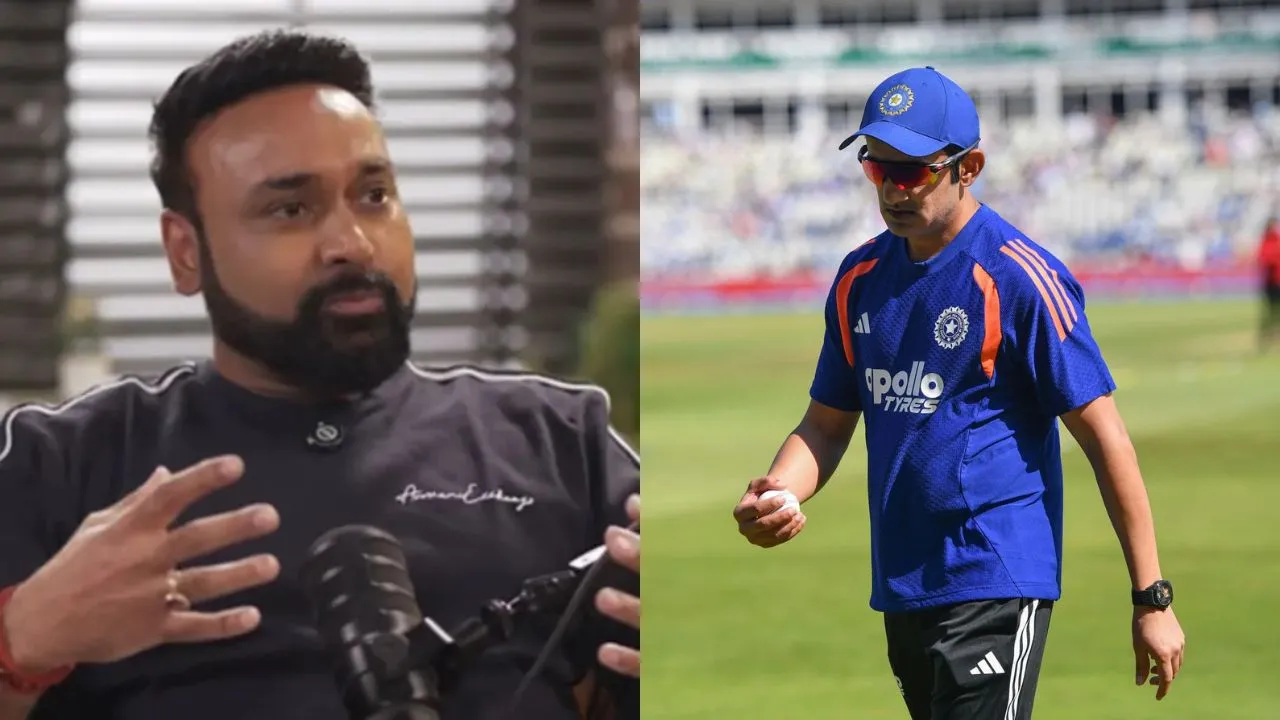
Amit Mishra Recalls Heated On-Field Exchange With Gautam Gambhir—and the Cold-Coffee Peace Offering
Former India leg-spinner Amit Mishra has shared a personal story about a fiery exchange with Gautam Gambhir, now India’s head coach, during a domestic match between Delhi and Haryana. The disagreement began in the middle of a game, but, according to Mishra, it ended with an unexpected invitation for dinner—and a suggestion to cool off over cold coffee.
Speaking on a podcast hosted by former India opener Aakash Chopra, Mishra described how competitive tensions briefly spilled over on the field. He also offered a more personal perspective on Gambhir, explaining that the former batter’s intensity during a match does not necessarily reflect how he treats friends away from cricket.
How the Delhi-Haryana Argument Began
Mishra said the incident took place while he was taking wickets for Delhi. Gambhir was batting at the non-striker’s end, and the two began exchanging words after a delivery and a shot played earlier in the innings. What started as a brief conversation soon became a heated verbal confrontation.
Recalling the exchange, Mishra said he questioned why Gambhir was reacting while he was enjoying a successful spell. Gambhir, in turn, told him to stop talking and concentrate on bowling. Mishra admitted that the response made him angry, and the pair traded further remarks before play continued.
Such moments are familiar in competitive cricket, where pressure, close contests and strong personalities can quickly raise the temperature. A sharp exchange between players may look personal from the outside, but it can also be part of the intensity of a match. Mishra’s account suggests that, in this case, the disagreement did not define the relationship between the two cricketers.
Gambhir’s Post-Match Invitation Changed the Mood
The more surprising part of Mishra’s story came after the match. Once the players had returned to the hotel, Gambhir called and asked what Mishra was doing. When Mishra said he was free, Gambhir invited him to join him for dinner.
Mishra was still annoyed by their argument and reminded Gambhir that they had been fighting only a short time earlier. He told his former teammate that he had already eaten. Rather than letting the tension linger, Gambhir encouraged him not to remain angry and suggested they go out for cold coffee instead.
For Mishra, the gesture revealed an important difference between Gambhir’s on-field and off-field manner. He described Gambhir as fiercely competitive during a game, but also as someone willing to reconnect once the contest was over. Mishra said people can form an impression of Gambhir based on his intensity on the field, but that does not tell the whole story of how he behaves with friends.
The anecdote offers a useful reminder that sporting rivalries and personal relationships do not always follow the same script. Players can challenge one another during a match and still share mutual respect once the pressure has passed. In Mishra’s telling, the cold-coffee invitation was a simple but telling effort to move beyond the argument.
A Friendship That Began in Delhi Cricket
Mishra and Gambhir’s connection goes back to their early years in cricket. Both trained at the same Delhi academy under coach Sanjay Bhardwaj, building a relationship long before they became established names in Indian cricket. Their paths later crossed again while representing India and playing for the Delhi Daredevils, the franchise now known as the Delhi Capitals, during the early seasons of the Indian Premier League.
That shared history helps explain why Mishra’s recollection carries more weight than a story about a one-off clash between opponents. The two had spent years around the same cricketing environment, and their familiarity extended beyond the boundary. The episode, as Mishra described it, reflects a friendship shaped by both competition and time spent together away from the game.
For fans, the story also provides a glimpse into the personalities behind Indian cricket’s public image. Gambhir is widely associated with an uncompromising approach to competition, while Mishra’s account adds a more relaxed, personal dimension to that reputation. It is not a prediction about how Gambhir will behave in every situation, but it does offer insight into how one longtime teammate experienced him firsthand.
Mishra Praises Gambhir’s Humility
Mishra also spoke about a quality he admired in Gambhir: his grounded attitude. Although Gambhir came from a financially comfortable family, Mishra said he never used that background to make teammates feel lesser or to draw attention to himself.
To illustrate the point, Mishra recalled that his first car was a modest Maruti Alto. Gambhir, who owned a BMW, would still ride with him in the Alto when they went to practice. Mishra said Gambhir never made him feel uncomfortable about the difference in their circumstances.
The detail may seem small, but it offers a vivid picture of how respect is often built in everyday moments rather than grand gestures. Sharing a ride, showing up for practice and treating teammates without condescension can leave a lasting impression—especially in a sport where players come from a wide range of backgrounds.
A Different Perspective on Gambhir’s Competitive Image
Gambhir’s appointment as India head coach has renewed public interest in his approach to leadership and his demanding standards in cricket. Stories from former teammates can help audiences understand the personality behind that role, although one anecdote cannot capture every aspect of a person or predict how he will respond in a different setting.
Mishra’s account presents a balanced picture: a player who could be combative in the heat of a domestic match, but who was also willing to reach out afterward and maintain a friendship. The argument with Mishra may have been intense in the moment, yet the dinner invitation—and the eventual cold coffee—suggested that neither man wanted a brief on-field dispute to become a lasting divide.
For cricket followers, the story is a reminder that the strongest rivalries can coexist with genuine camaraderie. As Mishra’s recollection shows, what happens after the final ball can sometimes reveal as much about a player as what happens during the match.
Latest News
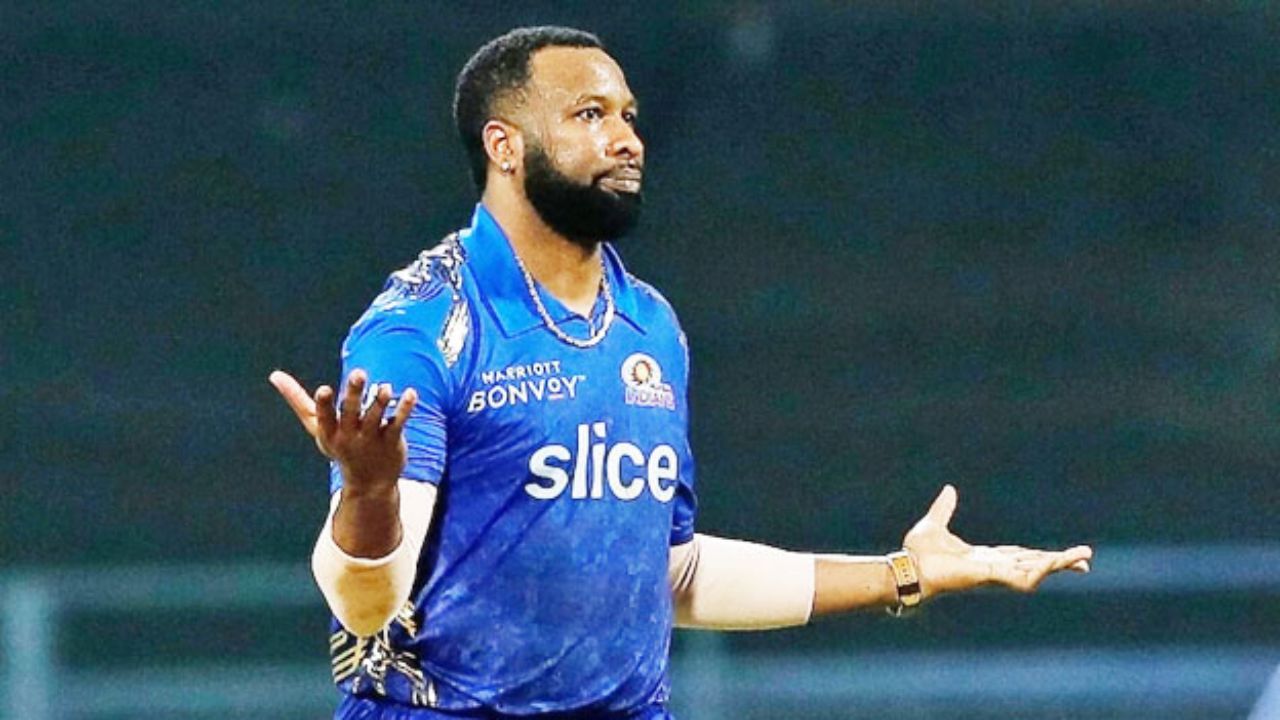
Kieron Pollard named Mumbai Indians head coach after Mahela Jayawardene’s exit
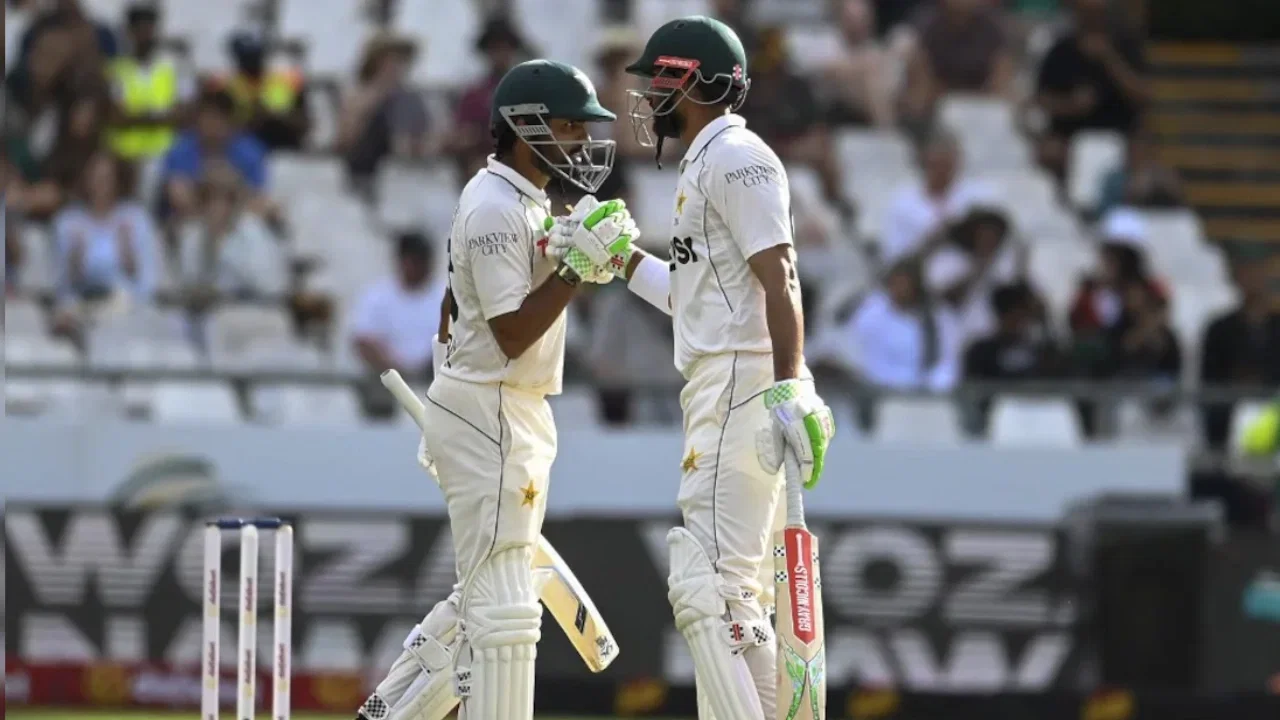
Shan Masood worried about his place in Pakistan’s squad for Sri Lanka Tests
Bhuvneshwar Kumar shares advice with Mohammed Shami on India comeback
“He told me to shut up”: Amit Mishra reveals on-field fight with Gautam Gambhir during Delhi vs Haryana match
Senior India players refused rest for West Indies T20Is despite BCCI’s request
Marnus Labuschagne set to be retained in Australia XI for 3rd South Africa Test
Vaibhav Sooryavanshi denied opening spot on return to India XI vs New Zealand
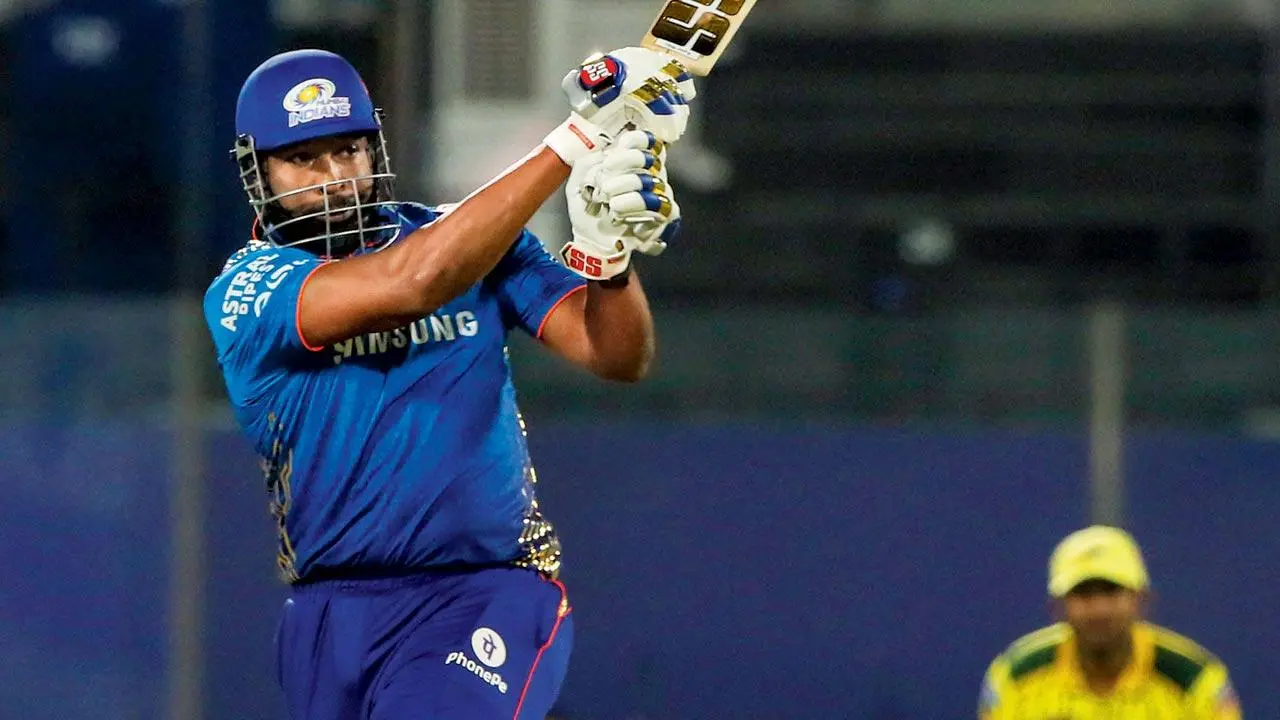
Mumbai Indians coaches list: From Lalchand Rajput to Kieron Pollard (2008 to 2027)
India join Pakistan in exclusive 2-team list with 300th T20I vs New Zealand
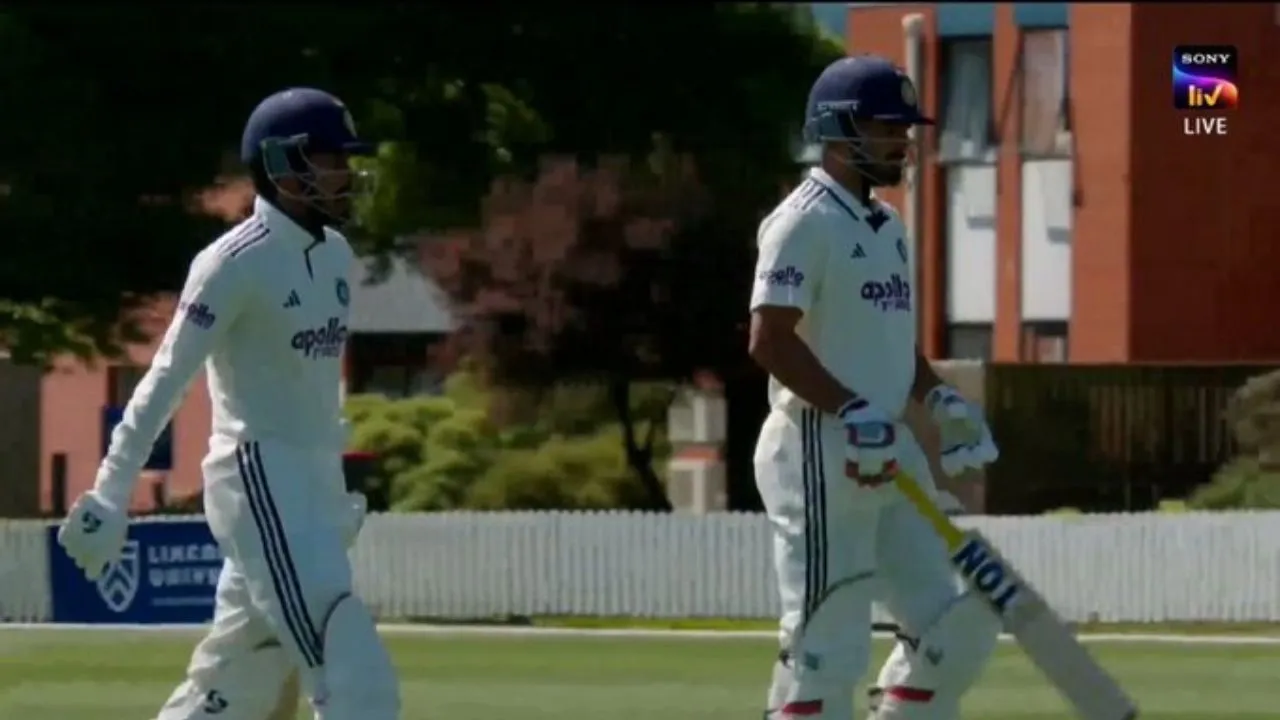
KL Rahul, Yashasvi Jaiswal fail as India A bowled out for 113 against New Zealand A
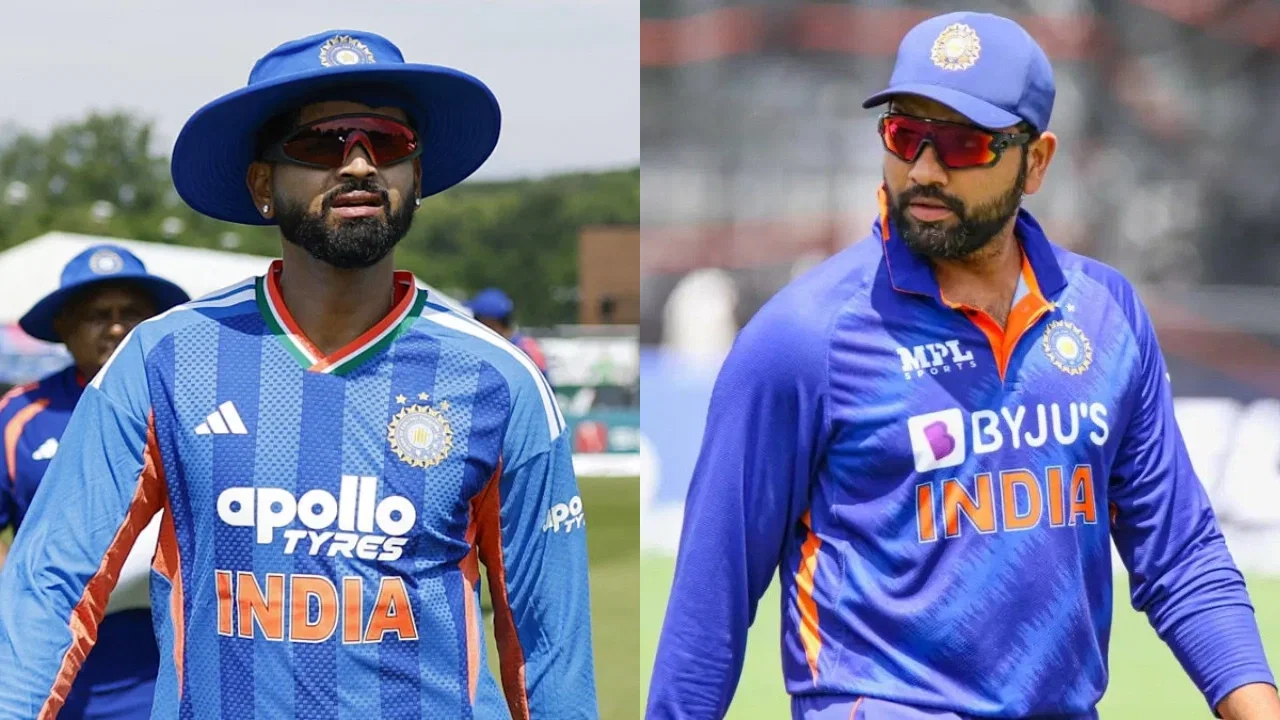
Shreyas Iyer set to surpass Rohit Sharma’s record against New Zealand in 2nd T20I
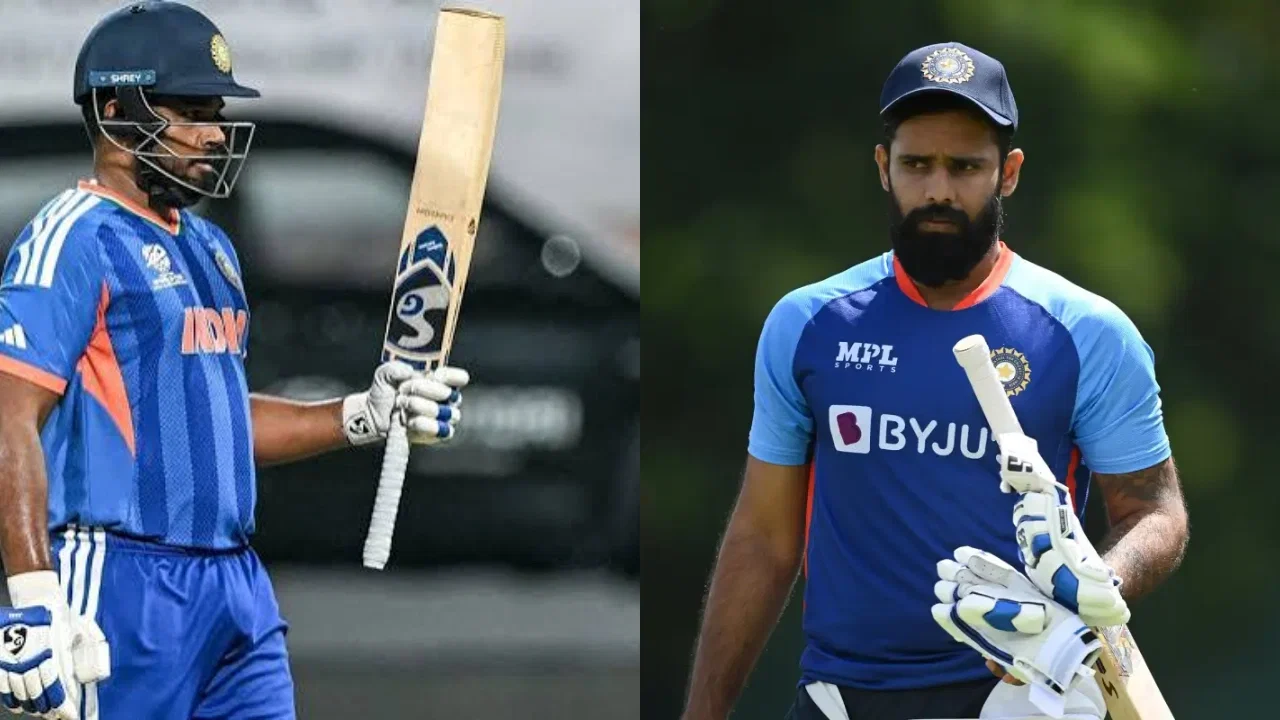
Hanuma Vihari points out area of concern in Sanju Samson’s batting
Ishan Kishan ruled out of 2nd T20I vs New Zealand GT batter named as replacement
“Daws was probably our best bowler”: Harry Brook explains why Adil Rashid was dropped