Senior India players refused rest for West Indies T20Is despite BCCI’s request
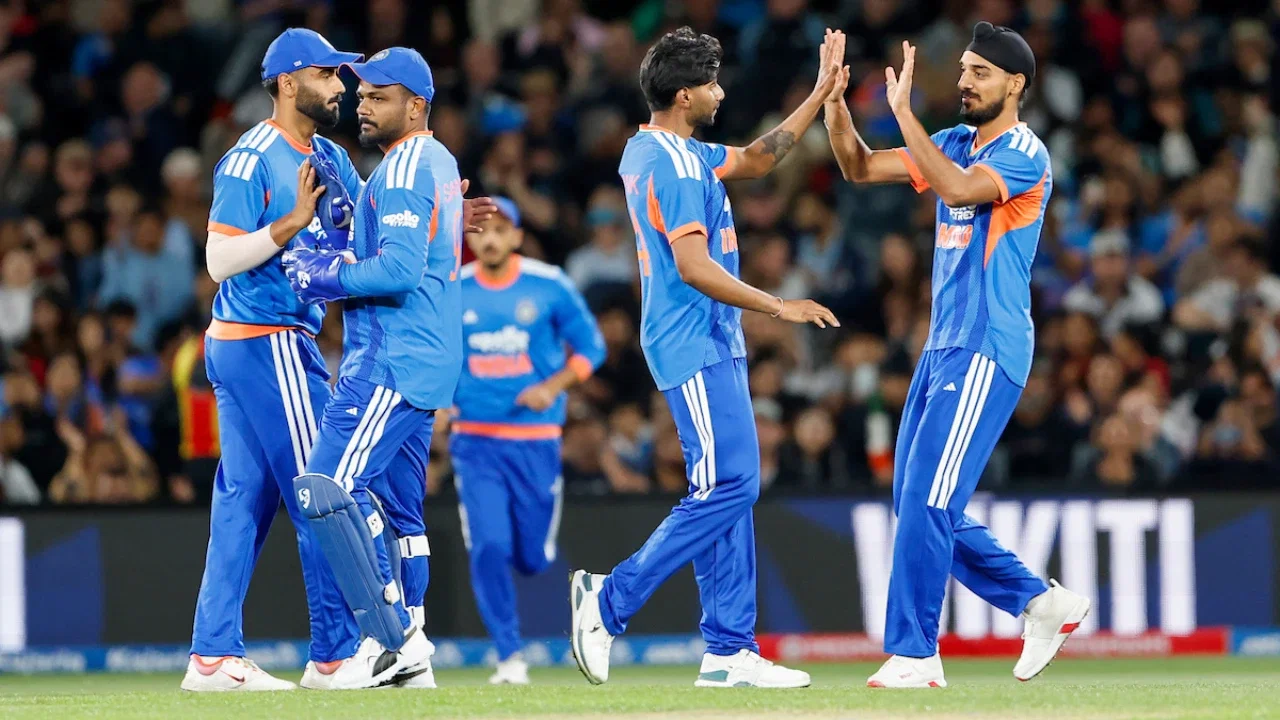
India’s Packed T20I Schedule Raises Questions Over Rest, Selection and Player Workload
Several senior Indian cricketers reportedly turned down the selectors’ offer to rest during the recent five-match T20I series against the West Indies, preferring to remain available for selection. The series finished 2-2 after the decisive fifth match was washed out, but the players’ reported decision has highlighted a wider challenge for Indian cricket: how to balance a crowded international calendar with the need to protect players and develop emerging talent.
According to myKhel, selectors viewed the West Indies fixtures as an opportunity to assess India’s bench strength and give players on the fringes of the squad more time in the middle. Some senior players, including those involved in the Asian Games in Japan, were reportedly willing to continue playing rather than take a break.
The situation is particularly notable given India’s demanding schedule. The reigning T20 World Cup 2026 champions had played 36 T20 internationals by October 22, more than any other team. With tours, tournaments and domestic commitments following one another, the discussion around rest is no longer simply about comfort. It is closely tied to fitness, injury prevention, selection security and the team’s long-term planning.
Why Senior Players May Be Reluctant to Take a Break
For an established player, accepting rest can appear straightforward: a pause offers time to recover physically and mentally. Yet in a highly competitive national setup, stepping aside may also create an opening for someone else. A replacement who performs well could strengthen their case for a regular role, making voluntary rest feel like a risk to a player’s place in the team.
That concern is understandable in a squad where young cricketers are continually pushing for opportunities. Selection decisions are often shaped not only by reputation but by recent form, team balance and the demands of a particular opponent. A strong performance during a short series can therefore have lasting consequences, particularly for players seeking to establish themselves in India’s T20I plans.
Previous selection cycles have shown that newcomers can make the most of limited chances. As a result, even players who may be carrying fatigue could be reluctant to miss a series if they believe it might affect their standing. The reported response also places selectors in a delicate position: they may want to test reserve options, but fit and motivated seniors are not always eager to make way.
Rest as a performance decision, not a demotion
A clearer rotation system could help change how players view breaks. If rest is planned according to workload, fitness assessments and the importance of upcoming fixtures, it can be presented as part of performance management rather than a judgment about a player’s form. That distinction matters in a team environment where selection competition is intense.
Such a system would also allow selectors to give emerging players meaningful experience without relying on last-minute changes caused by injury. Regular opportunities can help the coaching staff understand how a player handles international pressure, while giving the squad more depth across a long season.
New Zealand Tour Adds to India’s Workload Concerns
India’s schedule has been demanding since June, with assignments involving Ireland, England, Zimbabwe, Afghanistan at home, Japan, the Asian Games and the West Indies. Each stop brings its own travel requirements, playing conditions and preparation demands. When recovery windows are short, the cumulative effect can be significant, even for elite athletes with access to specialist support.
India travelled to New Zealand within a week of completing the West Indies series. The tour includes five T20Is, three one-day internationals and two Test matches, creating a substantial workload for players selected across formats. The challenge is not limited to time spent on the field. Frequent flights, changes in time zones and climate, training sessions and match preparation all contribute to physical and mental fatigue.
Workload management is therefore more complex than counting appearances. Team staff must consider the intensity of each match, a player’s individual fitness, injury history, travel schedule and the amount of recovery available before the next assignment. A player with a heavy recent workload may need a different plan from a teammate who has played fewer matches, even if both are part of the same squad.
For India, the New Zealand tour also offers an important test of squad flexibility. A deep group of fit, match-ready players can help the team respond to injuries and changing conditions. But developing that depth requires giving reserve players opportunities before a crisis forces a change.
What the Selection Debate Means for Vaibhav Sooryavanshi
The competition for places also affects young prospects, including 15-year-old batter Vaibhav Sooryavanshi. According to myKhel, the teenager may have to wait longer for regular opportunities at senior level. His aggressive batting has attracted attention, but success in domestic or age-group cricket does not automatically translate into an immediate place in India’s senior T20I side.
Selection at international level depends on more than a player’s potential. The management must consider experience, role requirements, team combinations and the timing of opportunities. A young batter may be highly regarded while still needing time to build consistency and adapt to the physical and tactical demands of senior cricket.
That measured approach can be important for a developing player. Rather than rushing a prospect into a role before the team is ready to use him regularly, selectors can plan a gradual pathway involving domestic performances, specialist development and carefully chosen chances at higher levels. For Sooryavanshi, the key will be continuing to perform while remaining prepared for an opportunity when it arrives.
India’s Rotation Policy Could Shape Future Team Planning
If senior players remain available for every series, selectors may have fewer chances to assess the next generation in competitive conditions. On the other hand, resting too many experienced cricketers at once could affect results and disrupt team continuity. The challenge is to find a balance that protects key players without weakening the side unnecessarily.
A structured rotation policy could help. Selection planning might identify high-workload players in advance, set clear fitness benchmarks and use different combinations across formats. This would make rest more predictable and give fringe players defined opportunities, rather than leaving them to wait for an injury or an unexpected absence.
For supporters, the debate is about more than one West Indies series or a single prediction about who might feature next. It points to a broader question facing international cricket: how can teams remain competitive while managing increasingly crowded calendars? India’s answer will depend on cooperation between players, selectors, coaches and medical staff.
Ultimately, players want to compete and protect their places, while the management must preserve the squad’s health and prepare for future tournaments. When rest is planned transparently and opportunities are distributed strategically, workload management can strengthen a team rather than create uncertainty. India’s packed schedule makes that approach increasingly important—not only for its senior stars, but also for the young players waiting to make their mark.
Latest News
Kieron Pollard named Mumbai Indians head coach after Mahela Jayawardene’s exit
Shan Masood worried about his place in Pakistan’s squad for Sri Lanka Tests
Bhuvneshwar Kumar shares advice with Mohammed Shami on India comeback
“He told me to shut up”: Amit Mishra reveals on-field fight with Gautam Gambhir during Delhi vs Haryana match
Senior India players refused rest for West Indies T20Is despite BCCI’s request
Marnus Labuschagne set to be retained in Australia XI for 3rd South Africa Test
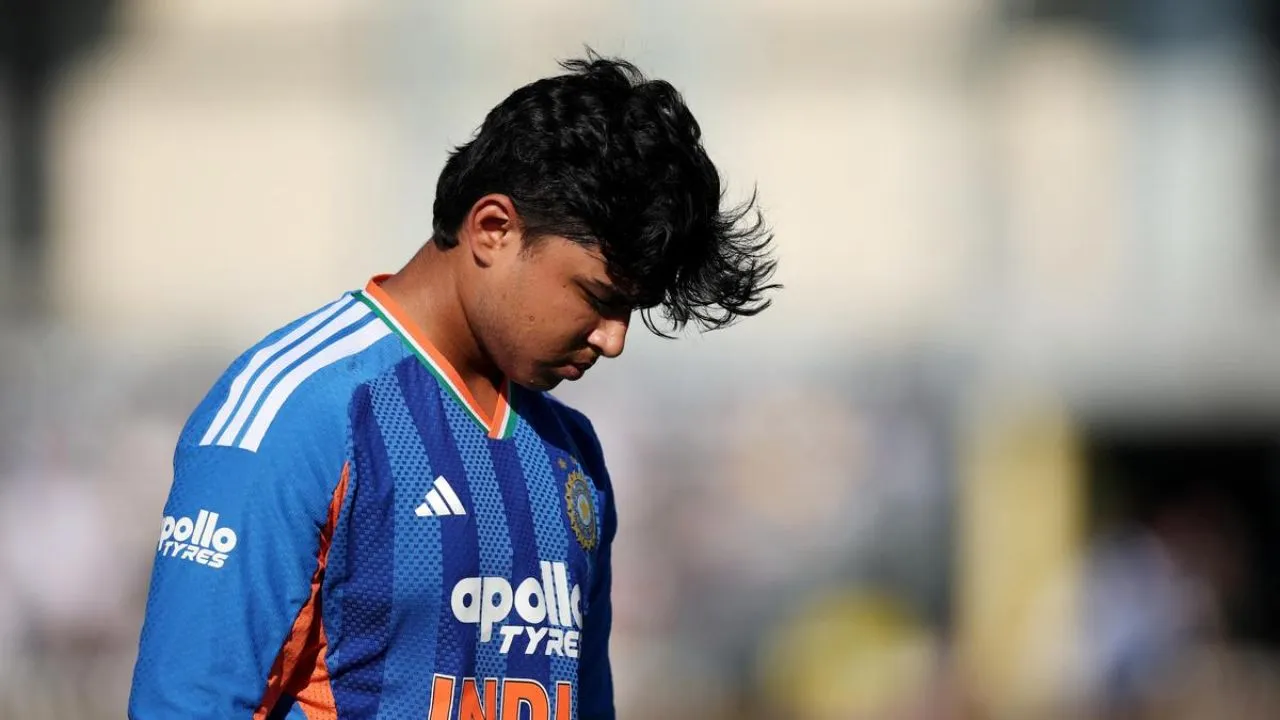
Vaibhav Sooryavanshi denied opening spot on return to India XI vs New Zealand
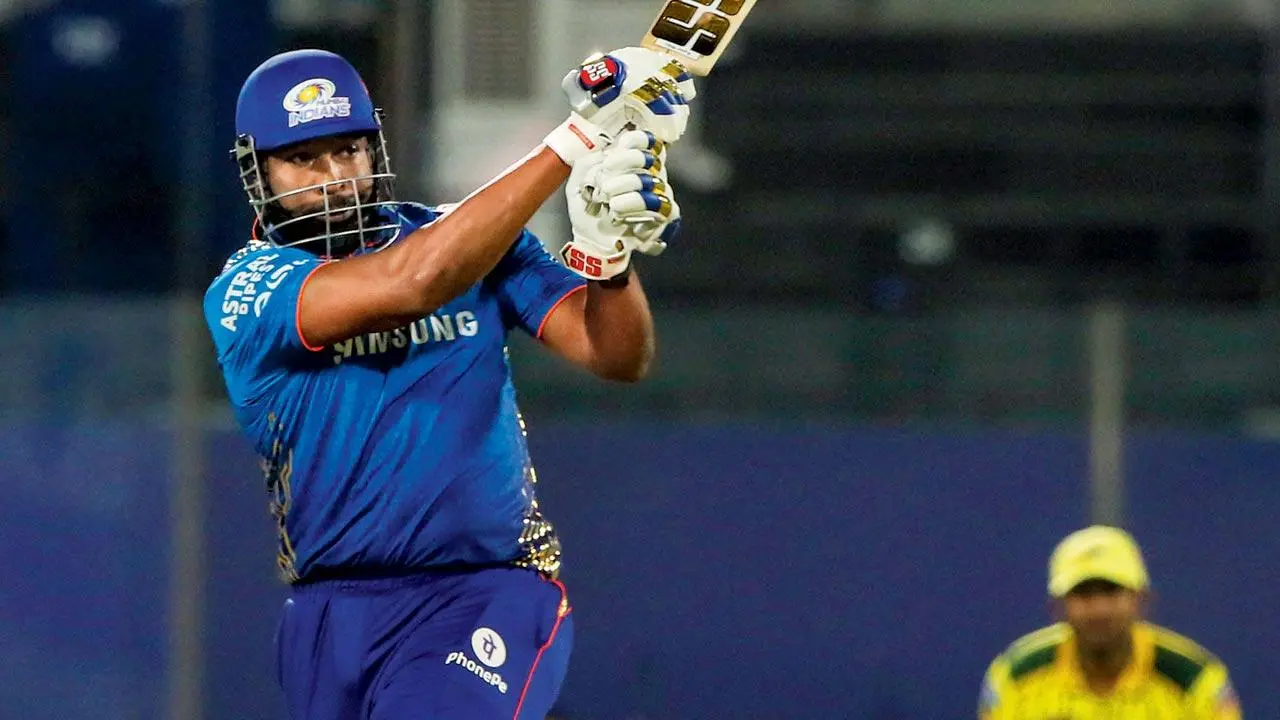
Mumbai Indians coaches list: From Lalchand Rajput to Kieron Pollard (2008 to 2027)
India join Pakistan in exclusive 2-team list with 300th T20I vs New Zealand
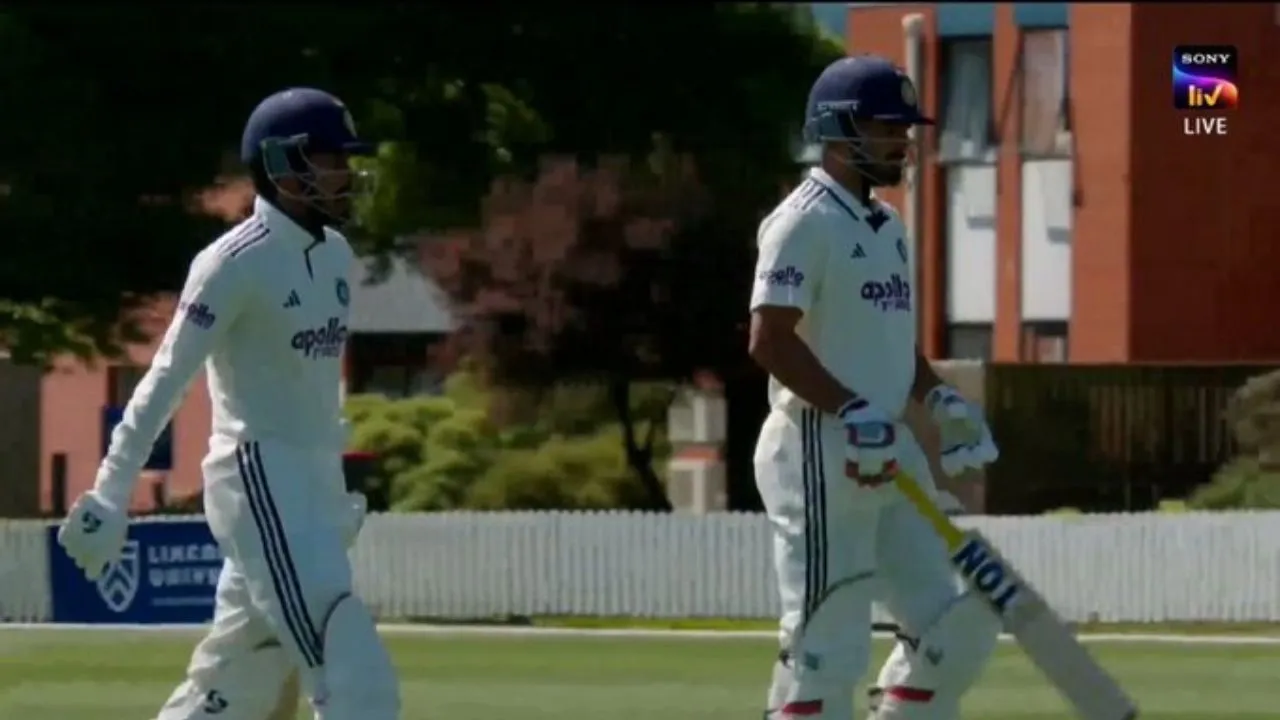
KL Rahul, Yashasvi Jaiswal fail as India A bowled out for 113 against New Zealand A
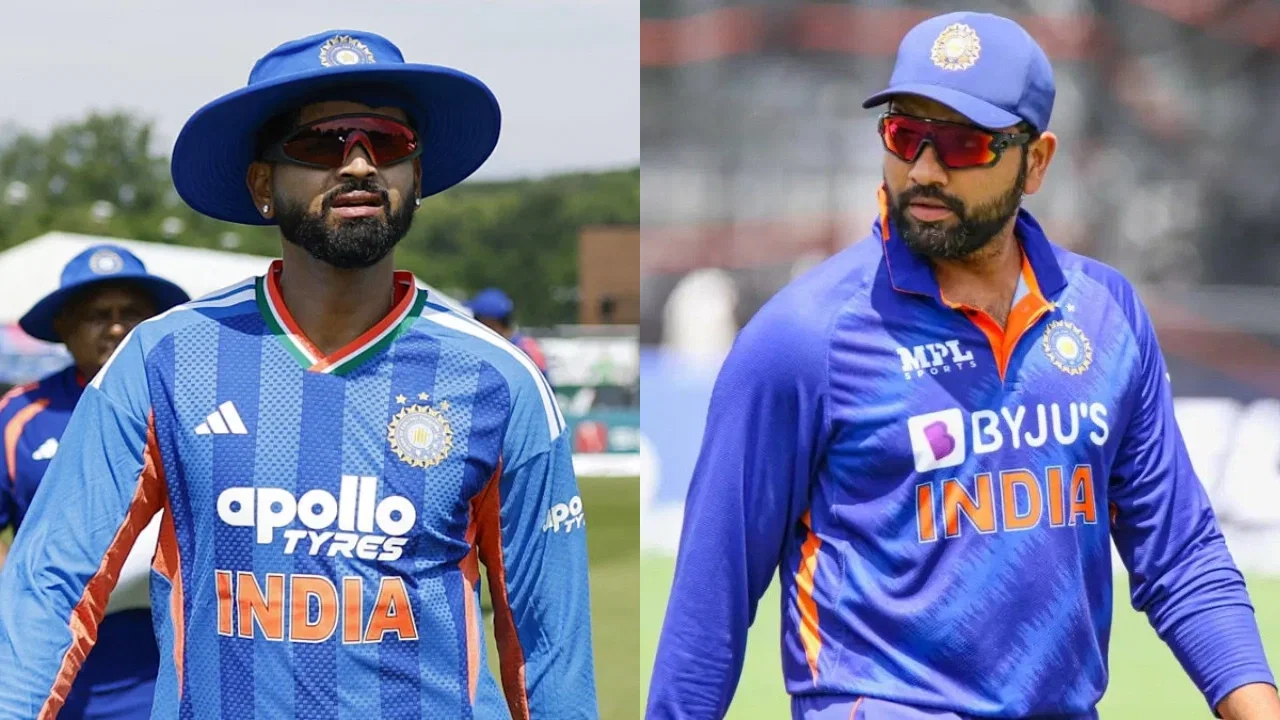
Shreyas Iyer set to surpass Rohit Sharma’s record against New Zealand in 2nd T20I
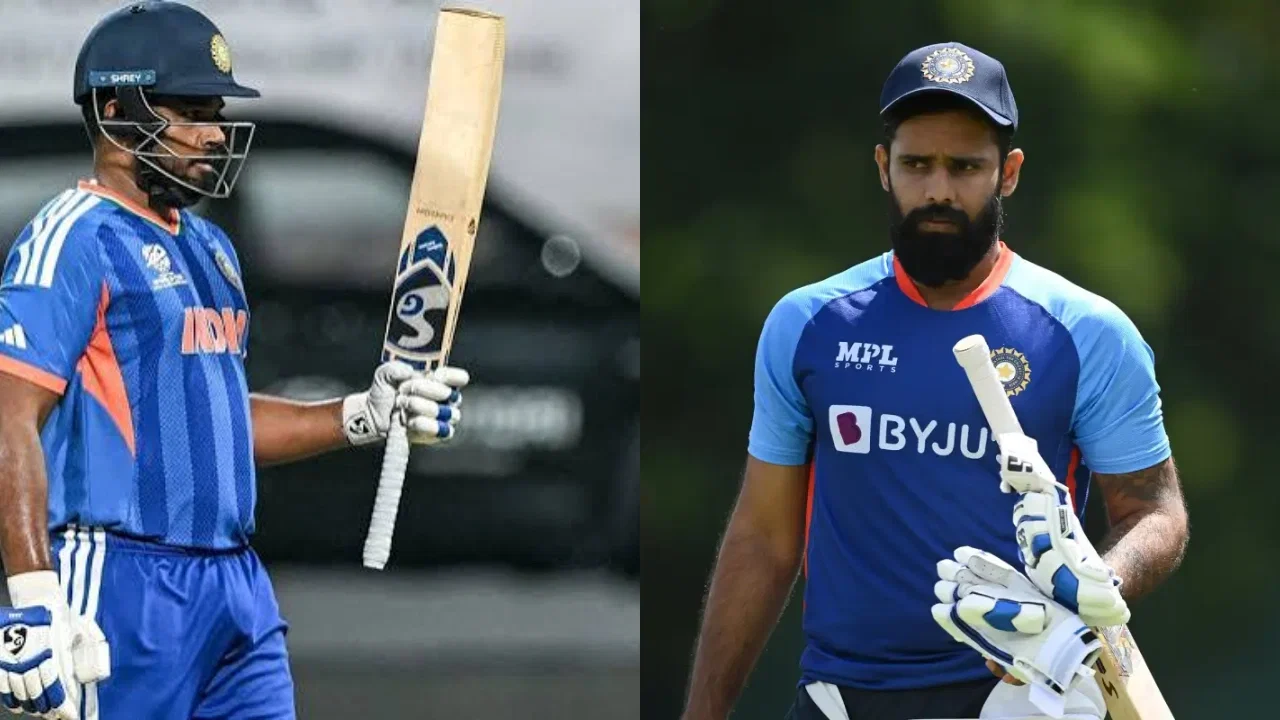
Hanuma Vihari points out area of concern in Sanju Samson’s batting
Ishan Kishan ruled out of 2nd T20I vs New Zealand GT batter named as replacement
“Daws was probably our best bowler”: Harry Brook explains why Adil Rashid was dropped