Vaibhav Sooryavanshi denied opening spot on return to India XI vs New Zealand
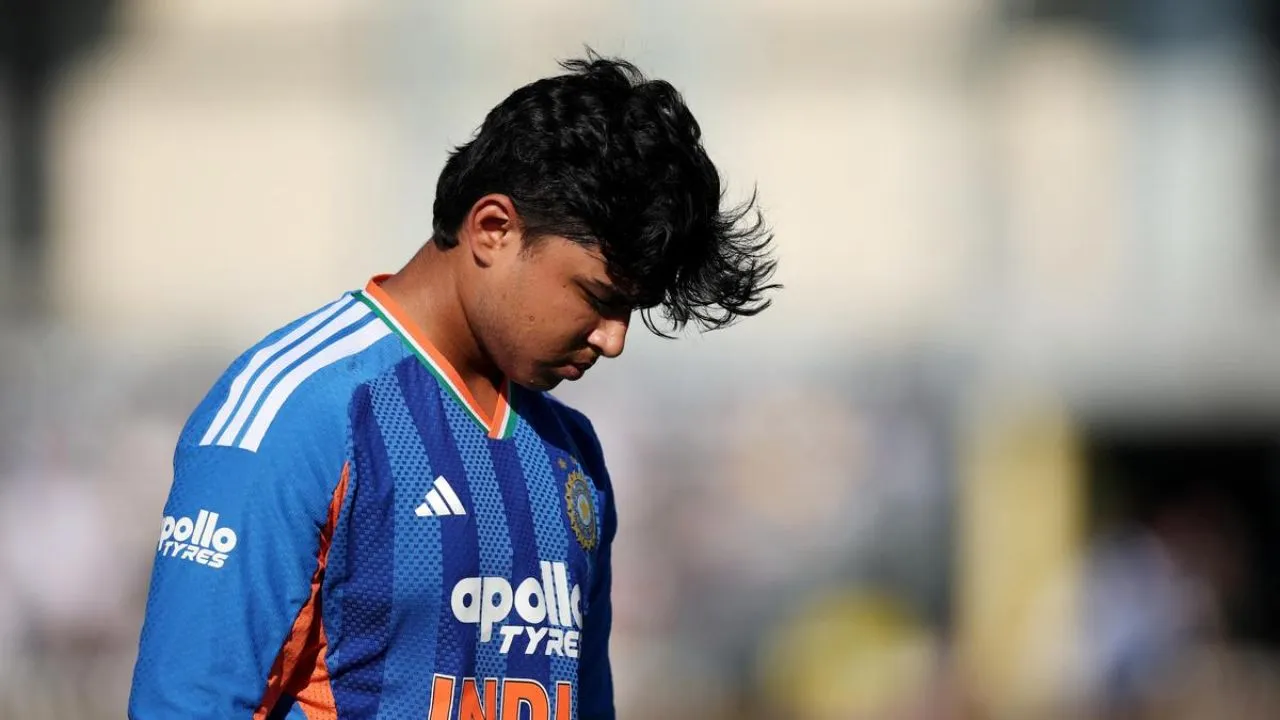
India Choose to Bowl as Vaibhav Sooryavanshi Returns for Second T20I Against New Zealand
India won the toss and elected to bowl first in the second T20I against New Zealand at Hagley Oval in Christchurch on Saturday, October 24. Captain Shreyas Iyer said the decision to chase reflected the conditions, with dew expected to make batting easier later in the evening.
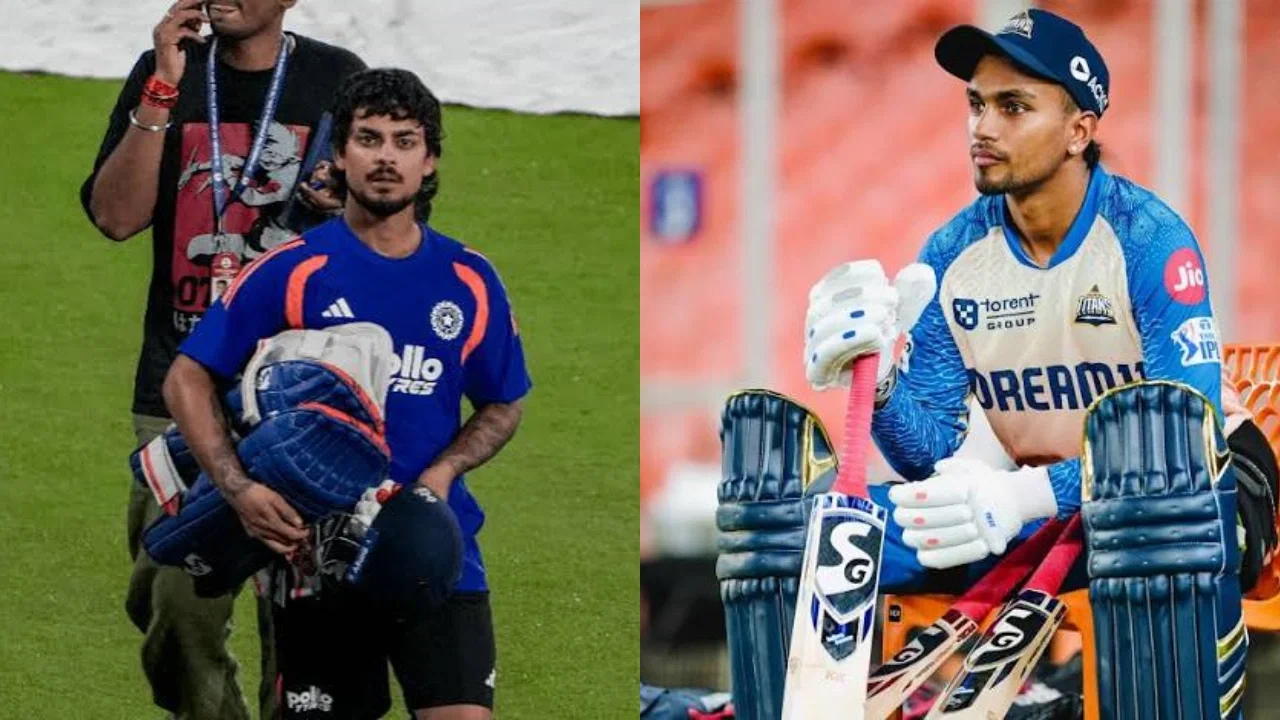
The match brings two changes to India’s lineup. Teenage batter Vaibhav Sooryavanshi returns in place of the injured Ishan Kishan, while fast bowler Prince Yadav replaces Mayank Yadav in a tactical switch. Sooryavanshi’s role is the key talking point: Iyer confirmed the left-hander will bat at No. 3 rather than open.
Sooryavanshi Set for a New Role at No. 3
Sooryavanshi has traditionally batted at the top of the order, including in junior and domestic cricket, the IPL, and his appearances for India in the shortest format. Moving him to No. 3 therefore gives the young batter a different challenge and offers India another option in the top order.
His return is particularly significant because he had missed India’s previous six T20I matches. The second T20I provides an opportunity to see how he adapts to entering the innings after the opening pair, potentially facing a different combination of field placements, bowling plans and match conditions.
Iyer explained the selection decisions at the toss: “Ishan is injured, so Vaibhav comes in for him. Prince comes in for Mayank, which is just a tactical change. He is going to bat at number three.”
Ishan Kishan Ruled Out With Adductor Strain
Kishan was unavailable after sustaining a low-grade right adductor strain—a groin injury—during the first T20I in Christchurch. His absence prompted India to bring Sooryavanshi back into the XI, rather than make a like-for-like change elsewhere in the batting order.
For India, the adjustment also creates a chance to test the flexibility of the top six. A No. 3 batter can be required to rebuild after an early wicket or keep the scoring rate high if the openers make a strong start. How Sooryavanshi handles either scenario will be one of the most closely watched aspects of the innings.
Prince Yadav Returns in Tactical Bowling Change
Prince Yadav replaces Mayank Yadav for the Christchurch fixture. Iyer described the change as tactical, suggesting India have selected a bowling combination suited to the conditions and their plans for the New Zealand batting lineup.
With India bowling first, the attack will look to make early inroads before dew becomes a factor. New Zealand’s top order includes explosive opener Finn Allen and wicketkeeper-batter Tim Seifert, followed by experienced and powerful options such as Daryl Mitchell and Glenn Phillips. India’s bowlers will need to balance attacking lines with control, particularly if the hosts build momentum during the middle overs.
Iyer Calls for Aggression and Sharper Fielding
Before the toss, Iyer said India had used the break to recover and prepare. He noted that the squad was in reasonable shape and highlighted the need to carry forward the positive elements from the first match.
“It is important to maintain the aggression and repeat the things we did well in the first game,” Iyer said. He also stressed the importance of being proactive in the field and avoiding mistakes that could leave India with an extra fielder inside the circle, especially in the final over.
That emphasis is important in T20 cricket, where a single fielding error or misjudged over can quickly change the contest. India’s plans will depend not only on taking wickets but also on limiting easy boundaries and staying disciplined at the death.
Why the Toss Could Matter at Hagley Oval
India’s decision to bowl first is closely linked to the expected dew. A wet ball can make it harder for bowlers to grip and control their deliveries, while the chasing side may find stroke-making more straightforward as the match progresses. Choosing to field first can therefore give India a clearer target and allow the batters to assess the required rate under changing conditions.
However, the strategy also places pressure on India’s bowlers to keep New Zealand’s total within reach. Hagley Oval can reward confident stroke play, and the hosts have several batters capable of accelerating quickly. India will need to strike at key moments and avoid allowing New Zealand to finish strongly.
Second T20I Playing XIs
India
Sanju Samson (wicketkeeper), Abhishek Sharma, Vaibhav Sooryavanshi, Shreyas Iyer (captain), Tilak Varma, Nitish Kumar Reddy, Naman Dhir, Axar Patel, Bhuvneshwar Kumar, Arshdeep Singh, Prince Yadav.
New Zealand
Finn Allen, Tim Seifert (wicketkeeper), Daryl Mitchell, Glenn Phillips, Bevon Jacobs, Michael Bracewell, Mitchell Santner (captain), Nathan Smith, Matt Henry, Jacob Duffy, Lockie Ferguson.
Second T20I Prediction: Key Factors to Watch
Any prediction for the second T20I will depend on how effectively India restrict New Zealand before the dew sets in, and how comfortably the visitors chase under lights. Sooryavanshi’s performance at No. 3 is another major variable: a composed start could strengthen India’s middle order, while an early wicket would test the team’s depth.
New Zealand, meanwhile, will aim to use home conditions and their aggressive batting resources to put India under pressure. The contest could turn on the powerplay, the middle-over battle between India’s spinners and New Zealand’s hitters, and the accuracy of both teams’ death bowling. With a fresh batting role for Sooryavanshi and two changes to India’s XI, the Christchurch match offers plenty of intrigue beyond the toss.
Latest News
Kieron Pollard named Mumbai Indians head coach after Mahela Jayawardene’s exit
Shan Masood worried about his place in Pakistan’s squad for Sri Lanka Tests
Bhuvneshwar Kumar shares advice with Mohammed Shami on India comeback
“He told me to shut up”: Amit Mishra reveals on-field fight with Gautam Gambhir during Delhi vs Haryana match
Senior India players refused rest for West Indies T20Is despite BCCI’s request
Marnus Labuschagne set to be retained in Australia XI for 3rd South Africa Test
Vaibhav Sooryavanshi denied opening spot on return to India XI vs New Zealand
Mumbai Indians coaches list: From Lalchand Rajput to Kieron Pollard (2008 to 2027)
India join Pakistan in exclusive 2-team list with 300th T20I vs New Zealand
KL Rahul, Yashasvi Jaiswal fail as India A bowled out for 113 against New Zealand A
Shreyas Iyer set to surpass Rohit Sharma’s record against New Zealand in 2nd T20I
Hanuma Vihari points out area of concern in Sanju Samson’s batting
Ishan Kishan ruled out of 2nd T20I vs New Zealand GT batter named as replacement
“Daws was probably our best bowler”: Harry Brook explains why Adil Rashid was dropped