“A bowler can control the game”: Bhuvneshwar Kumar takes a stand for bowlers amid batting dominance

India Clinch T20I Series in New Zealand as Bhuvneshwar Kumar Reflects on His Comeback
India sealed the five-match T20I series against New Zealand with a commanding victory in the third game, turning a daunting target into a remarkable display of power-hitting. The result also brought a personal milestone for captain Shreyas Iyer: his first series win as India’s skipper in a SENA country—South Africa, England, New Zealand or Australia.
At Wellington’s Hnry Stadium, India chased down New Zealand’s 199-run target in just 13.2 overs. Openers Abhishek Sharma and Vaibhav Sooryavanshi set the tone with an extraordinary assault, racing to 100 runs inside five overs and producing the highest partnership recorded in a T20I powerplay. Their explosive start left the hosts with little opportunity to regain control and gave India a series-clinching win to remember.
The match also marked the return of Bhuvneshwar Kumar to India’s T20I side after a four-year absence. Although the experienced seamer took one wicket across the three matches and did not make an immediate statistical impact, his comeback prompted wider questions about his future, his domestic cricket plans and the changing balance between bat and ball in modern T20 cricket.
Bhuvneshwar Kumar: “It Is Great to Be Playing for India Again”
Speaking after the third T20I, Bhuvneshwar said he was delighted to wear the India jersey again but was not looking too far ahead. Rather than focusing on a possible return to the ODI squad or setting long-term targets, he said he wanted to concentrate on the present and continue performing in domestic cricket.
“It is great to be playing for India again, but I am not thinking too much about the future,” he said, as quoted by The Indian Express. “I will continue to play domestic cricket, whether it is the Syed Mushtaq Ali Trophy or the Vijay Hazare Trophy. I did not chase this—playing for India again—though it was always the dream. Credit goes to my performances in the IPL over the past two years.”
His comments underline the route many experienced players take when seeking another international opportunity: consistent performances in domestic competitions and the Indian Premier League can keep a comeback within reach. Bhuvneshwar’s return is also a reminder that selection decisions are shaped not only by reputation, but by current form, fitness and a player’s ability to meet the demands of the format.
Can Bowlers Still Control a Batting-Friendly T20 Game?
Bhuvneshwar was also asked whether modern conditions increasingly favour batters. T20 cricket has become more aggressive, with powerful bats, compact boundaries and high-scoring surfaces creating greater pressure on bowlers. Yet the veteran fast bowler rejected the idea that bowlers have lost the ability to influence a match.
“This is a debatable question. We say that the conditions favour the batters nowadays and all that, but I still believe that a bowler can control the game,” he said. “The reason is that we feed the ball to the batter.”
His point is that a bowler still has choices: length, line, pace and variation can determine the options available to a batter. A well-executed slower ball, a change in angle or a delivery aimed at the stumps can interrupt a batter’s rhythm—even when the margin for error is extremely small. In high-scoring T20 matches, a single over of disciplined bowling can change the required rate and shift pressure back onto the batting side.
That challenge is especially clear in games like India’s chase in Wellington. When batters attack from the first over, bowlers have little time to settle into a spell. A missed length can disappear for a boundary, while predictable pace can be punished. Bhuvneshwar acknowledged the narrow margin but argued that skilled bowlers can still influence the contest by executing their plans and adapting quickly.
Small Boundaries, Big Scores—and the Need to Adapt
Bhuvneshwar also pointed to the structural advantages often enjoyed by batters in contemporary cricket. Short boundaries can turn well-struck shots into sixes, while modern equipment and aggressive tactics encourage batters to target the field from the outset. In his view, however, those conditions do not remove the bowler’s role.
“There are small boundaries. Everything is given to the batters. But still, a bowler is the one who feeds the ball to the batter,” he said. “Then it’s up to the batter what he wants to play, whether he wants to play according to the ball or not.”
He added that the best bowlers continue to produce consistent performances by adjusting their approach to the conditions. That adaptability can include using variations at the right moment, changing the line of attack and avoiding patterns that allow batters to line up a particular delivery. Bhuvneshwar pointed to the IPL and international cricket as examples of bowlers finding ways to compete despite the pressure of high-scoring environments.
What India’s Win Means Ahead of the Remaining Matches
India’s series-clinching victory was powered by an exceptional opening partnership, but the broader result also reflects the team’s ability to apply pressure with an aggressive approach. Chasing 199 in 13.2 overs is an unusually emphatic achievement, and the performance will strengthen confidence in the batting group as the series continues.
For New Zealand, the match offers a clear lesson in the importance of controlling the powerplay. Once Abhishek and Sooryavanshi found their rhythm, the target became far more manageable. The hosts will need to find ways to disrupt India’s opening momentum, whether through early wickets, tighter lines or field placements designed to limit scoring options.
For Bhuvneshwar, the immediate focus remains on contributing whenever selected and continuing to play domestic cricket. His return may also fuel prediction and discussion about whether he can push for further opportunities, including a possible ODI recall. He has not committed himself to a particular outcome, instead stressing that performance will determine what comes next.
India’s win and Bhuvneshwar’s measured comments capture two sides of the modern game: batting can be spectacular, but the contest is not decided by power alone. As the series moves forward, India will look to build on its dominant chase, while bowlers on both sides will be challenged to show that accuracy, variation and adaptability can still make a decisive difference.
Latest News

Ishan Kishan takes a cheeky dig at Abhishek Sharma’s celebration after his 113-run blitz vs New Zealand
“A bowler can control the game”: Bhuvneshwar Kumar takes a stand for bowlers amid batting dominance

Najmul Hossain Shanto makes massive statement on Bangladesh’s WTC 2025-27 final hopes
Ayush Badoni joins Virat Kohli, Gautam Gambhir after historic double hundred against Jharkhand
Devdutt Padikkal credits Virat Kohli after scoring 199 runs against New Zealand A
Babar Azam-starrer Pakistan fold for 110 in ODI as India chase 199 in 13.2 overs in T20I on same day
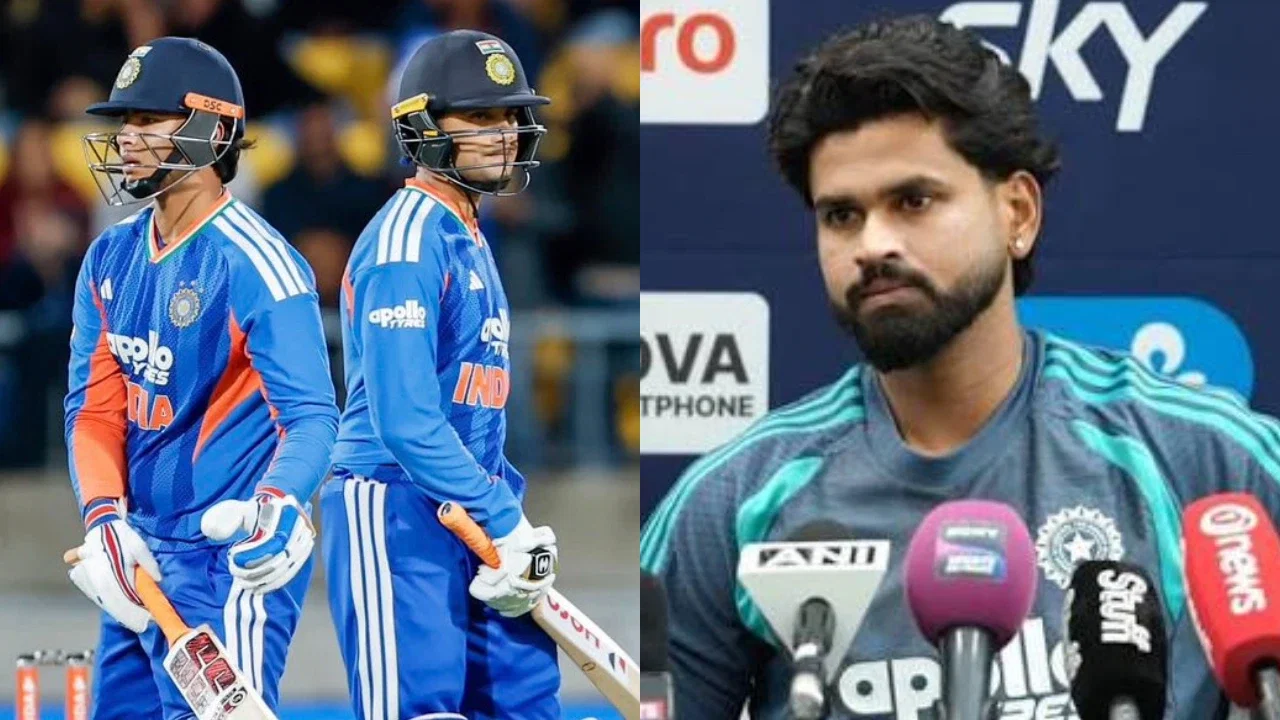
Shreyas Iyer left awestruck by Vaibhav Sooryavanshi and Abhishek Sharma’s carnage hitting in 3rd T20I

‘Just want to win matches for team’: Abhishek Sharma responds to Yuvraj Singh’s ‘No 12-ball 50’ jibe

4, 4, 4, 4! Marques Ackerman hammers Mitchell Starc for four straight boundaries in Cape Town Test
Bhuvneshwar Kumar’s numbers since India comeback raise selection questions
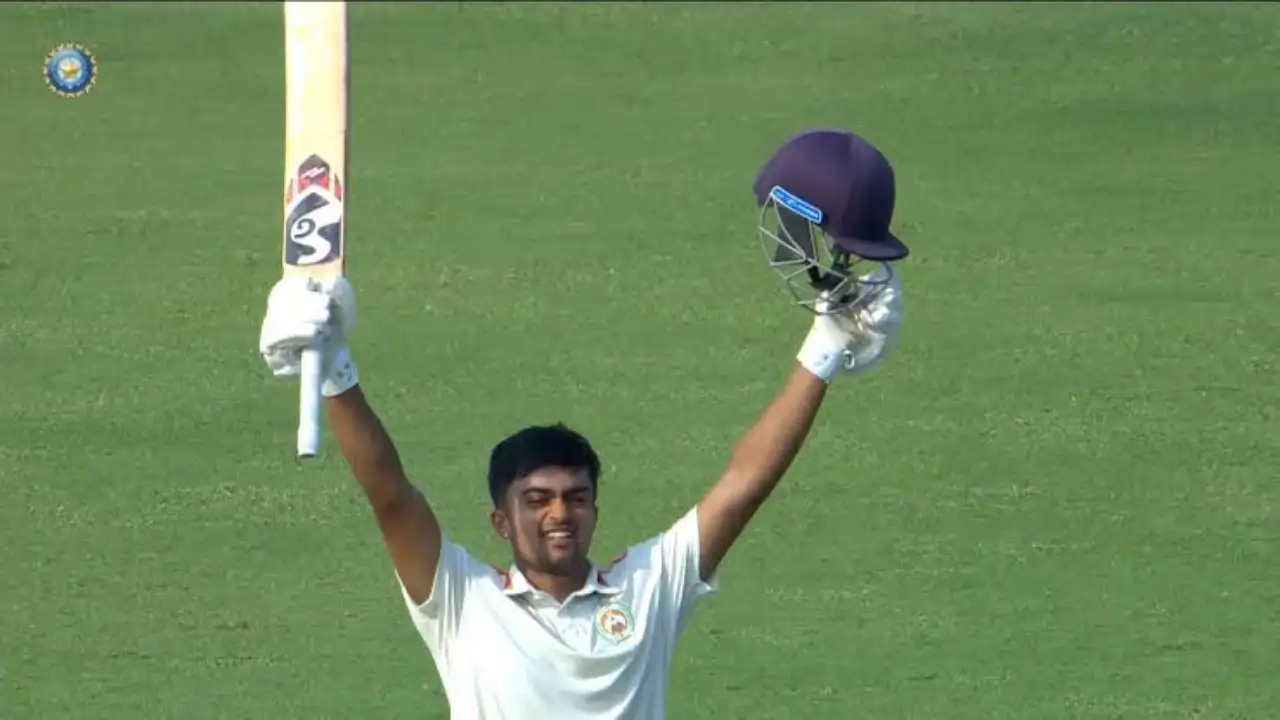
Baroda’s Priyanshu Moliya, 21, scores triple century in Ranji Trophy

‘Feels like Nasser Hussain in Brisbane’: Michael Vaughan slams Australia’s decision to bowl first in Cape Town
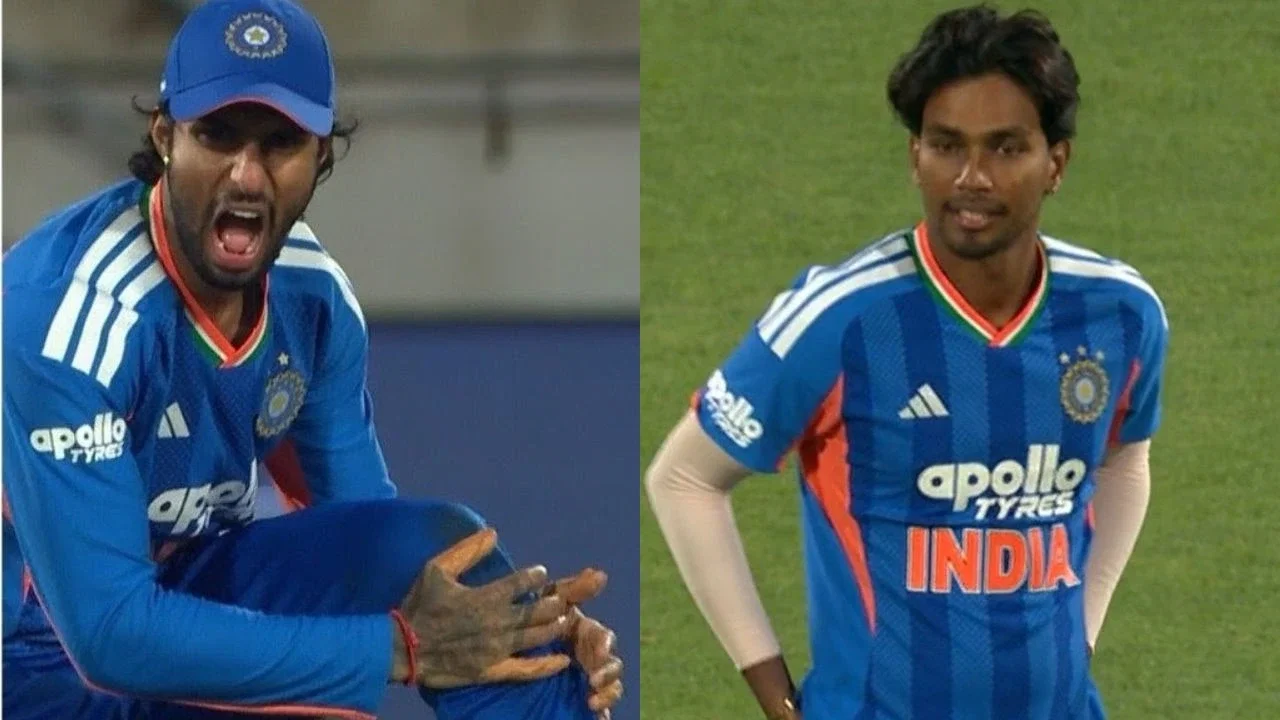
Tilak Varma walks off after knee injury scare during India vs New Zealand 3rd T20I
PCB announces Pakistan squad for ICC Women’s Emerging Nations Trophy 2026