Tilak Varma walks off after knee injury scare during India vs New Zealand 3rd T20I
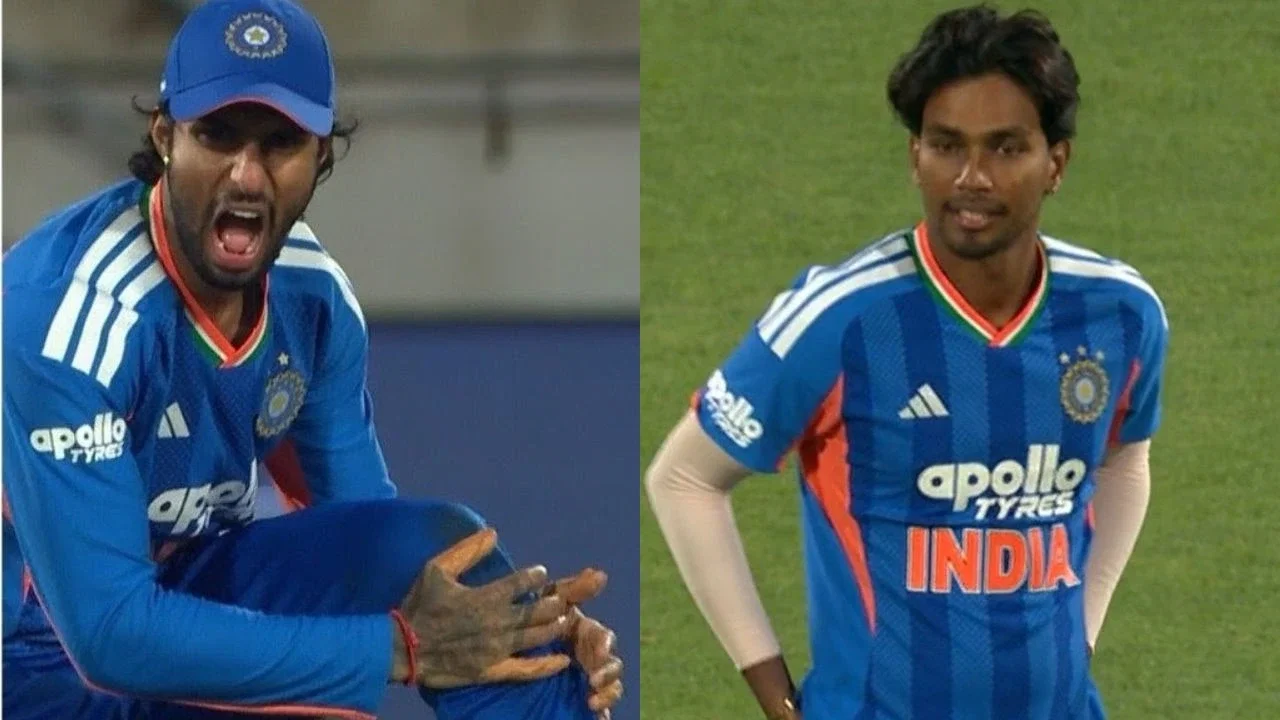
Tilak Varma Injury Scare Puts India on Alert in Third T20I Against New Zealand
India’s third T20I against New Zealand in Wellington was briefly overshadowed by concern over batter and fielder Tilak Varma, who left the field after appearing to hurt his left knee while attempting to stop the ball. The incident happened early in New Zealand’s innings, prompting the team physiotherapist to accompany him off the field. Wicketkeeper Kumar Kushagra came on as a substitute fielder.
There was no immediate confirmation of the injury’s severity, and the early signs did not necessarily point to a serious problem. However, Varma’s condition became an important talking point for India, particularly after his match-winning contribution in the previous game. His availability could matter to the team’s plans for the remainder of the T20I series.
How the knee incident happened
The scare occurred on the second delivery of the third over. Finn Allen pushed a good-length ball from Bhuvneshwar Kumar towards extra cover and set off for a quick single. Varma moved across to intercept it, sliding on the turf as he tried to stop the ball and throw towards the bowler’s end.
As he made the attempt, Varma’s left knee appeared to catch in the ground. He missed the stumps, while Allen made his ground safely. Replays suggested that even a direct throw would not have been enough to complete the run-out. Varma then spoke with the physio before walking off, with Kushagra taking his place in the field.
The incident was an unfortunate reminder of the physical demands of modern T20 cricket. Fielders often have to change direction, dive or slide at speed, and a patch of turf can make those movements unpredictable. For India, the priority was likely to assess Varma carefully rather than risk aggravating a possible injury during the match.
India make an early breakthrough after choosing to bowl
India won the toss and elected to bowl first in the third T20I. The visitors kept the same playing XI, while New Zealand made three changes, bringing in Kyle Jamieson, Matthew Fisher and Adam Milne for Lockie Ferguson, Matt Henry and Nathan Smith.
Bhuvneshwar Kumar found movement with the new ball, and Arshdeep Singh soon gave India an early wicket. Tim Seifert tried to attack Arshdeep’s swinging delivery, moving his front leg and attempting to hit across the line. Instead, he got a top edge that travelled towards backward point. Axar Patel ran in and held the catch despite the windy conditions, sending Seifert back for two.
New Zealand recovered well from the early setback. By the end of the powerplay, the hosts had moved to 58/1, with Finn Allen and Mitchell providing momentum. Both batters reached 24, with Mitchell striking three fours and a six from 14 deliveries. Their response helped New Zealand rebuild after losing Seifert and ensured India had to keep searching for another breakthrough.
Varma’s contrasting starts to the series
Varma’s injury scare came after two very different batting performances in the opening matches. In the first T20I in Christchurch on October 22, he made six from 11 balls while batting at No. 3. He was unable to find a boundary, but India’s other batters kept the chase on track as the visitors successfully pursued a target of 225, winning by four wickets.
He made a far greater impact in the second T20I on October 24. India were under pressure at 70/5 while chasing 181 when Varma arrived at the crease at No. 6. He responded with an unbeaten 51 from just 26 deliveries, including six fours and a six, scoring at a strike rate of 196.15. The innings earned him the Player of the Match award.
Varma’s partnership with Nitish Kumar Reddy proved decisive. The pair added an unbeaten 69 runs from only 30 balls, with Reddy contributing 26 not out. Their late acceleration carried India over the line with one ball remaining, turning a difficult chase into a memorable recovery.
A valuable contributor in the field
Varma’s value to India extends beyond his batting. During the second T20I, he also took two important catches. Those additions brought his total to 26 catches in men’s T20 internationals in 2026, setting a calendar-year record for the most catches by a fielder in the format.
That record highlights why his departure from the field attracted attention even before the extent of the injury was known. Varma has become a useful all-round presence in India’s T20 setup: a flexible batter who can adapt to different positions, as well as an active fielder capable of influencing the game between overs.
What Varma’s fitness could mean for India
Any prediction about Varma’s availability would depend on the team’s medical assessment, and the incident alone does not establish how serious the problem is. India will likely consider his comfort, mobility and ability to field before making decisions about his role in the rest of the series. With the second T20I demonstrating his ability to change a match quickly, even a short absence would be a notable development for the visitors.
For now, the key question is whether Varma’s knee was only briefly affected by the awkward slide or whether further treatment and recovery time will be needed. India will be hoping the precautionary walk-off prevents a minor issue from becoming more serious. His condition is likely to remain a major focus for supporters as the series continues.
The third T20I therefore offered two competing storylines: India’s early success with the ball and concern over one of their most influential recent performers. New Zealand’s powerplay recovery kept the contest alive, while Varma’s injury scare added an unexpected layer of uncertainty. The team’s next update on his fitness should provide a clearer picture of what lies ahead.
Latest News

Ishan Kishan takes a cheeky dig at Abhishek Sharma’s celebration after his 113-run blitz vs New Zealand
“A bowler can control the game”: Bhuvneshwar Kumar takes a stand for bowlers amid batting dominance
Najmul Hossain Shanto makes massive statement on Bangladesh’s WTC 2025-27 final hopes
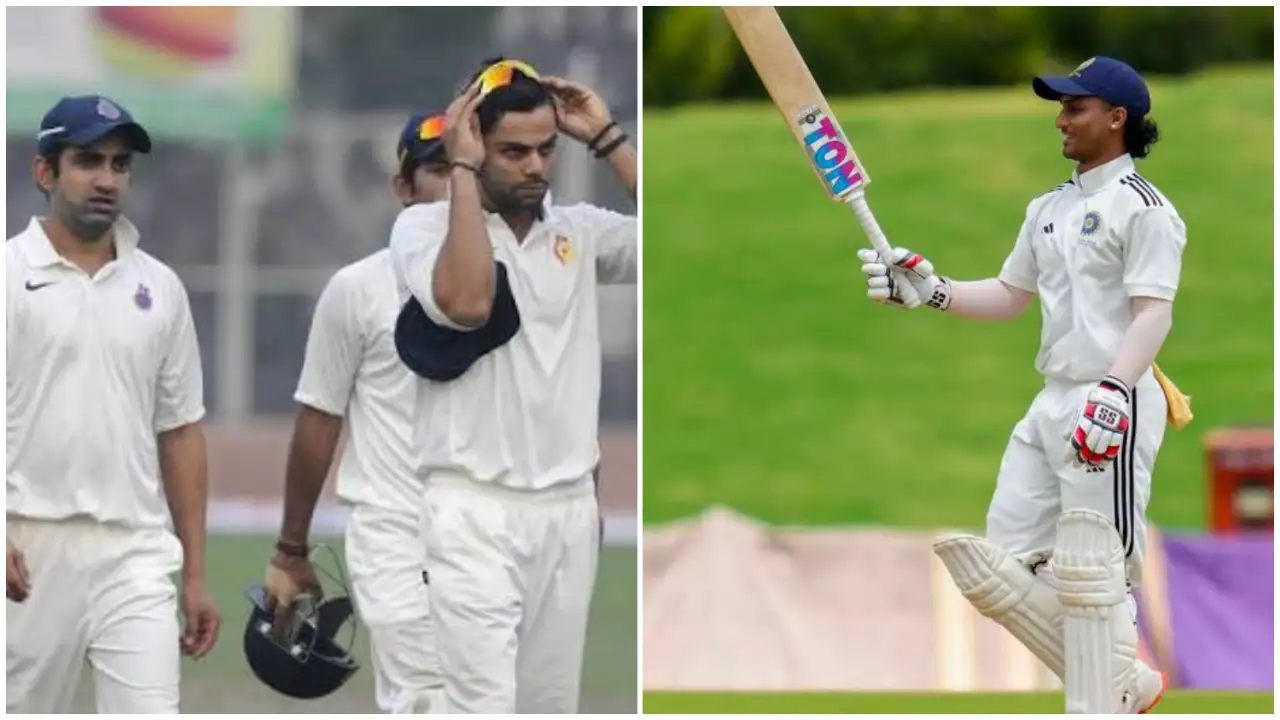
Ayush Badoni joins Virat Kohli, Gautam Gambhir after historic double hundred against Jharkhand
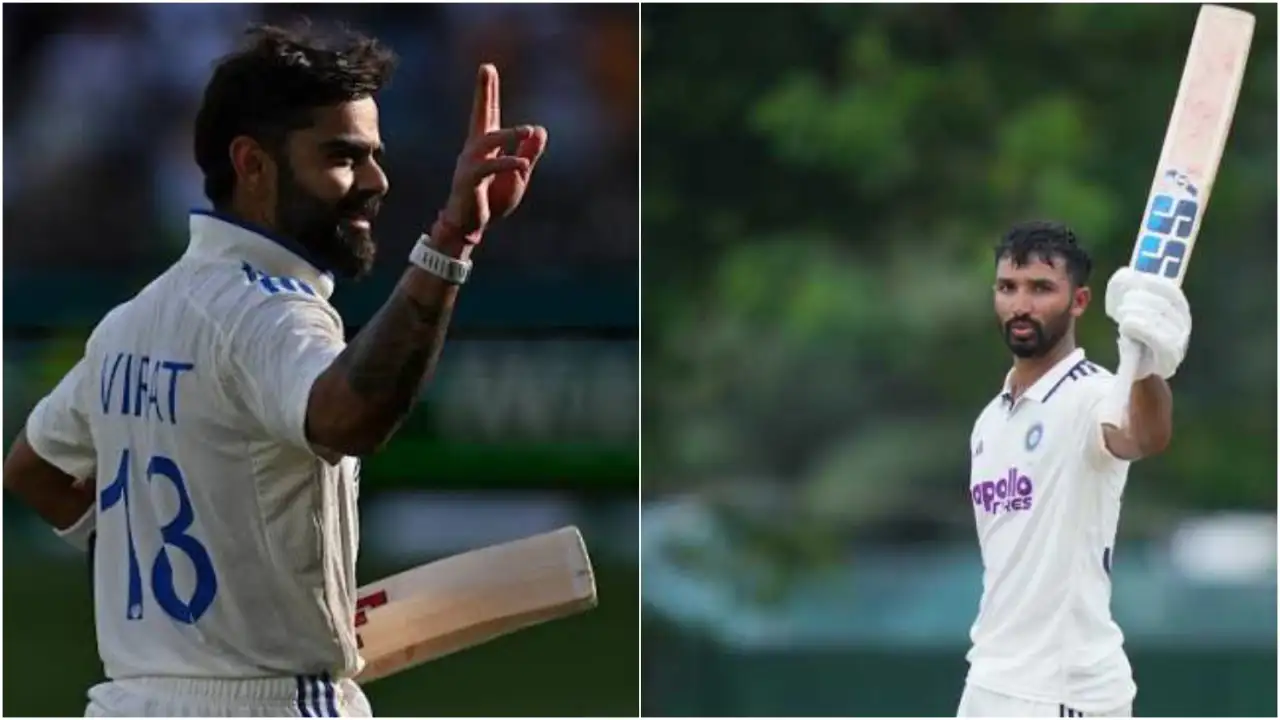
Devdutt Padikkal credits Virat Kohli after scoring 199 runs against New Zealand A
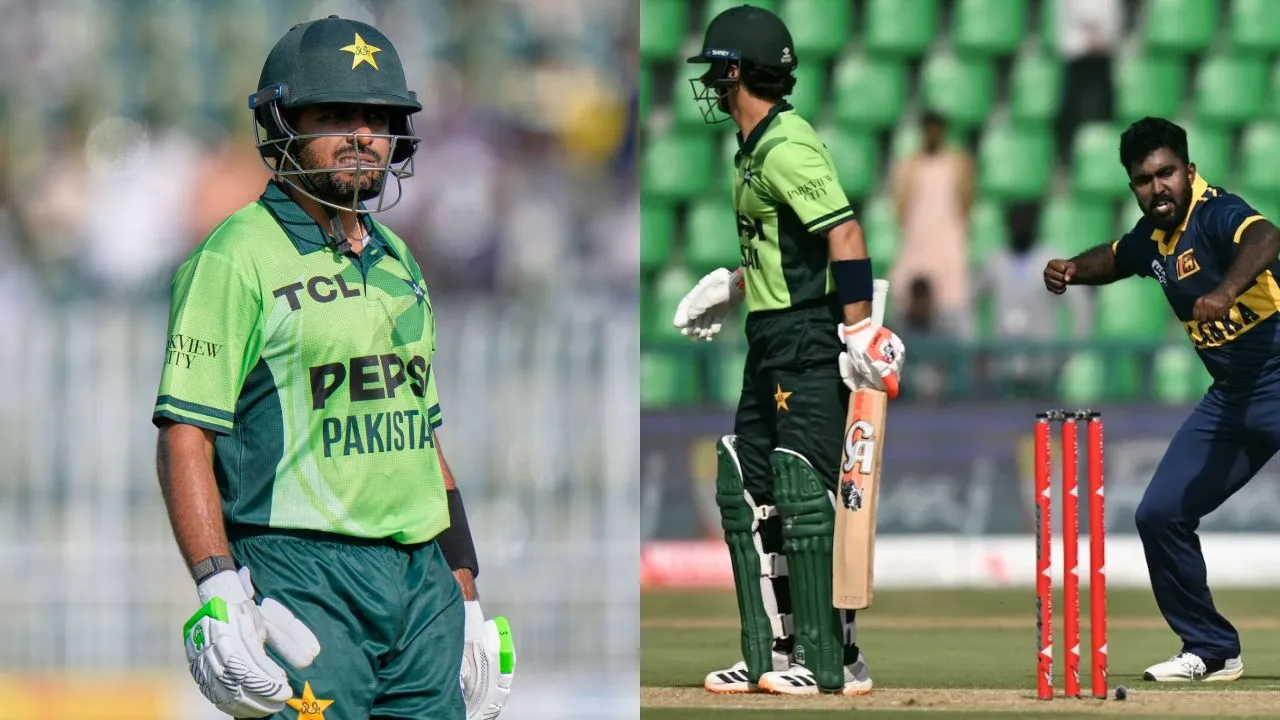
Babar Azam-starrer Pakistan fold for 110 in ODI as India chase 199 in 13.2 overs in T20I on same day
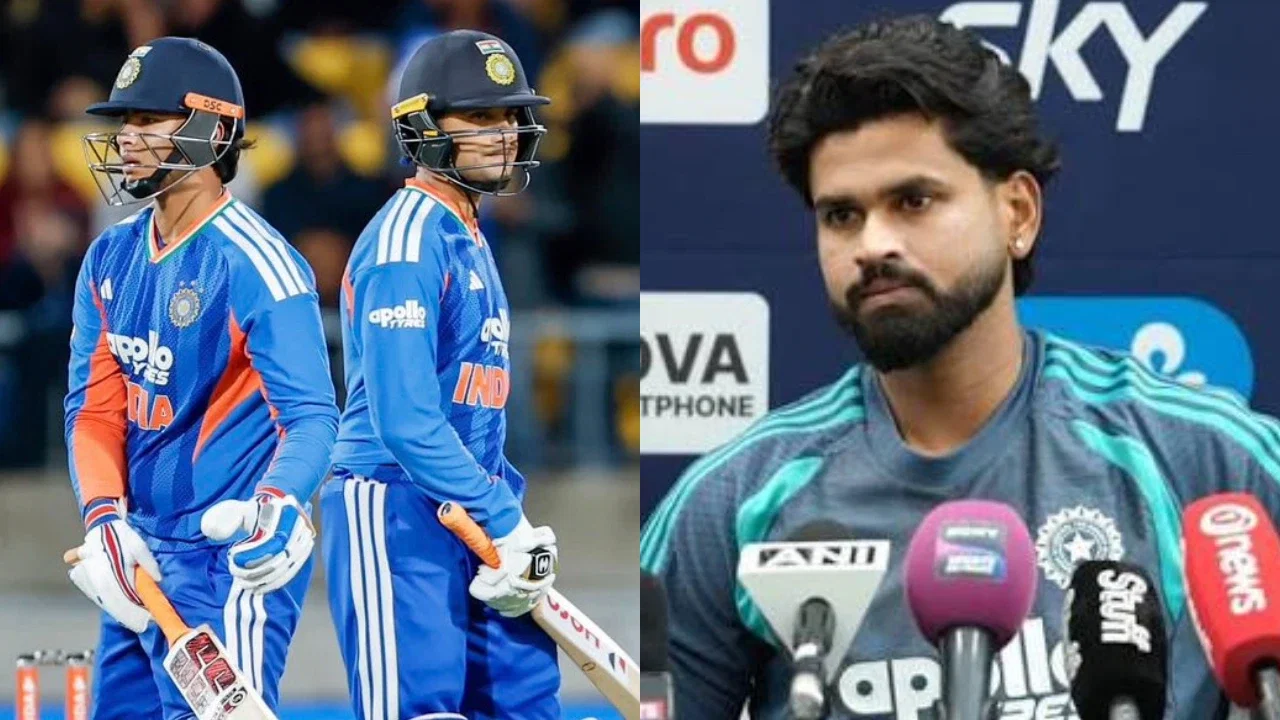
Shreyas Iyer left awestruck by Vaibhav Sooryavanshi and Abhishek Sharma’s carnage hitting in 3rd T20I
‘Just want to win matches for team’: Abhishek Sharma responds to Yuvraj Singh’s ‘No 12-ball 50’ jibe
4, 4, 4, 4! Marques Ackerman hammers Mitchell Starc for four straight boundaries in Cape Town Test
Bhuvneshwar Kumar’s numbers since India comeback raise selection questions
Baroda’s Priyanshu Moliya, 21, scores triple century in Ranji Trophy
‘Feels like Nasser Hussain in Brisbane’: Michael Vaughan slams Australia’s decision to bowl first in Cape Town
Tilak Varma walks off after knee injury scare during India vs New Zealand 3rd T20I
PCB announces Pakistan squad for ICC Women’s Emerging Nations Trophy 2026