Baroda’s Priyanshu Moliya, 21, scores triple century in Ranji Trophy
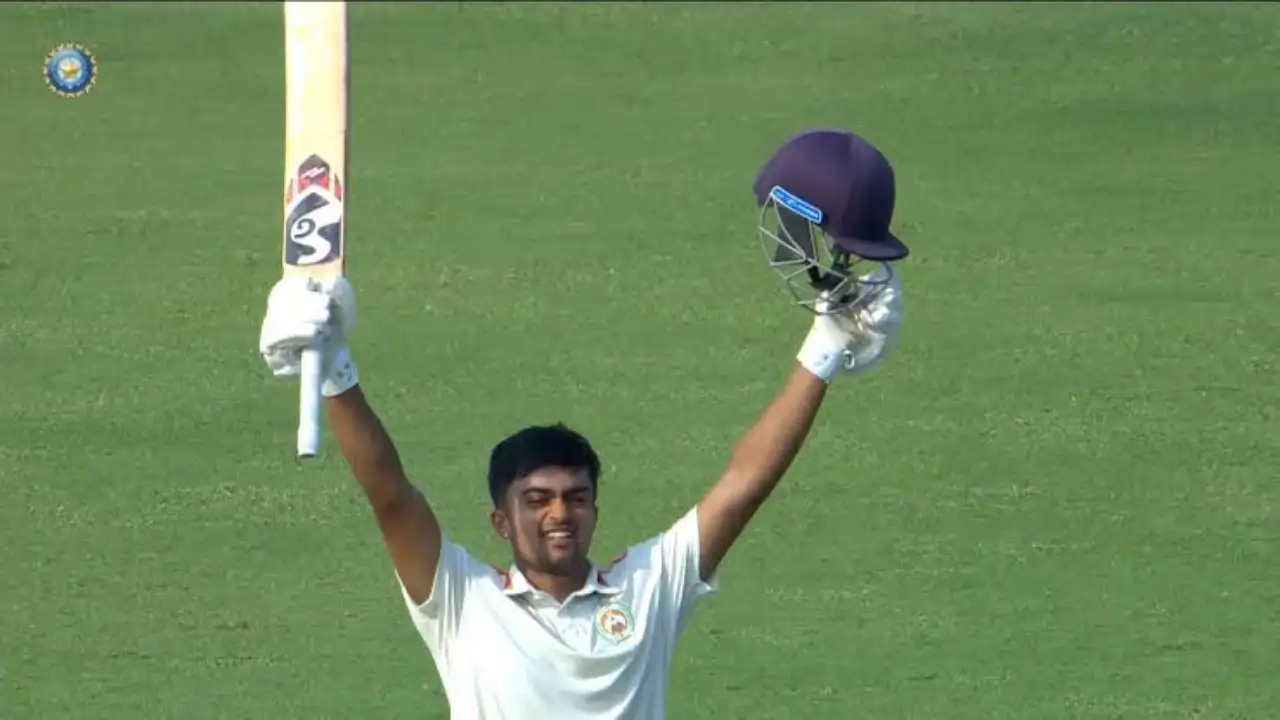
Priyanshu Moliya’s unbeaten 321 puts Baroda in command against Jammu and Kashmir
Baroda batter Priyanshu Moliya produced a career-defining performance in the 2026–27 Ranji Trophy, scoring an unbeaten 321 against defending champions Jammu and Kashmir. The 21-year-old’s marathon innings helped Baroda reach 616 in their first innings at the Reliance Cricket Ground in Vadodara, giving the hosts a formidable platform in the contest.
Moliya’s triple century is a landmark achievement in Indian domestic cricket. He faced 492 deliveries, striking 36 fours and one six, and remained at the crease as wickets fell around him. His innings combined patience with carefully chosen aggression: rather than chasing quick runs, he concentrated on occupying the crease, building partnerships and capitalising when the bowlers offered scoring opportunities.
A place among India’s youngest first-class triple-centurions
At 21 years and 132 days, Moliya became the seventh-youngest Indian batter to score a triple century in first-class cricket, according to the figures cited for the achievement. He is also only the second Baroda player to reach the 300-run mark in a first-class innings.
The list places Moliya among several notable names who made a major impact early in their careers. Wasim Jaffer, who scored his triple century at 18 years and 262 days, remains the youngest player on the list. The other batters include Abhinav Mukund, Rishabh Pant, Arjan Kripal Singh, Cheteshwar Pujara and Srikar Bharat.
Youngest Indian first-class triple-centurions
1. Wasim Jaffer: 18 years, 262 days
2. Abhinav Mukund: 18 years, 302 days
3. Rishabh Pant: 19 years, 92 days
4. Arjan Kripal Singh: 19 years, 342 days
5. Cheteshwar Pujara: 20 years, 290 days
6. Srikar Bharat (KS Bharat): 21 years, 126 days
7. Priyanshu Moliya: 21 years, 132 days
The company is significant not just because of the names involved, but because each player has had to demonstrate the patience and concentration required for long-form cricket. A triple century demands more than a strong start: it calls for sustained decision-making, physical endurance and the ability to reset after every milestone. Moliya’s 492-ball stay showed those qualities across a full day’s work at the crease.
How Moliya built his innings
Speaking to the BCCI after the day’s play, Moliya said his first priority was to stay in and help Baroda recover after losing early wickets. The situation called for a measured approach, with the young batter focusing on partnerships rather than trying to force the pace.
“I was trying to play as long as possible. At the start, wickets had fallen, so I was looking for a partnership,” Moliya said. He described the pitch as good for batting, while noting that the fast bowlers offered some assistance. His response was to play close to his body and remain disciplined, particularly when the ball moved or threatened the outside edge.
As the innings developed, Moliya adjusted to the field. When fielders moved in and a delivery came into his scoring range, he looked to take advantage. That balance—defending carefully while staying alert to opportunities—helped him turn a steady contribution into a triple century. He reached his hundred with a six, but the larger story was the control he showed over the long hours that followed.
Responsibility at the heart of the milestone
Moliya said the pressure of the situation strengthened his resolve. With Baroda losing wickets at regular intervals, he understood that the responsibility had shifted to the batters at the crease to keep the innings moving and prevent a collapse.
“The responsibility was big because wickets were continuously falling,” he explained. “The batters had the responsibility to play long for the team and keep building partnerships.” His comments underline why the innings was so valuable to Baroda: it was not simply a personal milestone, but a response to the demands of the match.
At 616, Baroda’s first-innings total gives the side a substantial score to defend or build upon, depending on how the match unfolds. It also puts pressure on Jammu and Kashmir’s batting line-up to produce a strong reply against a team buoyed by an exceptional individual performance. In a multi-day match, the next phase will be crucial: Baroda will want to use its total to control the tempo, while the defending champions will need to show resilience at the crease.
What the innings could mean for Moliya’s future
A single innings does not determine a player’s career, but performances of this scale can change how a young batter is viewed. Moliya’s triple century is likely to bring increased attention from fans and analysts, while also giving him valuable experience in handling pressure over an extended period. His approach offers a useful prediction of the qualities that may serve him well in future Ranji Trophy campaigns: patience, sound judgement and an ability to take responsibility when his team needs it.
For Baroda, the knock is an encouraging sign of depth and emerging talent. For Moliya, it is a major step forward and a moment that will be remembered in the season’s story. By staying unbeaten on 321 and helping his side pass 600, he transformed a difficult start into a position of strength—and announced himself as one of the most compelling young batters to watch in Indian domestic cricket.
Latest News

Ishan Kishan takes a cheeky dig at Abhishek Sharma’s celebration after his 113-run blitz vs New Zealand
“A bowler can control the game”: Bhuvneshwar Kumar takes a stand for bowlers amid batting dominance
Najmul Hossain Shanto makes massive statement on Bangladesh’s WTC 2025-27 final hopes
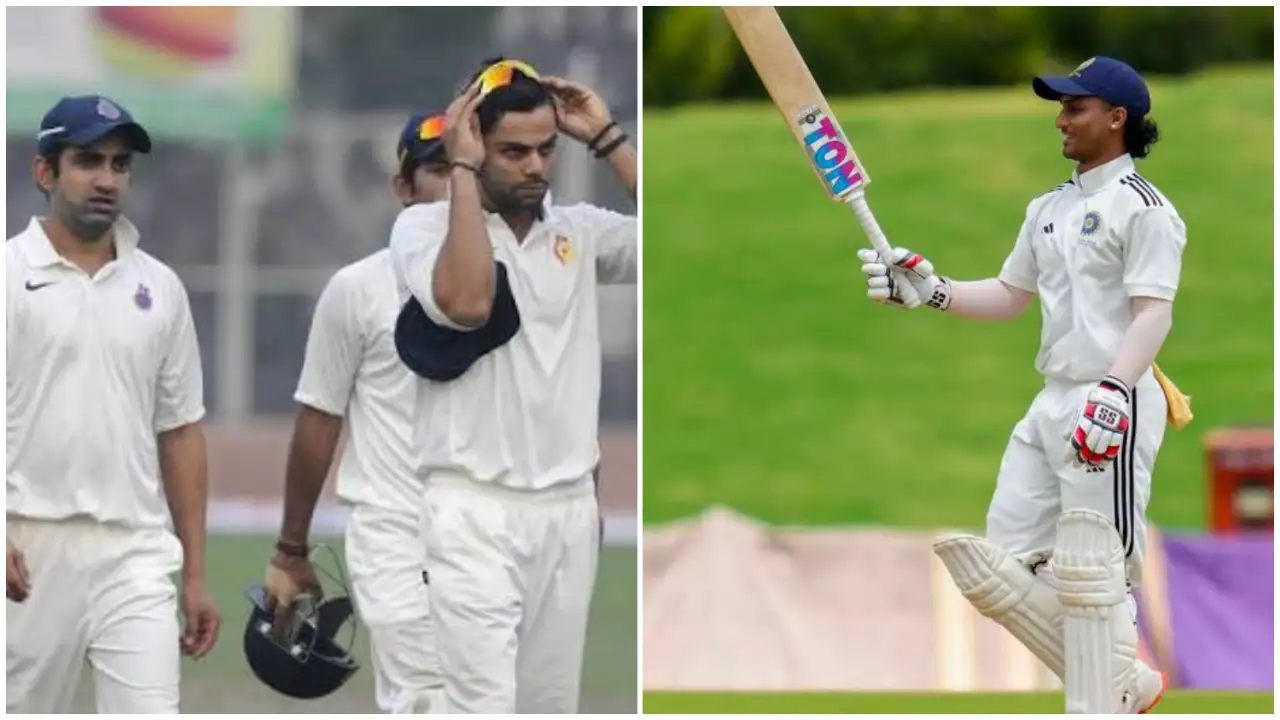
Ayush Badoni joins Virat Kohli, Gautam Gambhir after historic double hundred against Jharkhand
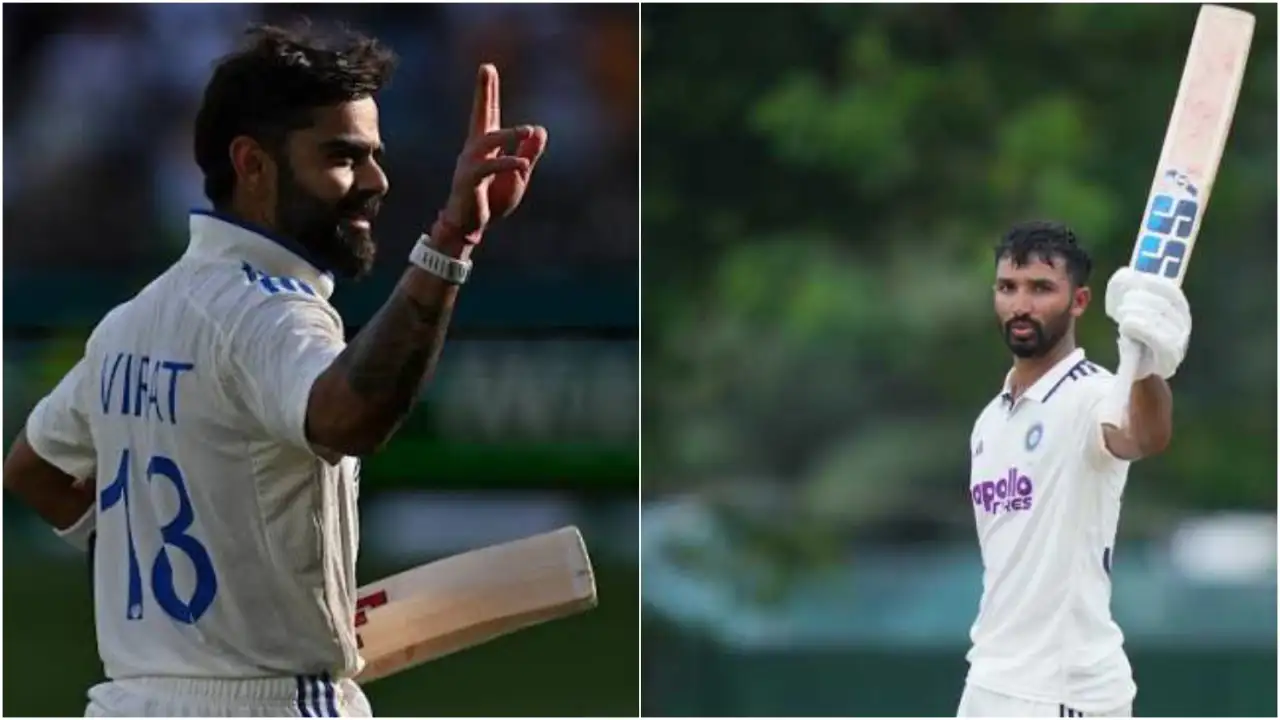
Devdutt Padikkal credits Virat Kohli after scoring 199 runs against New Zealand A
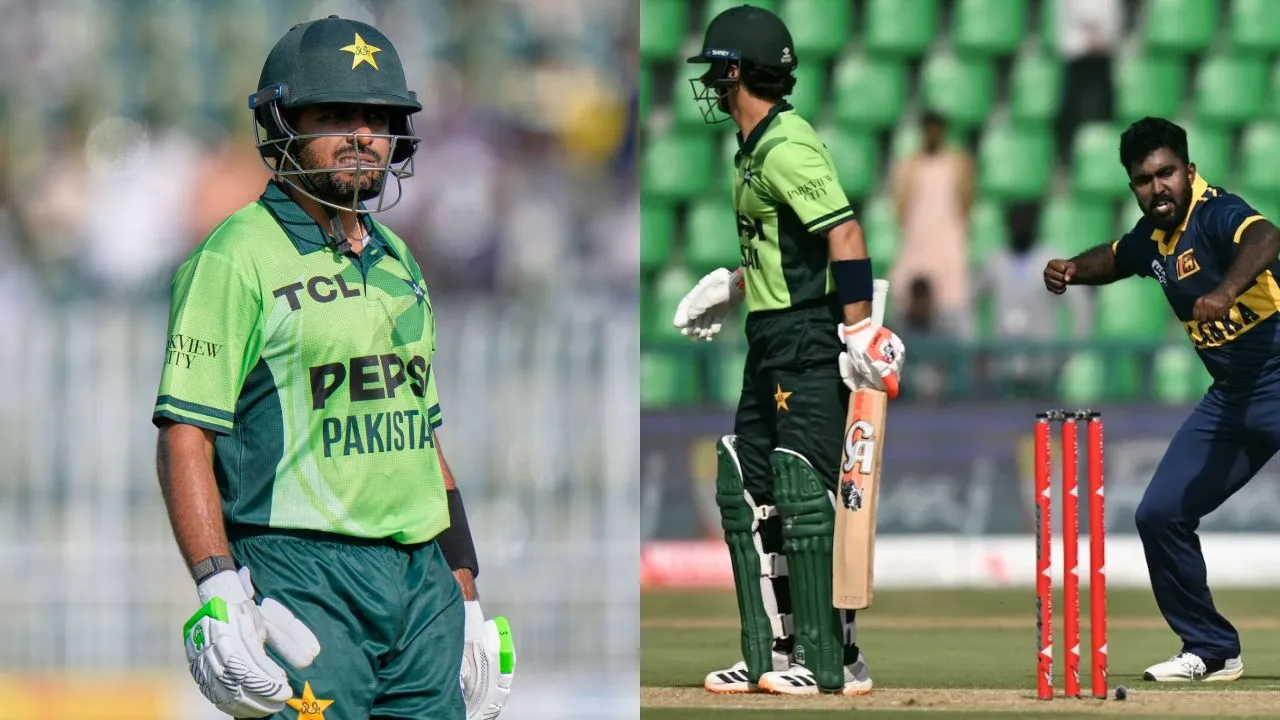
Babar Azam-starrer Pakistan fold for 110 in ODI as India chase 199 in 13.2 overs in T20I on same day
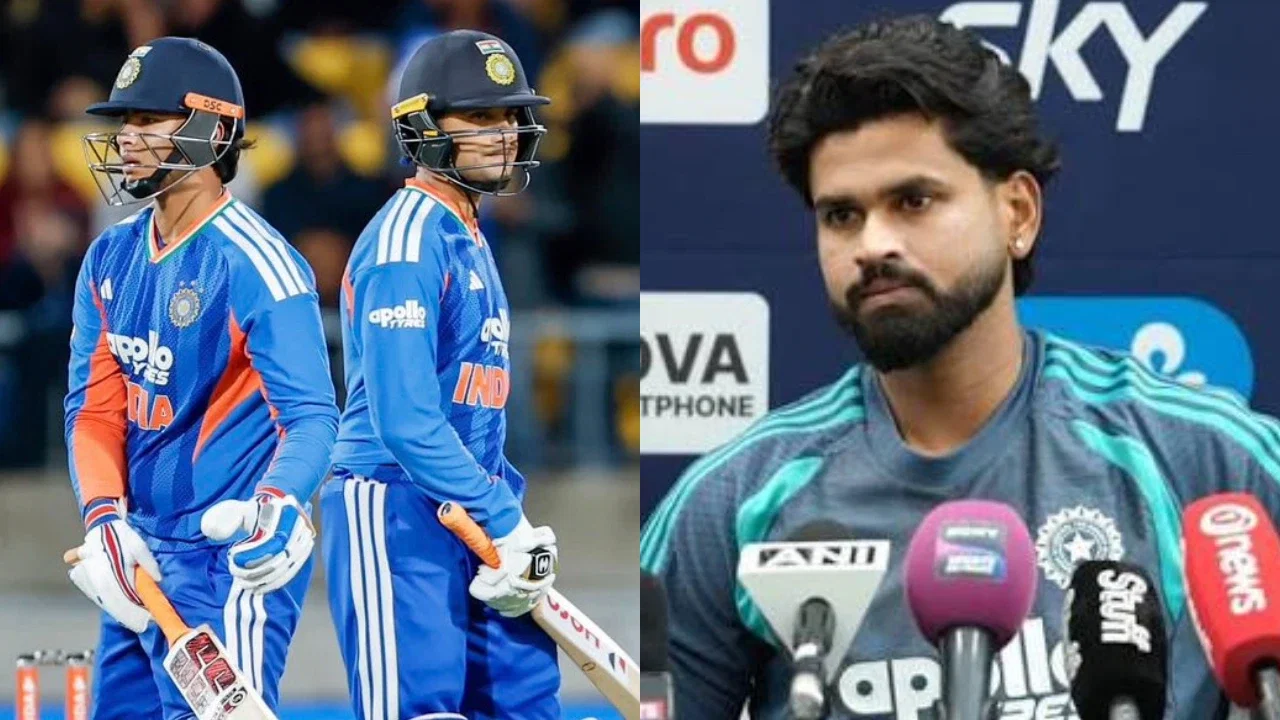
Shreyas Iyer left awestruck by Vaibhav Sooryavanshi and Abhishek Sharma’s carnage hitting in 3rd T20I

‘Just want to win matches for team’: Abhishek Sharma responds to Yuvraj Singh’s ‘No 12-ball 50’ jibe
4, 4, 4, 4! Marques Ackerman hammers Mitchell Starc for four straight boundaries in Cape Town Test
Bhuvneshwar Kumar’s numbers since India comeback raise selection questions
Baroda’s Priyanshu Moliya, 21, scores triple century in Ranji Trophy

‘Feels like Nasser Hussain in Brisbane’: Michael Vaughan slams Australia’s decision to bowl first in Cape Town
Tilak Varma walks off after knee injury scare during India vs New Zealand 3rd T20I
PCB announces Pakistan squad for ICC Women’s Emerging Nations Trophy 2026