Bhuvneshwar Kumar’s numbers since India comeback raise selection questions
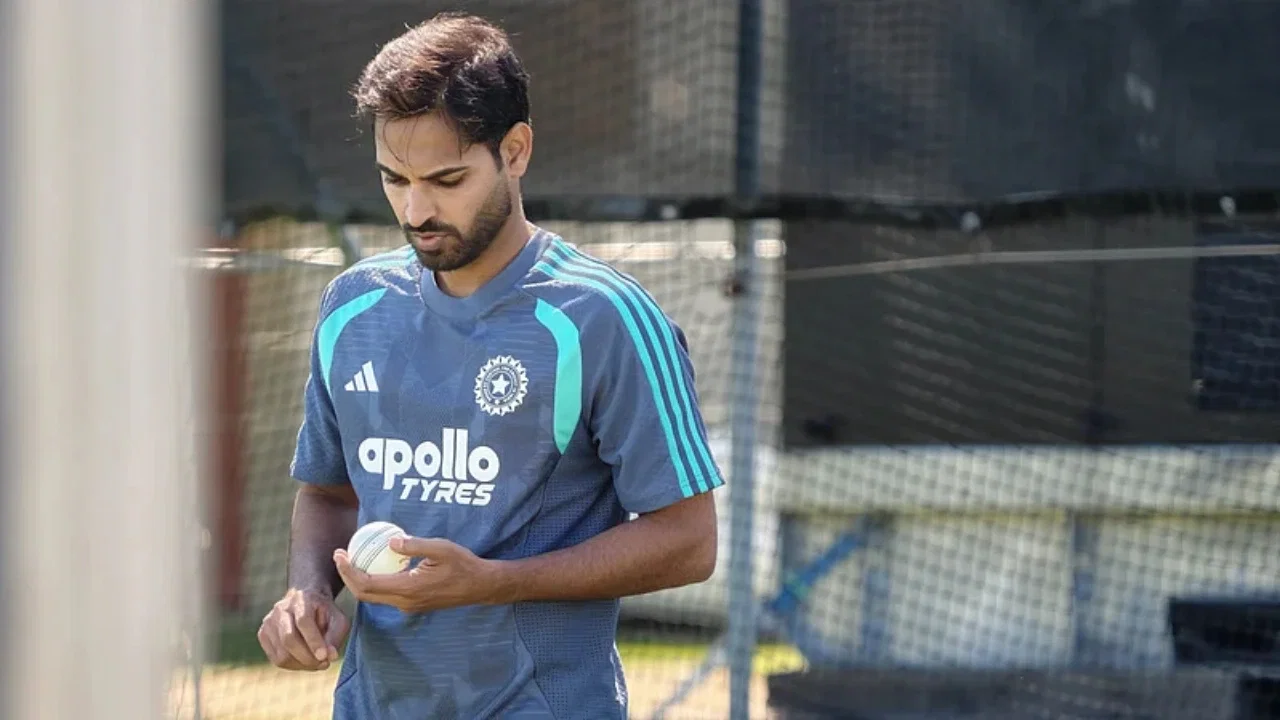
Bhuvneshwar Kumar’s India Comeback Under Pressure After Tough Start Against New Zealand
Bhuvneshwar Kumar’s return to the India national cricket team after an absence of nearly four years was expected to bring experience, control and a familiar threat with the new ball. Instead, the veteran seamer has endured a difficult start to the five-match T20I series against New Zealand, prompting questions about how quickly he can rediscover his international rhythm.
India recalled Bhuvneshwar after a strong run in the Indian Premier League and domestic T20 cricket. His ability to swing the ball, particularly during the powerplay, offered the team a specialist skill as Jasprit Bumrah was rested for the tour. But the early results have been disappointing: Bhuvneshwar has conceded 139 runs in 12 overs across his first three appearances, taking one wicket.
The figures make for uncomfortable reading, though they do not tell the whole story. A long break from international cricket, unfamiliar conditions and the pressure of a high-profile comeback can all affect a bowler’s timing and confidence. The central question for India is whether this is a temporary adjustment period or a sign that Bhuvneshwar’s best international form is behind him.
Bhuvneshwar Kumar’s Numbers in the New Zealand T20I Series
Bhuvneshwar’s first outing came in Christchurch, where he conceded 49 runs without taking a wicket. He was again expensive in the second T20I at Hagley Oval, giving away 50 runs, although he did claim one wicket. In the third match, in Wellington, he conceded 40 runs in his four overs and finished wicketless.
Across those three games, the 36-year-old has struggled to contain New Zealand’s batters. That is a concern for a bowler whose reputation has been built not only on swing but also on accuracy and the ability to make batters work for their runs. India would have hoped he could use movement early in the innings to create pressure and provide breakthroughs.
However, three matches are a small sample—especially after such a lengthy absence from the international stage. T20 cricket can quickly magnify an expensive over, while a batter’s aggressive approach may reduce the margin for error. The remaining games will offer a more useful indication of whether Bhuvneshwar can adjust his lengths, vary his pace and regain control.
Why India Recalled Bhuvneshwar Kumar
The recall was based on recent performances, rather than reputation alone. Bhuvneshwar had been a significant contributor for Royal Challengers Bengaluru during their reported back-to-back IPL title-winning campaigns in 2025 and 2026. He took 17 wickets in the 2025 season and followed that with 28 in 2026, demonstrating that he could still be effective in the shortest format.
He also remained active in domestic cricket. In the 2025–26 Syed Mushtaq Ali Trophy, he claimed eight wickets in seven matches. He then took 14 wickets in 11 appearances in the Uttar Pradesh T20 League in 2026. Those returns suggested that he could still take wickets and contribute regularly in competitive T20 environments.
India’s selection decision also reflected the value of experience within a developing bowling group. With Bumrah unavailable for the series, Bhuvneshwar offered a different kind of option: a right-arm seamer capable of moving the new ball and sharing his knowledge with younger players. His record in powerplay bowling made him an appealing choice for conditions where early movement might be available.
Former New Zealand captain Tim Southee had backed Bhuvneshwar to make an impact in the series, highlighting the respect the Indian bowler continues to command. That support, however, also underlines the gap between his established reputation and the results he has produced so far on this tour.
Nervousness or a Decline in Form?
India bowling coach Morne Morkel has suggested that nerves, rather than a loss of skill, may be contributing to Bhuvneshwar’s difficulties. A comeback after almost four years can carry unusual pressure: every spell invites comparison with past performances, while the bowler must also adapt to the pace and tactics of the current international game.
Bhuvneshwar’s core strengths—swing, changes of pace and an understanding of how to set up batters—have not disappeared simply because his first few outings have been expensive. But international batters are quick to punish predictable lines, particularly in T20 cricket. To make his experience count, he may need to vary his release, use the crease more effectively and avoid offering predictable scoring opportunities at the death.
Conditions are another factor. New Zealand’s grounds and weather can offer movement, but that does not guarantee success. Batters who attack early can disrupt a seamer’s preferred rhythm, and a bowler returning to international cricket may need time to judge how much swing is available and how much pace to take off the ball.
Should India Persist With Bhuvneshwar After the Series?
India should assess Bhuvneshwar’s full body of work rather than make a long-term decision based solely on the opening three matches. His recent IPL and domestic record provided a credible basis for selection, and a handful of difficult spells should not automatically erase those performances. At the same time, his selection cannot rest on past achievements alone: he will need to show that he can adapt and deliver under current international conditions.
The remaining matches are important for both player and team. Bhuvneshwar can use them to rebuild confidence, demonstrate greater control and show whether his swing remains a reliable weapon against top-level batters. India’s management, meanwhile, can assess his role more clearly—whether as a powerplay specialist, a senior option for selected conditions or a mentor whose value extends beyond his immediate figures.
Prediction: What Could Happen Next?
The most balanced prediction is that Bhuvneshwar will receive further opportunities during the New Zealand series, but his place beyond the tour will depend on how he responds. If he produces a disciplined spell and finds a way to take wickets, India may continue to consider him for future T20I assignments, particularly when conditions favour swing. If the expensive overs continue, selectors may turn toward younger seamers with stronger recent international returns.
For now, the comeback remains a work in progress. Bhuvneshwar’s numbers have raised legitimate concerns, but his recent form before the recall explains why India took the risk. The next stage is about translating domestic success into international impact—and proving that experience, movement and control can still make him a valuable part of India’s T20 bowling attack.
Latest News

Ishan Kishan takes a cheeky dig at Abhishek Sharma’s celebration after his 113-run blitz vs New Zealand
“A bowler can control the game”: Bhuvneshwar Kumar takes a stand for bowlers amid batting dominance
Najmul Hossain Shanto makes massive statement on Bangladesh’s WTC 2025-27 final hopes
Ayush Badoni joins Virat Kohli, Gautam Gambhir after historic double hundred against Jharkhand
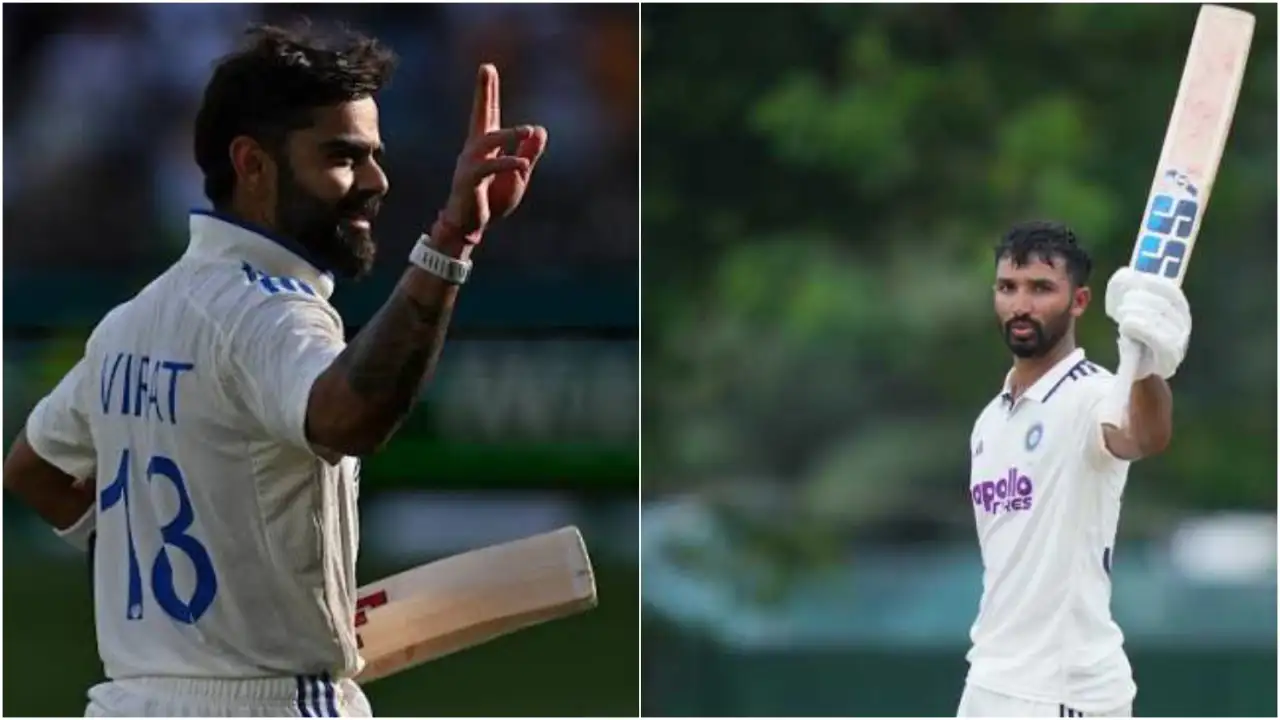
Devdutt Padikkal credits Virat Kohli after scoring 199 runs against New Zealand A
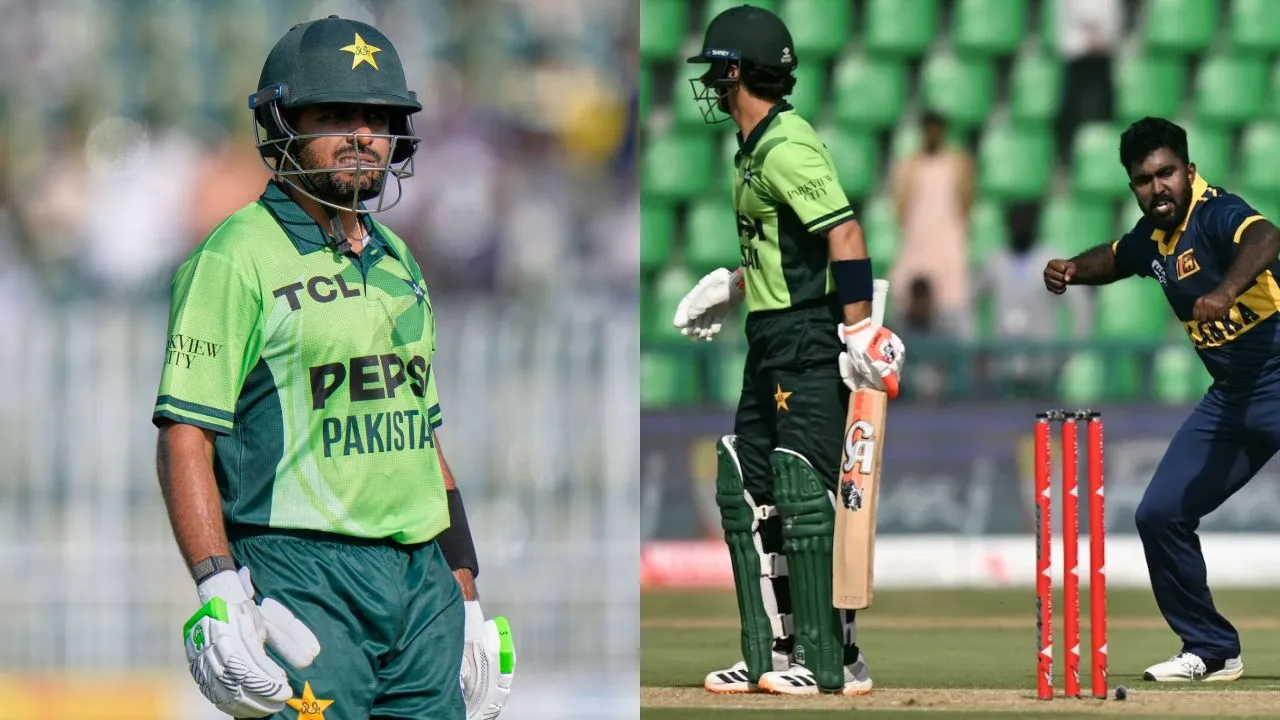
Babar Azam-starrer Pakistan fold for 110 in ODI as India chase 199 in 13.2 overs in T20I on same day
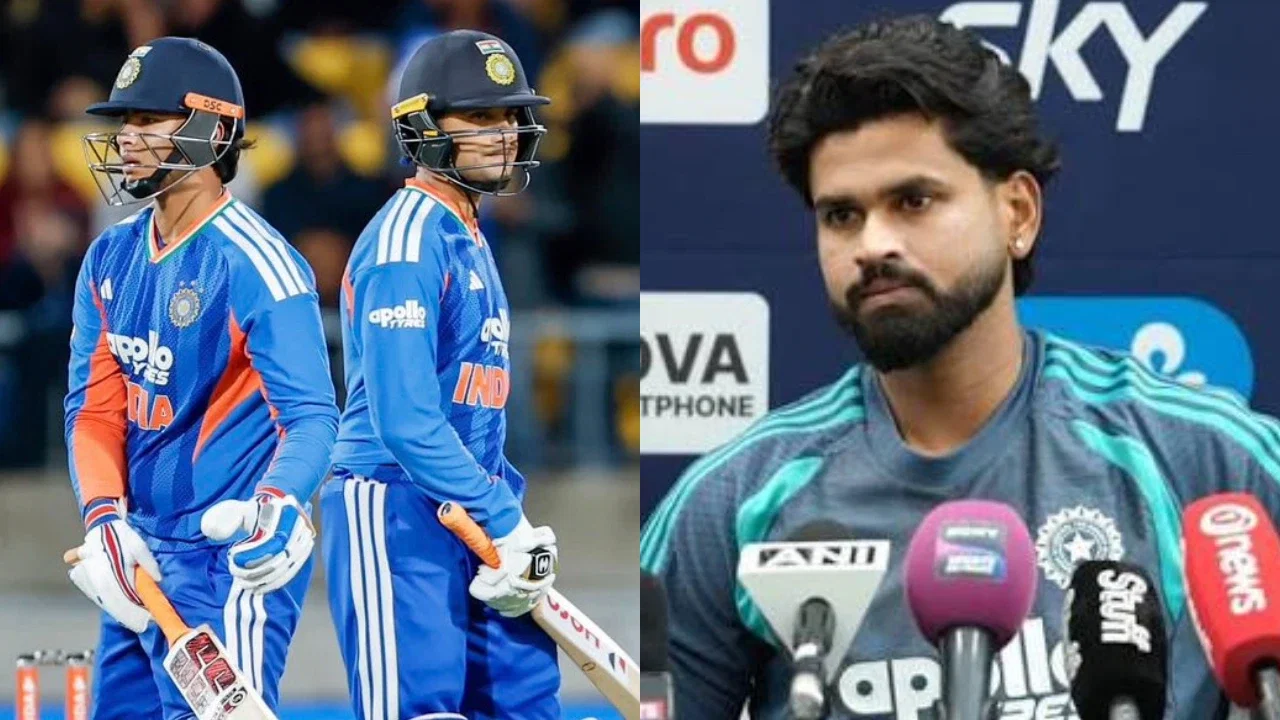
Shreyas Iyer left awestruck by Vaibhav Sooryavanshi and Abhishek Sharma’s carnage hitting in 3rd T20I
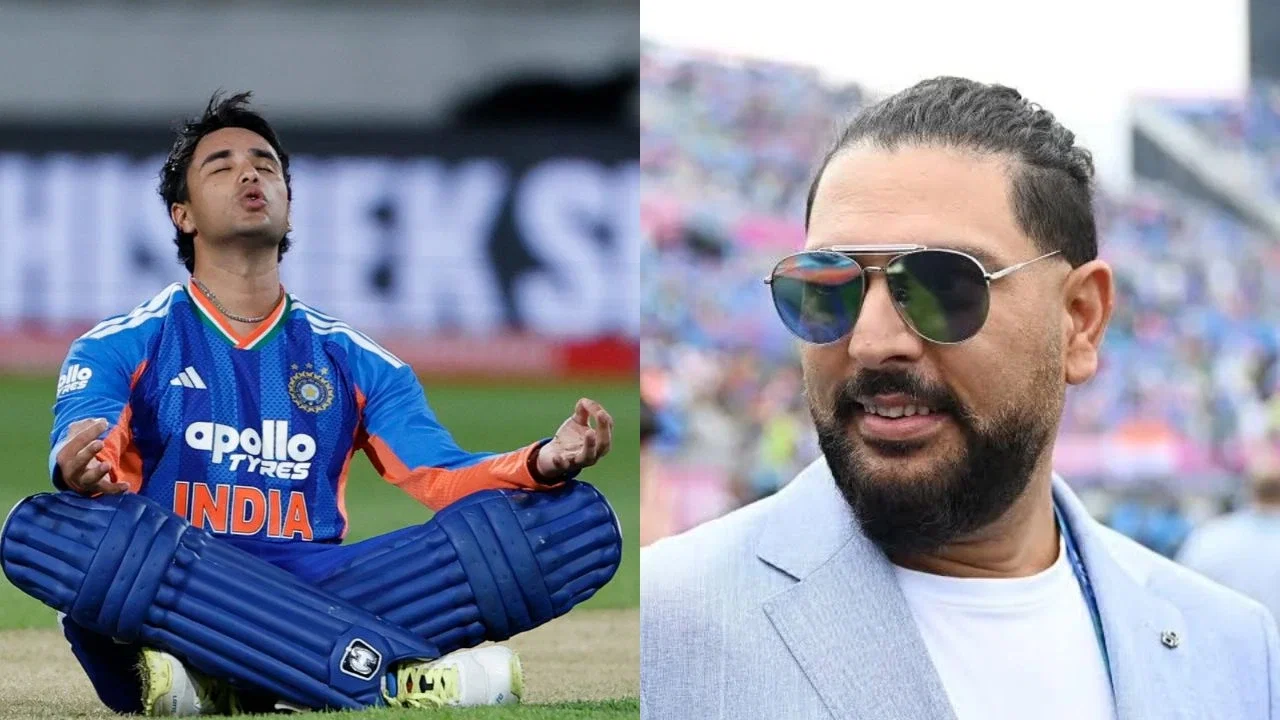
‘Just want to win matches for team’: Abhishek Sharma responds to Yuvraj Singh’s ‘No 12-ball 50’ jibe
4, 4, 4, 4! Marques Ackerman hammers Mitchell Starc for four straight boundaries in Cape Town Test
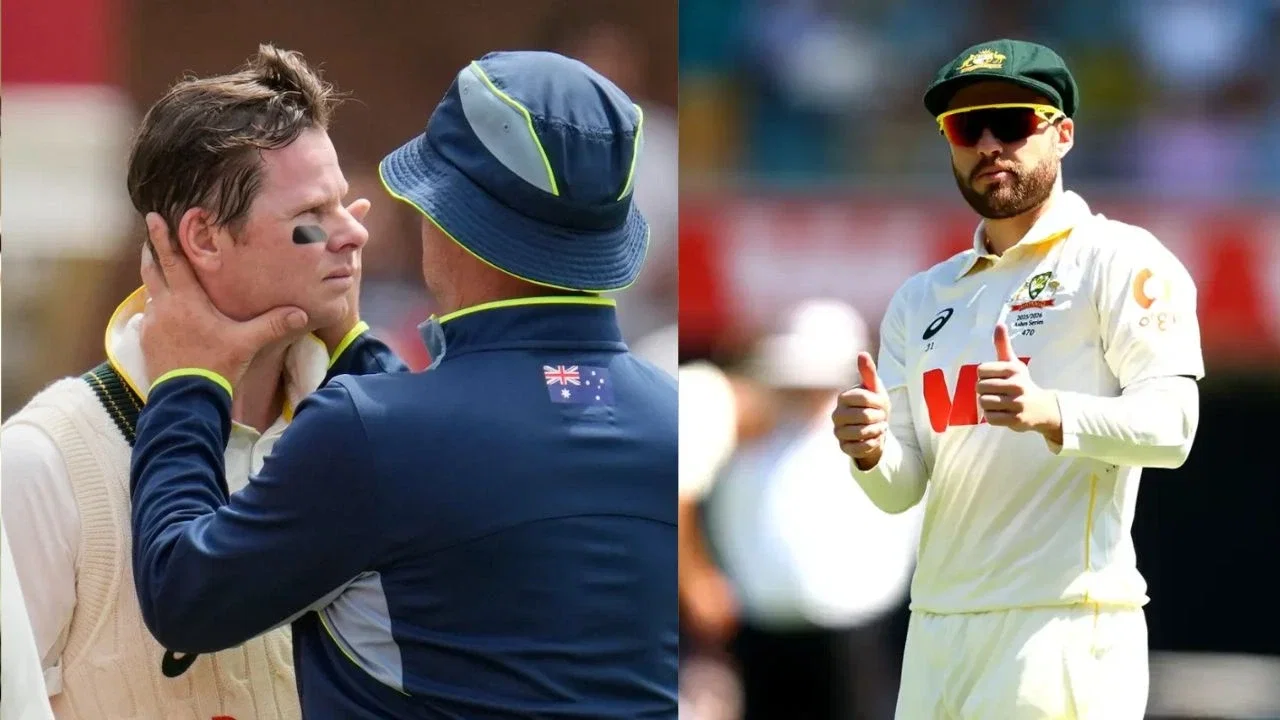
Bhuvneshwar Kumar’s numbers since India comeback raise selection questions
Baroda’s Priyanshu Moliya, 21, scores triple century in Ranji Trophy
‘Feels like Nasser Hussain in Brisbane’: Michael Vaughan slams Australia’s decision to bowl first in Cape Town
Tilak Varma walks off after knee injury scare during India vs New Zealand 3rd T20I
PCB announces Pakistan squad for ICC Women’s Emerging Nations Trophy 2026