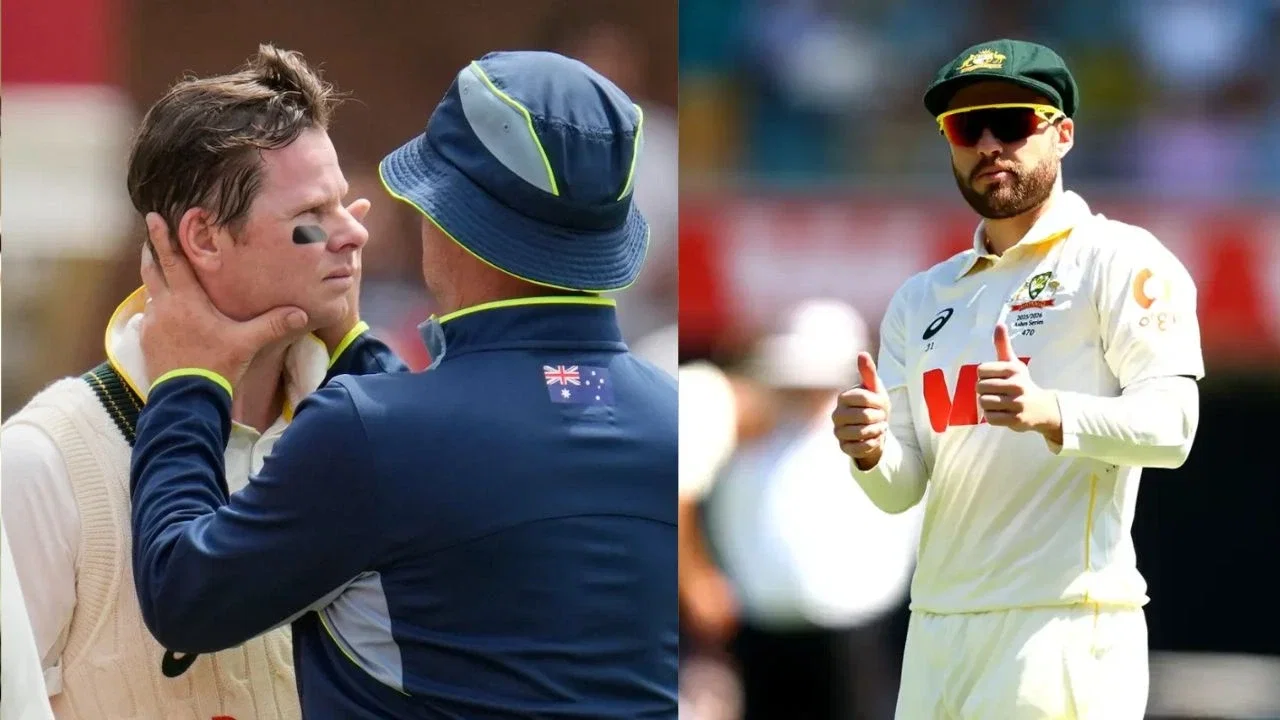
Ayush Badoni joins Virat Kohli, Gautam Gambhir after historic double hundred against Jharkhand
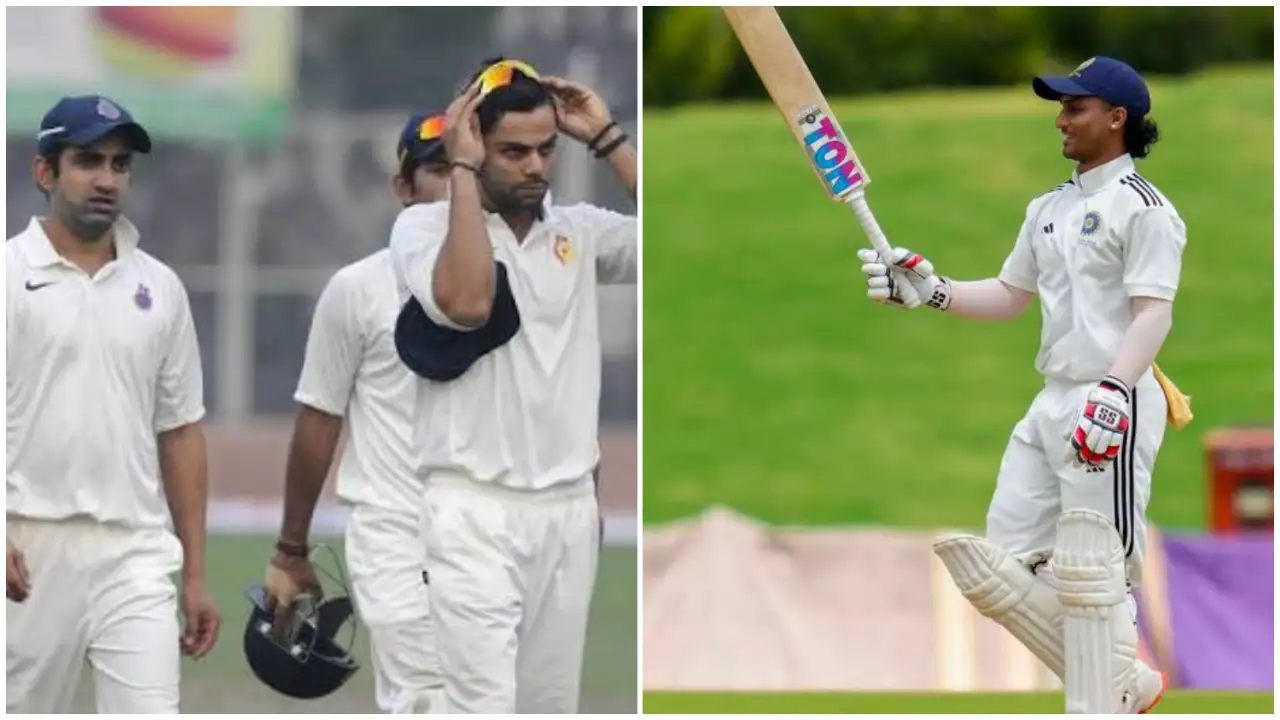
Ayush Badoni’s Second Consecutive Double Century Puts Delhi in Command Against Jharkhand
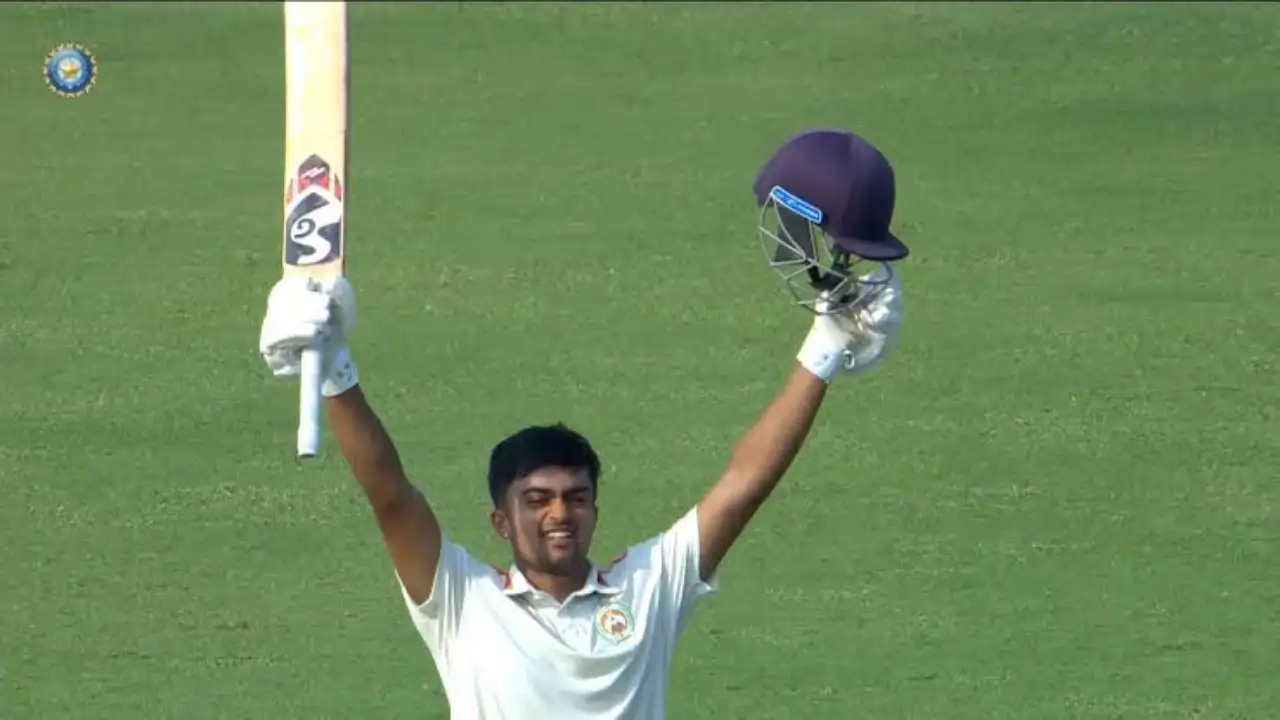
Delhi captain Ayush Badoni has produced a remarkable performance in the 2026–27 Ranji Trophy, scoring his second double century in as many matches and placing his name alongside some of the capital’s most celebrated batters. His unbeaten 210 against Jharkhand helped Delhi declare at 515 and build a commanding position in their match at the JSCA International Stadium Complex in Ranchi.
The innings follows Badoni’s 217 against Gujarat in Delhi’s previous fixture. With two consecutive double hundreds, the middle-order batter has delivered a timely reminder of his ability to shape long-format matches—and strengthened the case for his name to feature in future discussions about India’s Test prospects.
Badoni joins an elite group of Delhi batters
Badoni reached his latest milestone with an assured display of patience and attacking intent, making 210 not out from 228 deliveries. He handled both pace and spin confidently, keeping the scoreboard moving while giving Delhi the platform to declare on 515.
By scoring double centuries in consecutive matches, Badoni has matched a rare achievement associated with Delhi greats Virat Kohli and Gautam Gambhir. The feat places him among a select group of Indian batters to record back-to-back double hundreds in first-class cricket. According to the figures cited for the achievement, he is the 21st Indian batter to do so.
Badoni’s run also recalls the achievement of Goa batter Snehal Kauthankar, who made consecutive double centuries during the 2024–25 Ranji Trophy season. Kauthankar became the first Goa representative to accomplish the feat in back-to-back matches, underlining how domestic cricket continues to produce exceptional performances beyond the most established teams.
A partnership that transformed Delhi’s innings
Badoni did not build Delhi’s commanding total alone. He shared a 334-run partnership with Sumit Mathur, whose unbeaten 150 came from 253 balls. The stand gave Delhi control of the innings and allowed the team to declare with a substantial total on the board.
The partnership was especially valuable given Delhi’s position in the competition. The team had started its Ranji Trophy campaign with a defeat and a draw, making a strong result against Jharkhand important as it looks to secure its first win of the season. Badoni’s contribution provided both runs and time: Delhi could apply pressure with the ball while still leaving itself a realistic opportunity to force a result.
Delhi seize control as Jharkhand lose early wickets
Delhi carried a 384-run lead into the end of Day 2. Jharkhand had already lost four wickets, leaving the hosts with significant work to do when play resumes. Utkarsh Singh and Shubh Sharma were set to continue for Jharkhand on Day 3, with the batting side needing a resilient effort to prevent Delhi from tightening its grip on the match.
Badoni has contributed with the ball as well, using his part-time bowling to take wickets. While his batting remains the headline, that added involvement could prove useful in a match where Delhi are looking to convert a strong first-innings position into a victory. The next phase will depend on whether the visitors can maintain pressure and whether Jharkhand’s remaining batters can build a substantial response.
Priyank Panchal praises Badoni’s all-round batting skill
Former India batter Priyank Panchal praised Badoni’s performance, particularly his ability to manage different bowling styles. Panchal noted that quality middle-order batters who can cope equally well with pace and spin are valuable assets in domestic cricket—and that sustained performances can create opportunities at the highest level.
“Ayush Badoni with a 210 against Jharkhand. I’m glad that quality middle order batters, who tackle spin and pace equally well, are emerging from the ranks in Ranji cricket lately,” Panchal wrote on X. He added that rewarding such players can benefit the national team, pointing to Devdutt Padikkal’s opportunities after strong domestic performances.
Padikkal’s recent Test appearances have renewed attention on the pathway from the Ranji Trophy to the India side. His example does not guarantee a call-up for Badoni, but it illustrates why consistent domestic form matters when selectors assess players for longer-format cricket.
Could Badoni earn an India call-up?
Two double centuries in consecutive matches are a compelling statement, but a national selection prediction would depend on more than one outstanding run of form. Selectors typically weigh consistency across a larger body of performances, the demands of the role, team balance and how a player responds in different conditions. Badoni’s current form, however, gives him a strong platform to keep attracting attention.
His innings against Jharkhand showed qualities that matter in first-class cricket: concentration over long periods, the ability to score at a healthy rate and composure against both fast and slow bowling. Those traits are particularly relevant for a middle-order batter, whose role can involve rebuilding after early wickets or accelerating once a foundation has been laid.
For now, Delhi’s immediate priority is to turn Badoni’s landmark performance into a match victory. If the team can finish the job against Jharkhand, the result would give its Ranji Trophy campaign a valuable lift. For Badoni, the unbeaten 210 is another major step in a season that is quickly becoming one of the most notable of his first-class career.
Latest News

Ishan Kishan takes a cheeky dig at Abhishek Sharma’s celebration after his 113-run blitz vs New Zealand
“A bowler can control the game”: Bhuvneshwar Kumar takes a stand for bowlers amid batting dominance
Najmul Hossain Shanto makes massive statement on Bangladesh’s WTC 2025-27 final hopes
Ayush Badoni joins Virat Kohli, Gautam Gambhir after historic double hundred against Jharkhand
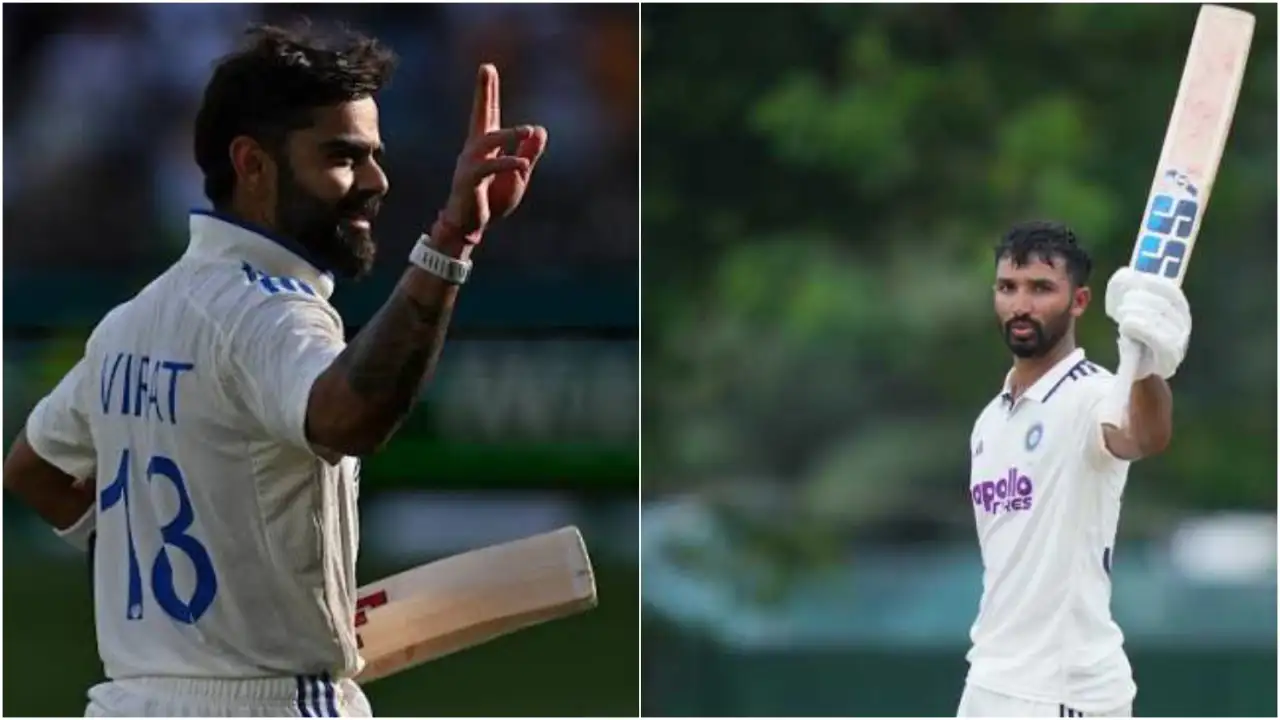
Devdutt Padikkal credits Virat Kohli after scoring 199 runs against New Zealand A
Babar Azam-starrer Pakistan fold for 110 in ODI as India chase 199 in 13.2 overs in T20I on same day
Shreyas Iyer left awestruck by Vaibhav Sooryavanshi and Abhishek Sharma’s carnage hitting in 3rd T20I
‘Just want to win matches for team’: Abhishek Sharma responds to Yuvraj Singh’s ‘No 12-ball 50’ jibe

4, 4, 4, 4! Marques Ackerman hammers Mitchell Starc for four straight boundaries in Cape Town Test
Bhuvneshwar Kumar’s numbers since India comeback raise selection questions
Baroda’s Priyanshu Moliya, 21, scores triple century in Ranji Trophy

‘Feels like Nasser Hussain in Brisbane’: Michael Vaughan slams Australia’s decision to bowl first in Cape Town
Tilak Varma walks off after knee injury scare during India vs New Zealand 3rd T20I
PCB announces Pakistan squad for ICC Women’s Emerging Nations Trophy 2026