Shreyas Iyer left awestruck by Vaibhav Sooryavanshi and Abhishek Sharma’s carnage hitting in 3rd T20I
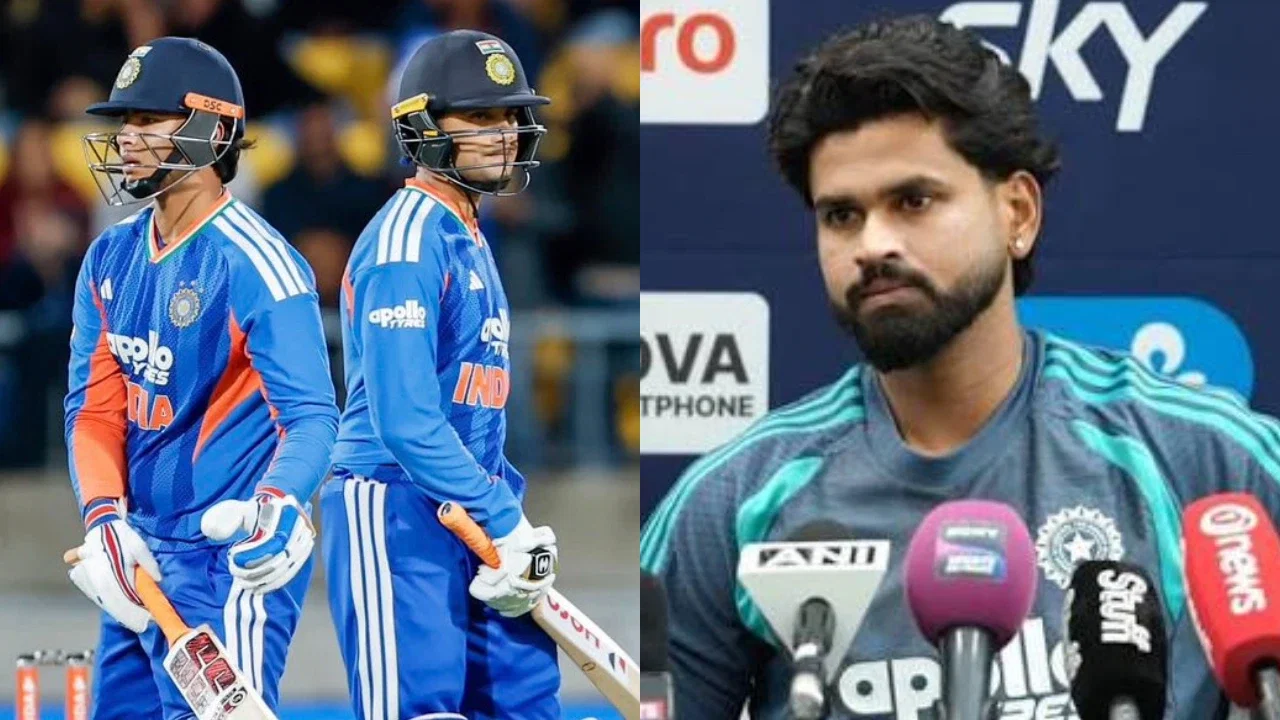
India Seal T20I Series Against New Zealand After Record-Breaking Wellington Chase
India produced a breathtaking batting performance to defeat New Zealand by six wickets in the third T20I in Wellington on October 27, chasing 199 with 40 balls to spare. Abhishek Sharma’s explosive century and Vaibhav Sooryavanshi’s rapid supporting knock turned a competitive target into a one-sided contest and gave India an unassailable 3-0 lead in the five-match series.
The result was notable not only for India’s victory but also for the manner in which it arrived. The visitors raced to 118 without loss during the powerplay, setting a new benchmark for a T20I innings and leaving New Zealand with little opportunity to regain control. Captain Shreyas Iyer later described the opening pair’s display as astonishing, particularly given the conditions and the quality of the target.
Abhishek Sharma and Vaibhav Sooryavanshi Put New Zealand Under Pressure
New Zealand had posted a formidable 198 for three after being asked to bat first. Daryl Mitchell led the hosts with an unbeaten 89 from 52 deliveries, while Finn Allen contributed 40. Their total of 199 appeared challenging, especially at a venue where the bowling side might expect some assistance. India’s openers, however, changed the complexion of the match almost immediately.
Abhishek Sharma reached his half-century from just 15 balls and went on to complete his fourth T20I century in only 35 deliveries. His innings combined clean striking with fearless intent, as he repeatedly found the boundary and cleared it with ease. The left-hander’s ability to attack both pace and spin meant New Zealand’s bowlers struggled to settle into a consistent plan.
At the other end, teenage batter Vaibhav Sooryavanshi matched the tempo with a powerful 45 from 19 balls. He attacked from the outset, ensuring the pressure did not fall on Abhishek alone. Together, the pair added 133 runs for the first wicket in just 7.1 overs—a remarkable opening stand that effectively decided the contest before the chase reached its halfway point.
India’s 118-run powerplay was a defining feature of the match. New Zealand tried changing their lengths and angles, but the Indian batters punished anything they could reach. The hosts’ bowlers were forced into defensive adjustments, while India maintained a scoring rate that made the required run rate increasingly irrelevant.
A Landmark Chase in T20 Cricket
India reached the target in 13.2 overs, completing one of the fastest successful chases of a total of at least 190 in T20 cricket. The victory came with 40 balls remaining, making it the most balls left in a successful chase of 190 or more by a Full Member side. Only Estonia’s chase of 192 against Cyprus in 2024, completed with 42 balls to spare, stands ahead of it in the overall record list.
The performance also surpassed India’s previous Full Member benchmark. Earlier in 2026, India had chased 209 against New Zealand in Raipur with 28 deliveries remaining. Wellington’s result therefore added another striking entry to the teams’ recent T20I history and underlined India’s growing confidence in high-pressure run chases.
Although the final margin was six wickets, the match was largely shaped by the opening partnership. Once Abhishek and Sooryavanshi had established such a rapid platform, the remaining batters needed only to keep the chase on course. India’s achievement was not simply about reaching 199; it was about making a target that looked demanding appear routine.
Shreyas Iyer Praises the Openers’ “Mind-Boggling” Display
Speaking after the match, captain Shreyas Iyer said he was impressed by the way the two openers controlled the game. He noted that the ball appeared to come on well when he and Sanju Samson later went in to bat, but said he was still amazed by how quickly Abhishek and Sooryavanshi had scored.
Iyer described their strokeplay as “pleasing to the eyes” and said watching them reach the equivalent of 100 runs in five overs was something he had never seen at international level. His comments reflected the scale of the opening stand: the pair were not merely keeping up with the required rate but scoring at a pace that put New Zealand’s entire bowling plan under strain.
The innings also prompted former India all-rounder Yuvraj Singh to joke about Abhishek’s scoring rate, teasing him with the remark, “Can’t get 50 off 12.” The light-hearted comment captured the astonishing speed of the performance, while Abhishek’s 15-ball half-century demonstrated just how quickly he had taken the game away from the hosts.
Iyer Explains India’s Bowling Plan
New Zealand’s total of 198 for three was built around an aggressive approach, with Mitchell’s unbeaten 89 providing the innings’ strongest contribution. Iyer said India’s bowlers recognised that conventional hard lengths and half-volleys were being hit cleanly, particularly once the batters had settled. The team therefore turned to yorkers and wide yorkers in an effort to limit the damage.
According to Iyer, the plan was to make New Zealand hit down the ground and use the wider areas of the pitch, rather than offering deliveries in the batters’ preferred hitting zones. India’s execution helped keep the scoring rate from climbing further, with the captain suggesting that holding the hosts to around eight or nine runs per over after the halfway stage was important in keeping the total below 200.
That strategy gave India a target they could attack, but the chase still demanded exceptional batting. The openers’ response showed how decisively conditions can change when batters take early control, apply pressure to the fielding side and force bowlers away from their preferred plans.
What the Result Means for the Series
With two matches still to play, India have already secured the five-match T20I series by taking a 3-0 lead. The remaining fixtures will give both teams opportunities to test combinations and build momentum, but the Wellington win has placed the spotlight firmly on India’s aggressive top order and its ability to convert a strong start into a historic result.
For New Zealand, the challenge will be to find ways to disrupt India’s opening rhythm. The third T20I showed that even a total close to 200 can be vulnerable when the opposition begins at such extraordinary speed. India’s next-match prediction will naturally attract attention: if Abhishek and Sooryavanshi carry this form forward, the hosts may need early wickets and a more varied bowling approach to prevent another runaway chase.
For now, India can celebrate a series-clinching victory defined by fearless intent, record-setting powerplay batting and a remarkable century from Abhishek Sharma. Wellington witnessed a chase that was both statistically significant and compelling to watch—one that may stand as a reference point for aggressive T20 batting for some time.
Latest News

Ishan Kishan takes a cheeky dig at Abhishek Sharma’s celebration after his 113-run blitz vs New Zealand
“A bowler can control the game”: Bhuvneshwar Kumar takes a stand for bowlers amid batting dominance
Najmul Hossain Shanto makes massive statement on Bangladesh’s WTC 2025-27 final hopes
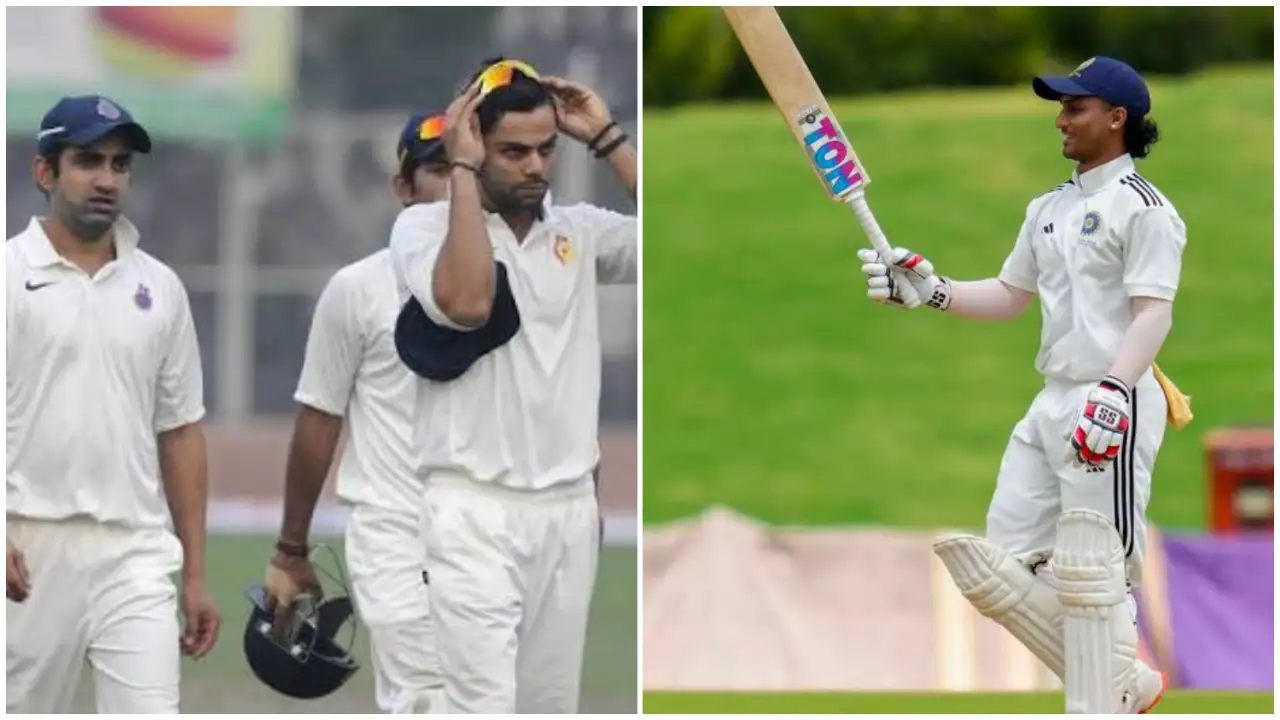
Ayush Badoni joins Virat Kohli, Gautam Gambhir after historic double hundred against Jharkhand
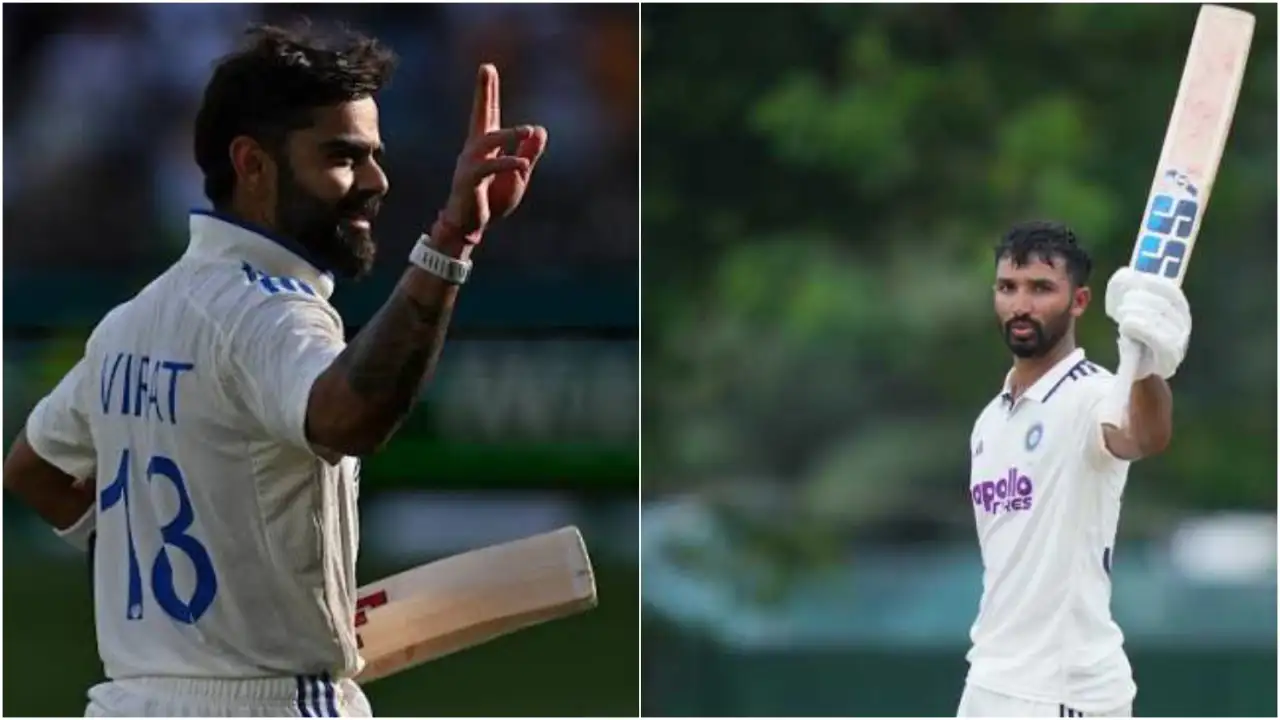
Devdutt Padikkal credits Virat Kohli after scoring 199 runs against New Zealand A
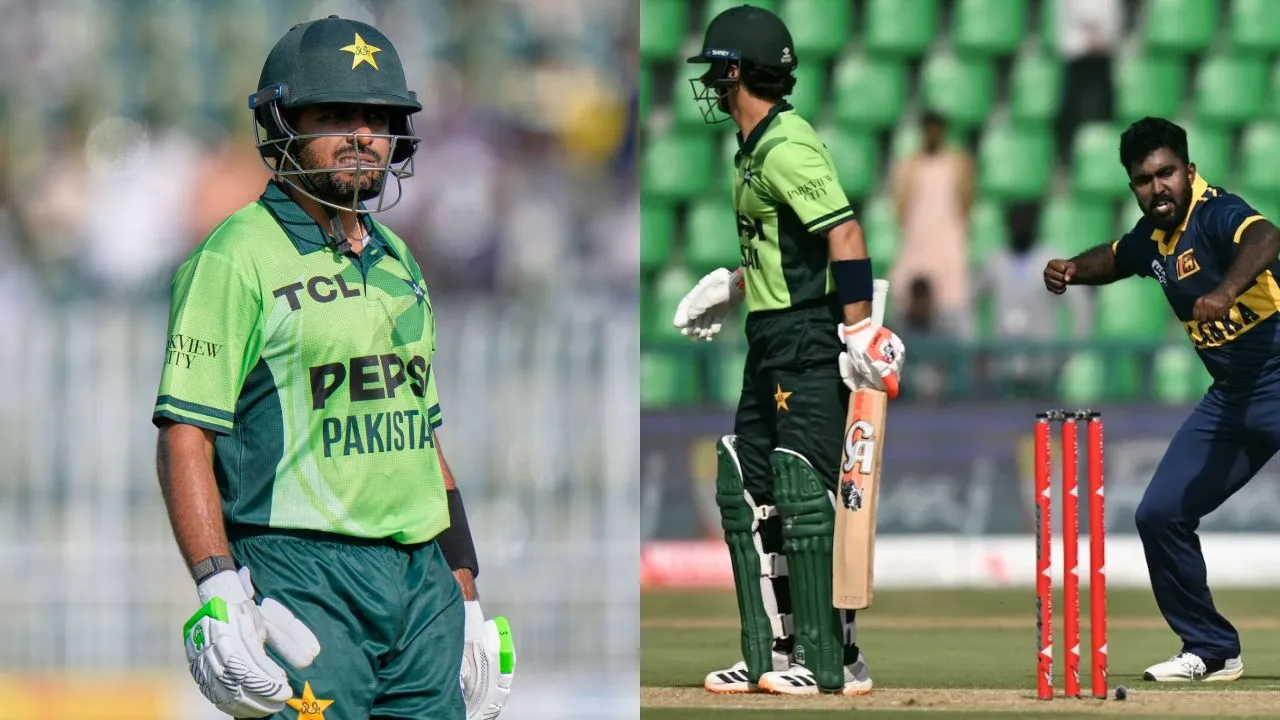
Babar Azam-starrer Pakistan fold for 110 in ODI as India chase 199 in 13.2 overs in T20I on same day
Shreyas Iyer left awestruck by Vaibhav Sooryavanshi and Abhishek Sharma’s carnage hitting in 3rd T20I

‘Just want to win matches for team’: Abhishek Sharma responds to Yuvraj Singh’s ‘No 12-ball 50’ jibe
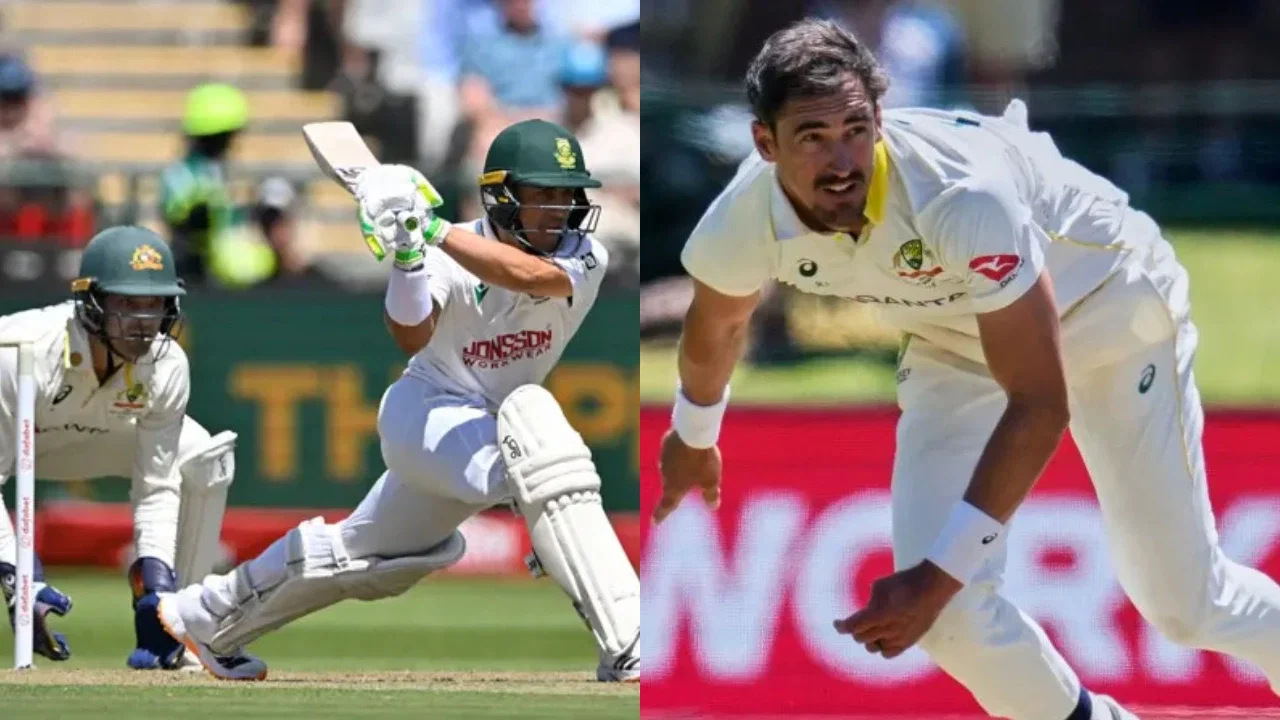
4, 4, 4, 4! Marques Ackerman hammers Mitchell Starc for four straight boundaries in Cape Town Test
Bhuvneshwar Kumar’s numbers since India comeback raise selection questions
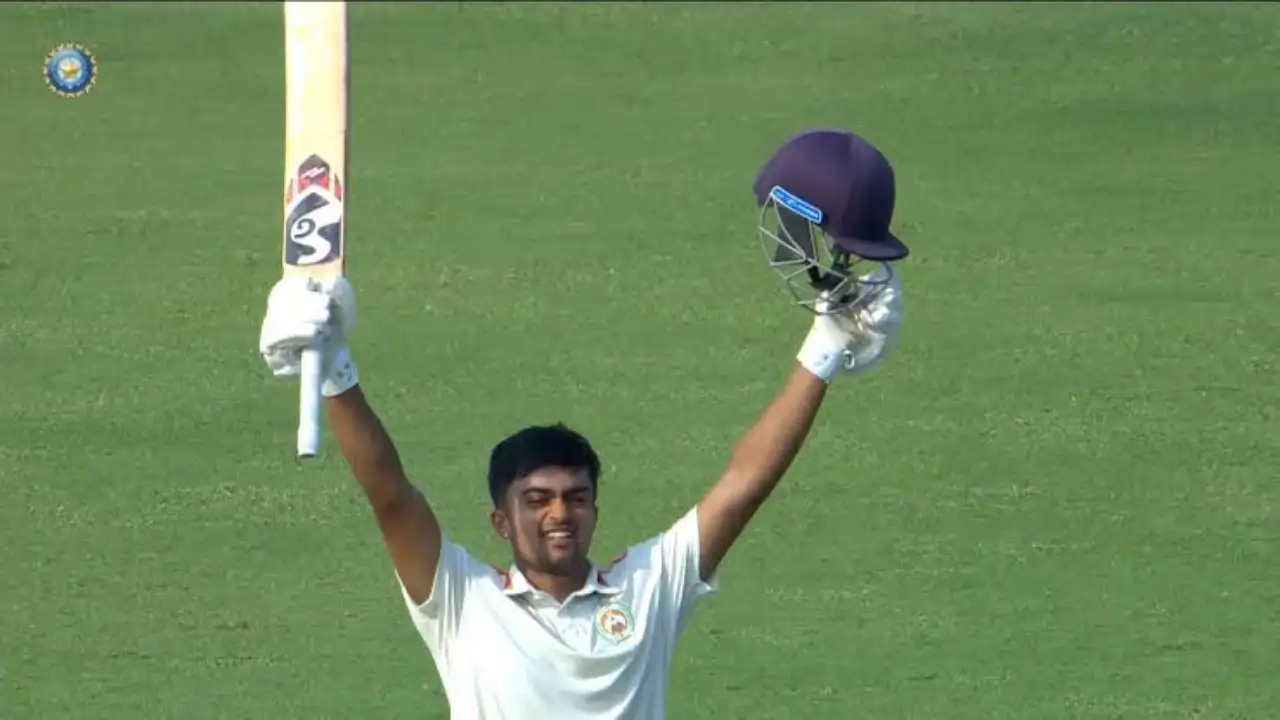
Baroda’s Priyanshu Moliya, 21, scores triple century in Ranji Trophy

‘Feels like Nasser Hussain in Brisbane’: Michael Vaughan slams Australia’s decision to bowl first in Cape Town
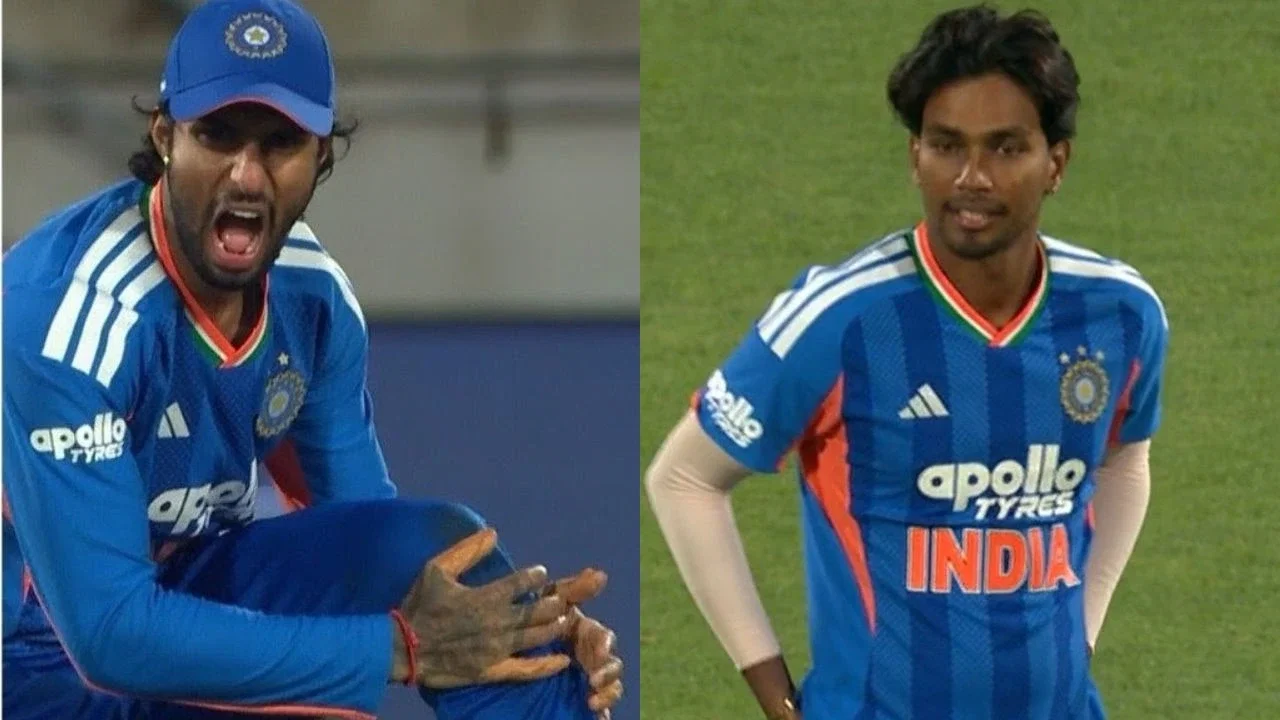
Tilak Varma walks off after knee injury scare during India vs New Zealand 3rd T20I
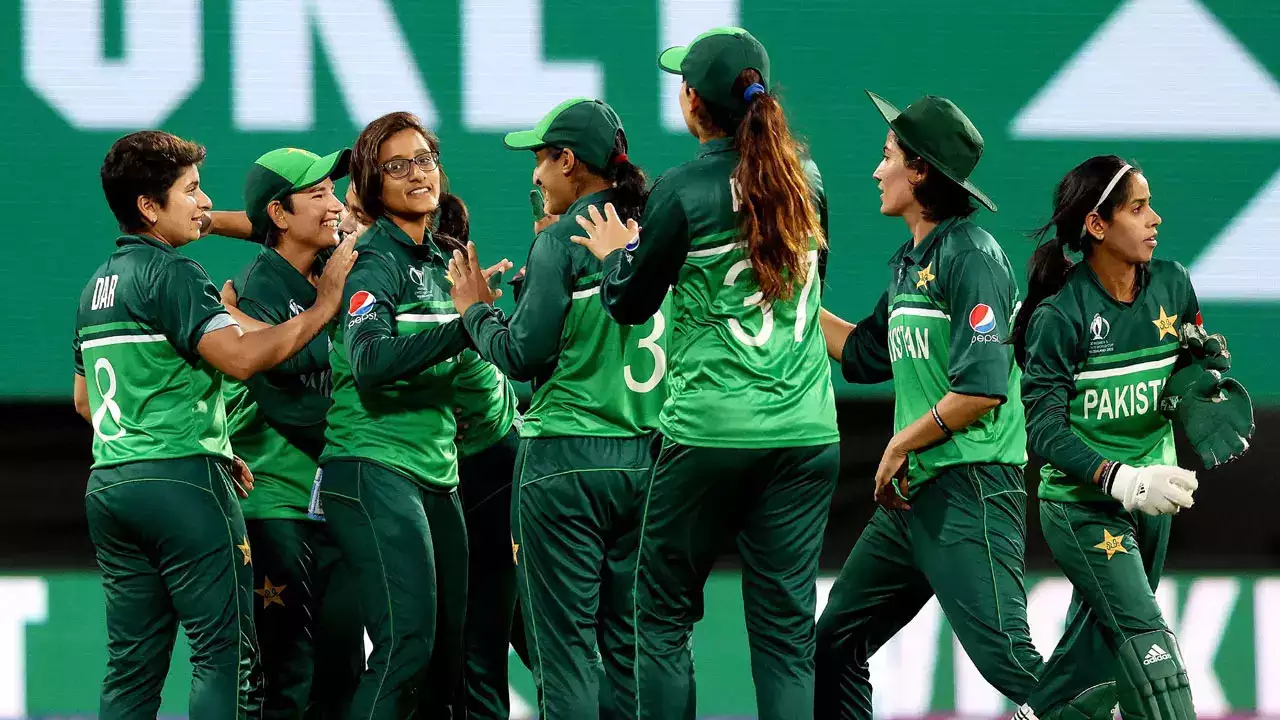
PCB announces Pakistan squad for ICC Women’s Emerging Nations Trophy 2026