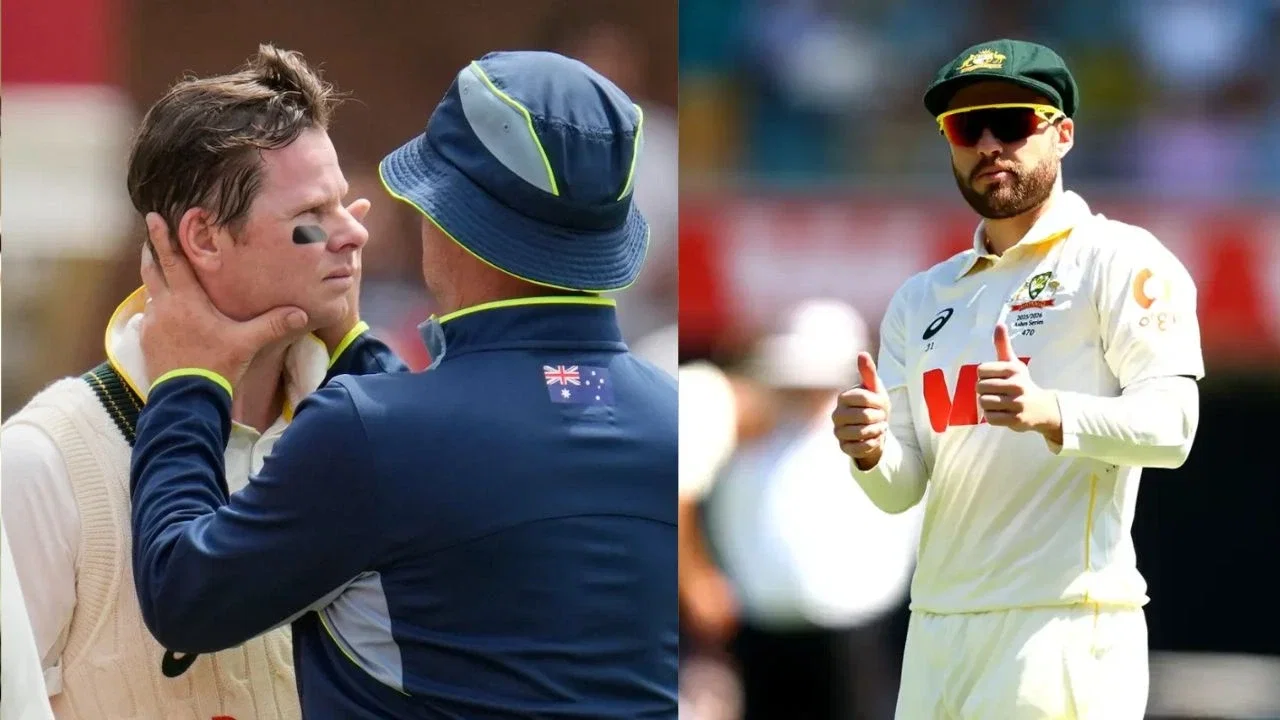
‘Feels like Nasser Hussain in Brisbane’: Michael Vaughan slams Australia’s decision to bowl first in Cape Town

Pat Cummins’ Cape Town Toss Call Draws Nasser Hussain Comparison
Australia captain Pat Cummins surprised cricket fans and pundits by choosing to bowl first against South Africa in Cape Town, despite bright skies and a pitch that appeared well suited to batting. The decision quickly became one of the main talking points of the Test, with former England captain Michael Vaughan comparing it to Nasser Hussain’s much-remembered choice at the Gabba during the 2002–03 Ashes.
Cummins said Australia had spotted moisture in the surface and wanted to take advantage of it early. But as South Africa’s openers settled in and built a substantial partnership, questions grew over whether the visitors had misread the conditions. Vaughan’s comparison added historical weight to the debate, recalling a toss decision that became associated with a difficult day—and a heavy defeat—for England.
Why did Pat Cummins choose to bowl first?
The conditions at the toss appeared to favour the team batting first. The sun was shining, the sky was clear, and there was little obvious sign that the pitch would offer significant assistance to fast bowlers. In Cape Town, where a fresh surface can sometimes provide pace and bounce, Australia may have hoped to make early inroads. However, the bowlers struggled to turn that expectation into pressure.
Cummins explained that the Australian team believed there was some moisture in the wicket. Bowling first, he said, would give his seamers the opportunity to make use of it before the surface dried out or became easier for batting.
“We’re going to have a bowl; it feels like there’s a little bit of moisture in the wicket today. So have first use of it,” Cummins said at the toss.
That reasoning was understandable in theory. Even a small amount of moisture can help fast bowlers generate movement, particularly during the opening spell. But conditions do not always match what a captain expects, and the value of bowling first depends on whether the attack can exploit the surface quickly. In this case, Australia’s seamers found it difficult to trouble the South African batters consistently.
South Africa’s openers punish Australia’s decision
South Africa made the most of the opportunity to bat first, putting together a strong opening stand that gave the hosts control of the innings. Aiden Markram scored 78, while Marques Ackerman made 95, as the pair added 158 runs for the first wicket.
The partnership was especially significant because it came after Australia had opted to bowl in search of early movement. Instead of being forced onto the defensive, the South African openers built their innings with patience and purpose. Their stand gave the middle order a platform to push for a substantial first-innings total and left Australia’s bowlers searching for answers.
The home side did lose wickets after the opening partnership. Captain Temba Bavuma was dismissed for a duck, and Matthew Breetzke managed only a couple of runs. Even so, those setbacks did not erase the value of the opening stand. At the point described in the match, South Africa had reached 218 for four, placing them in a promising position to build a commanding score.
For Australia, the challenge was now to prevent the lower middle order from extending the advantage. The early decision to bowl first would inevitably remain under scrutiny, particularly if South Africa went on to post a large total.
What happened in Nasser Hussain’s famous Gabba decision?
Vaughan’s reference was to the opening Test of the 2002–03 Ashes series at Brisbane’s Gabba. Hussain, then England’s captain, made the unexpected choice to field first in conditions that many observers believed called for batting. The decision was intended to give England’s bowlers an early opportunity, but Australia quickly made the most of being sent in.
Matthew Hayden scored 197 and Ricky Ponting added 123, helping Australia reach 364 for two by the close of the first day. Australia went on to make 492 in its first innings and won the Test by 384 runs. The hosts ultimately claimed the five-match Ashes series 4–1.
The Gabba match became a lasting example of how a bold toss call can shape the narrative around a Test. Hussain’s decision was not the only factor in England’s defeat—Australia’s batting quality and the visitors’ performance across the match mattered greatly—but the choice to bowl first became an enduring talking point.
Michael Vaughan’s prediction raises the stakes
Vaughan drew a direct parallel between the two captains’ decisions, posting on social media that Cummins’ call felt like “Nasser in Brisbane.” He also pointed to the clear Cape Town weather, describing Australia’s decision to bowl as highly unusual for the team.
His comments amounted to a pointed prediction: if the surface did not provide the movement Australia expected, South Africa could build a decisive first-innings lead and put the visitors under sustained pressure. Vaughan’s comparison was not proof that the same outcome would follow, but it captured the concern shared by many observers—that Australia might have chosen the wrong option at the toss.
The stakes were particularly high because the match could determine the outcome of the three-Test series. A South African victory in Cape Town would give the hosts a 2–1 series win. That context made every tactical decision more consequential, from the toss call to Australia’s plans for breaking the remaining partnerships.
Was bowling first the wrong call?
A toss decision should be judged in light of both the captain’s information at the time and what unfolds afterward. Cummins may have seen moisture that was not obvious to spectators, and choosing to bowl can be a sound strategy when the pitch offers early assistance. Yet the first session is crucial: if the bowlers fail to take wickets, the batting side can settle in and turn the decision into an advantage.
South Africa’s opening partnership did exactly that. Markram and Ackerman showed that the pitch was playable and made Australia work for every breakthrough. Their progress did not settle the argument completely, since conditions can change and a team batting first can still lose momentum. But it strengthened Vaughan’s comparison and placed Cummins’ strategy firmly in the spotlight.
As the Cape Town Test continued, the key question was whether Australia could recover with the ball or whether South Africa would convert its strong start into a match-defining total. Cummins’ call had created an intriguing tactical storyline: a captain’s read of the pitch, a historical Ashes parallel and a series prediction that would depend on what happened next.
Latest News

Ishan Kishan takes a cheeky dig at Abhishek Sharma’s celebration after his 113-run blitz vs New Zealand
“A bowler can control the game”: Bhuvneshwar Kumar takes a stand for bowlers amid batting dominance

Najmul Hossain Shanto makes massive statement on Bangladesh’s WTC 2025-27 final hopes
Ayush Badoni joins Virat Kohli, Gautam Gambhir after historic double hundred against Jharkhand

Devdutt Padikkal credits Virat Kohli after scoring 199 runs against New Zealand A
Babar Azam-starrer Pakistan fold for 110 in ODI as India chase 199 in 13.2 overs in T20I on same day

Shreyas Iyer left awestruck by Vaibhav Sooryavanshi and Abhishek Sharma’s carnage hitting in 3rd T20I

‘Just want to win matches for team’: Abhishek Sharma responds to Yuvraj Singh’s ‘No 12-ball 50’ jibe
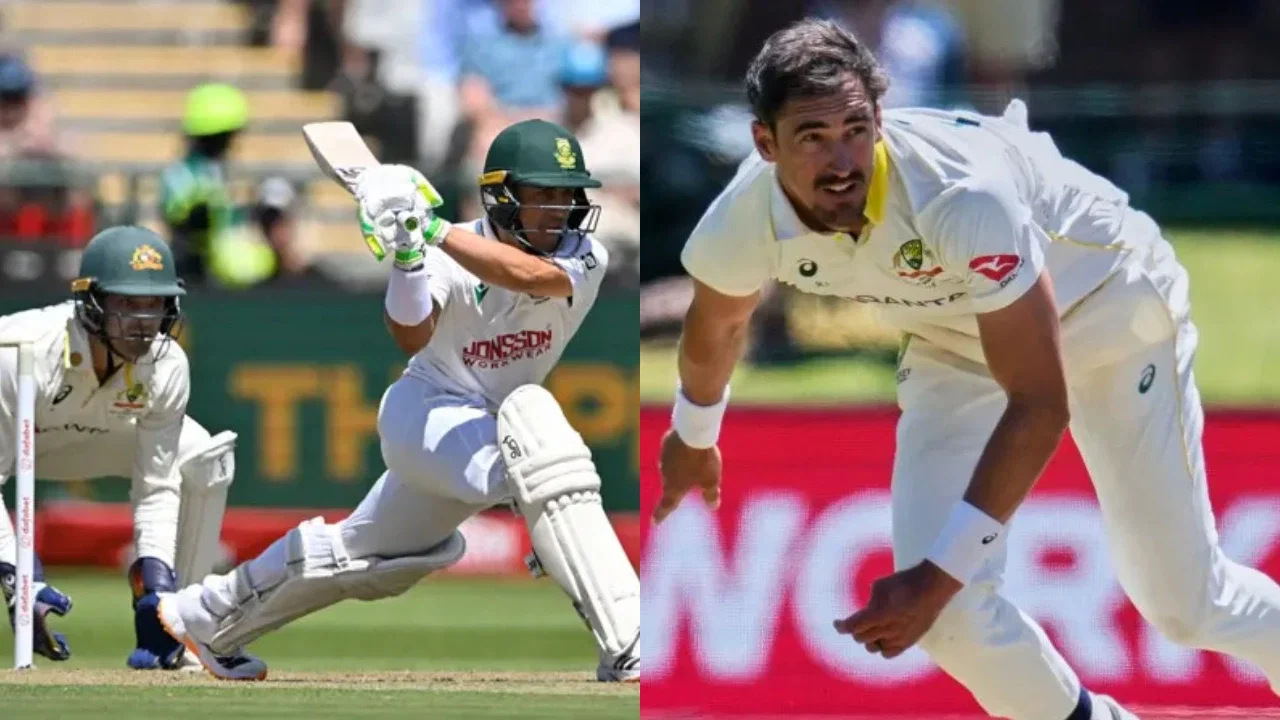
4, 4, 4, 4! Marques Ackerman hammers Mitchell Starc for four straight boundaries in Cape Town Test
Bhuvneshwar Kumar’s numbers since India comeback raise selection questions

Baroda’s Priyanshu Moliya, 21, scores triple century in Ranji Trophy
‘Feels like Nasser Hussain in Brisbane’: Michael Vaughan slams Australia’s decision to bowl first in Cape Town
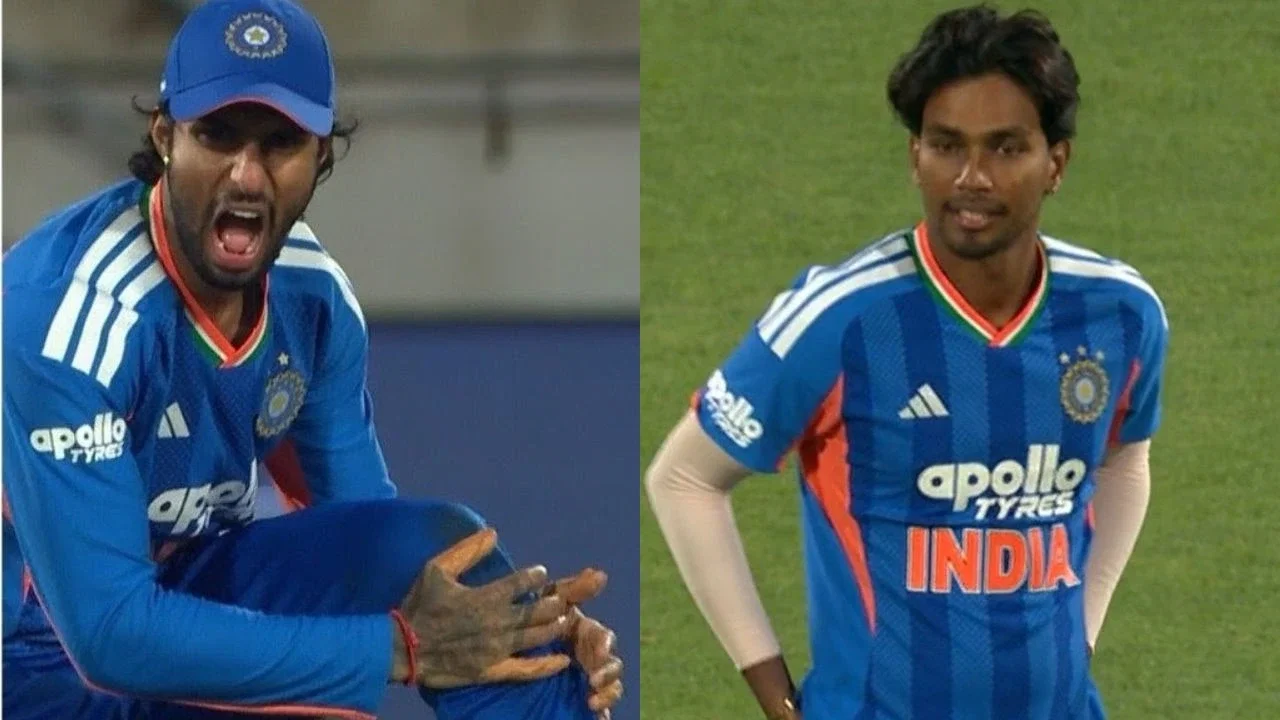
Tilak Varma walks off after knee injury scare during India vs New Zealand 3rd T20I
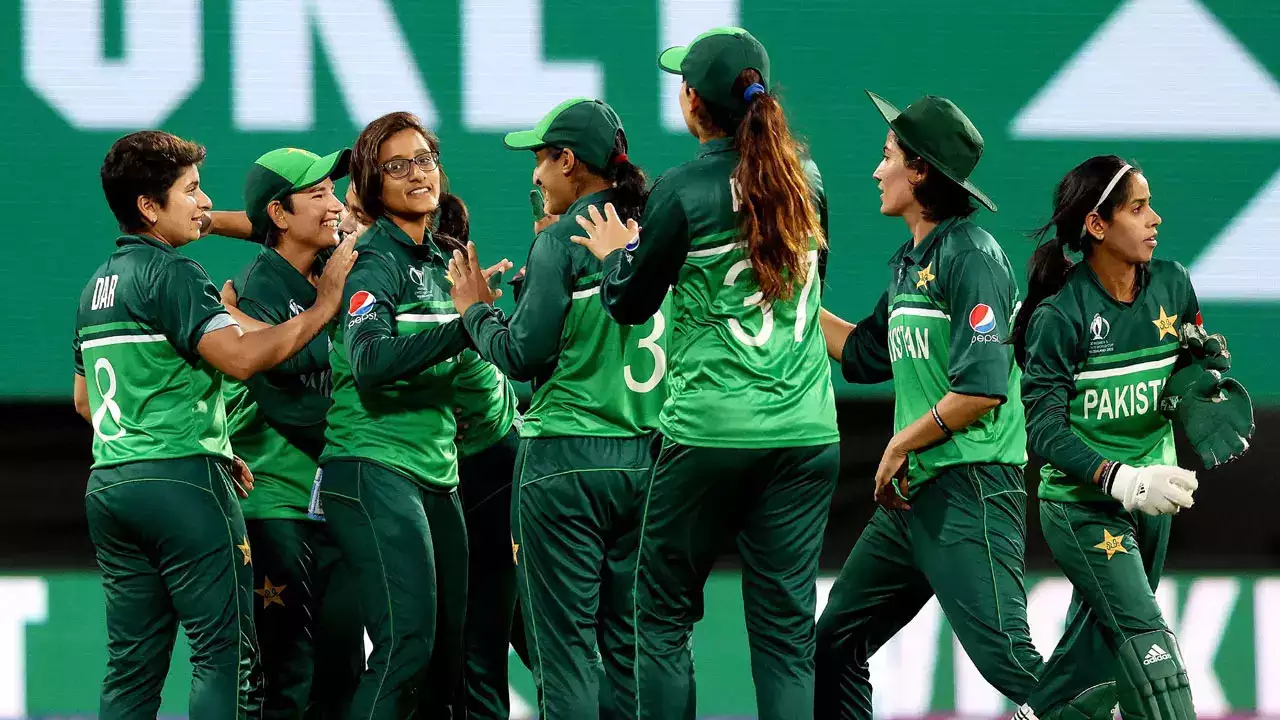
PCB announces Pakistan squad for ICC Women’s Emerging Nations Trophy 2026