PCB announces Pakistan squad for ICC Women’s Emerging Nations Trophy 2026
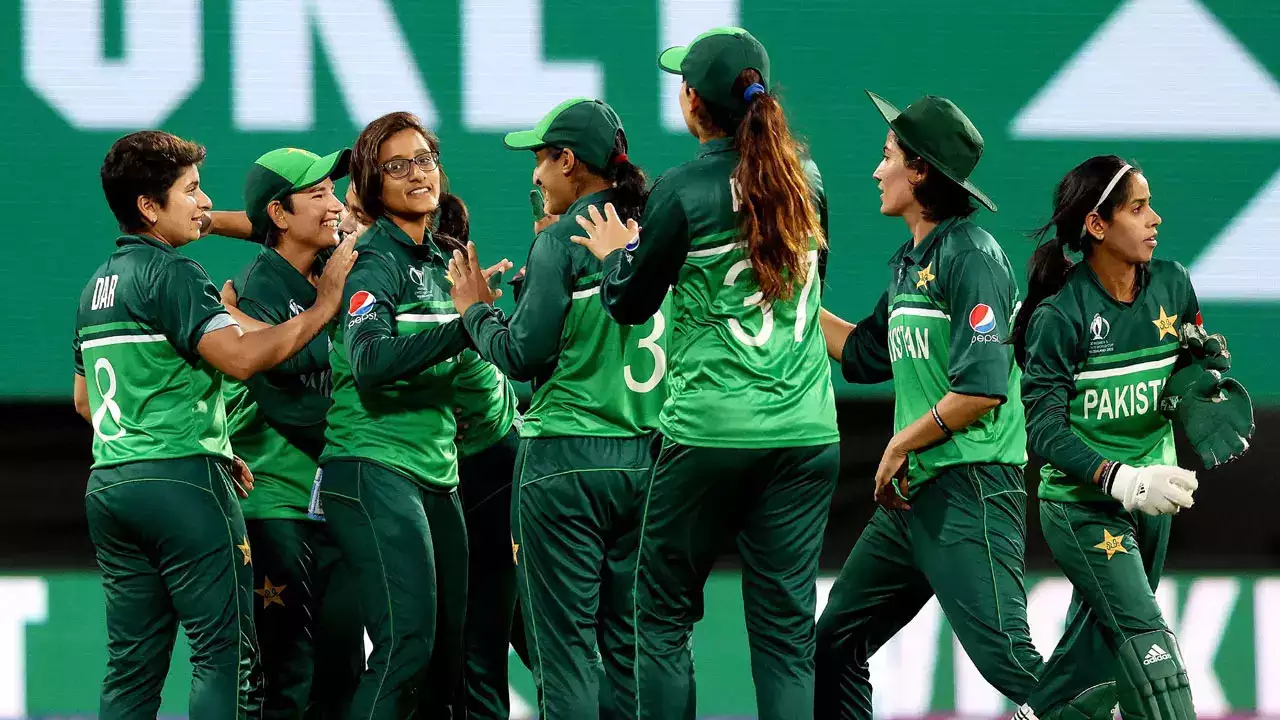
Pakistan Name Muneeba Ali Captain for ICC Women’s Emerging Nations Trophy 2026
The Pakistan Cricket Board (PCB) has announced a 14-player squad for the ICC Women’s Emerging Nations Trophy 2026, with wicketkeeper-batter Muneeba Ali Siddiqui appointed captain. The tournament will be held in Ajman, United Arab Emirates, from November 12 to 25, bringing together 10 teams in a competition designed to test emerging sides against international opposition.
Muneeba will step into the leadership role while regular captain Fatima Sana is unavailable. Fatima is set to play her first season in Australia’s Women’s Big Bash League (WBBL), giving another Pakistan player an opportunity to lead the national side. Ayesha Zafar has been named vice-captain.
Muneeba Ali Takes on a Bigger Leadership Role
The appointment builds on Muneeba’s previous experience as Pakistan captain. She has led the team in four T20 internationals and one ODI, and will now guide a squad that combines familiar faces with players returning to the national setup.
Twelve members of Pakistan’s previous squad have retained their places. Sadaf Shamas and Waheeda Akhtar are the two recalled players, adding experience and depth ahead of a demanding tournament schedule. For Muneeba, the challenge will be to bring the group together quickly and help Pakistan adapt to different opponents and match situations.
The batting group includes Eman Naseer, Eyman Fatima, Sadaf Shamas, Saira Jabeen and Shawaal Zulfiqar. Gull Feroza, another wicketkeeper-batter, also features after being recognised as the best wicketkeeper-batter in Pakistan’s recently completed National Women’s T20 Tournament. Her selection offers the squad another option behind the stumps as well as additional batting resources.
Spin Strength and Pace Options in Pakistan’s Squad
Pakistan have selected four specialist spinners, with left-arm bowler Nashra Sundhu expected to lead the spin attack. She will be supported by Momina Riasat, Tuba Hassan and Umm-e-Hani, giving the team a range of spin options for conditions in the UAE.
Spin could be a significant factor in Ajman, where control, changes of pace and disciplined bowling may prove valuable during the group stage and Super Six round. Pakistan’s bowling strategy will likely depend on reading conditions match by match, rather than relying on a single approach.
Tasmia Rubab and Waheeda Akhtar are listed among the pace options. Their ability to provide early breakthroughs and maintain pressure in the closing overs could be important, particularly against teams with established top-order batters. The balance between pace and spin gives the captain flexibility when setting fields and managing match-ups.
Coaching Team and Preparation Plans
Former Pakistan cricketer Wahab Riaz has been appointed team mentor, while Ayesha Ashar will serve as team manager. The coaching group includes Abdur Rehman for spin bowling, Umaid Asif for fast bowling, Abdul Majeed for fielding and Imran Farhat for batting.
The squad is scheduled to assemble in Lahore on November 6. Players will then take part in a three-day pre-tournament training camp on November 7, 8 and 9 before travelling to the UAE. That short preparation window will be important for building combinations, sharpening fitness and familiarising the group with its tactical plans before the opening matches.
Pakistan Drawn in Group B With Thailand and Bangladesh
Ten teams will compete in the 2026 edition, divided into two groups for the opening round. Pakistan are in Group B alongside Bangladesh, defending champions Thailand, the Netherlands and Zimbabwe. Group A features Sri Lanka, Ireland, Scotland, Papua New Guinea and hosts the United Arab Emirates.
The group draw presents Pakistan with a varied set of challenges. Thailand arrive as defending champions, while Bangladesh are another familiar regional rival. The Netherlands and Zimbabwe add different styles of play, making adaptability a key part of Pakistan’s campaign. Each group-stage match will matter: a strong start could improve Pakistan’s position before the tournament moves into its second phase.
How the Super Six Stage Works
The competition begins with a single round-robin league stage. The top three teams from each group will advance to the Super Six, where each side will play three additional matches. The two highest-ranked teams at the end of that stage will meet in the final on November 25.
This format gives teams more than one route to the final, but it also places a premium on consistency. Results from the opening round will shape the Super Six picture, while performances in the second phase will determine which sides earn a place in the title match. Pakistan’s prediction of success will depend on several factors, including the form of its top order, the effectiveness of its spin attack and the team’s ability to handle pressure in close games.
Pakistan will be aiming to progress through both stages and challenge for the trophy in the UAE. With Muneeba leading a squad that includes returning players, emerging batters and a varied bowling unit, the tournament offers a valuable opportunity to build experience and strengthen the next generation of Pakistan women’s cricket.
Pakistan Squad for ICC Women’s Emerging Nations Trophy 2026
Muneeba Ali Siddiqui (captain/wicketkeeper), Ayesha Zafar (vice-captain), Eman Naseer, Eyman Fatima, Gull Feroza (wicketkeeper), Momina Riasat, Nashra Sundhu, Sadaf Shamas, Saira Jabeen, Shawaal Zulfiqar, Tasmia Rubab, Tuba Hassan, Umm-e-Hani and Waheeda Akhtar.
Latest News

Ishan Kishan takes a cheeky dig at Abhishek Sharma’s celebration after his 113-run blitz vs New Zealand
“A bowler can control the game”: Bhuvneshwar Kumar takes a stand for bowlers amid batting dominance
Najmul Hossain Shanto makes massive statement on Bangladesh’s WTC 2025-27 final hopes
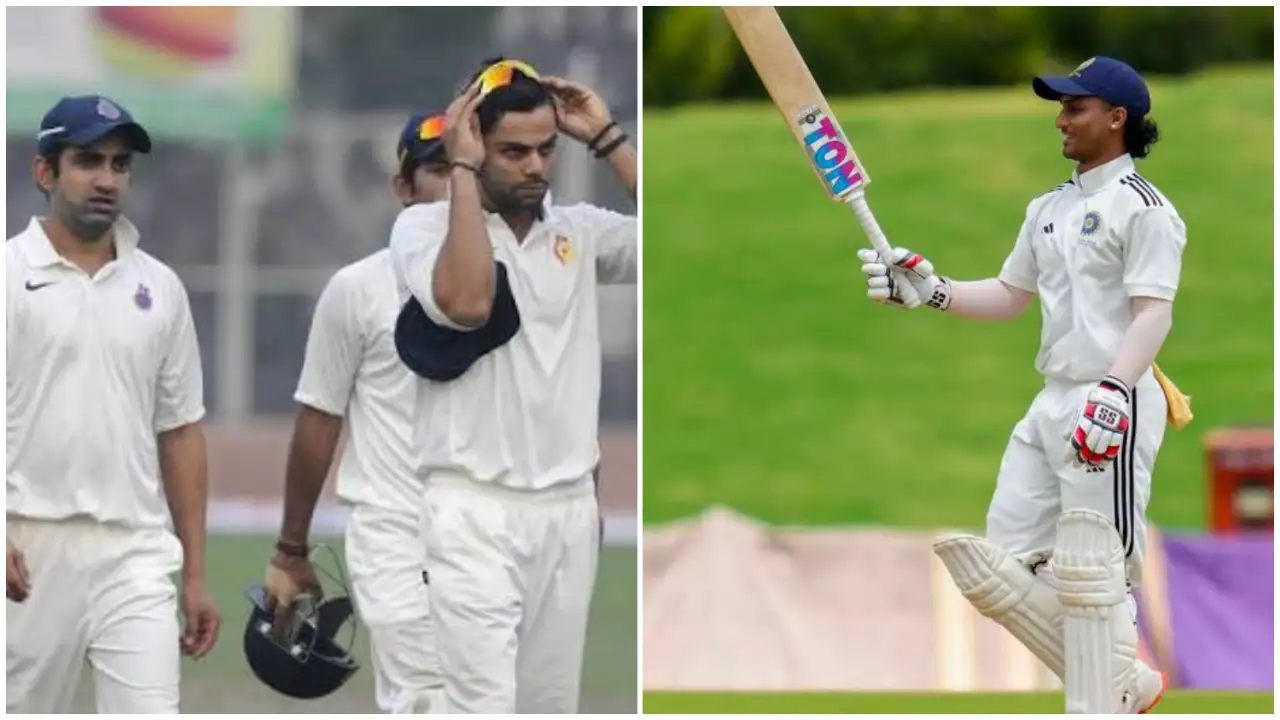
Ayush Badoni joins Virat Kohli, Gautam Gambhir after historic double hundred against Jharkhand
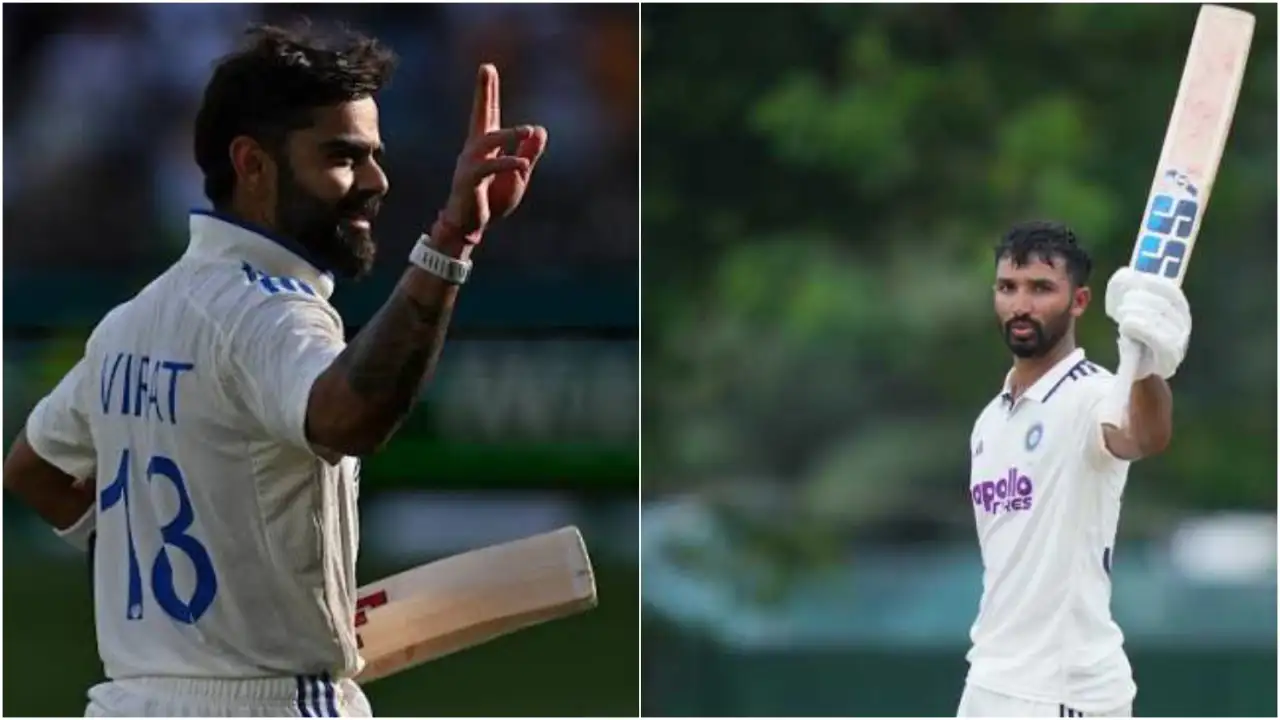
Devdutt Padikkal credits Virat Kohli after scoring 199 runs against New Zealand A
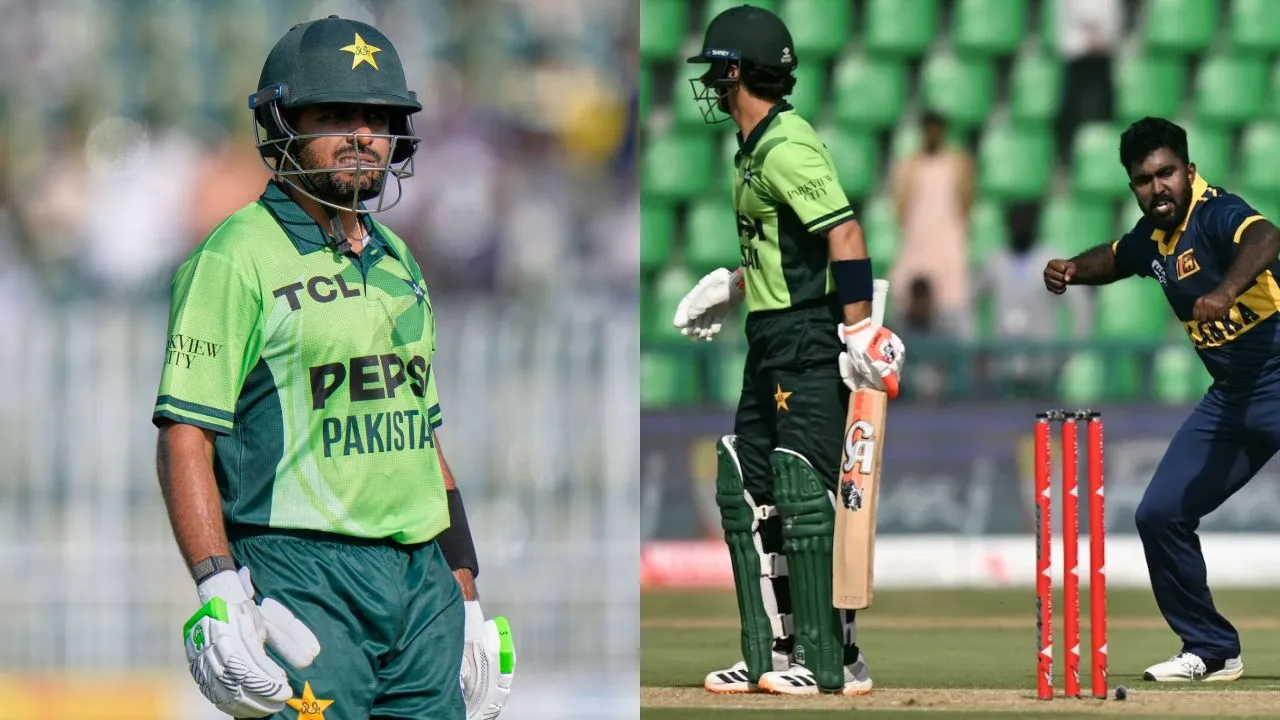
Babar Azam-starrer Pakistan fold for 110 in ODI as India chase 199 in 13.2 overs in T20I on same day
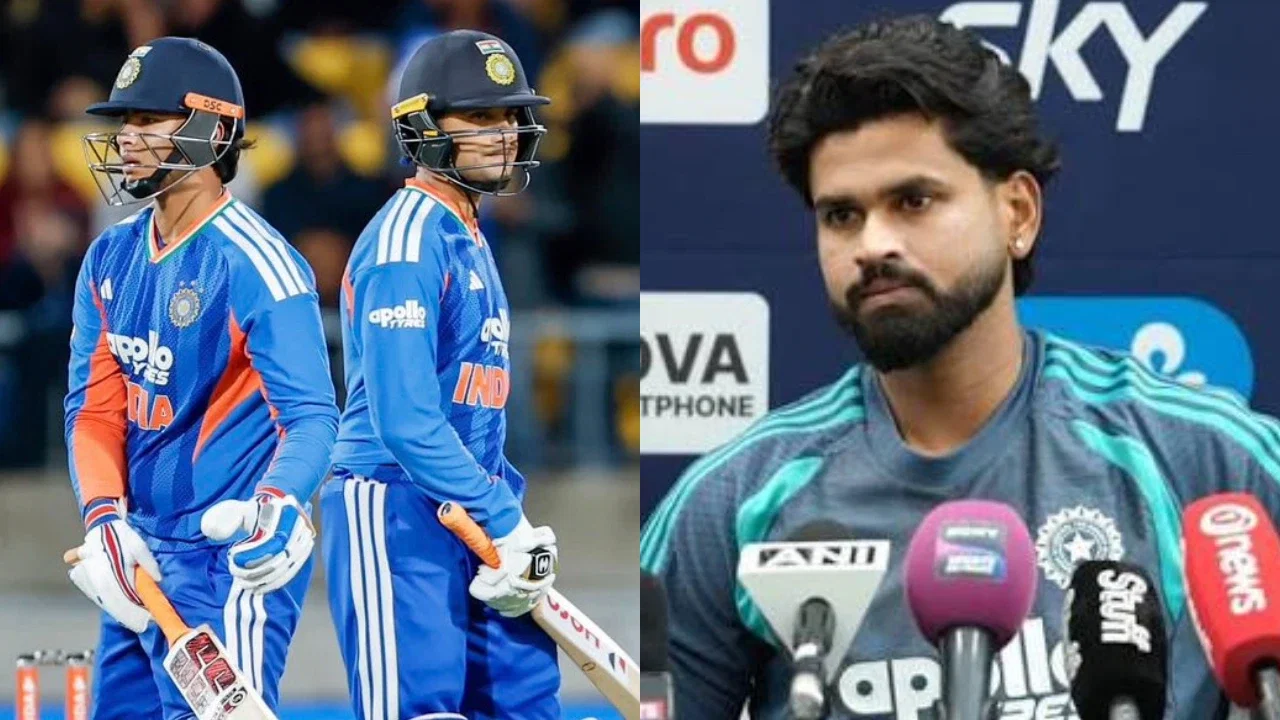
Shreyas Iyer left awestruck by Vaibhav Sooryavanshi and Abhishek Sharma’s carnage hitting in 3rd T20I

‘Just want to win matches for team’: Abhishek Sharma responds to Yuvraj Singh’s ‘No 12-ball 50’ jibe
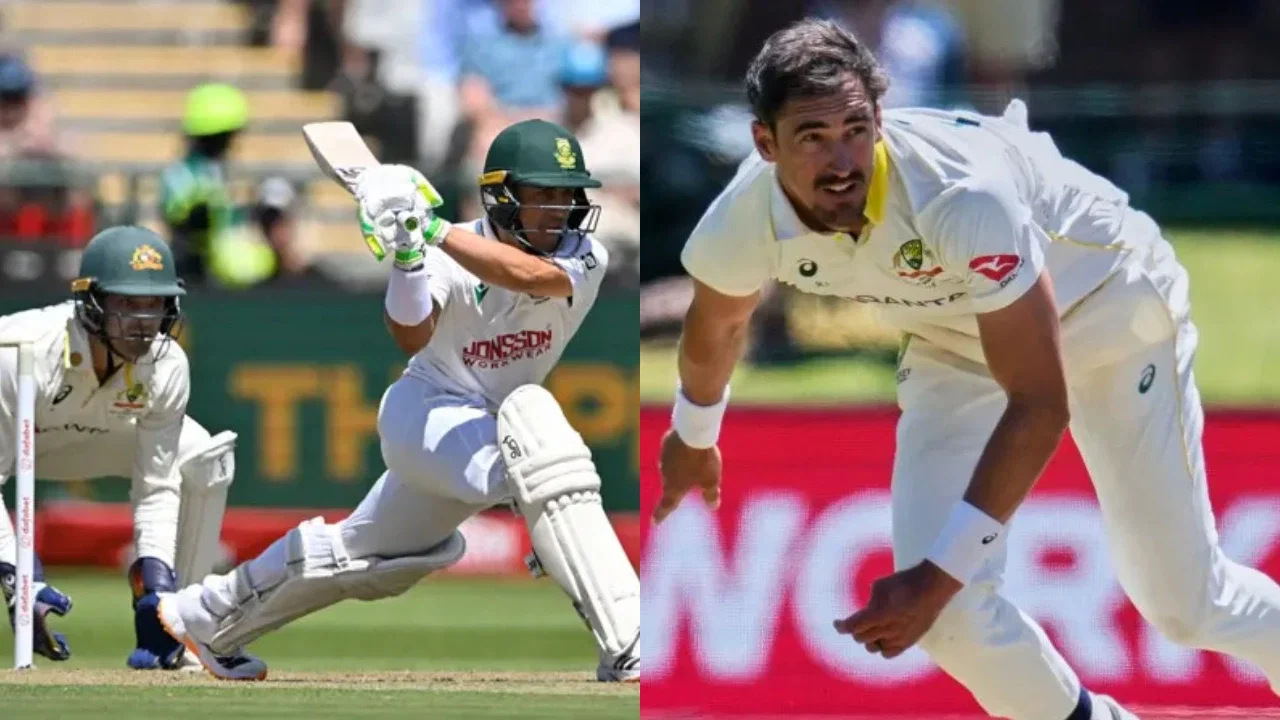
4, 4, 4, 4! Marques Ackerman hammers Mitchell Starc for four straight boundaries in Cape Town Test
Bhuvneshwar Kumar’s numbers since India comeback raise selection questions
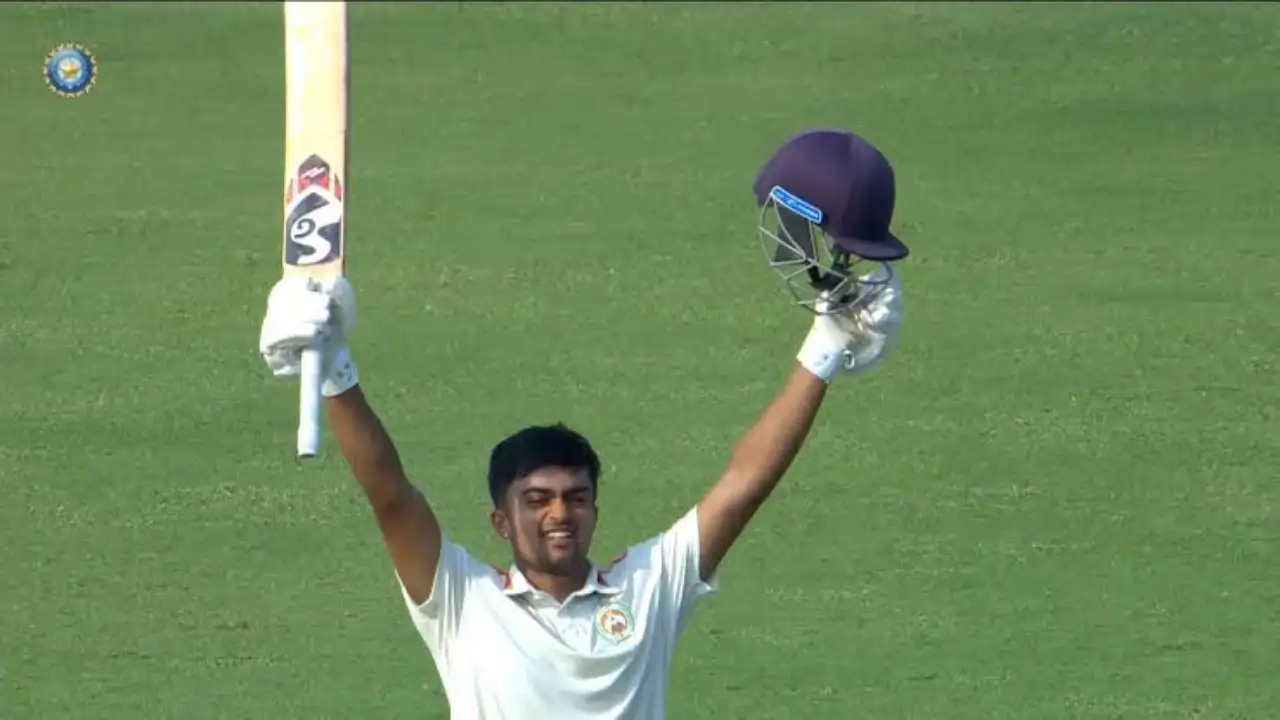
Baroda’s Priyanshu Moliya, 21, scores triple century in Ranji Trophy

‘Feels like Nasser Hussain in Brisbane’: Michael Vaughan slams Australia’s decision to bowl first in Cape Town
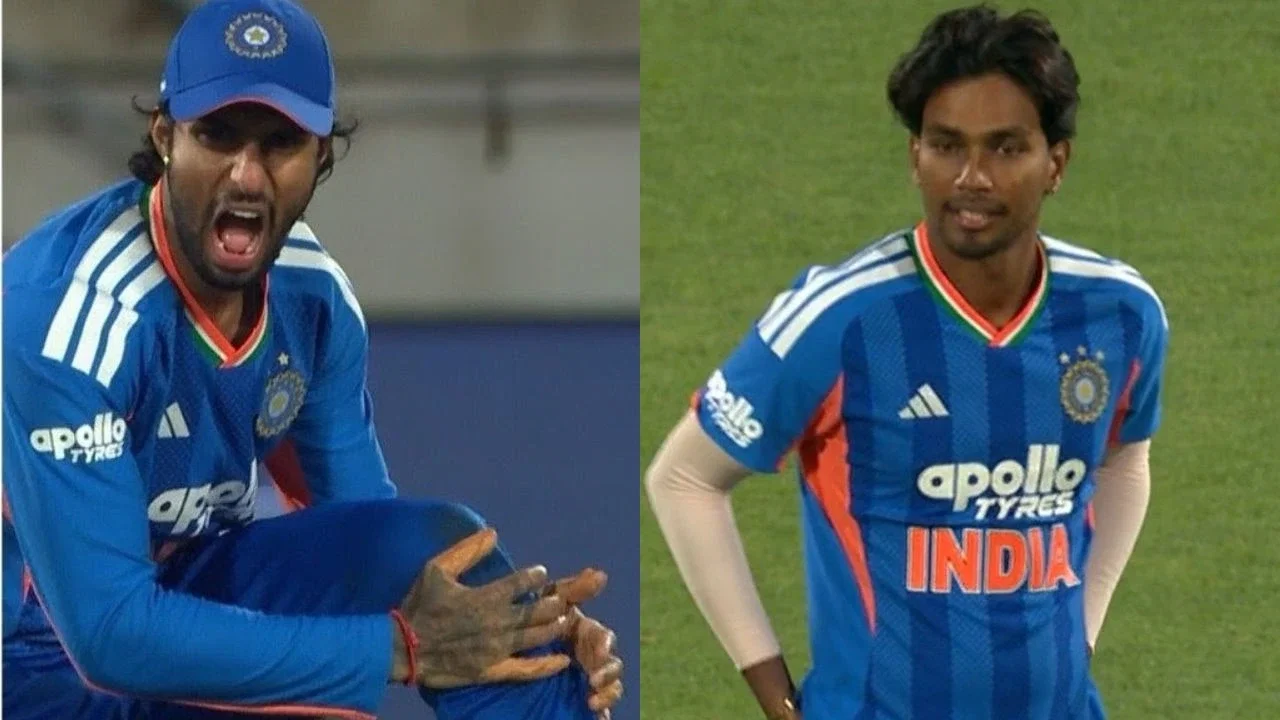
Tilak Varma walks off after knee injury scare during India vs New Zealand 3rd T20I
PCB announces Pakistan squad for ICC Women’s Emerging Nations Trophy 2026