Aakash Chopra picks India’s best ODI captain, Virat Kohli not in top three
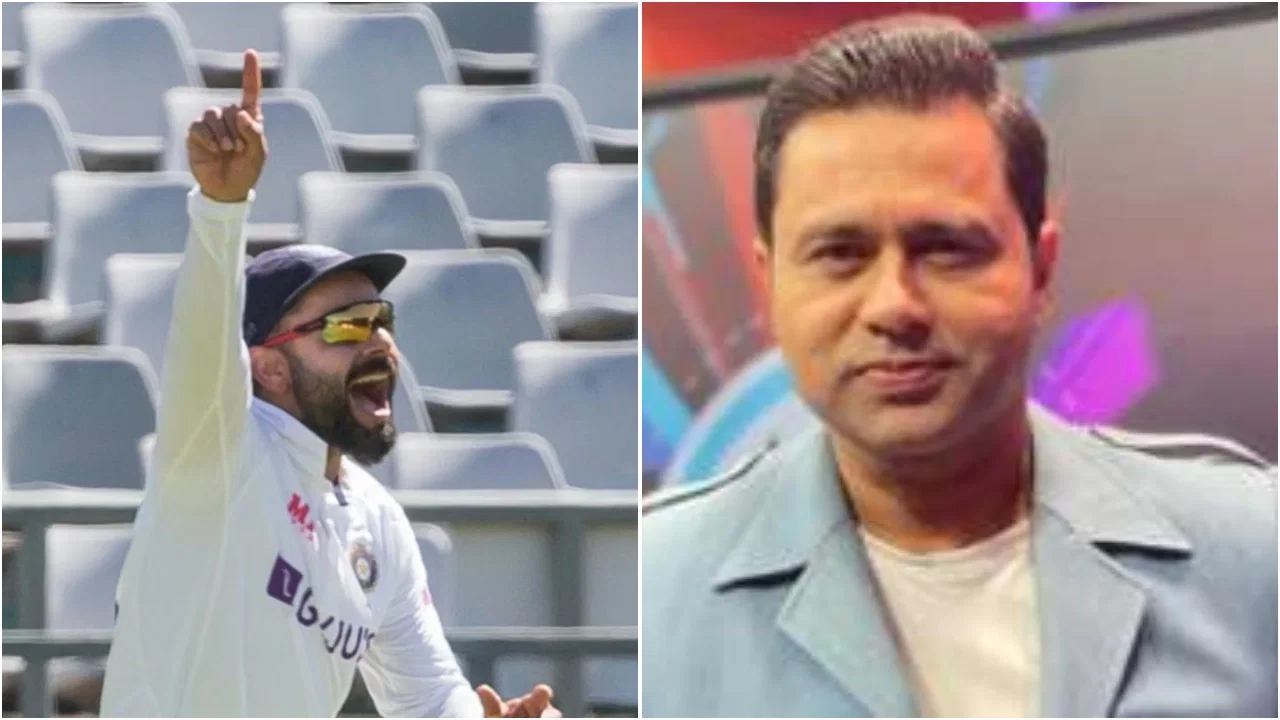
Aakash Chopra Names MS Dhoni India’s Greatest Captain in All-Time Ranking
Former India opener and cricket analyst Aakash Chopra has shared his prediction of India’s five greatest cricket captains, placing MS Dhoni at the top of his list. The ranking emerged during a Cricinfo video discussion focused on Sourav Ganguly’s influence and legacy, but soon broadened into a debate about the leaders who have shaped Indian cricket across different eras.
Chopra’s top five features Dhoni, Kapil Dev, Rohit Sharma, Ganguly and Virat Kohli. The order reflects a mix of major tournament success, leadership impact and the strength of the teams each captain built. It also leaves plenty of room for debate, particularly over whether trophies should outweigh long-term influence when comparing captains from different generations.
Dhoni Takes the No. 1 Spot
Chopra ranked Dhoni as India’s greatest captain, pointing to the former wicketkeeper-batter’s record in global competitions. Under Dhoni, India won the 2007 ICC Men’s T20 World Cup and the 2011 ICC Cricket World Cup. India also claimed the 2013 Champions Trophy, completing a remarkable run of limited-overs success.
Dhoni’s place at the top is supported not only by the silverware but also by his calm approach in high-pressure situations. He led teams featuring established stars and emerging players, often backing young talent in major matches. His captaincy became closely associated with clear decision-making, trust in players and an ability to keep the team composed when the stakes were highest.
Chopra’s choice is not without controversy. Kapil Dev was the first Indian captain to win the ODI World Cup, leading India to the 1983 title against the odds. That victory transformed the country’s belief in its ability to compete at the highest level. By placing Dhoni first and Kapil second, Chopra appears to have given greater weight to Dhoni’s multiple global tournament triumphs while still recognizing Kapil’s historic achievement.
Kapil Dev and the Significance of the 1983 World Cup
Kapil Dev’s second-place ranking reflects the lasting importance of India’s 1983 World Cup campaign. At the time, India was not widely viewed as a leading contender. The team’s victory over the highly regarded West Indies in the final changed perceptions of Indian cricket and helped lay the groundwork for the sport’s future growth in the country.
Kapil’s contribution was also distinctive because he led by example as an all-rounder. His leadership, athleticism and confidence helped India compete against stronger opponents, while the tournament’s success gave future generations a powerful reference point. For many fans, that achievement remains the defining milestone in India’s cricket history.
Rohit Sharma Edges Ganguly in a Close Call
Chopra described the choice between Rohit Sharma and Sourav Ganguly as particularly difficult. He ultimately placed Rohit third and Ganguly fourth, citing Rohit’s success in major tournaments. During his tenure as captain, India won the 2024 T20 World Cup and the 2025 Champions Trophy, while also reaching the final of the 2023 ODI World Cup.
Chopra acknowledged that recent results may have influenced his decision. That is an important consideration in any all-time ranking: current achievements can feel especially vivid, while the impact of earlier leaders may become clearer when viewed over a longer period. Rohit’s record in global events strengthens his case, but Ganguly’s contribution is often measured in broader terms than trophies alone.
Ganguly took charge during a challenging period and helped reshape the team’s approach to international cricket. He backed younger players, encouraged a more assertive style and helped build a group that could compete confidently overseas. Although he did not win a World Cup as captain, his role in restoring belief and establishing a stronger team culture remains a major part of his legacy.
Virat Kohli Rounds Out the Top Five
Virat Kohli completes Chopra’s list at No. 5. While Kohli did not win an ICC senior men’s trophy as India captain, his leadership had a major effect on the team’s Test ambitions. India became one of the strongest sides in the format during his tenure, with a greater emphasis on fitness, pace bowling and sustained competitiveness away from home.
Kohli’s captaincy also coincided with a period in which India built depth across formats. His intensity and high standards helped shape the team’s identity, particularly in Test cricket. Chopra’s ranking therefore separates tournament victories from other forms of leadership impact: Kohli sits outside the top three, but his influence on India’s red-ball progress earns him a place among the country’s leading captains.
A Ranking That Reflects Different Measures of Greatness
Chopra’s list highlights how difficult it is to compare Indian captains from different eras. The game has changed considerably, with shifts in formats, schedules, playing conditions and the structure of international tournaments. A captain’s record cannot always be judged by the same standards across decades.
One approach is to focus on trophies and finals. By that measure, Dhoni and Rohit have particularly strong cases. Another is to consider the circumstances in which a captain led, the strength of the squad available and the lasting changes made to the team. That perspective brings Kapil and Ganguly prominently into the discussion. Kohli’s legacy, meanwhile, is closely tied to India’s rise as a formidable Test side.
Chopra’s ranking is best understood as an informed opinion rather than a definitive verdict. Dhoni’s two World Cup wins, Kapil’s breakthrough 1983 triumph, Rohit’s recent tournament success, Ganguly’s rebuilding influence and Kohli’s Test-era impact each represent different chapters in Indian cricket’s development.
The debate is likely to continue among supporters, especially over whether Ganguly belongs in the top three and how much weight should be given to World Cup victories. Chopra’s choices offer a useful starting point for that conversation—and underline that India’s captaincy history is defined not by one style of leadership, but by several leaders who moved the team forward at crucial moments.
Latest News
“Haven’t spoken to my dad”: Aaryavir Sehwag’s revelation on Virender Sehwag after PoTT win in U19 Asia Cup
Who is Mohit Ulva? India bowler who pulled off a thriller in U19 Asia Cup final against Pakistan
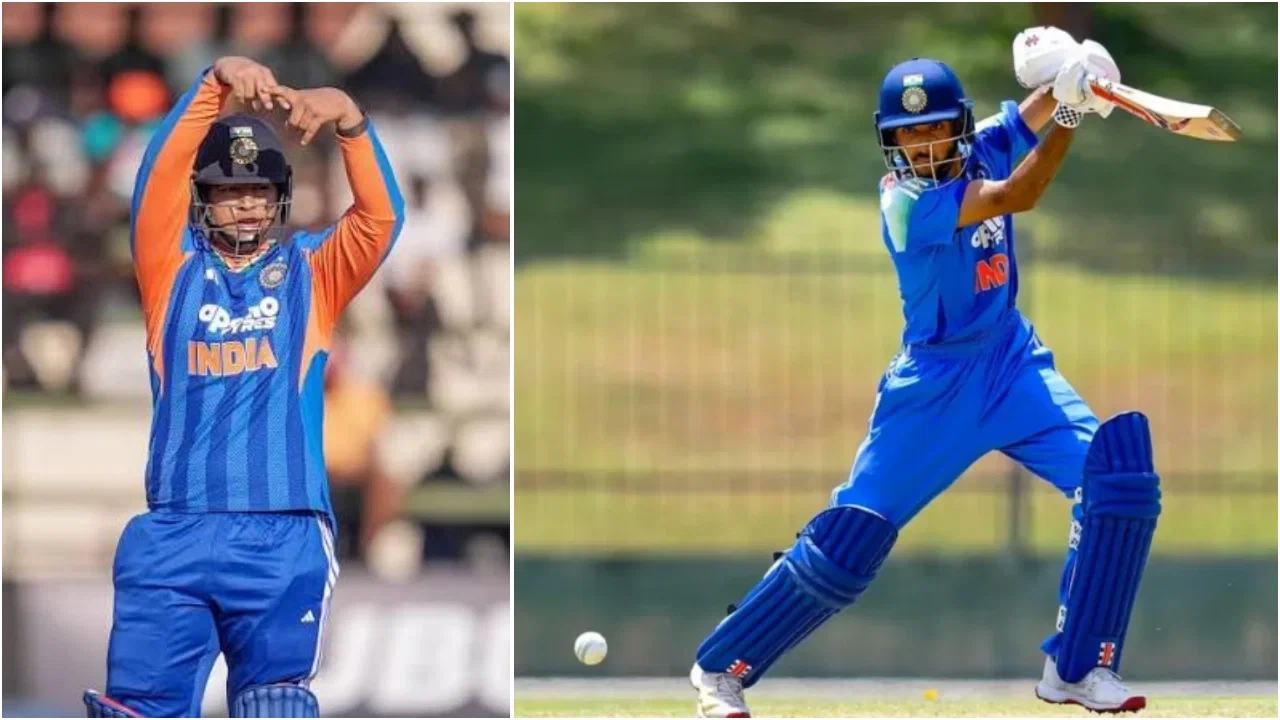
Aaryavir Sehwag receives special congratulations from Vaibhav Sooryavanshi after U19 Asia Cup triumph
England to return to Zimbabwe for historic Test match after three decades
Vaibhav Sooryavanshi suffers Rohit Sharma-like brain-fade during toss, forgets combination
“Shreyas Iyer has to be careful”: Kris Srikkanth sounds warning to India star over poor ODI form
ICC delays decision on franchise league rules as MLC and ILT20 await clarity
Sanju Samson fails in SMAT after horror show for India
IPL 2027: Gujarat Titans set to sign Harshal Patel in all-cash deal with SRH
“I know his limitations well”: R Ashwin opens up on Ravindra Jadeja’s biggest weakness
Aakash Chopra picks India’s best ODI captain, Virat Kohli not in top three
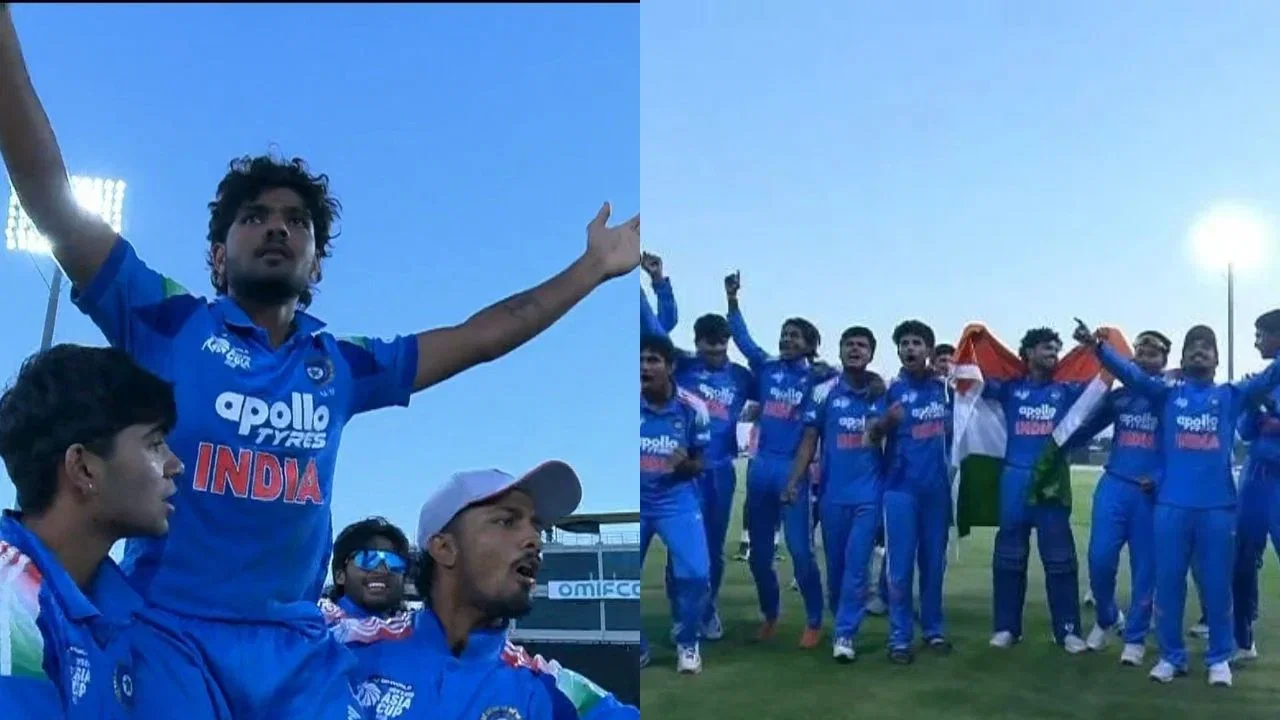
“Mohit Ulva you freak”: Fans react as India pull off stunning win over Pakistan in U19 Asia Cup 2026 final
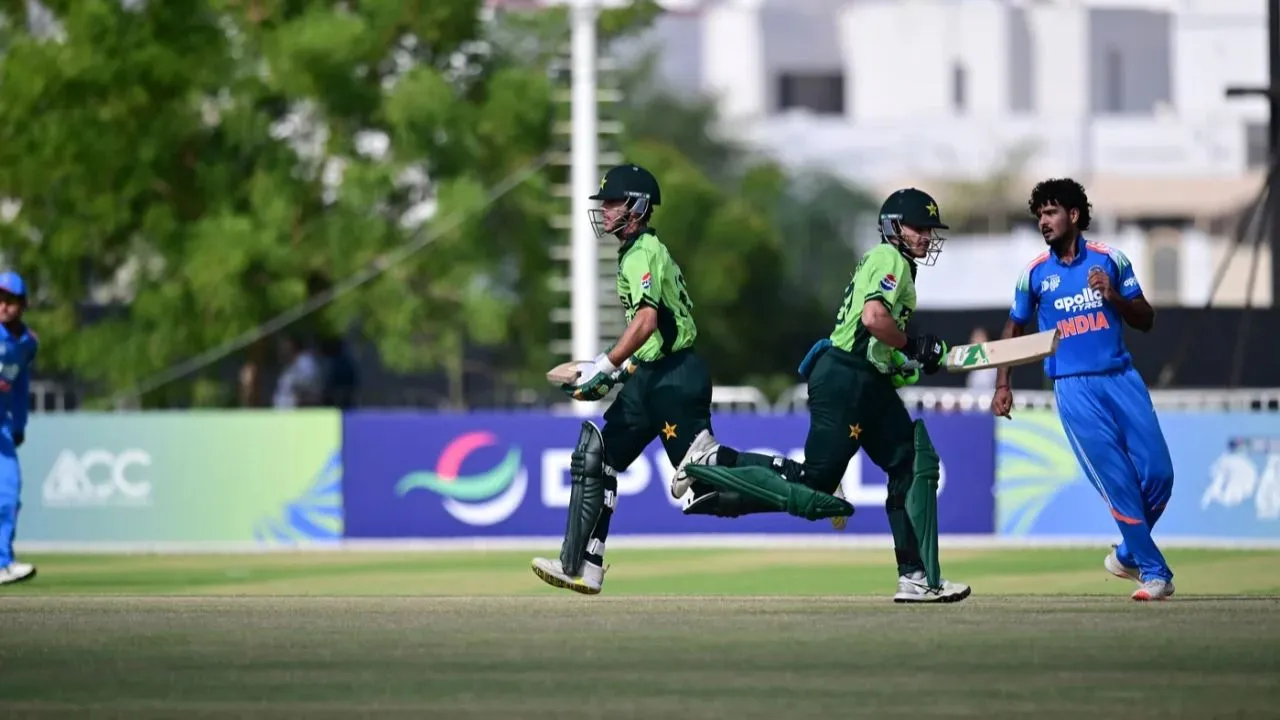
India U19 vs Pakistan U19: All ODI match results from 1988 to 2026
ECB declares war on YouTube show, threatens Ashes ban for popular Commentators