“Shreyas Iyer has to be careful”: Kris Srikkanth sounds warning to India star over poor ODI form
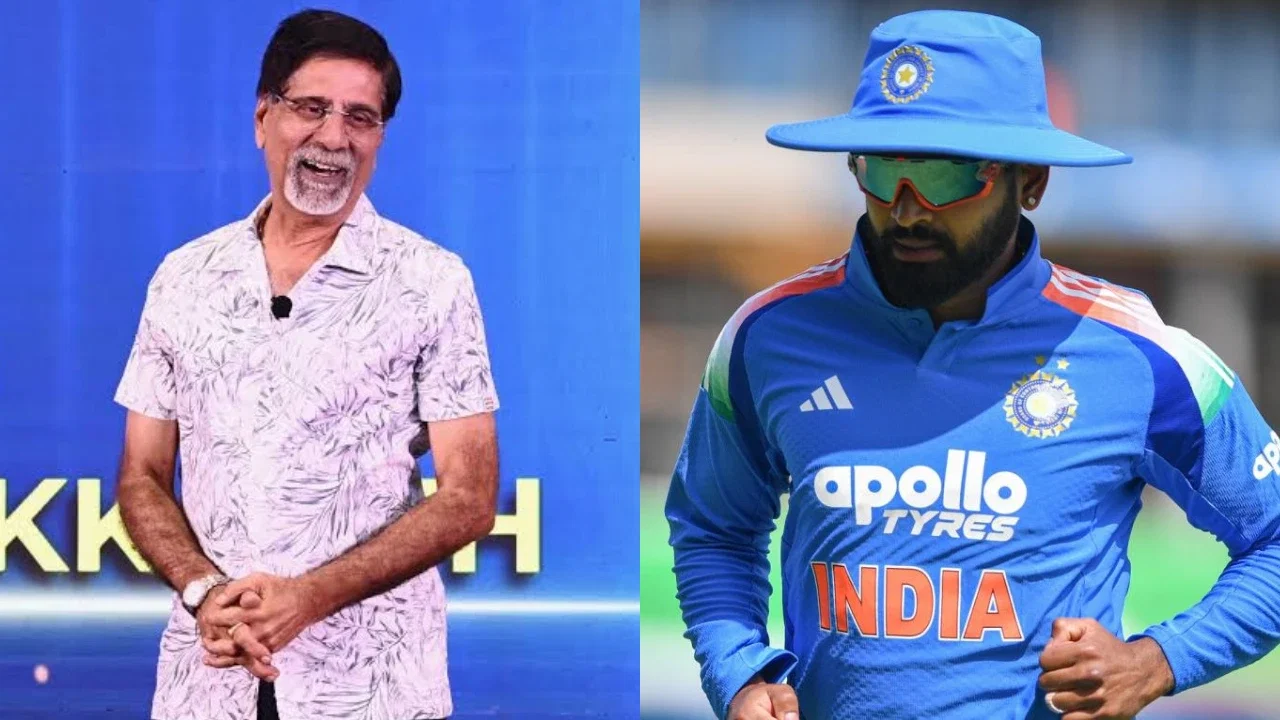
India’s 244-Run Defeat to New Zealand Sparks Concerns Over Shreyas Iyer’s Form
India’s heavy 244-run loss to New Zealand in the fourth ODI has intensified scrutiny of the team’s batting and bowling ahead of the series finale. Former India captain and chief selector Kris Srikkanth has identified Shreyas Iyer’s recent lack of runs as a particular concern, while also questioning India’s reliance on all-rounder Naman Dhir and the effectiveness of spinner Kuldeep Yadav in New Zealand conditions.
The defeat at Bay Oval in Mount Maunganui on November 13 was a difficult one for India, with the margin exposing problems across several areas. Iyer, captaining the side in the fourth and fifth ODIs while Shubman Gill prepares for the Test series, had little time to influence the match. The middle-order batter was dismissed for a first-ball duck, adding to questions about his current rhythm at the crease.
Kris Srikkanth warns Shreyas Iyer to find form
Iyer has scored just 45 runs across his last four ODI innings, a run that is drawing attention because of his importance to India’s middle order. The right-hander has often been valued for his ability to handle pressure, rotate the strike and accelerate when set. But recent results suggest he is yet to find the consistency expected of an established ODI batter.
Speaking on his YouTube channel, Srikkanth said Iyer needed to be cautious about the prolonged dip in his 50-over form. As quoted by Sportskeeda, he described Iyer as a naturally strong ODI player but said the batter was not currently in his best touch. Srikkanth also noted that it had been some time since Iyer registered a half-century in the format.
The concern is not based on one dismissal alone. Iyer’s recent ODI scores of 15, 30 and 0 have offered limited returns, while his broader output across ODIs and T20Is since October 14, 2026, stands at 209 runs. His most notable recent contribution was a brisk 50 from 23 balls against New Zealand in Hamilton. That innings showed his capacity to change the pace of a game, but India will want more sustained contributions from a player expected to anchor the middle order.
Why Iyer’s role matters to India
India’s middle order must often balance two demands: protecting the innings if early wickets fall and lifting the scoring rate when the platform is secure. Iyer has previously been trusted to perform both jobs. A return to form would therefore give the team greater flexibility, especially when the top order is under pressure or the lower middle order is asked to finish an innings.
There is also a leadership dimension. With Iyer in charge for the final two matches of the ODI series, his personal performance will be closely watched. A strong response could steady the batting group and provide a timely confidence boost. However, one poor match should not define his value to the side; the key question is whether he can make technical adjustments and turn starts into meaningful scores.
Srikkanth questions India’s dependence on Naman Dhir
Srikkanth also expressed concern about the responsibilities being placed on Naman Dhir. He praised the all-rounder’s ability but argued that India should not have to depend heavily on him for both batting and bowling contributions while using him as a No. 8 batter and a fifth or sixth bowling option.
That observation points to a broader issue of team balance. An all-rounder can give a side valuable options, but excessive dependence on one player may become a weakness if the specialist batters and frontline bowlers do not deliver consistently. India need their senior players to take greater responsibility, Srikkanth argued, rather than expecting Dhir to cover multiple gaps in the lineup.
For the team management, the challenge is to make sure the batting order and bowling plan complement one another. Dhir’s contribution can be an advantage when it strengthens an already balanced side. It becomes a concern if his role expands because other players are not providing enough runs or overs.
Kuldeep Yadav struggles in New Zealand conditions
Kuldeep Yadav’s performance was another talking point after the fourth ODI. The left-arm wrist-spinner conceded 73 runs from eight overs without taking a wicket, as New Zealand’s batters scored freely against him at Bay Oval. Srikkanth said the hosts appeared comfortable attacking the spinner and questioned whether Kuldeep had lost some of the sharpness that usually makes him difficult to read.
Spin bowling can be especially demanding in conditions where batters are able to use the pace of the pitch and target shorter boundaries. New Zealand’s aggressive approach left Kuldeep with little room to settle into a rhythm. Srikkanth described him as ineffective in the conditions and suggested that the bowler’s deliveries lacked their usual “zip.” He also questioned how Kuldeep could regain control when his variations were being attacked so confidently.
Still, one expensive spell does not necessarily provide a complete picture of a bowler’s ability. The team will need to assess whether Kuldeep’s difficulties came from execution, match-ups, field settings or the conditions themselves. Adjustments to length and pace, along with better support from the field, may help him create more pressure in the next match.
India’s next challenge: respond with the bat and ball
The fourth ODI has left India with several issues to address before the series concludes. Iyer needs a substantial innings to quieten concerns about his form, while the wider batting group must avoid leaving too much responsibility to one or two players. India’s bowling unit, meanwhile, will need a clearer plan for containing New Zealand’s aggressive batters, particularly when conditions favour stroke-making.
Srikkanth’s comments offer a pointed assessment, but they also highlight the areas where India can improve. The team’s immediate priority is not simply to identify individual weaknesses; it is to restore balance across the lineup. A more reliable middle-order contribution, a defined role for Dhir and a more effective approach to spin could all influence the outcome of the final ODI.
As fans look ahead, the key prediction is that India’s response will depend on how quickly its senior players adapt. If Iyer can rediscover his timing and the bowlers execute with greater control, the team has a chance to finish the series on a stronger note. If the same problems persist, the fourth ODI may be remembered not just for the margin of defeat, but as a warning about the consistency India will need in upcoming international assignments.
Latest News
“Haven’t spoken to my dad”: Aaryavir Sehwag’s revelation on Virender Sehwag after PoTT win in U19 Asia Cup
Who is Mohit Ulva? India bowler who pulled off a thriller in U19 Asia Cup final against Pakistan
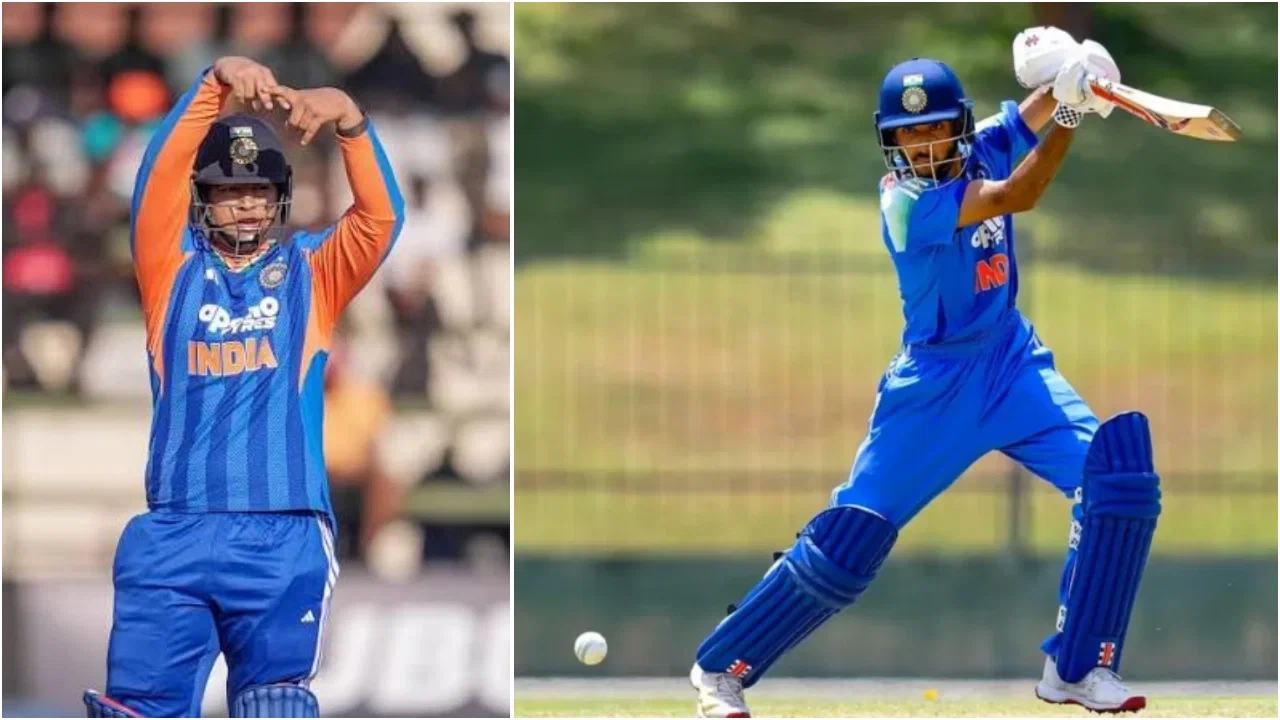
Aaryavir Sehwag receives special congratulations from Vaibhav Sooryavanshi after U19 Asia Cup triumph

England to return to Zimbabwe for historic Test match after three decades
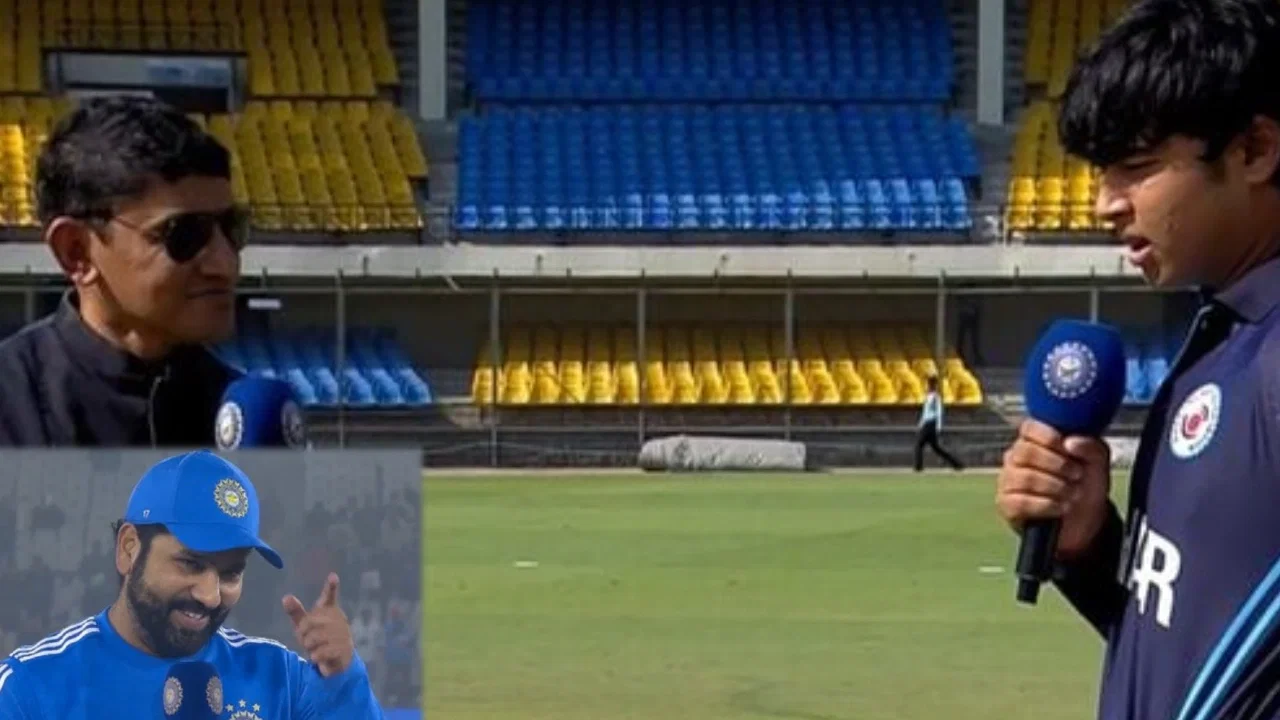
Vaibhav Sooryavanshi suffers Rohit Sharma-like brain-fade during toss, forgets combination
“Shreyas Iyer has to be careful”: Kris Srikkanth sounds warning to India star over poor ODI form
ICC delays decision on franchise league rules as MLC and ILT20 await clarity
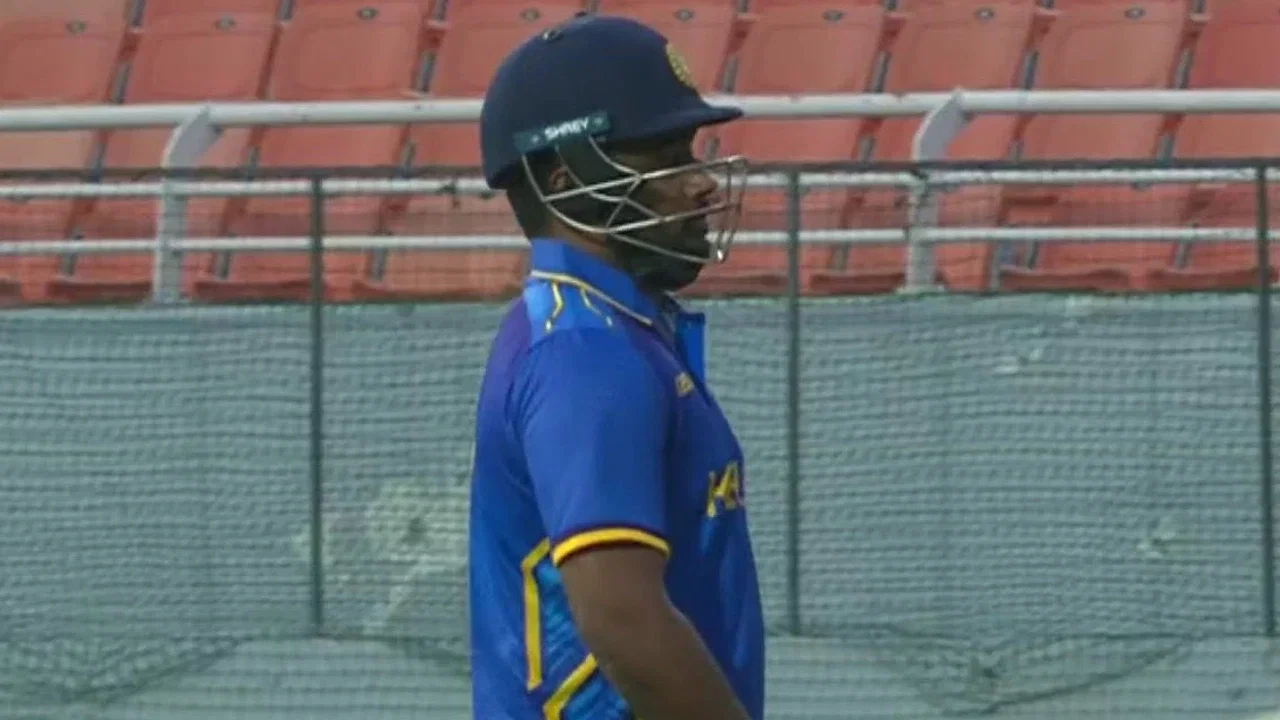
Sanju Samson fails in SMAT after horror show for India
IPL 2027: Gujarat Titans set to sign Harshal Patel in all-cash deal with SRH
“I know his limitations well”: R Ashwin opens up on Ravindra Jadeja’s biggest weakness
Aakash Chopra picks India’s best ODI captain, Virat Kohli not in top three
“Mohit Ulva you freak”: Fans react as India pull off stunning win over Pakistan in U19 Asia Cup 2026 final
India U19 vs Pakistan U19: All ODI match results from 1988 to 2026

ECB declares war on YouTube show, threatens Ashes ban for popular Commentators