“I know his limitations well”: R Ashwin opens up on Ravindra Jadeja’s biggest weakness
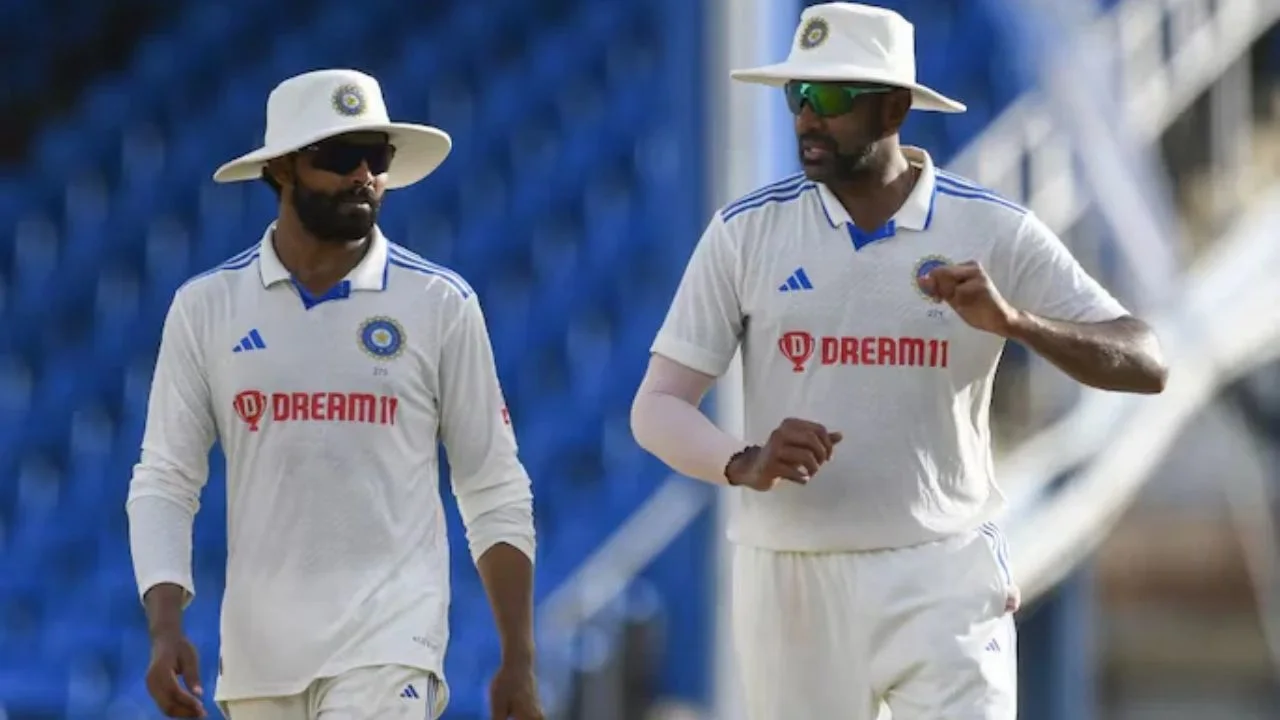
Ravichandran Ashwin Explains What Made Ravindra Jadeja a Unique Test Bowler
For years, Ravichandran Ashwin and Ravindra Jadeja formed one of the most influential spin partnerships in Test cricket. On home pitches, their contrasting styles helped India control matches, apply relentless pressure and turn promising positions into victories. Now retired from international cricket, Ashwin has offered a revealing assessment of his former teammate—praising Jadeja’s natural gifts while explaining why his bowling was so difficult to face.
Speaking on Aakash Chopra’s podcast, Baith & Bol, Ashwin said he understood Jadeja’s limitations as well as his strengths. His comments may sound blunt in isolation, but the larger point was one of admiration: Jadeja did not need a wide range of elaborate variations to trouble batters. Instead, he built pressure with accuracy, pace through the air and an exceptionally consistent release.
Ashwin’s Prediction About Jadeja’s Strengths
Ashwin described Jadeja as a naturally gifted bowler whose uncomplicated action and repeatable release helped him land the ball in the same challenging area over and over. That consistency made him especially effective in Test cricket, where patience and control can be as valuable as dramatic turn.
“I know his limitations well,” Ashwin said, adding that only a small number of people could help Jadeja work within them. He recalled that if Jadeja had a difficult day, the best approach was often reassurance rather than a major technical overhaul. His action was simple, his release point was clear and his accuracy allowed him to trust his method.
Ashwin also used a striking description of Jadeja’s approach, saying he did not think of it as a conventional skill for dismissing batters. Instead, Jadeja excelled at “choking” them—gradually limiting their options until mistakes became more likely. The distinction helps explain why his spells could appear understated yet have such a strong effect on a match.
How Jadeja Took Away a Batter’s Options
Jadeja’s low trajectory made it difficult for batters to sweep comfortably. His pace through the air also reduced the time available to advance down the pitch, while his consistent line and length made defensive shots feel uncertain. A batter could not easily assume that the next delivery would offer a different pace or flight, but that predictability was part of the trap: the ball kept arriving in a testing area, forcing the opponent to make the first risky move.
In a long innings, that kind of pressure can be just as important as a sharp turn or a dramatic change of pace. Jadeja could make scoring feel difficult without appearing to do anything extraordinary. His bowling was built around repetition, discipline and the ability to keep asking the same difficult question until a batter answered incorrectly.
That approach proved especially useful in India, where dry surfaces can reward spin but also demand sustained accuracy. Rather than relying only on big turn, Jadeja could use his speed, trajectory and control to make even a modestly responsive pitch challenging. In Ashwin’s assessment, the ability to repeat that combination was a rare talent in itself.
Why Ashwin’s Respect for Jadeja Grew
Ashwin said his appreciation for Jadeja increased when he understood how much skill was required to maintain that pressure. Spinning the ball while delivering it at a brisk pace is not simple, and doing so repeatedly without losing control requires exceptional coordination. Jadeja’s strength was not necessarily constant experimentation; it was his ability to execute a demanding plan with remarkable reliability.
Ashwin also praised the broader range of abilities that made Jadeja such a valuable cricketer. Beyond his left-arm spin, he has been known for his athletic fielding, powerful and adaptable batting, quick movement across the ground and accurate throws. Ashwin recalled Jadeja’s ability to contribute in several ways, from taking catches and producing direct hits to playing attacking strokes and defending against spin.
He also pointed to Jadeja’s domestic batting record, including a triple century in the Ranji Trophy, as evidence of the depth of his talent. For Ashwin, the striking feature was how naturally those abilities seemed to come to Jadeja. He said that even after working hard to match his teammate’s strengths, he felt Jadeja’s skill remained on another level.
The comments offer a useful reminder that elite performance does not always come from constant technical change. Some players succeed by developing a complicated toolkit; others become exceptional by repeating a small number of skills at an unusually high standard. Jadeja’s bowling has often followed the second path, turning accuracy and pace into a persistent source of pressure.
A Partnership That Defined India’s Home Test Success
Ashwin and Jadeja played 58 Tests together and combined for 587 wickets. Their partnership flourished under captains MS Dhoni and Virat Kohli, with each spinner bringing a different approach to the attack. Ashwin was celebrated for his tactical thinking and range of variations, while Jadeja offered left-arm control, pace and relentless accuracy.
Their contrasting methods gave India more than two accomplished bowlers. They allowed the team to attack from different angles and maintain pressure across long sessions. When one spinner created uncertainty through variation, the other could keep the scoring rate in check. That combination made it difficult for visiting batters to settle, particularly in conditions where the ball began to turn.
Their success also depended on the way they complemented one another. A partnership between spinners is not simply a matter of taking wickets; it involves building pressure, controlling one end and forcing batters to take risks. Ashwin’s comments suggest that Jadeja’s ability to restrict scoring was central to that balance.
Jadeja’s Test Record and Current Role
Jadeja remains an important member of India’s Test side. The veteran all-rounder has played 91 Tests and taken 356 wickets, while continuing to contribute with the bat and in the field. He retired from T20 internationals but remains available for Test and ODI cricket, with the longest format continuing to showcase the full range of his game.
He also spent an extended period at the top of the Test all-rounder rankings, reflecting his value across disciplines. Rankings can change as players’ form and schedules shift, but Jadeja’s record illustrates why he has been regarded as one of India’s most dependable match-winners. His ability to influence a game without relying on a single skill has made him a rare asset in modern cricket.
Ashwin’s reflections are therefore more than praise from a former teammate. They provide insight into the thinking behind Jadeja’s effectiveness: a simple action, a repeatable release, high-speed spin and the patience to keep the ball in a difficult area. For batters, that combination could steadily close off scoring options. For India, it helped make the Ashwin-Jadeja partnership one of the defining features of its home Test dominance.
Latest News
“Haven’t spoken to my dad”: Aaryavir Sehwag’s revelation on Virender Sehwag after PoTT win in U19 Asia Cup
Who is Mohit Ulva? India bowler who pulled off a thriller in U19 Asia Cup final against Pakistan
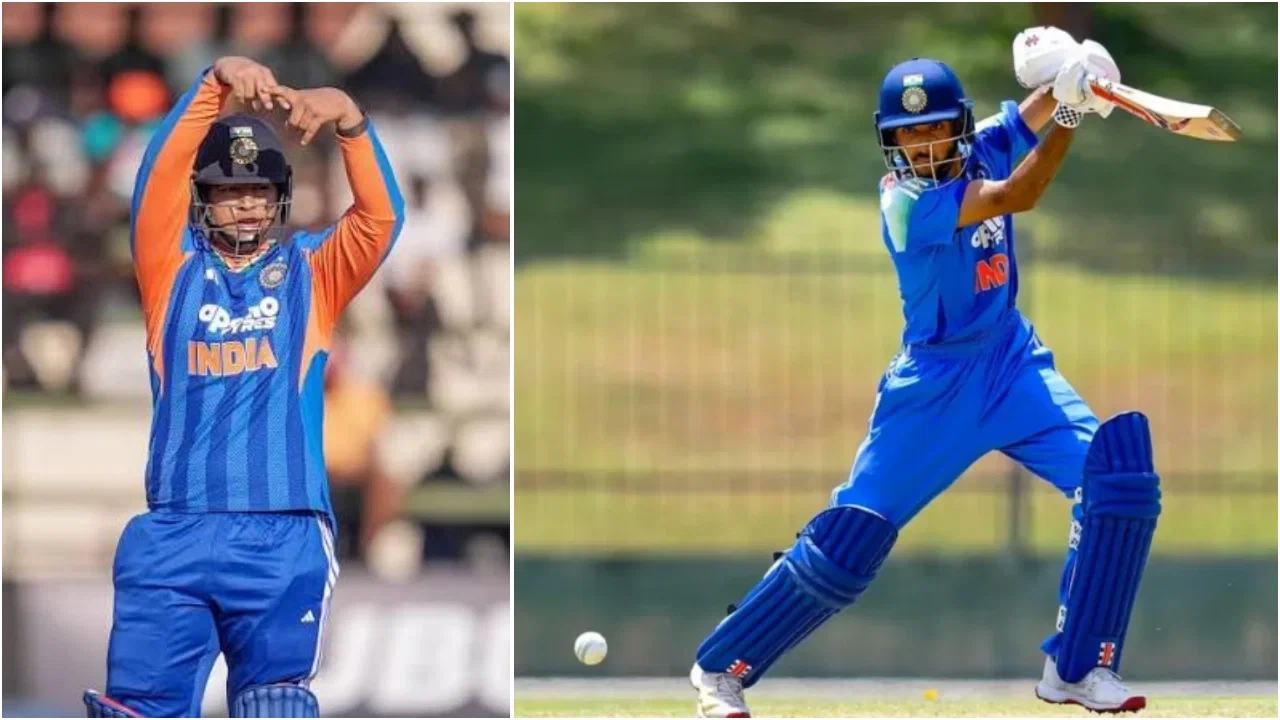
Aaryavir Sehwag receives special congratulations from Vaibhav Sooryavanshi after U19 Asia Cup triumph

England to return to Zimbabwe for historic Test match after three decades
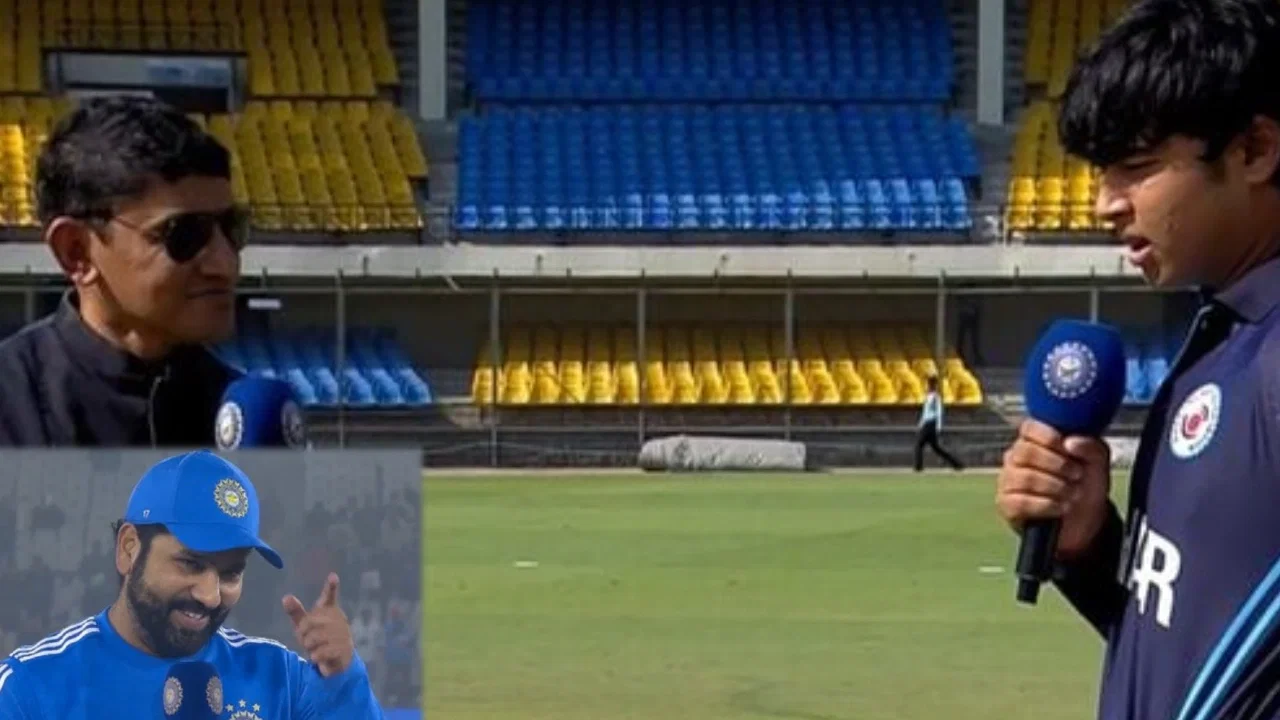
Vaibhav Sooryavanshi suffers Rohit Sharma-like brain-fade during toss, forgets combination
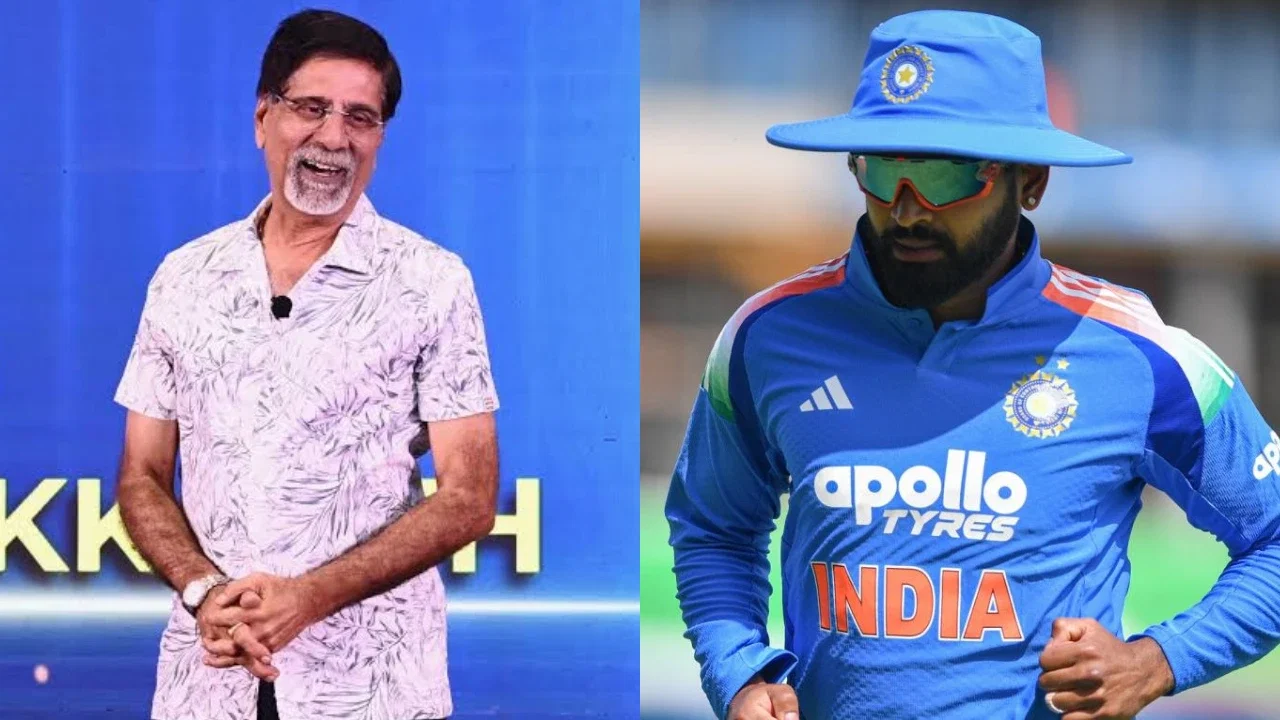
“Shreyas Iyer has to be careful”: Kris Srikkanth sounds warning to India star over poor ODI form
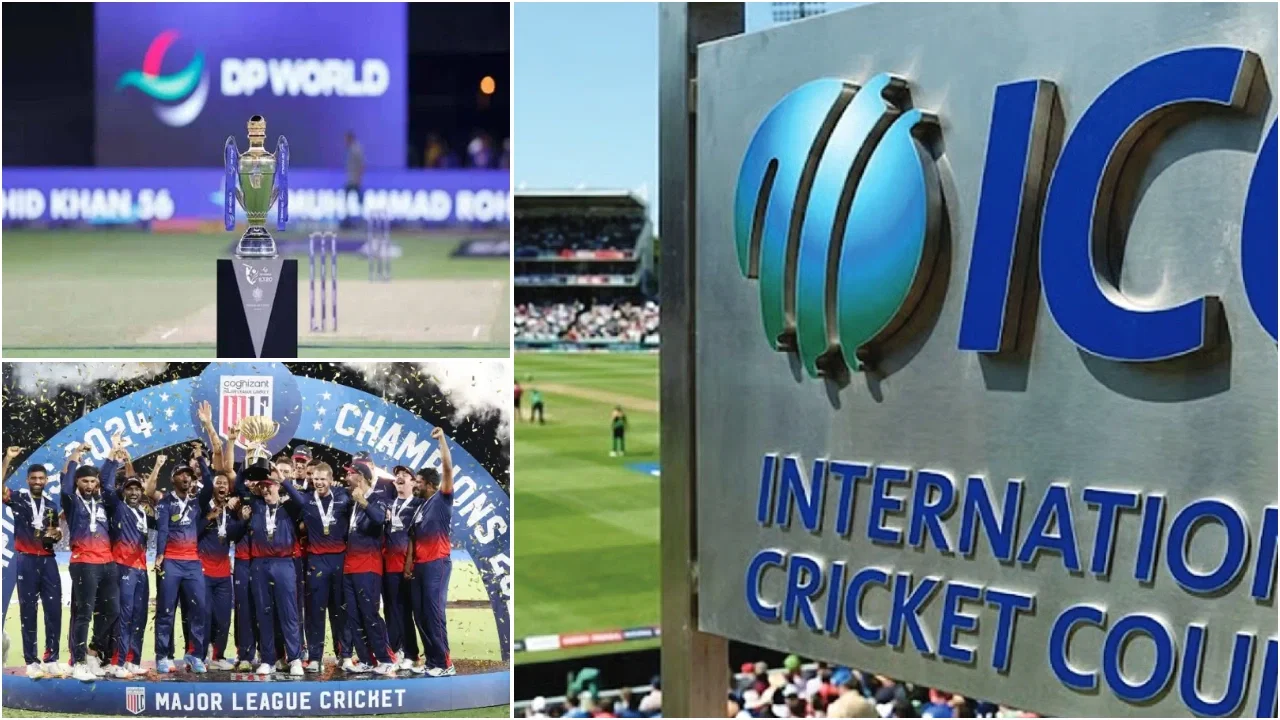
ICC delays decision on franchise league rules as MLC and ILT20 await clarity
Sanju Samson fails in SMAT after horror show for India
IPL 2027: Gujarat Titans set to sign Harshal Patel in all-cash deal with SRH
“I know his limitations well”: R Ashwin opens up on Ravindra Jadeja’s biggest weakness
Aakash Chopra picks India’s best ODI captain, Virat Kohli not in top three
“Mohit Ulva you freak”: Fans react as India pull off stunning win over Pakistan in U19 Asia Cup 2026 final
India U19 vs Pakistan U19: All ODI match results from 1988 to 2026

ECB declares war on YouTube show, threatens Ashes ban for popular Commentators