ICC delays decision on franchise league rules as MLC and ILT20 await clarity
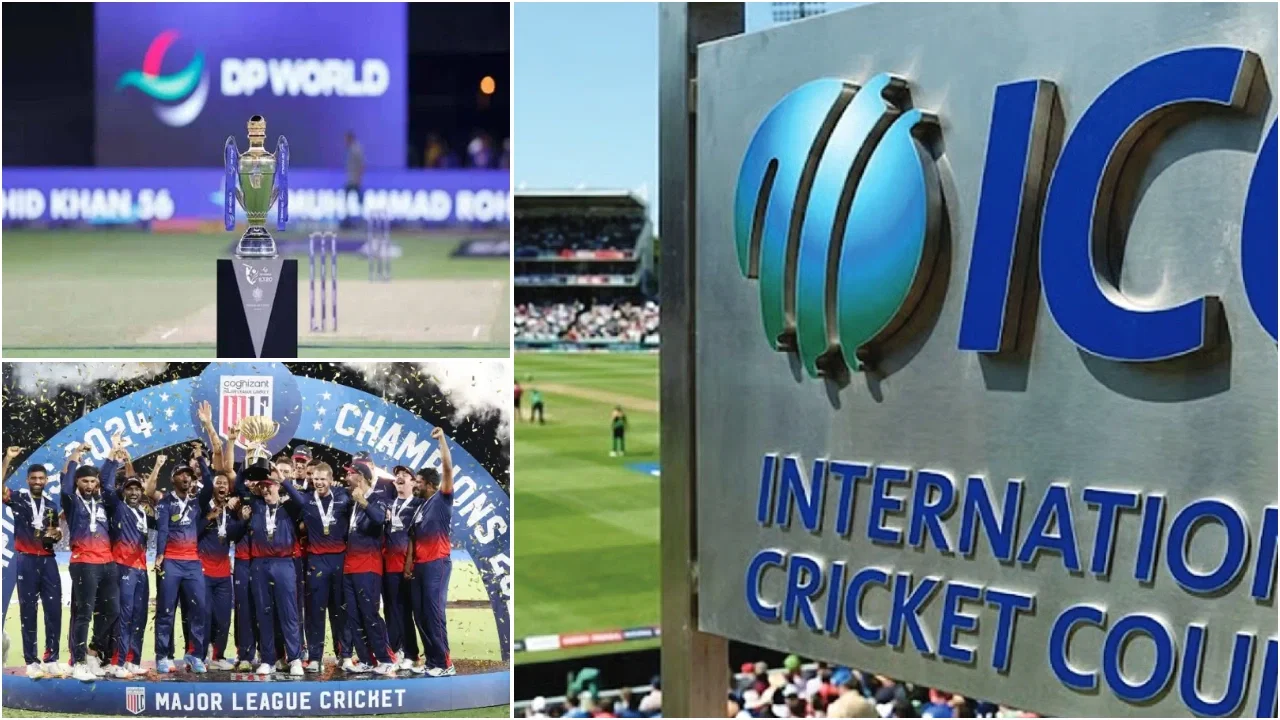
ICC Franchise League Review Puts ILT20 and MLC Overseas-Player Rules in Focus
Prediction: The International Cricket Council is unlikely to impose an immediate limit on overseas players in franchise T20 leagues, despite a review group recommending that the number of foreign cricketers in a playing XI be capped. That uncertainty matters particularly to the UAE’s International League T20 (ILT20) and the United States’ Major League Cricket (MLC), competitions whose current team-building models rely heavily on international recruits.
The proposal emerged from an ICC-commissioned review of leading franchise leagues around the world. Its aim is to consider how the fast-growing T20 circuit can develop in a more balanced and sustainable way. Among the ideas discussed was a common limit on overseas players in each league’s playing XI. However, no final decision was reached at the ICC meeting in Bali, leaving the existing rules in place for now.
Why a proposed overseas-player cap matters
Franchise leagues differ significantly in how they balance international stars with homegrown cricketers. Some competitions have built their identity around developing local talent, using overseas players to strengthen teams and attract audiences. Others have fewer established domestic players to draw from and depend more directly on international professionals to create competitive squads.
That distinction is central to the discussion around ILT20 and MLC. A strict limit—reportedly as low as four overseas players in a starting XI—could require both leagues to rethink how they recruit, select and market their teams. It could also affect the availability of well-known international players, who are a major part of the appeal for fans and broadcasters.
Any change would therefore reach beyond team selection. Overseas-player rules influence player contracts, franchise budgets, squad planning and the overall quality of a competition. For newer leagues, a sudden reduction in the number of international stars could make it harder to establish a distinctive product while their domestic player pools continue to grow.
ILT20’s current playing conditions
The UAE’s ILT20 currently permits up to nine overseas players in a playing XI, with one place reserved for a player from an Associate Member nation. That structure gives franchises considerable flexibility to recruit from established cricketing countries while also creating an opportunity for players from emerging cricket nations.
The format reflects the league’s particular circumstances. The UAE has a growing cricket community, but its pool of locally developed players is not yet comparable in depth to that of older cricket nations. International recruits help raise the standard of competition and bring experience from major domestic leagues and international cricket.
A lower cap could encourage greater investment in UAE-based talent over time. But reaching that goal would take more than changing the rules. It would likely require stronger development pathways, more competitive domestic opportunities and sustained coaching support. Without those measures, franchises could face difficulty filling places with players who are ready to compete at the highest level.
What a cap could mean for Major League Cricket
Major League Cricket, the United States’ professional T20 competition, currently allows franchises to include up to six overseas players in their playing combination. The league is also working to build a stronger domestic foundation, but American cricket is still developing its professional infrastructure and player pipeline.
International cricketers have helped MLC attract attention and establish a competitive standard. They bring experience, recognizable names and a level of play that can help introduce new audiences to the sport. At the same time, the league’s long-term growth depends on creating more opportunities for American players and strengthening the country’s domestic system.
A tighter overseas limit could support that objective in principle by opening more places for local cricketers. The practical challenge would be ensuring that enough domestic players are ready to fill those roles. If the change arrived before the talent pool had grown sufficiently, teams could face a difficult transition, potentially affecting match quality and franchise planning.
No immediate ICC decision
Reports following the Bali meeting indicated that officials discussed the review group’s recommendations but did not approve them. A further round of discussions was expected, though an immediate rule change was considered unlikely. A source familiar with the board meeting told Hindustan Times that the recommendations were expected to remain under discussion rather than be implemented straight away.
For now, that means ILT20 and MLC are not facing an immediate change to their overseas-player limits. Still, the review has placed the issue firmly on the agenda. The ICC may continue to examine whether a shared framework is appropriate for leagues that operate in very different cricketing environments.
The central question is not simply how many overseas players a league should allow. It is whether a single global standard can accommodate competitions at different stages of development. A mature league with a deep domestic system may be able to limit overseas selections more easily than a newer competition that relies on international recruits to establish its quality and profile.
Balancing global stars with local development
Supporters of a cap may argue that more places for domestic players can strengthen national pathways and prevent franchise competitions from becoming overly dependent on imported talent. A consistent approach could also give the ICC a clearer way to assess how leagues contribute to the wider game.
However, a uniform rule could have unintended consequences if it does not account for local conditions. The overseas-player allowance affects how leagues attract audiences, secure commercial partnerships and build competitive squads. A gradual transition—paired with investment in domestic cricket—could be more practical than an abrupt reduction, should the ICC eventually decide to act.
The review group is led by Bangladesh Cricket Board president Tamim Iqbal and includes BCCI secretary Devajit Saikia, England and Wales Cricket Board chief executive Richard Gould, and Cricket Australia chief executive Todd Greenberg. Its recommendations form part of a broader examination of the franchise game and its place in the international cricket calendar.
For ILT20 and MLC, the immediate outlook remains unchanged, but the longer-term picture is still developing. The most likely near-term prediction is continued discussion rather than a sudden ICC mandate. Any eventual decision will need to weigh the benefits of providing more opportunities for local players against the realities facing leagues whose domestic talent systems are still taking shape.
Latest News
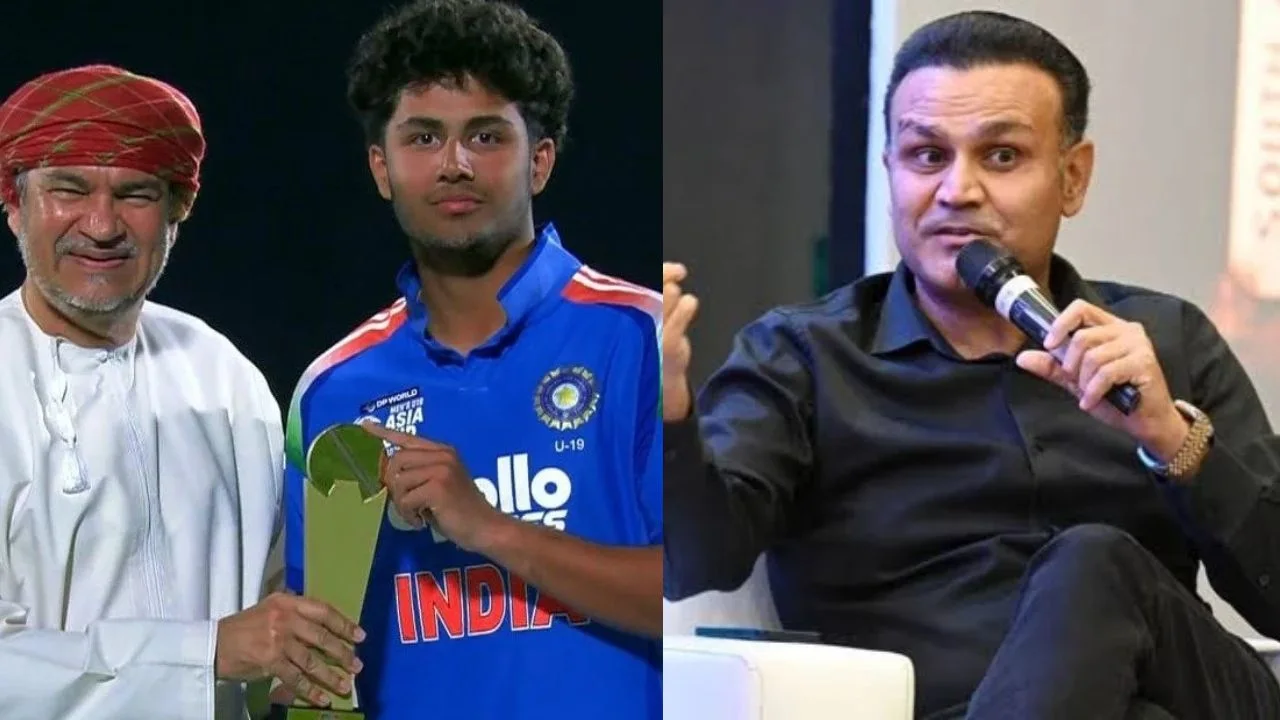
“Haven’t spoken to my dad”: Aaryavir Sehwag’s revelation on Virender Sehwag after PoTT win in U19 Asia Cup
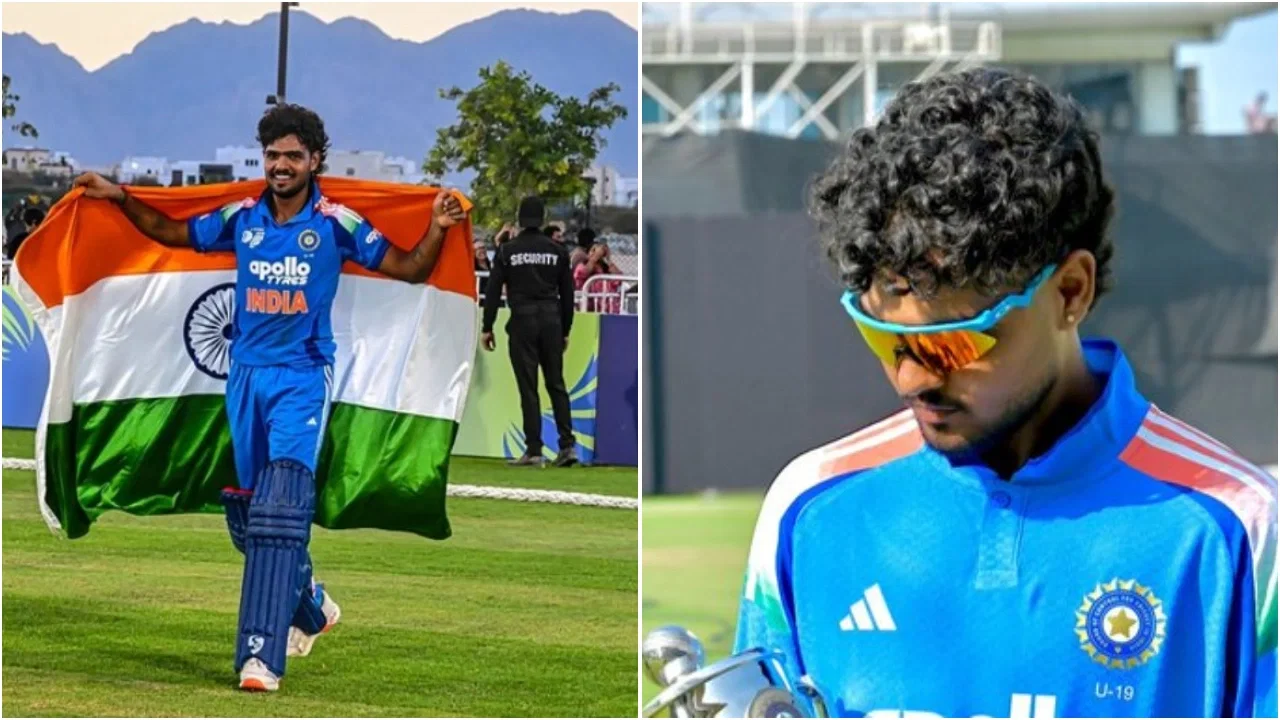
Who is Mohit Ulva? India bowler who pulled off a thriller in U19 Asia Cup final against Pakistan
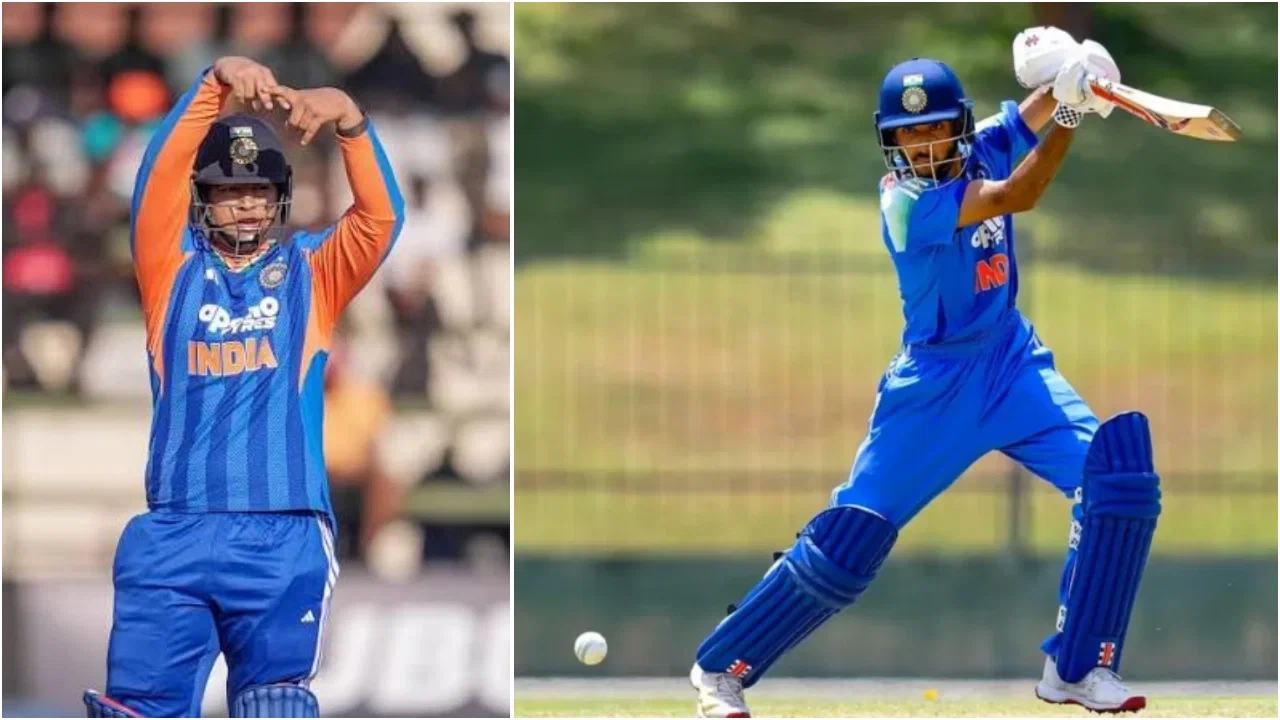
Aaryavir Sehwag receives special congratulations from Vaibhav Sooryavanshi after U19 Asia Cup triumph
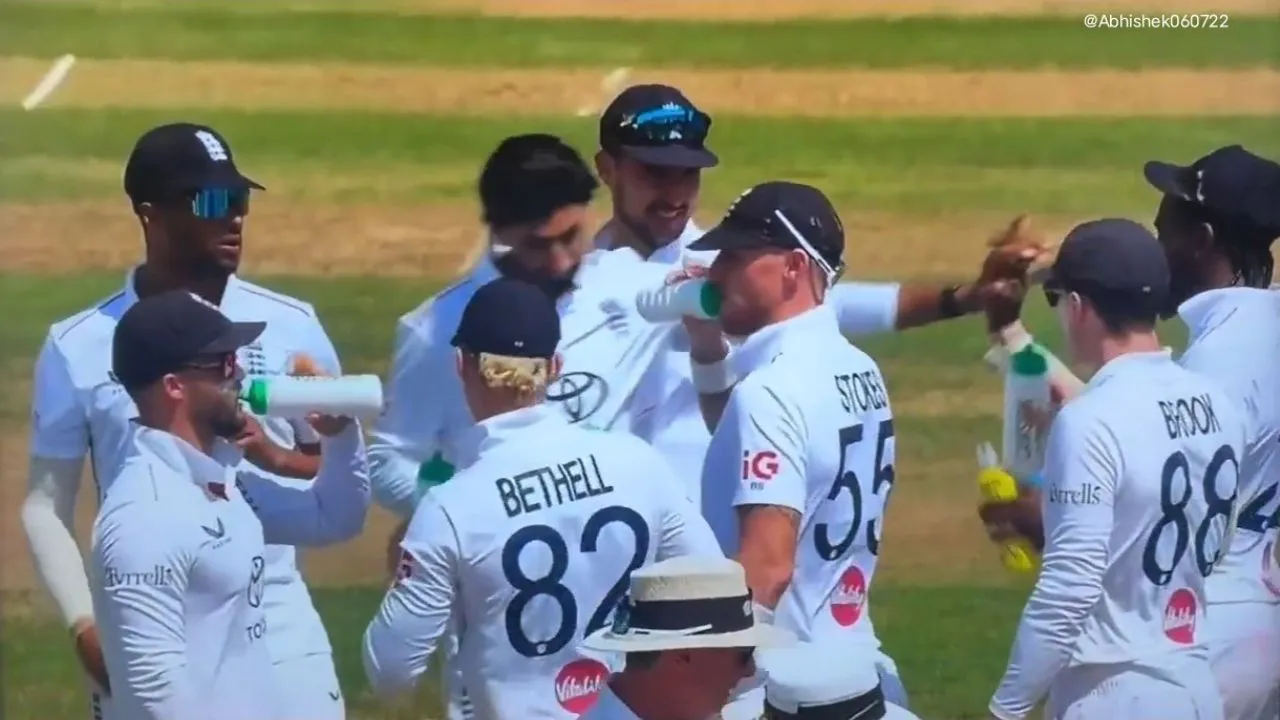
England to return to Zimbabwe for historic Test match after three decades
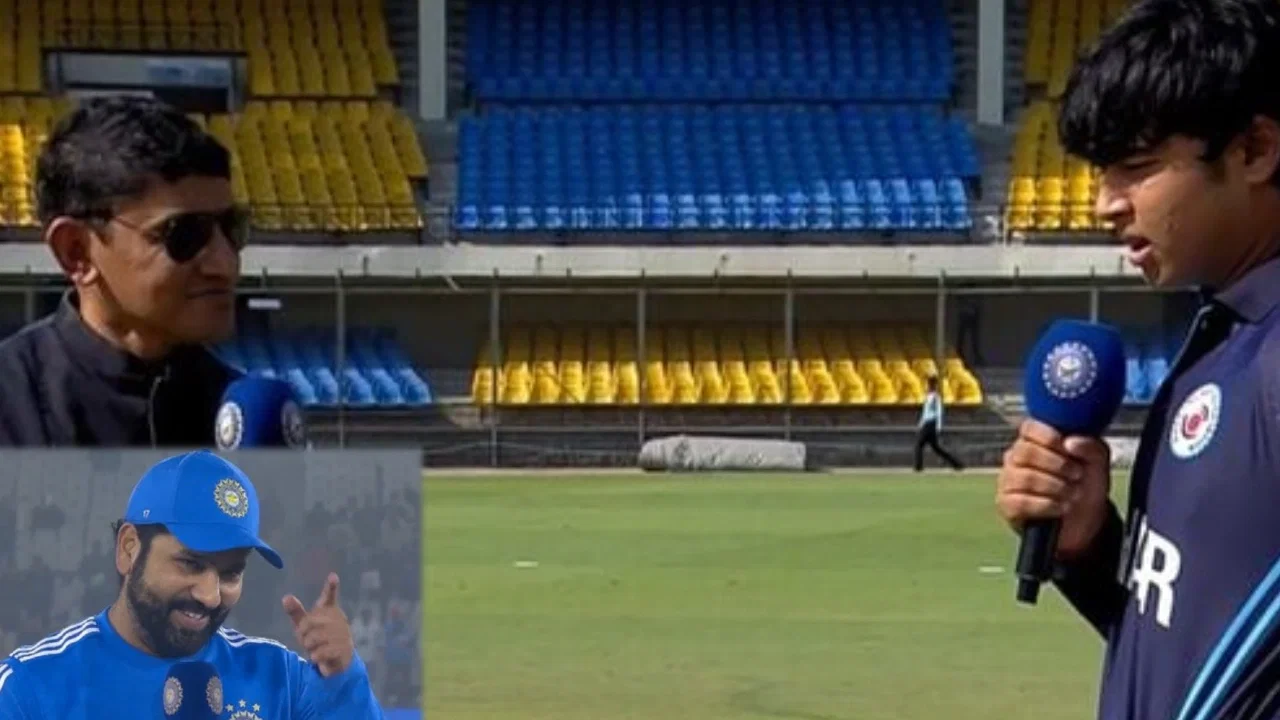
Vaibhav Sooryavanshi suffers Rohit Sharma-like brain-fade during toss, forgets combination
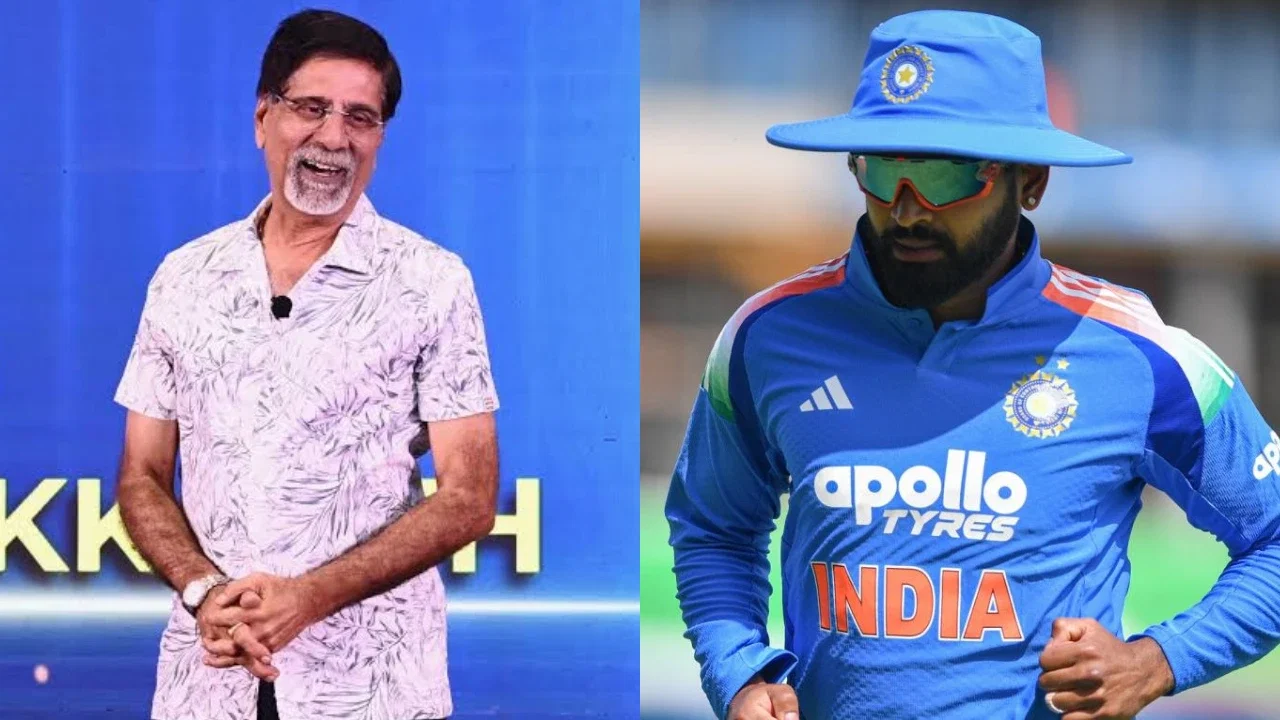
“Shreyas Iyer has to be careful”: Kris Srikkanth sounds warning to India star over poor ODI form
ICC delays decision on franchise league rules as MLC and ILT20 await clarity
Sanju Samson fails in SMAT after horror show for India
IPL 2027: Gujarat Titans set to sign Harshal Patel in all-cash deal with SRH
“I know his limitations well”: R Ashwin opens up on Ravindra Jadeja’s biggest weakness
Aakash Chopra picks India’s best ODI captain, Virat Kohli not in top three
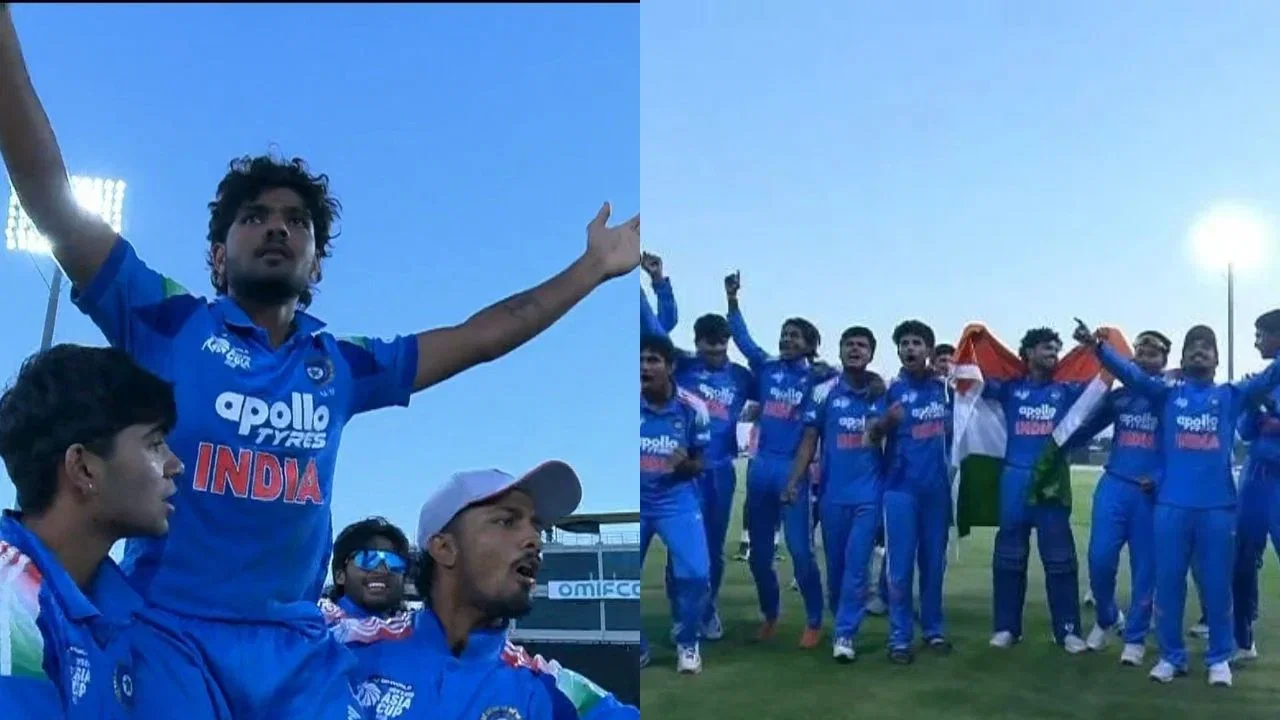
“Mohit Ulva you freak”: Fans react as India pull off stunning win over Pakistan in U19 Asia Cup 2026 final
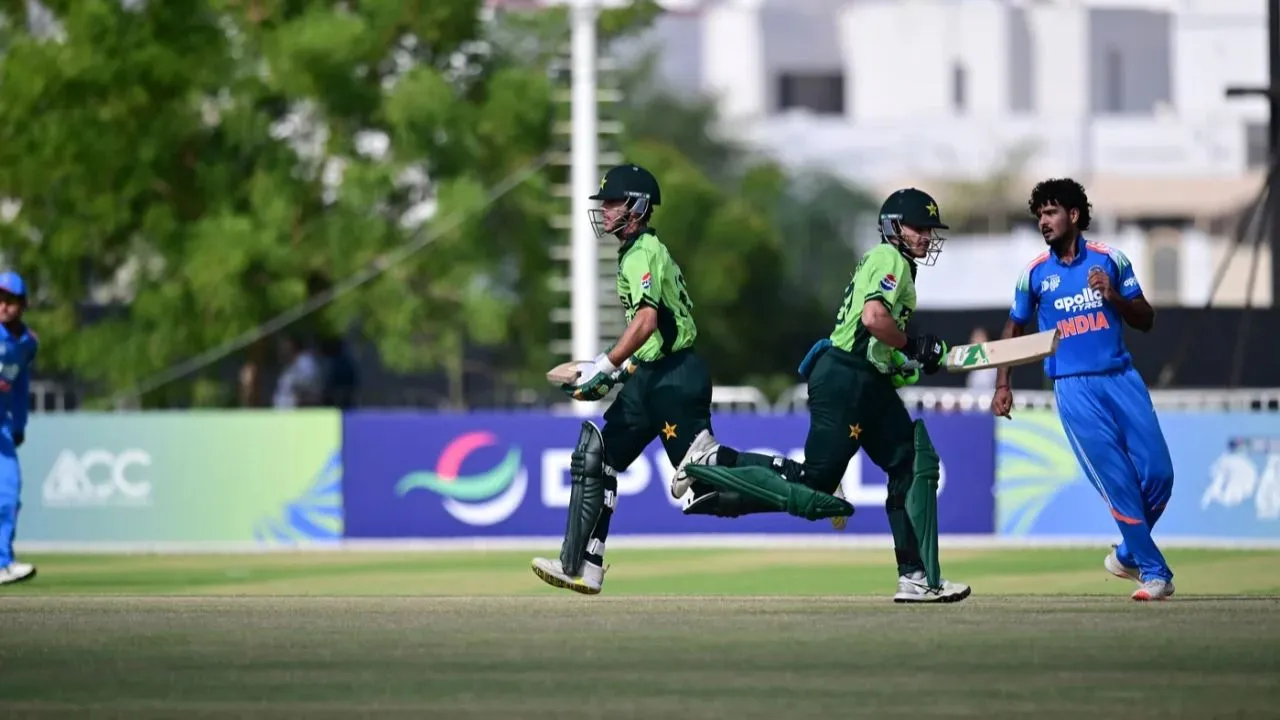
India U19 vs Pakistan U19: All ODI match results from 1988 to 2026

ECB declares war on YouTube show, threatens Ashes ban for popular Commentators