“Mohit Ulva you freak”: Fans react as India pull off stunning win over Pakistan in U19 Asia Cup 2026 final
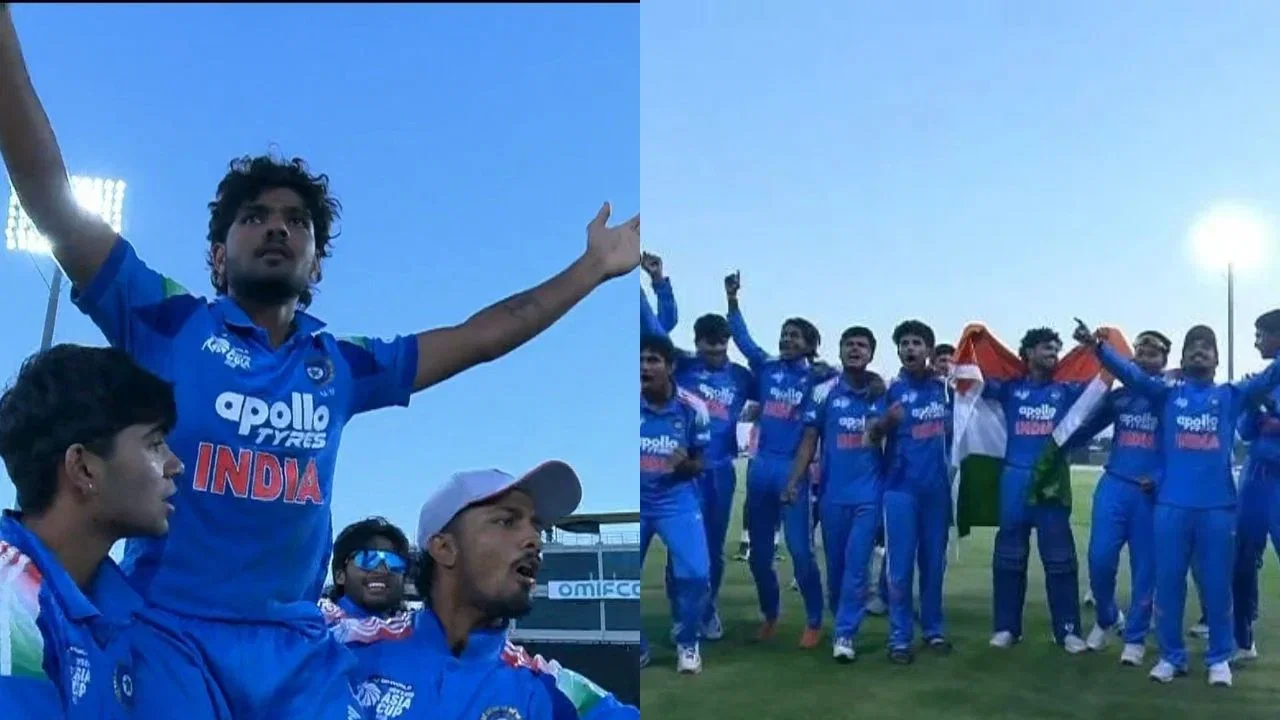
India U-19 Beat Pakistan by One Wicket in a Last-Ball Asia Cup Final Thriller
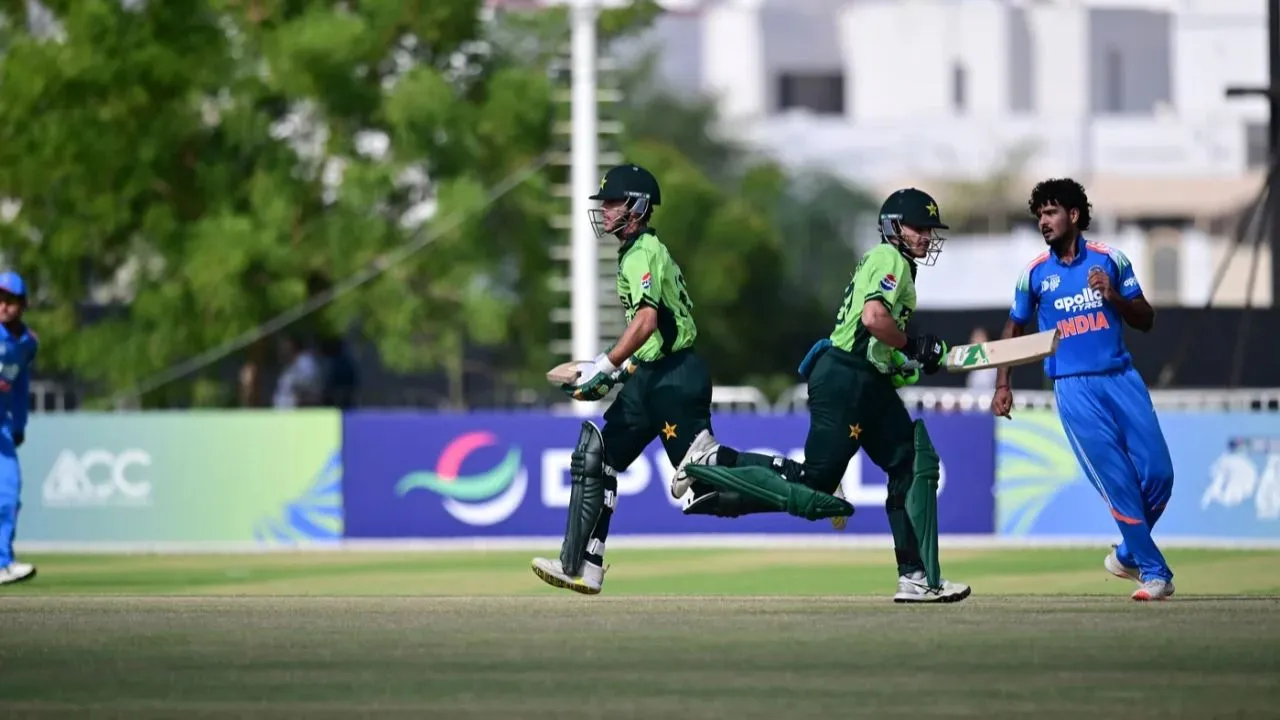
India’s Under-19 team claimed the ACC Men’s U-19 Asia Cup 2026 title after completing a remarkable chase against Pakistan in a final that went down to the last delivery. At Al Amerat Cricket Ground in Oman, India reached a target of 338 with one wicket remaining, sealing a one-wicket victory when Mohit Ulva struck a boundary off the final ball of the match.
The finish capped a contest filled with momentum swings, big individual performances and late drama. Pakistan had built a formidable total of 337, putting India under pressure from the outset. But the Indian batters stayed in the hunt, and Ulva’s unbeaten, lower-order contribution turned a difficult chase into a tournament-defining triumph.
Pakistan Set India a Challenging Target of 338
After choosing to bat first, Pakistan’s top order laid the foundation for a commanding score. Opener Usman Khan led the innings with 107 from 111 deliveries, striking 11 fours and three sixes. His composed century gave Pakistan the platform to accelerate and keep the scoreboard moving through the middle overs.
Abdul Qadir added 80, while captain Farhan Yousaf contributed 63, ensuring Pakistan maintained pressure on the Indian bowling attack. Their partnerships helped the side reach 337 in its allotted 50 overs—a total that appeared imposing in a final, particularly with the trophy at stake.
India did find ways to limit Pakistan’s progress. Kavya Patel was the standout bowler, taking four wickets in his 10-over spell, while Chigurupati Venkata claimed three. Their efforts prevented Pakistan from pushing the total even higher, a factor that would prove crucial as India began its chase.
India’s Openers Build a Strong Platform
India needed a confident start against a target requiring sustained scoring across the innings. Lakshya Rajesh Raichandani and Aaryavir Sehwag responded with a valuable opening partnership, giving their team early stability and keeping the required rate within reach.
Raichandani scored 80 from 101 balls, anchoring the innings with patience, while Sehwag made 58 from 61 deliveries. India had reached 95 without loss after 17.4 overs, placing the chase on a promising footing. Their stand also showed that the target was achievable if the middle order could continue the momentum.
However, Raichandani’s dismissal gave Pakistan an opening. India lost further wickets in quick succession, and the match’s balance shifted sharply. Pakistan’s bowlers sensed an opportunity to defend their total, while India’s chase began to depend on contributions from the lower half of the batting order.
Mohit Ulva’s Late Assault Changes the Match
With India under intense pressure, Mohit Ulva arrived at No. 10 and produced the innings of the final. He remained unbeaten on 49 from just 26 balls, striking five fours and three sixes. His fearless hitting gave India a renewed chance when the match appeared to be slipping away.
Ulva’s knock was not simply a burst of power. It came at a moment when India needed both runs and composure, with Pakistan closing in on victory and the required total still demanding bold stroke-play. By finding the boundary and clearing it at key moments, he kept the chase alive and forced Pakistan to defend every delivery.
The decisive moment came on the sixth ball of the 50th over. Facing Pakistan fast bowler Ahmed Hussain, Ulva connected for four, taking India past the target and confirming a one-wicket win. The boundary transformed a tense final delivery into a title-winning finish and made Ulva the central figure in one of the tournament’s most memorable endings.
A Final That Captured the Pressure of India-Pakistan Cricket
India and Pakistan entered the final as rivals with a major trophy on the line, and the contest reflected the intensity expected from such a meeting. Pakistan’s total demanded a near-complete batting performance from India, while the late collapse threatened to undo the visitors’ strong opening stand.
Instead, India’s younger players showed resilience under pressure. The openers supplied a platform, the bowlers had earlier restricted Pakistan from reaching an even larger score, and the lower order delivered when the match was at its most uncertain. The result was a reminder that in limited-overs cricket, a large target is never beyond reach if a team can maintain belief and find partnerships at the right time.
For Pakistan, the defeat will be difficult to absorb after posting 337 and taking the chase deep. Usman Khan’s century and the contributions from Qadir and Yousaf gave the side a strong position, but India’s late hitting ultimately denied them the title. The final also offered valuable lessons for both teams about defending big totals, managing pressure and finishing close games.
Fans Celebrate India’s Dramatic U-19 Asia Cup Victory
News of the result prompted enthusiastic reactions from cricket fans online. Supporters described the chase as extraordinary and praised Ulva’s finishing, while many celebrated India’s ability to overcome a demanding target against its arch-rival. The last-ball boundary quickly became the defining image of the final, reflecting the emotion and unpredictability that make knockout cricket so compelling.
The victory is another notable achievement for India’s youth programme, which continues to provide emerging players with experience in high-pressure international matches. For Ulva, the final may prove a significant career moment: an unbeaten 49 from 26 balls in a championship decider is the kind of performance that draws attention well beyond the tournament itself.
What the Result Means for India’s U-19 Team
India’s one-wicket success will be remembered not only for the trophy but also for the manner of the chase. The team recovered from a difficult middle phase, trusted its lower order and held its nerve until the final ball. That combination of skill and composure offers a positive prediction for the development of several players as they continue their cricketing journeys.
At the same time, one final should not be treated as a guarantee of future senior-level success. The more immediate significance is the experience these players gained: handling a steep target, responding to a collapse and performing in a high-stakes rivalry match. Those lessons can strengthen a young squad as it moves into future competitions.
In Oman, the final belonged to India. Pakistan had set a formidable challenge, but the Indian team answered with a chase that came down to the last possible delivery. When Ulva’s boundary crossed the field, India’s players celebrated a hard-earned Asia Cup crown—and fans were left with a final that will be talked about for years.
Latest News
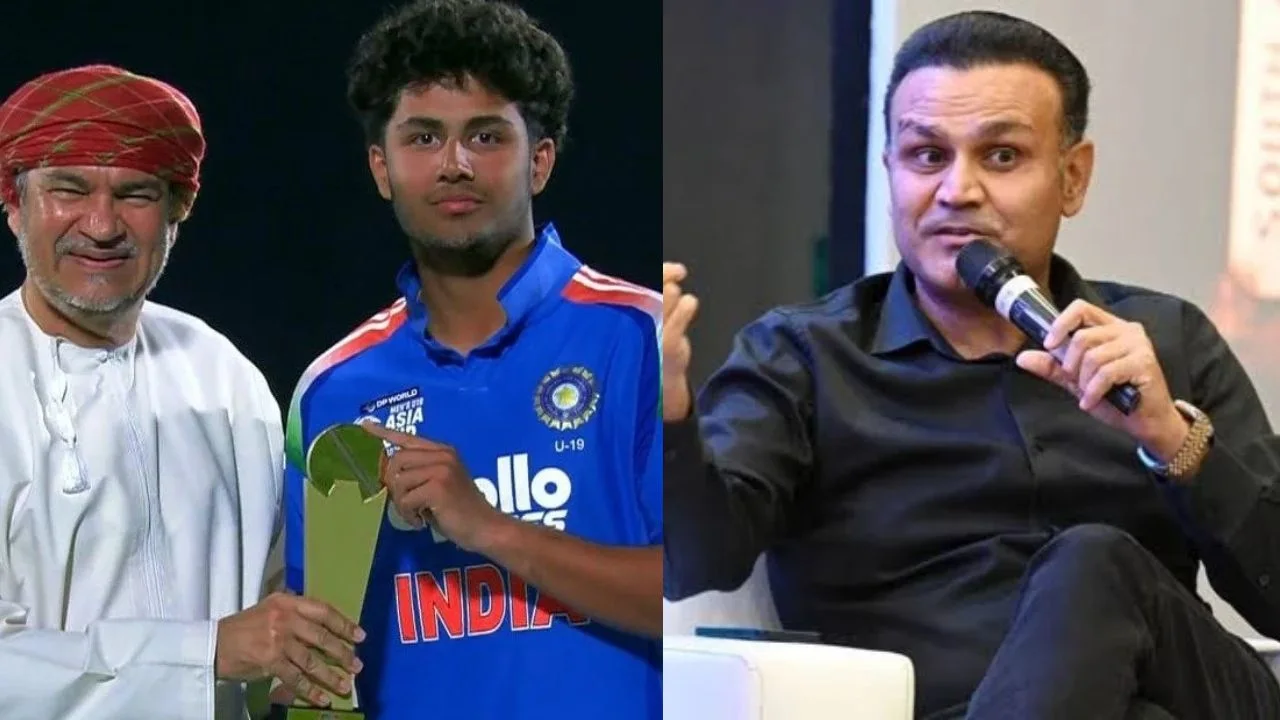
“Haven’t spoken to my dad”: Aaryavir Sehwag’s revelation on Virender Sehwag after PoTT win in U19 Asia Cup
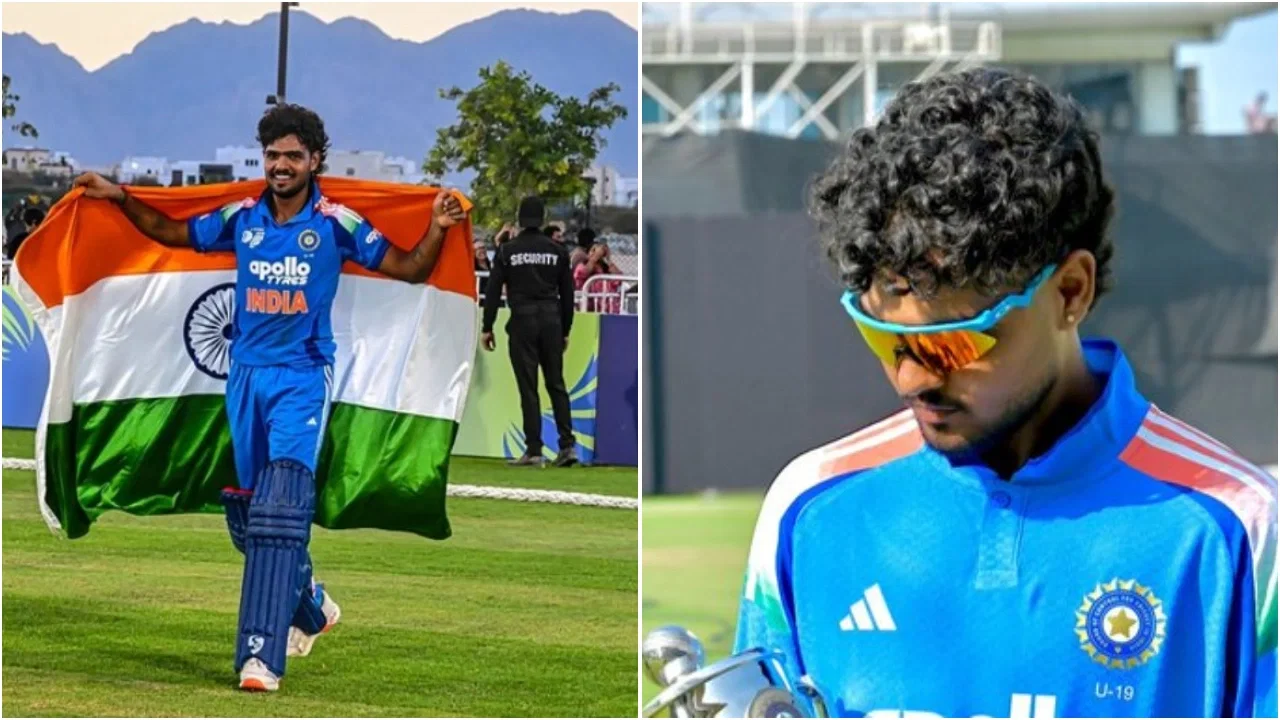
Who is Mohit Ulva? India bowler who pulled off a thriller in U19 Asia Cup final against Pakistan
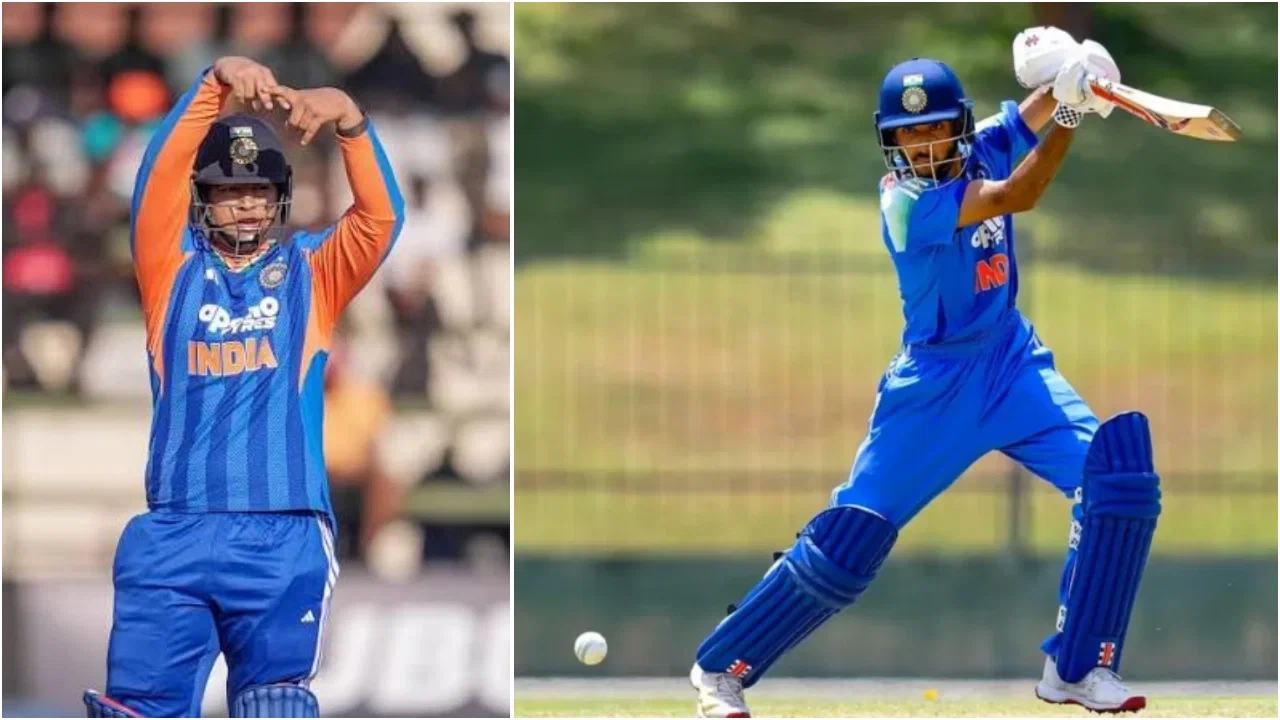
Aaryavir Sehwag receives special congratulations from Vaibhav Sooryavanshi after U19 Asia Cup triumph

England to return to Zimbabwe for historic Test match after three decades
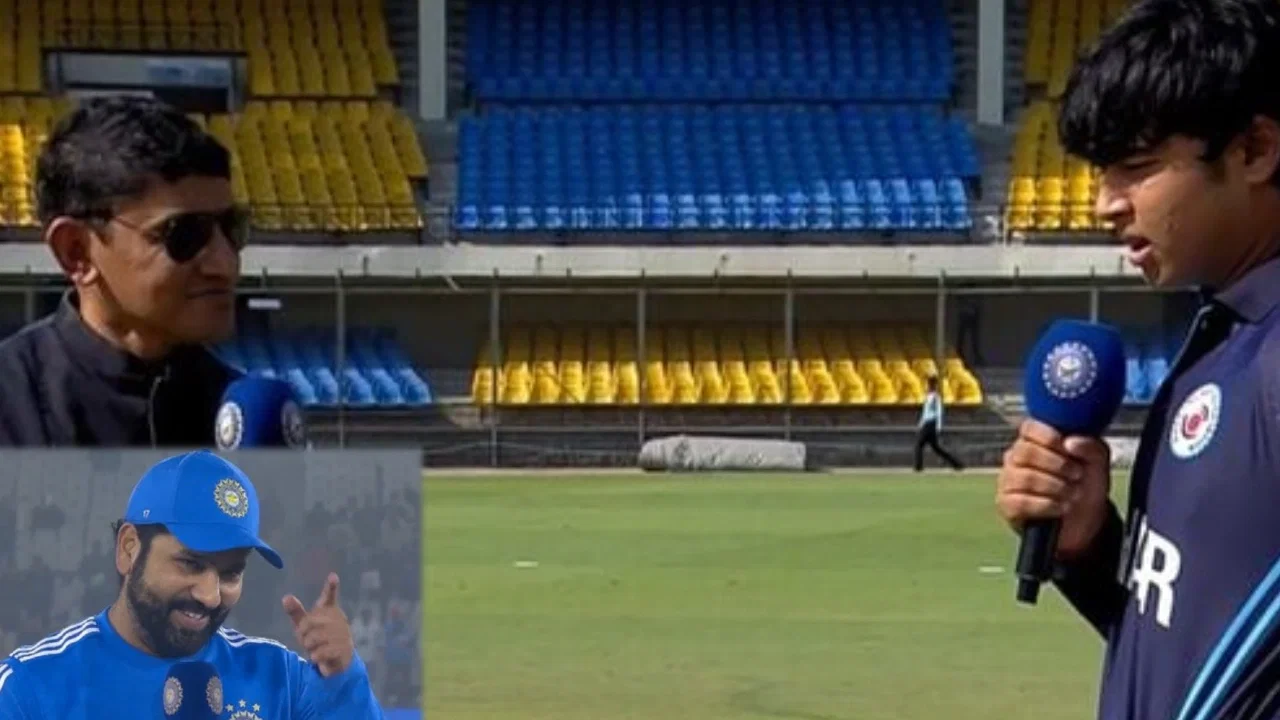
Vaibhav Sooryavanshi suffers Rohit Sharma-like brain-fade during toss, forgets combination
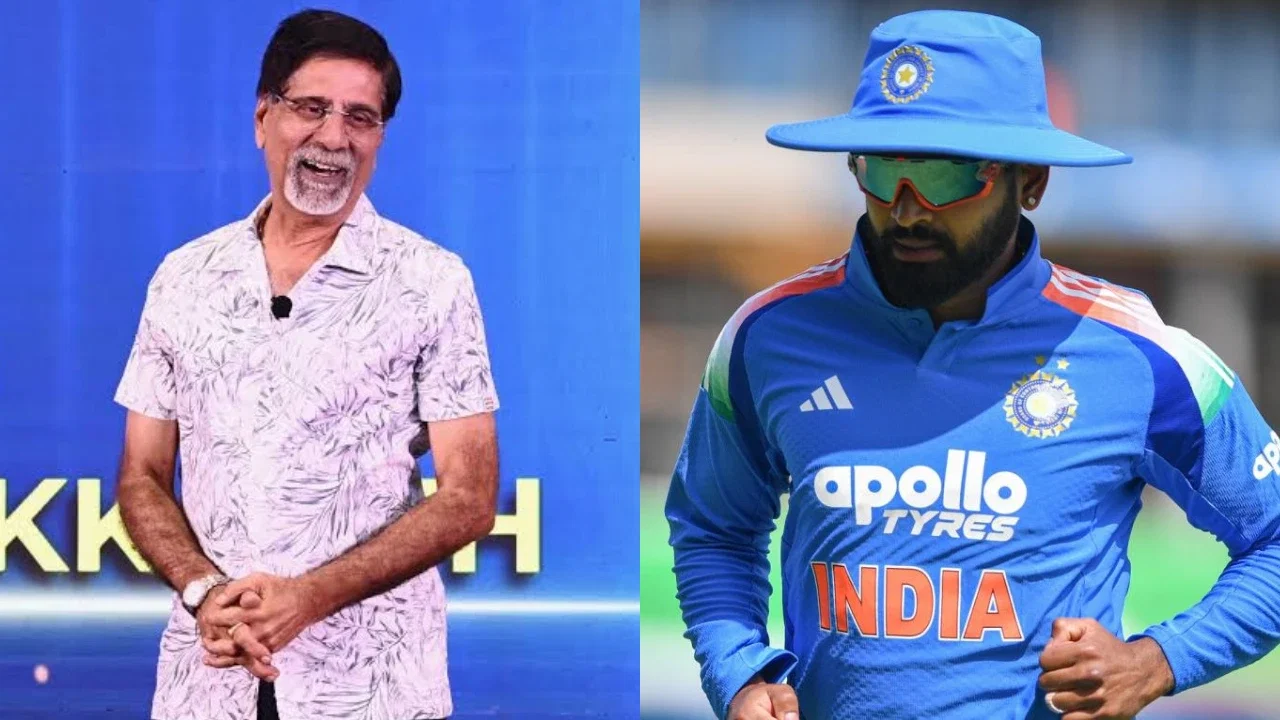
“Shreyas Iyer has to be careful”: Kris Srikkanth sounds warning to India star over poor ODI form
ICC delays decision on franchise league rules as MLC and ILT20 await clarity
Sanju Samson fails in SMAT after horror show for India
IPL 2027: Gujarat Titans set to sign Harshal Patel in all-cash deal with SRH
“I know his limitations well”: R Ashwin opens up on Ravindra Jadeja’s biggest weakness
Aakash Chopra picks India’s best ODI captain, Virat Kohli not in top three
“Mohit Ulva you freak”: Fans react as India pull off stunning win over Pakistan in U19 Asia Cup 2026 final
India U19 vs Pakistan U19: All ODI match results from 1988 to 2026

ECB declares war on YouTube show, threatens Ashes ban for popular Commentators