“Haven’t spoken to my dad”: Aaryavir Sehwag’s revelation on Virender Sehwag after PoTT win in U19 Asia Cup
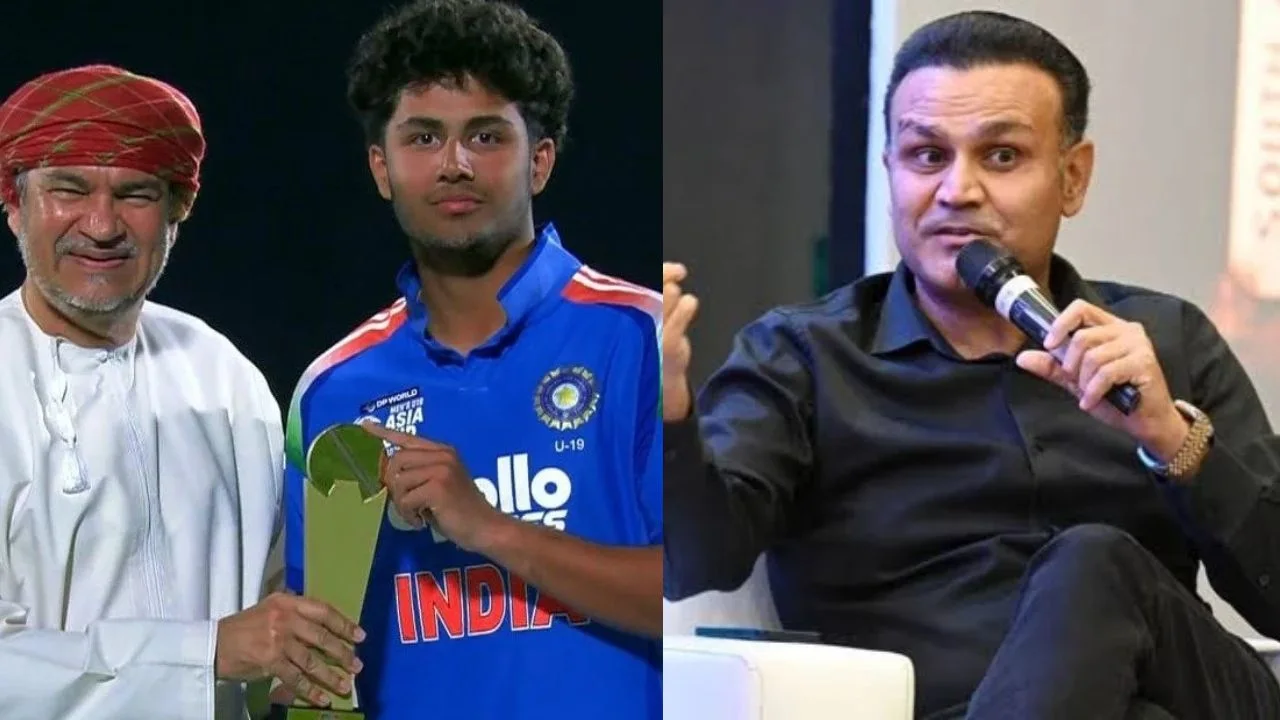
India Edge Pakistan by One Wicket in Dramatic U19 Asia Cup 2026 Final
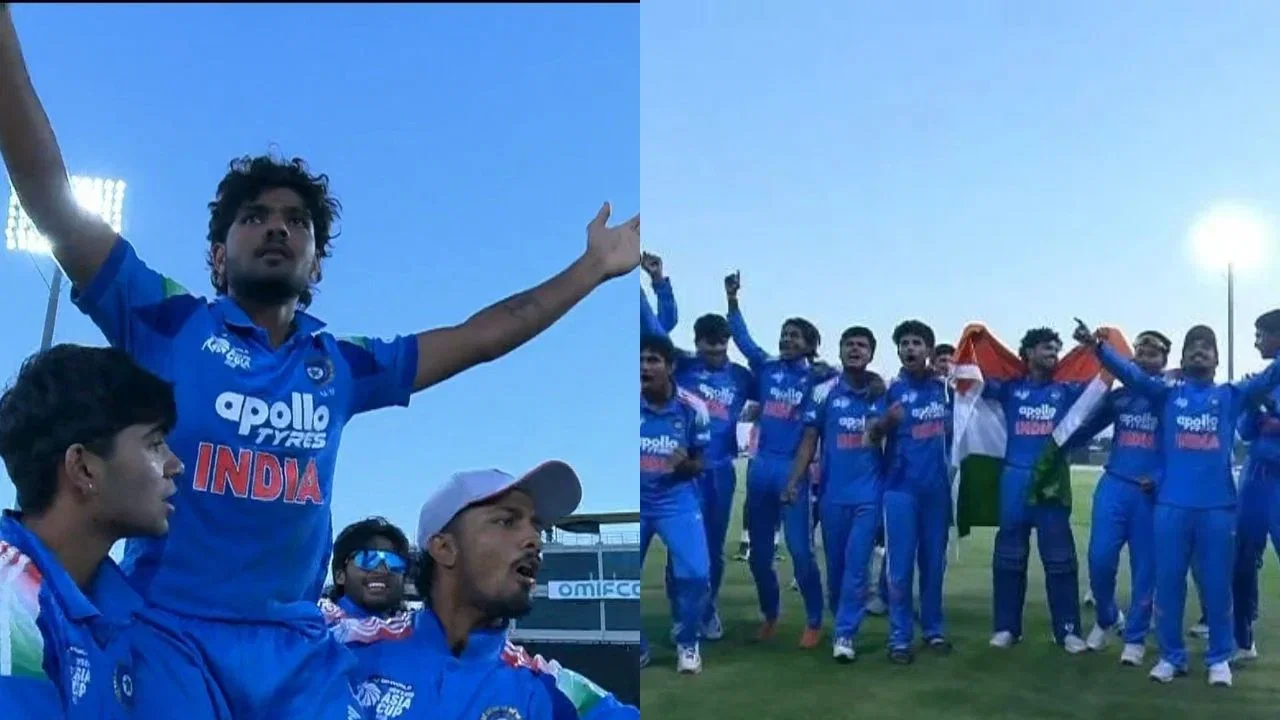
India’s Under-19 team completed a remarkable chase to defeat Pakistan by one wicket in the ACC Men’s U19 Asia Cup 2026 final, turning a daunting target into a last-over thriller at the Al Amerat Cricket Ground in Oman. The contest featured a huge first-innings total, a composed contribution from tournament star Aaryavir Sehwag and a match-winning finish from Mohit Ulva.
After Pakistan posted 337 for nine from 50 overs, India needed a sustained effort across the batting order. Aaryavir, son of former India captain Virender Sehwag, helped lay the foundation with 58, while captain Lakshya Rajesh Raichandani made 80. With the chase still hanging in the balance late in the innings, Manal Chauhan scored 47 and Ulva remained unbeaten on 49 to guide India over the line.
The result was more than a narrow victory: it was a statement about the team’s belief, adaptability and ability to handle pressure. Aaryavir’s tournament performances earned him the Player of the Tournament award, while Ulva’s composed finish made him the defining figure of the final.
Aaryavir Sehwag’s Consistent Run Earns Tournament Honour
Aaryavir arrived at the final with a strong record and added another important innings when India needed a steady start. His 58 helped build a 95-run partnership and gave the chase early momentum, preventing Pakistan’s large total from immediately dictating the match.
Across five matches, Aaryavir scored 361 runs, including three half-centuries and a century. He finished as the tournament’s leading run-scorer and also struck more sixes than any other player in the competition. His aggregate surpassed the 318 runs Yashasvi Jaiswal scored in the same tournament during an earlier edition, underlining the scale of Aaryavir’s achievement.
For a young opener carrying a famous cricketing surname, the award brings both recognition and attention. Aaryavir’s numbers, however, speak for themselves: he showed the ability to score heavily, provide brisk starts and contribute under the pressure of a high-stakes final. The tournament also offered a glimpse of how he is developing his own approach rather than relying solely on comparisons with his father.
India’s Dressing-Room Prediction: The Target Could Be Chased
Speaking after the final, Aaryavir said India’s dressing-room discussion focused on the quality of the pitch. The players believed the surface was good for batting and that they could reach the target by trusting their usual approach and playing their conventional shots.
“The discussion was the wicket is very good to bat on and it’s not a huge score,” he said, as quoted by Cricbuzz. “If we just normally bat and play our conventional shots, we’ll get to the score. And there was always a belief that we’ll chase it down.”
That prediction shaped India’s response. Rather than abandoning their plans in reaction to the imposing target, the batters looked to build partnerships and keep the required rate manageable. Aaryavir said the team had discussed the possibility of scoring 100 or even 120 runs in the final 10 overs if the conditions continued to favour batting.
That late-innings expectation proved crucial. India lost wickets, and the finish became increasingly tense, but the team’s belief gave the lower order a clear task: stay composed, find scoring opportunities and keep the chase alive. In a final where one mistake could have ended the contest, India’s confidence in the pitch and their plan helped prevent panic.
Pakistan Post 337 After Strong Top-Order Contributions
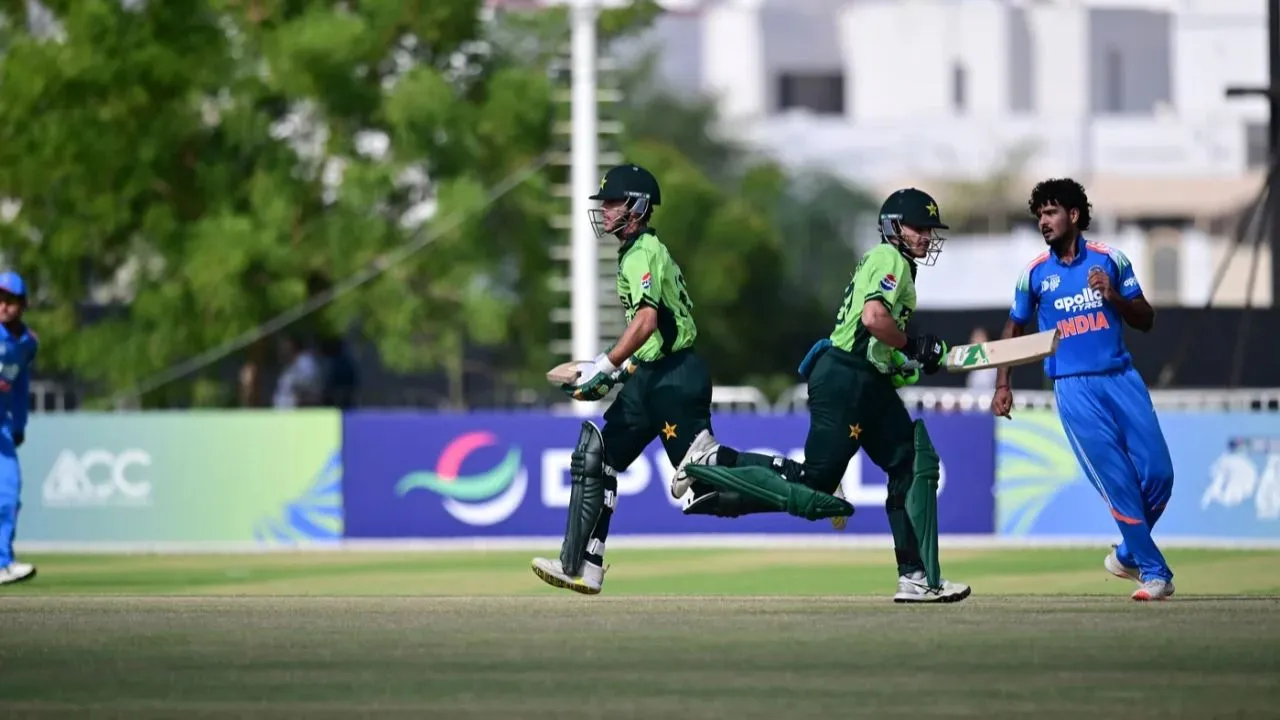
Pakistan won the toss and chose to bat first, setting up a formidable total. Usman Khan led the scoring with 107, while Abdul Qadir contributed 80 and captain Farhan Yousaf added 63. Their performances helped Pakistan reach 337 for nine in 50 overs, giving the side a substantial total to defend in the final.
India’s challenge was not simply to score quickly. With more than 300 runs required, the team needed to balance aggression with the protection of wickets. Aaryavir’s opening contribution and Raichandani’s 80 provided the chase with structure, while the late partnership between Chauhan and Ulva supplied the decisive surge.
The final also highlighted how a large total can create pressure on both teams. Pakistan had the advantage of runs on the board, but India’s batters kept the chase within reach. As the innings progressed, the contest became a test of nerve as much as a test of technique.
Mohit Ulva Delivers Under Pressure
Ulva’s unbeaten 49 was central to India’s victory. With the lower order exposed and the result still uncertain, he stayed at the crease and helped finish the chase alongside Chauhan. His contribution came in a high-pressure situation where every run mattered and the margin for error was minimal.
Aaryavir praised both late-innings contributors after the match, crediting Chauhan and Ulva for their work at the end. He also singled out Raichandani for batting deep and giving India a platform. The victory was therefore a collective achievement: the top order kept the target attainable, the middle order maintained momentum, and the lower-order batters completed the job.
Aaryavir Says He Has Not Yet Spoken to His Father
After receiving the tournament award, Aaryavir was asked whether he had spoken to his father, Virender Sehwag. He said he had not spoken to him yet but planned to do so later. The brief response added a personal note to an evening dominated by the team’s dramatic win and his own outstanding tournament.
India’s one-wicket victory will be remembered for its extraordinary finish, but it also offered a compelling prediction of the young side’s potential: this group can handle pressure, trust its plans and keep competing even when the target looks enormous. Aaryavir’s record-breaking run-scoring and Ulva’s decisive unbeaten innings made the final a memorable chapter in the 2026 U19 Asia Cup—and a reminder that in cricket, no total is beyond reach when belief is matched by execution.
Latest News
“Haven’t spoken to my dad”: Aaryavir Sehwag’s revelation on Virender Sehwag after PoTT win in U19 Asia Cup
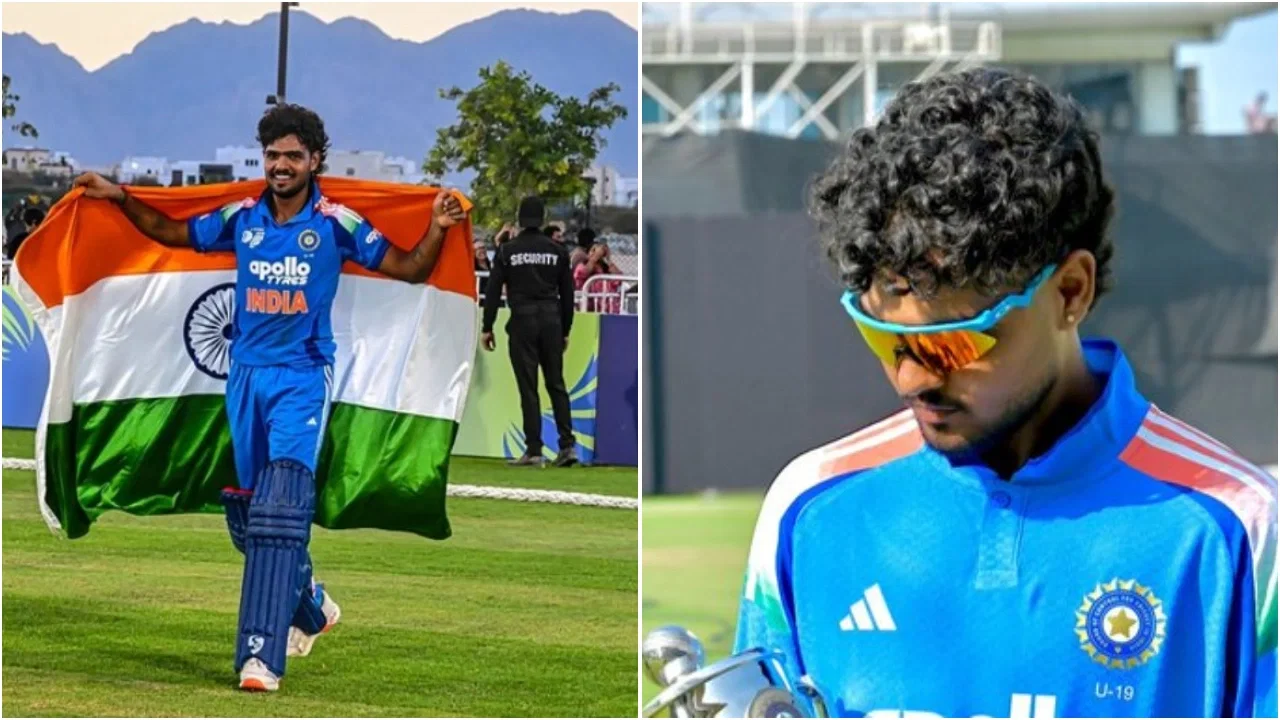
Who is Mohit Ulva? India bowler who pulled off a thriller in U19 Asia Cup final against Pakistan
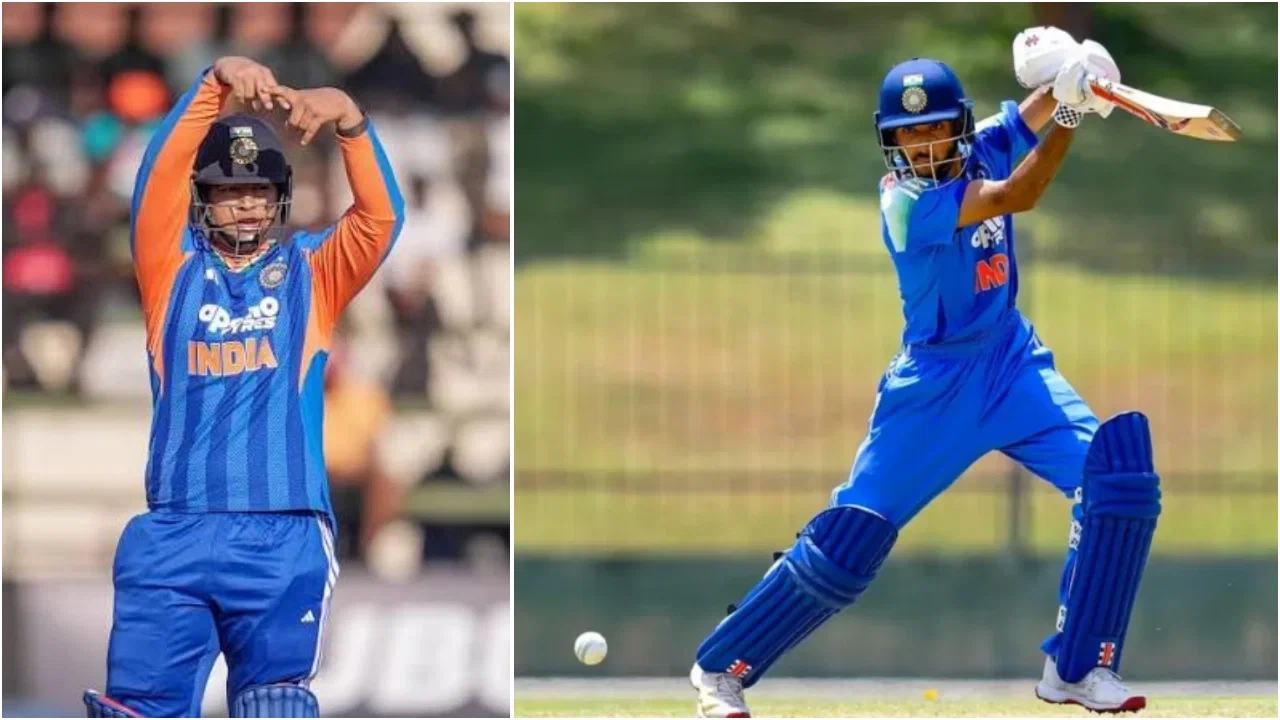
Aaryavir Sehwag receives special congratulations from Vaibhav Sooryavanshi after U19 Asia Cup triumph
England to return to Zimbabwe for historic Test match after three decades
Vaibhav Sooryavanshi suffers Rohit Sharma-like brain-fade during toss, forgets combination
“Shreyas Iyer has to be careful”: Kris Srikkanth sounds warning to India star over poor ODI form
ICC delays decision on franchise league rules as MLC and ILT20 await clarity
Sanju Samson fails in SMAT after horror show for India
IPL 2027: Gujarat Titans set to sign Harshal Patel in all-cash deal with SRH
“I know his limitations well”: R Ashwin opens up on Ravindra Jadeja’s biggest weakness
Aakash Chopra picks India’s best ODI captain, Virat Kohli not in top three
“Mohit Ulva you freak”: Fans react as India pull off stunning win over Pakistan in U19 Asia Cup 2026 final
India U19 vs Pakistan U19: All ODI match results from 1988 to 2026

ECB declares war on YouTube show, threatens Ashes ban for popular Commentators