Sanju Samson fails in SMAT after horror show for India
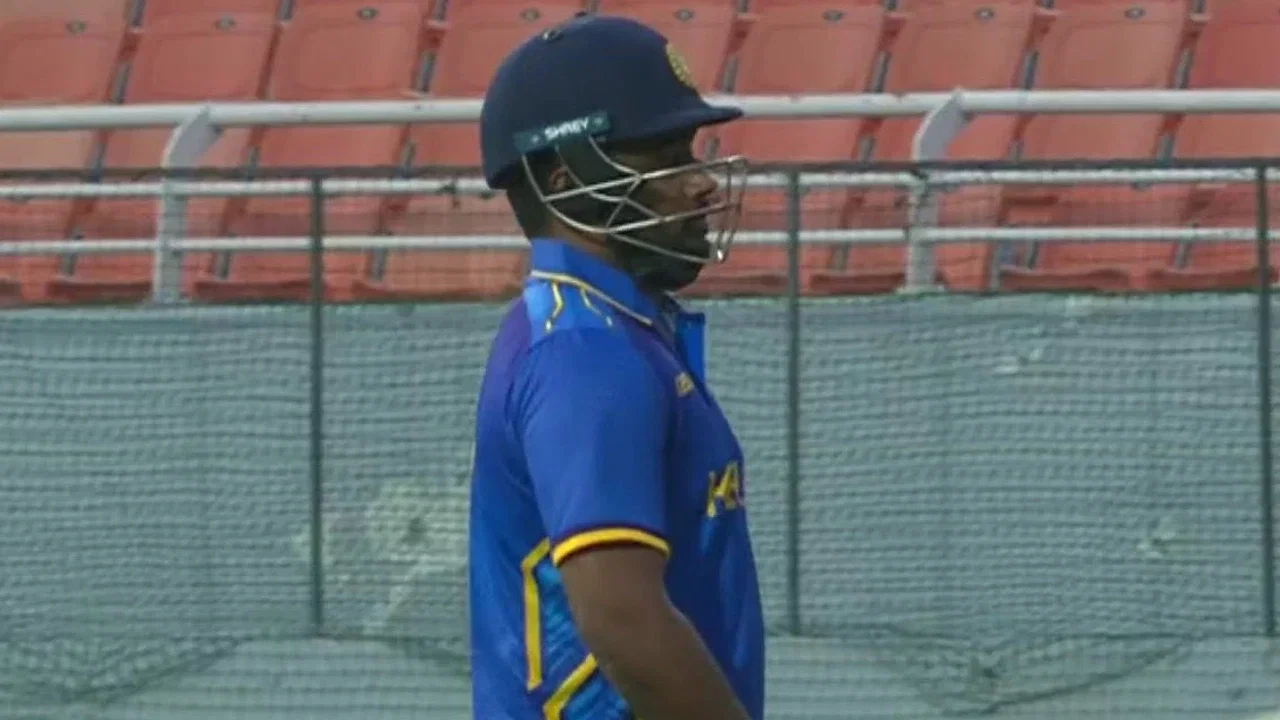
Sanju Samson’s Domestic Comeback Begins with Early Setback in Syed Mushtaq Ali Trophy 2026
Sanju Samson was looking to use the Syed Mushtaq Ali Trophy 2026 as an opportunity to regain momentum after an inconsistent run of performances. Instead, his return to domestic cricket brought another brief outing: the Kerala captain was dismissed for four in the opening match against Madhya Pradesh at the PCA International Cricket Stadium in New Chandigarh on Saturday, November 14.
Samson’s early exit added to Kerala’s difficult start in the Elite Group C contest. After choosing to bat, Kerala lost three wickets for 30 runs during the powerplay, giving Madhya Pradesh immediate control. The result is an early talking point in the tournament, though one innings alone cannot determine how Samson’s campaign will unfold.
Avesh Khan strikes in the second over
Madhya Pradesh pacer Avesh Khan delivered the key early breakthrough, dismissing Samson in the second over. The batter attempted to defend a back-of-a-length delivery that moved sharply into him. The ball took an inside edge and deflected onto the middle stump, ending his innings after just three deliveries.
Avesh celebrated an important wicket, while Kerala were left to rebuild almost immediately. Samson’s dismissal was followed by two more setbacks: Ahammed Imran made one before being removed by Tripuresh Singh, and Mohammed Azharuddeen contributed 10 before also falling to the Madhya Pradesh bowler. The rapid sequence of wickets placed Kerala under pressure before the innings had properly settled.
For Madhya Pradesh, the opening spell showed the value of disciplined pace bowling and pressure in the powerplay. Avesh’s movement through the air and off the pitch made it difficult for Samson to play comfortably, while Tripuresh capitalised on Kerala’s unsettled start. In T20 cricket, early wickets can shape an innings by forcing incoming batters to balance recovery with the need to maintain a competitive scoring rate.
Samson seeks consistency after mixed T20I results
Samson returned to domestic action after India’s recent tour of New Zealand, hoping to find form while leading Kerala. His international numbers show both his ability to produce significant scores and the inconsistency that has followed him in recent matches. Across his last 10 T20I innings, he has scored 275 runs at an average of 27.50, including three half-centuries.
However, six of those 10 innings ended with scores below 20. The contrast was evident during the New Zealand series. Samson began the tour with an impressive 67 from 33 balls in Christchurch on October 22, but his subsequent scores across the next four T20Is were 14, 18, four and four. That sequence limited his overall impact after an encouraging start.
His performances against the West Indies at home offered a reminder of what he can produce when he finds rhythm. Samson struck 82 from 41 balls in Ranchi and followed it with 56 from 23 deliveries in Hyderabad. Yet those innings were also surrounded by scores of three, 16 and 11, underlining the challenge he now faces: turning flashes of attacking quality into a more reliable run of contributions.
That makes the Syed Mushtaq Ali Trophy an important platform, even if the opening match did not go to plan. Domestic T20 cricket gives Samson regular opportunities to work through technical and tactical adjustments in competitive conditions. A stronger run of performances could help rebuild confidence, while also giving selectors fresh evidence of his current form. Any prediction about his next innings, however, would be premature; the more useful measure will be how he responds across the remaining matches.
Why the early dismissal matters—but does not define the campaign
Samson’s dismissal will attract attention because of his profile as an India international and Kerala’s captain. Still, a low score in the first match should be viewed in context. The delivery from Avesh Khan found movement and produced a difficult outcome for a batter trying to defend. T20 results can turn quickly, and one early failure does not rule out a meaningful contribution later in the competition.
For Kerala, the broader concern is the top-order collapse. Losing three wickets inside the powerplay left the middle order with the twin task of stabilising the innings and keeping the scoreboard moving. The team will need a more composed start in its upcoming fixtures if it is to make the most of the tournament’s short-format conditions.
Other Group C teams open with victories
Elsewhere in Group C, Andhra, Himachal Pradesh and Puducherry began their Syed Mushtaq Ali Trophy 2026 campaigns with wins. Andhra defeated Tripura by 43 runs, while Puducherry beat Maharashtra by 15 runs. Himachal Pradesh also secured a victory, overcoming Assam by 16 runs under the VJD method.
Those results give the group an early competitive shape, although the tournament remains in its opening phase. Each team will be looking to build momentum through consistent performances rather than rely on one result. For Kerala, the immediate priority will be recovering from the powerplay setbacks and finding a stronger batting rhythm in the next match.
What to watch next
Samson’s response will be one of the central storylines as Kerala continue their campaign. The captain has shown that he can score quickly and produce match-changing innings, but his recent record also highlights the importance of converting promising starts into sustained consistency. Supporters will be watching to see whether he can settle at the crease, adapt to the bowling on offer and lead Kerala through a more assured start.
The opening-day dismissal is a setback, not a final verdict. With several matches still ahead, Samson has time to turn the narrative around. His next performances—and Kerala’s ability to recover from an early batting wobble—will offer a clearer indication of how their Syed Mushtaq Ali Trophy season is likely to develop.
Latest News
“Haven’t spoken to my dad”: Aaryavir Sehwag’s revelation on Virender Sehwag after PoTT win in U19 Asia Cup
Who is Mohit Ulva? India bowler who pulled off a thriller in U19 Asia Cup final against Pakistan
Aaryavir Sehwag receives special congratulations from Vaibhav Sooryavanshi after U19 Asia Cup triumph
England to return to Zimbabwe for historic Test match after three decades
Vaibhav Sooryavanshi suffers Rohit Sharma-like brain-fade during toss, forgets combination
“Shreyas Iyer has to be careful”: Kris Srikkanth sounds warning to India star over poor ODI form
ICC delays decision on franchise league rules as MLC and ILT20 await clarity
Sanju Samson fails in SMAT after horror show for India
IPL 2027: Gujarat Titans set to sign Harshal Patel in all-cash deal with SRH
“I know his limitations well”: R Ashwin opens up on Ravindra Jadeja’s biggest weakness
Aakash Chopra picks India’s best ODI captain, Virat Kohli not in top three
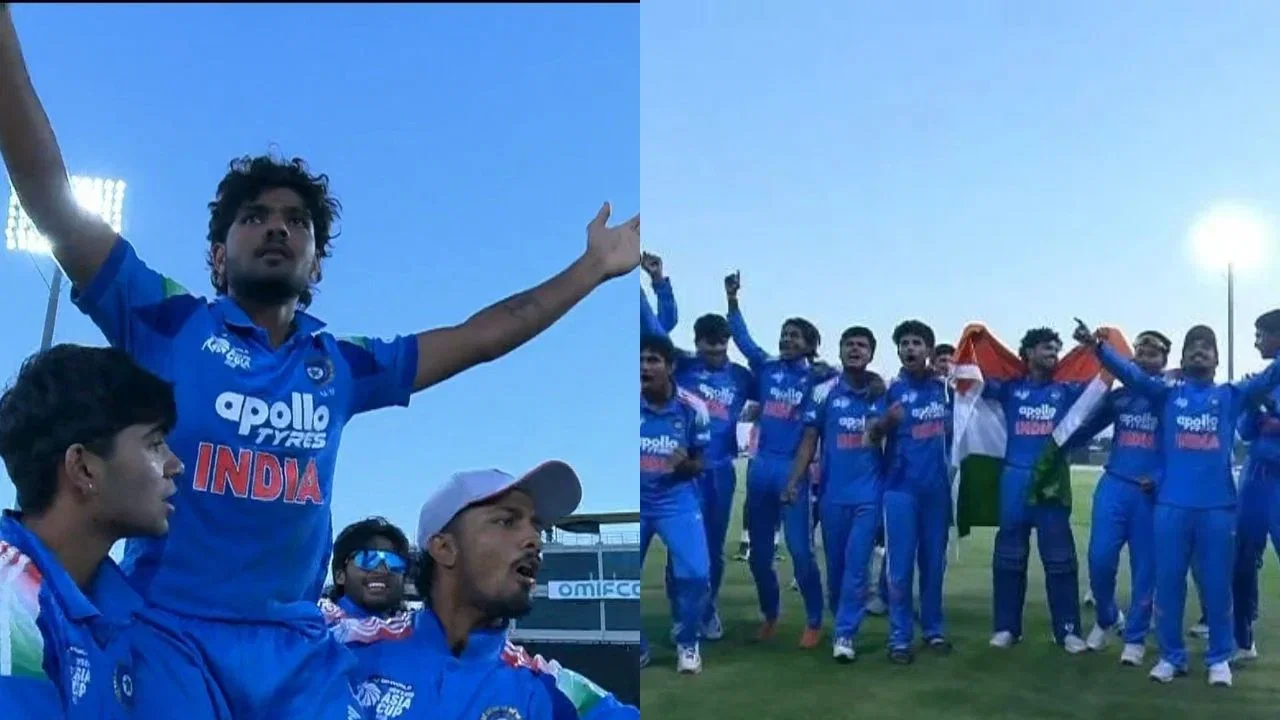
“Mohit Ulva you freak”: Fans react as India pull off stunning win over Pakistan in U19 Asia Cup 2026 final
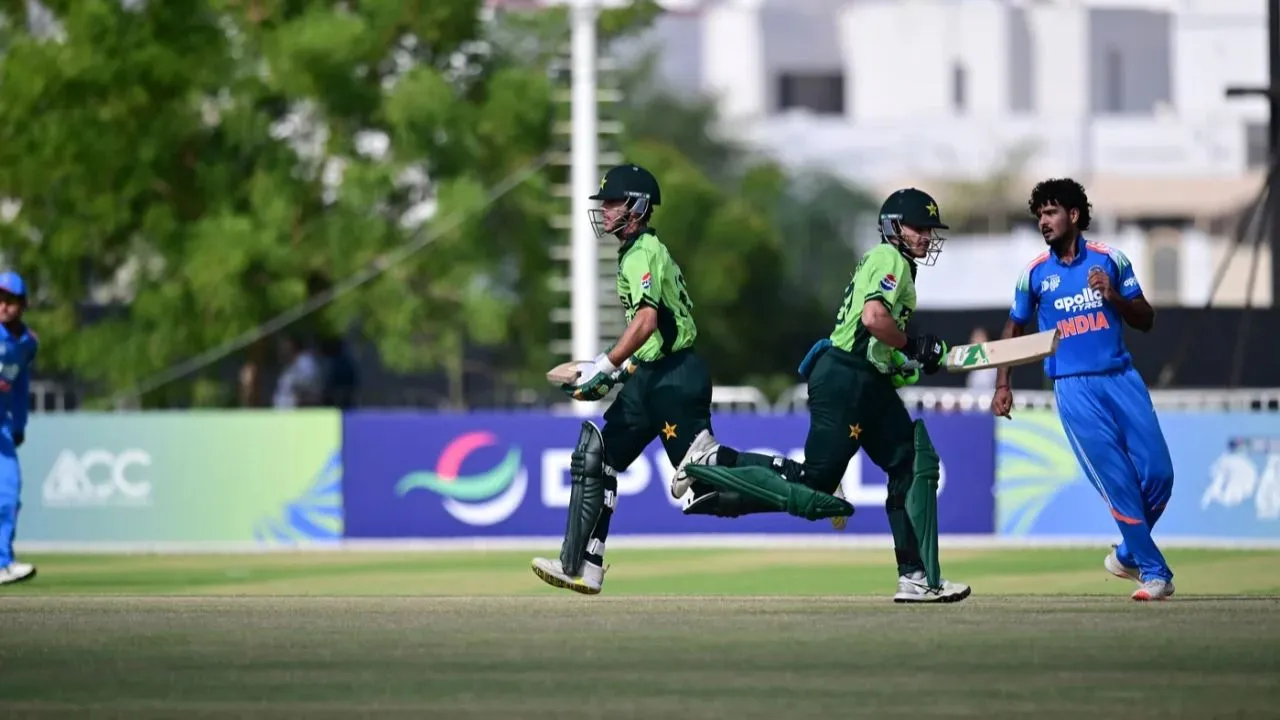
India U19 vs Pakistan U19: All ODI match results from 1988 to 2026

ECB declares war on YouTube show, threatens Ashes ban for popular Commentators